Can Cats Survive in Cold Weather Outside?
Imagine waking up to a crisp winter morning, the world outside covered in a blanket of snow. As you sip your coffee, a thought crosses your mind: Can your furry friend, the family cat, survive in such cold weather outside?
If you've ever wondered about your cat's well-being during chilly temperatures, you're not alone. Many cat owners have the same concerns, especially when their feline companions love exploring the outdoors. We'll uncover the truth about how cats handle cold weather, and what you can do to ensure your pet stays safe and healthy.
You'll learn practical tips and insights that will make you feel confident about your cat's outdoor adventures, even when the temperature drops. So, let's dive in and discover how you can be the best caretaker for your beloved pet this winter.
Cats And Cold Weather Challenges
Cats are known for their resilience and adaptability. But cold weather poses challenges for outdoor cats. Understanding these challenges is crucial. It helps ensure their safety and well-being during harsh winters.
Understanding Cat Physiology
Cats have a natural fur coat. This provides some protection against cold. But it's not enough for extreme temperatures. Their small size makes them lose heat faster. Especially during long, cold nights.
Risks Of Hypothermia
Hypothermia is a serious threat for outdoor cats. It occurs when their body temperature drops too low. Signs include shivering and weakness. If left untreated, it can be fatal.
Frostbite Concerns
Frostbite damages their skin and tissues. Ears, paws, and tails are most vulnerable. Prolonged exposure to freezing weather increases the risk. Early signs include pale or discolored skin.
Finding Shelter
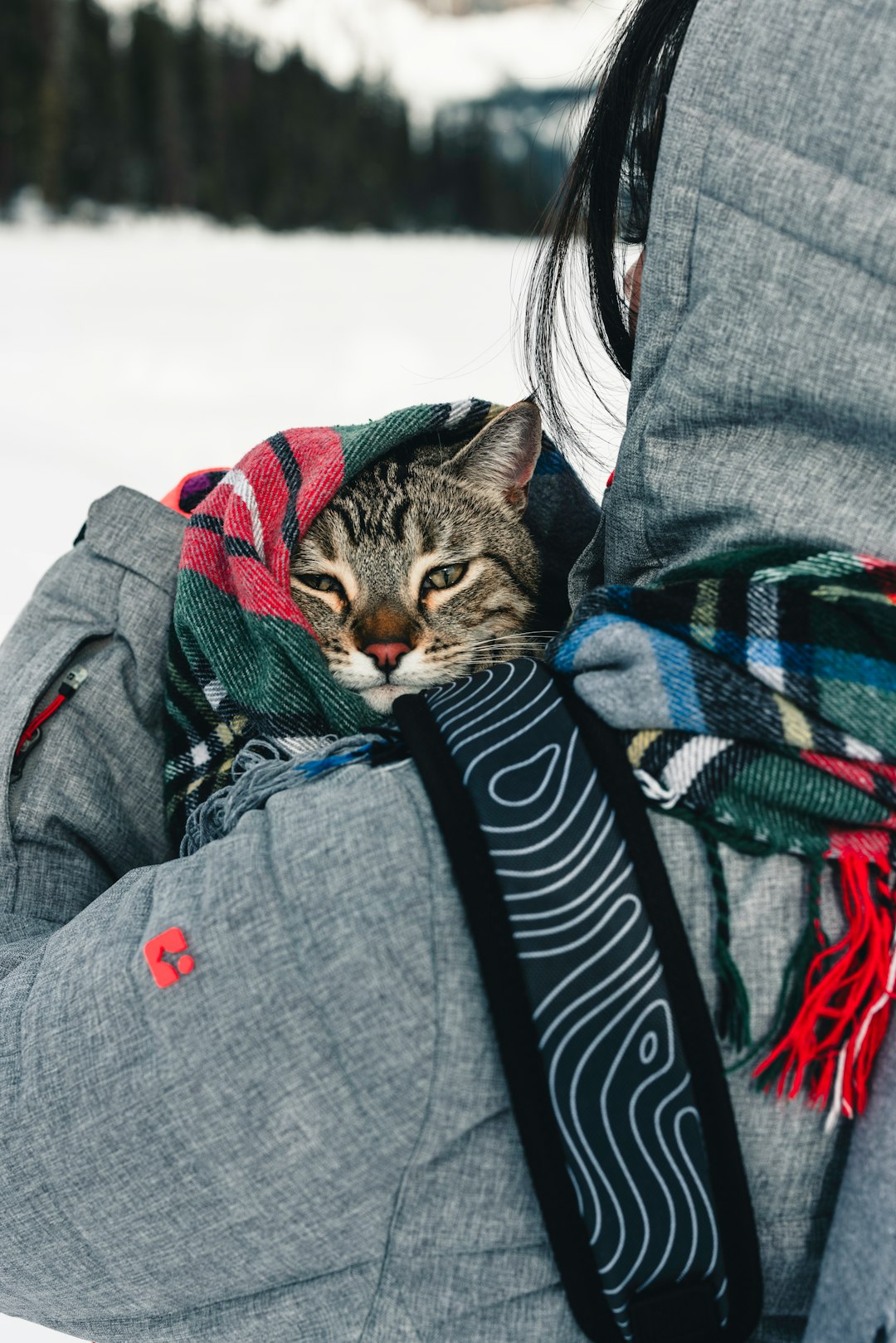
Outdoor cats need warm shelters. These should be dry and insulated. Cardboard boxes with blankets can help. Ensure they're away from the wind.
Providing Warmth
Providing extra warmth can save lives. Heated pads or bedding are ideal. They help maintain body temperature. Always ensure cats can escape if too hot.
Nutritious Food Supply
Cold weather increases calorie needs. Outdoor cats burn more energy to stay warm. Offer nutritious, high-calorie food. Fresh water is also crucial, as it may freeze.
Regular health checks are vital. Look for signs of cold-related ailments. Quick intervention can prevent serious issues. A vet visit may be necessary.
Feline Adaptations To Cold
Cats are enigmatic creatures, often perceived as delicate and pampered. Yet, their ability to adapt to various environments, including cold weather, is remarkable. So, how do these furry companions manage to survive when the temperature drops?
Fur And Body Temperature Regulation
A cat's fur is its first line of defense against the cold. The dense undercoat acts as insulation, trapping body heat. Have you ever noticed your cat's fur looking thicker during winter? That's because their coat adjusts to provide extra warmth.
Additionally, cats have a unique ability to regulate their body temperature. This means they can maintain warmth even when it's cold outside. However, this doesn't mean you should leave them out in freezing conditions.
Behavioral Adjustments
Cats are skilled at finding cozy spots to keep warm. You'll often find them curled up in places that capture sunlight or near heat sources. My cat, for instance, loves basking by the window during chilly afternoons.
Moreover, cats tend to conserve energy when it's cold. They may sleep more and become less active, helping them maintain body warmth. Have you noticed your cat being less playful on frosty days?
Diet And Metabolism
Diet plays a crucial role in helping cats adapt to cold weather. A nutritious diet supports their metabolic rate, providing the energy needed to generate body heat. Consider feeding your cat slightly more during winter months.
A cat's metabolism can adjust to colder climates, aiding in heat production. Are you ensuring your cat gets enough nutrients to thrive in winter?
Paws And Extremities
Cat paws are designed to endure various terrains, including snow. Their paw pads provide some protection against cold surfaces. But remember, long exposure to extreme cold can still be harmful.
It's important to check your cat's paws for signs of frostbite or injury after being outside. How often do you inspect their paws for any issues?
Understanding these adaptations can help you ensure your feline friend stays safe and comfortable during winter. While cats have impressive survival skills, they still need your care and attention when the cold sets in.
Risks Of Outdoor Cold Exposure
Cats are known for their independence, but when it comes to braving the cold outdoors, they face significant risks. While some cats are more resilient due to their breed or fur thickness, prolonged exposure to cold weather can pose serious health threats. Understanding these risks can help you make informed decisions about your cat's outdoor adventures.
Hypothermia In Cats
Hypothermia is a dangerous condition that occurs when a cat's body temperature drops significantly. It can happen quickly when temperatures fall, especially if a cat is wet or unprotected.
Symptoms include shivering, weakness, and lethargy. If you notice these signs, it’s vital to bring your cat indoors immediately and warm them up gradually. A friend of mine once found her cat curled up under a bush, shivering and unresponsive. Quick action saved her furry friend's life.
Have you ever considered how your cat feels outside in the cold? Always monitor their behavior and limit outdoor time in harsh weather.
Frostbite Risks
Frostbite is another danger that cold weather presents to your cat. It affects the extremities such as ears, paws, and tail, where blood flow is slower.
Early signs of frostbite include pale or grey skin, swelling, and pain. Immediate veterinary care is necessary to prevent permanent damage. My neighbor’s cat once returned home with frostbitten ears after a snowy escapade, reminding us all of the hidden dangers outside.
Do you ensure your cat has warm, sheltered spots if they venture outdoors? Even a cozy box with blankets can make a difference.
Engaging with these risks is crucial for any cat owner. By staying alert to the dangers of cold exposure, you can protect your feline companion and ensure their safety all year round.
Providing Shelter
Cats can face challenges in cold weather outside. They need warm shelter to survive freezing temperatures. Without protection, they risk frostbite or hypothermia.
When the cold winds start to bite, and the world turns into a frosty wonderland, you might wonder how your outdoor feline friend will cope. Providing shelter is crucial for cats living outside during chilly months. It’s not just about keeping them warm; it’s about offering a safe haven that shields them from the elements.
Types Of Outdoor Cat Shelters
Outdoor cat shelters come in various shapes and sizes. You can choose from pre-made insulated cat houses, which are often designed to withstand harsh weather. Alternatively, you might prefer a DIY approach, using materials like sturdy plastic tubs or wooden crates. Some people use large Styrofoam boxes with lids, cutting an entrance to ensure the cat can get in and out easily. These structures are affordable and can be quite effective. Just remember to elevate the shelter off the ground to prevent moisture from seeping in.
Insulating Shelters For Warmth
Insulation is key to keeping your cat warm during frigid nights. You can line the inside of the shelter with straw, which is an excellent insulator that remains dry and traps heat. Avoid using blankets or towels as they retain moisture, making the shelter cold and damp. Consider adding a flap over the entrance to minimize heat loss. This simple addition can make a big difference in retaining warmth inside the shelter. Have you ever noticed how cozy your cat feels when nestled in a warm, snug space? Replicating that comfort outdoors is possible with the right insulation. By taking these steps, you not only provide warmth but also show your furry friend that their well-being is your priority. After all, isn't it heartwarming to see them content and protected, even when the world outside is icy cold?
Ensuring Adequate Nutrition
Cats are resilient creatures but cold weather can be challenging. Ensuring adequate nutrition helps them survive outdoors during winter. Proper diet supports their energy and health. This section focuses on how nutrition plays a vital role.
High-calorie Diets
Cats need more calories in cold weather. Their bodies work harder to stay warm. A high-calorie diet provides necessary energy. Foods rich in proteins and fats are ideal. Look for quality cat food with these nutrients.
Frequent meals can help too. Smaller, regular portions keep their energy stable. Ensure the food is not too cold. Warm meals are more appealing and easier to digest.
Importance Of Fresh Water
Water is essential even in cold weather. Cats can become dehydrated easily. Ensure they have access to fresh water. Replace frozen water often. Heated water bowls can prevent freezing. Hydration supports their metabolism and overall health.
Some cats prefer running water. Consider a pet fountain if possible. It encourages them to drink more. Proper hydration is as crucial as a good diet.
Monitoring Health
Monitoring your cat's health in cold weather is crucial. Cats have unique needs in winter. It's important to be aware of their health. Keeping an eye on their condition helps prevent serious issues.
Signs Of Cold-related Illness
Watch for signs of cold-related illness in your cat. Shivering or trembling is a warning sign. Pale gums indicate poor circulation. Lethargy and weakness are concerning. Excessive sleeping or hiding may signal problems. Look for these signs regularly.
When To Seek Veterinary Care
Some symptoms require immediate veterinary attention. Persistent shivering needs a vet's evaluation. If your cat appears disoriented, contact a vet. Wheezing or difficulty breathing is serious. Refusal to eat or drink is a red flag. Seek help if symptoms persist.
Safety Precautions
Cats can face dangers in cold weather outside. Providing shelter helps them stay warm and protected. Ensure they have access to food and unfrozen water to survive harsh conditions.
Cats enjoy exploring the great outdoors, but cold weather poses risks. Protecting them from harsh conditions is vital. Safety precautions can make a big difference. Here, we discuss practical steps to ensure your feline friend stays safe and cozy during winter.
Avoiding Toxic Chemicals
During winter, people use chemicals to de-ice sidewalks and driveways. These substances are harmful to cats. Keep chemicals stored securely. Clean paws after outdoor adventures to prevent ingestion. Use pet-safe products when possible. This minimizes risks for your cat.
Securing Outdoor Spaces
Outdoor shelters provide warmth and safety. Ensure the shelter is insulated and dry. Regularly check for drafts or damp spots. Secure loose items that could fall or injure your cat. Fencing keeps wild animals away. This protects your cat from potential threats. Regular inspections maintain a safe environment.
Frequently Asked Questions
How Do Cats Stay Warm Outside In Winter?
Cats stay warm by seeking shelter and curling up in insulated spaces. Their fur provides natural insulation against the cold. Cats also conserve energy by reducing activity, which helps maintain body heat during chilly weather.
Can Cats Get Sick From Cold Weather?
Yes, cats can get sick from prolonged exposure to cold weather. Hypothermia and frostbite are serious risks for outdoor cats. It's crucial to ensure they have warm, dry shelter to prevent illness.
What Temperature Is Too Cold For Cats?
Temperatures below 32°F (0°C) are too cold for cats. At this point, they risk hypothermia and frostbite. Providing a warm shelter and monitoring the weather can protect outdoor cats.
How Can I Protect My Cat In Winter?
You can protect your cat by providing a warm, insulated shelter. Ensure it is dry, away from wind, and has soft bedding. Regularly check their health and bring them indoors during extreme cold.
Conclusion
Cats can face challenges in cold weather outside. Their survival depends on several factors. Proper shelter is crucial. It keeps them warm and protected. Access to food and water is also vital. These essentials help maintain their health. Consider their breed and fur length.
Some cats tolerate cold better than others. Always monitor their condition closely. If you notice signs of distress, bring them indoors. Protecting their well-being is important. Cats need care and attention in harsh weather. Ensure they stay safe and comfortable.
Your efforts can make a big difference. Keep them happy and healthy all year round.