Can Cat Fleas Survive Cold Weather?
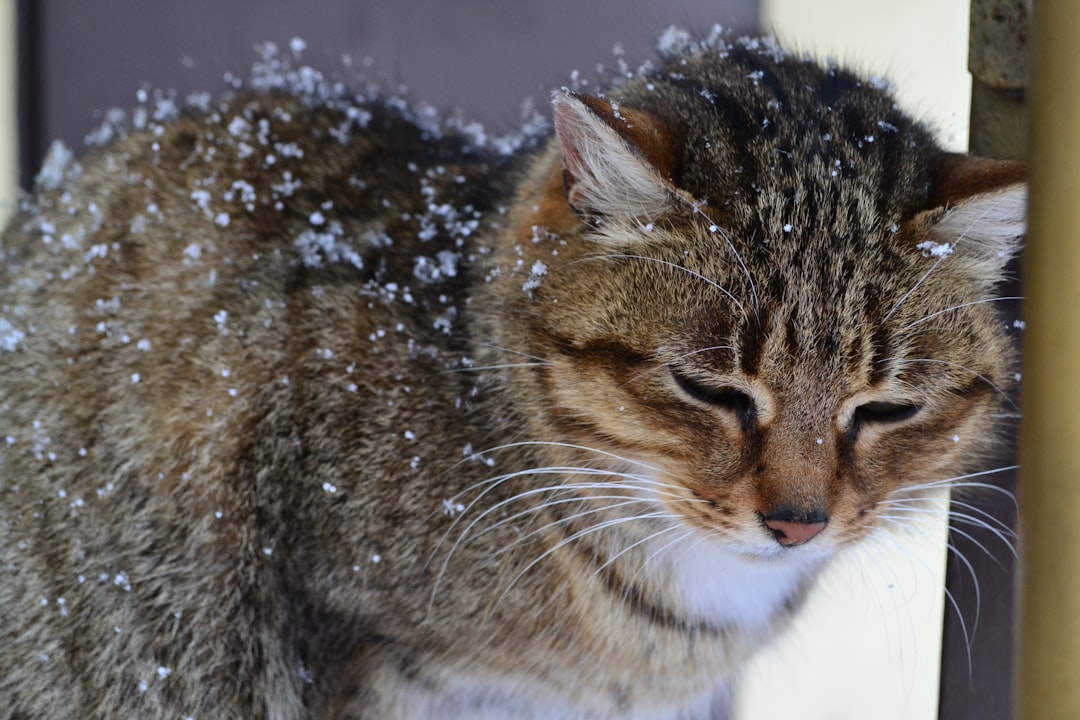
Imagine you’re cozy inside your home, sipping on a warm cup of tea, while outside, the cold winds howl and the snow blankets everything in sight. But as you enjoy the warmth, a nagging question might cross your mind: can cat fleas survive this chilly weather?
You want to keep your furry friend safe from these pesky parasites, especially when the temperatures drop. Understanding how cat fleas behave in cold weather could be crucial for you and your pet’s peace of mind. You might be surprised to learn that these tiny critters have some tricks up their sleeves when it comes to surviving the cold.
Dive into this article to uncover the secrets of cat fleas and ensure your beloved cat remains flea-free, no matter how low the mercury falls.
Flea Life Cycle
The flea life cycle is a fascinating process. Understanding it helps manage flea infestations. Each stage presents unique challenges for survival. Let's explore these stages in detail.
Egg Stage
Flea eggs are tiny and white. They fall off the host easily. Eggs often land in carpets or pet bedding. They hatch within two weeks. Temperature affects their development time.
Larva Development
Larvae are blind and avoid light. They feed on organic matter. This includes adult flea droppings. Larvae stay hidden in dark places. They grow over one to two weeks.
Pupa Transition
Pupae are tough. They form a cocoon. This protects them from harsh conditions. They can remain dormant for months. Warmth and vibration trigger their emergence.
Adult Fleas
Adult fleas are the final stage. They need a host to survive. Adult fleas can jump great distances. They bite and feed on blood. This stage lasts several months.
Cold Weather Impact
As the temperature drops, many of us assume that fleas, those pesky little parasites, would simply disappear. But do cat fleas really vanish with cold weather? Understanding how these resilient creatures react to the chill can help you prepare better for flea season. Let's explore how cold weather impacts cat fleas.
Temperature Thresholds
Fleas thrive in warm environments, but they don't immediately die off when it's cold. The critical temperature for flea survival is around 37°F (3°C). At this point, flea eggs and larvae struggle to develop. But don't breathe a sigh of relief just yet.
Adult fleas can endure temperatures slightly below this threshold, especially if they have found a cozy spot indoors. Your heated home becomes their winter haven, keeping them alive and active.
Survival Mechanisms
Fleas have a knack for survival. They latch onto your pets, who provide warmth and nourishment. This close contact shields them from harsh weather outside. Even if the air is frosty, your cat's fur offers a perfect refuge.
In addition, fleas can hide in carpets, bedding, and upholstery. These areas maintain warmth, allowing them to survive the cold months. Have you ever thought about the flea population in your couch?
Dormancy Periods
When conditions become unfavorable, fleas enter a dormant phase. This period can last through winter, allowing them to re-emerge when the weather warms. During dormancy, flea eggs and larvae pause their development.
However, if they find a warm environment, dormancy may end prematurely. It’s wise to maintain vigilance year-round. Keeping your home clean and vacuumed can disrupt flea dormancy and prevent a spring infestation.
Have you considered how your winter habits might influence flea survival? Simple actions like regular pet grooming and household cleaning can make a difference. Combatting fleas in winter requires understanding their resilience and adapting your strategies accordingly.
Indoor Vs Outdoor Fleas
Cat fleas can be a nuisance for pet owners everywhere. They thrive in both indoor and outdoor environments. Understanding their behavior in cold weather helps manage them effectively. Indoor fleas and outdoor fleas face different challenges when temperatures drop. Let's explore these differences.
Indoor Climate Effects
Indoor environments offer a stable climate for fleas. Homes are heated during cold weather, creating a warm haven. This makes it easier for fleas to survive and reproduce. Carpets, bedding, and furniture provide perfect hiding spots. Regular vacuuming and cleaning help reduce their numbers.
Pets often stay indoors in winter, increasing flea exposure. Fleas can latch onto pets and spread quickly. Keeping pets treated with flea preventatives is crucial. Consistent cleaning routines help manage indoor flea populations.
Sheltered Outdoor Environments
Outdoor fleas face harsher conditions in cold weather. Fleas struggle to survive in freezing temperatures. Yet, they find refuge in sheltered areas. Leaf piles, sheds, and garages offer protection from the cold. These spots provide warmth and humidity, ideal for fleas.
Fleas can latch onto wildlife seeking shelter. They can then transfer to pets venturing outside. Checking pets for fleas after outdoor activities is important. Maintaining clean outdoor spaces can reduce flea habitats. This helps limit the flea population in colder months.
Adaptations For Survival
Cat fleas struggle to survive in cold weather. They thrive in warm, humid environments. Cold temperatures slow their development, making it hard for them to reproduce. Fleas often seek warmth from their hosts to endure chilly conditions.
Understanding how cat fleas survive cold weather can be both fascinating and practical for pet owners. Despite their tiny size, these pests have developed remarkable adaptations to withstand chilly conditions. You might wonder, how do these pesky little creatures continue to thrive even when temperatures drop? Their survival tactics can be broken down into two main categories: behavioral and physical adaptations.
Behavioral Adaptations
Cat fleas are incredibly resourceful. During colder months, they seek warmth and shelter. Your cozy home becomes their perfect refuge. They can hitch a ride on your pets to get inside, where it's warm and food is plentiful. They also adjust their feeding habits. Instead of waiting for a perfect moment, fleas may feed more frequently to store up energy. This constant feeding helps them survive longer without a host if needed. Have you noticed an increase in your cat's scratching during the winter? This might be why.
Physical Adaptations
Fleas have developed specific physical traits to survive cold. Their hard exoskeletons offer some protection against the elements, acting like a natural armor. This structure helps them endure temperature changes without freezing. Moreover, flea eggs and larvae can enter a dormant state. This pause in their development helps them wait out unfavorable conditions until temperatures rise again. Imagine how much easier it would be to handle winter if we could do the same! These adaptations highlight the resilience of fleas, making them a year-round concern. By understanding these strategies, you can better protect your home and pets from infestations. What steps can you take today to outsmart these adaptable pests?
Preventing Flea Infestations
Cat fleas can survive cold weather by finding warmth indoors or on their host. Fleas thrive in mild temperatures, making indoor environments ideal during colder months. Regular grooming and cleaning help prevent infestations, keeping your pet and home flea-free.
Preventing flea infestations is crucial for keeping your home and pets healthy. Cat fleas pose a challenge, especially during colder months. Understanding prevention methods can help maintain a flea-free environment. Let's explore practical strategies to combat these tiny pests.
Home Environment Control
Ensure your home remains a flea-free zone. Regularly vacuum carpets, rugs, and furniture. This removes flea eggs and larvae. Wash pet bedding frequently in hot water. Fleas can't survive high temperatures. Use flea sprays or powders in areas where your pet sleeps. These products deter fleas from settling in. Maintain a clean yard by trimming grass and bushes. Fleas thrive in moist, shaded areas.
Pet Care Strategies
Protect your pets with effective flea treatments. Consult your vet for recommendations. Spot-on treatments and oral medications work well. Check your pet's fur regularly for fleas and flea dirt. Use a flea comb for thorough inspections. Bathe your pet with flea-control shampoos. These shampoos kill fleas on contact. Ensure your pet's flea collar is up-to-date. It provides continuous protection against fleas.
Seasonal Precautions
Prepare for flea prevention as seasons change. Fleas become less active in colder months. However, indoor heating can create ideal conditions. Don't skip flea treatments in winter. Continue regular flea checks during this time. Be aware of flea hotspots in your home. Areas like basements and attics may harbor fleas. Adjust your flea-control tactics based on seasonal changes.
Flea Control Methods
Fleas can be a stubborn problem, especially during colder months. Many pet owners worry about their furry friends catching fleas. Understanding effective flea control methods is key. This section covers natural remedies, chemical treatments, and professional pest control. Each offers unique benefits for managing fleas. Choose the method that suits your needs best.
Natural Remedies
Natural remedies offer a gentle way to tackle fleas. Diatomaceous earth is a popular choice. Sprinkle it lightly on carpets and pet bedding. It helps dry out and kill fleas. Regular vacuuming also reduces flea numbers. Ensure you empty the vacuum bag often. Try using essential oils like lavender or cedar. These can repel fleas when diluted and used correctly. Always check with a vet before applying any oils on pets.
Chemical Treatments
Chemical treatments provide a stronger approach to flea control. Spot-on treatments are common and effective. They usually work for up to a month. Flea collars release chemicals slowly, protecting your pet. Oral medications kill fleas quickly. They often provide fast relief. Always follow package instructions carefully. Consult your vet before starting any chemical treatment.
Professional Pest Control
Professional pest control ensures thorough flea management. Experts use specialized equipment and methods. They treat your home comprehensively. This reduces the chance of flea eggs hatching. Professionals can also offer advice on preventing future infestations. This service provides peace of mind. It's especially useful for severe flea problems. Always choose a reputable pest control company.
Frequently Asked Questions
Can Fleas Survive In Winter?
Fleas can survive winter by seeking warmth indoors. They often hide in carpets, pet bedding, and upholstery. Cold weather outside doesn't kill them. They thrive in heated homes, making it essential to maintain flea prevention year-round.
Do Cat Fleas Die In Cold Weather?
Cat fleas don't die just because it's cold. They find warm places inside to live. Homes with heating systems provide ideal conditions for fleas. Regular cleaning and using flea treatments can help control infestations.
How Do Fleas Stay Alive In Cold?
Fleas stay alive by infesting warm areas indoors. They avoid cold by hiding in warm spots like pet beds and furniture. Maintaining a clean environment and using flea control methods can help reduce their presence.
Can Fleas Live In A Cold House?
Fleas can live in cold houses if they find warm spots. They often settle in areas where pets sleep. Regular vacuuming and washing pet bedding can help keep fleas at bay.
Conclusion
Cat fleas are resilient in cold weather, but not invincible. They can survive indoors where it's warm. Outside, their survival chances drop significantly. Keeping your home clean and warm can help. Regular checks on your cat prevent infestations. Use flea treatments as needed.
Always consult your vet for advice. Protecting your cat helps protect your home too. Stay vigilant, especially in colder months. Fleas might be small, but they cause big problems. Understanding their behavior helps in controlling them. Prevention is always better than cure.
Keep your pets safe and comfortable year-round.