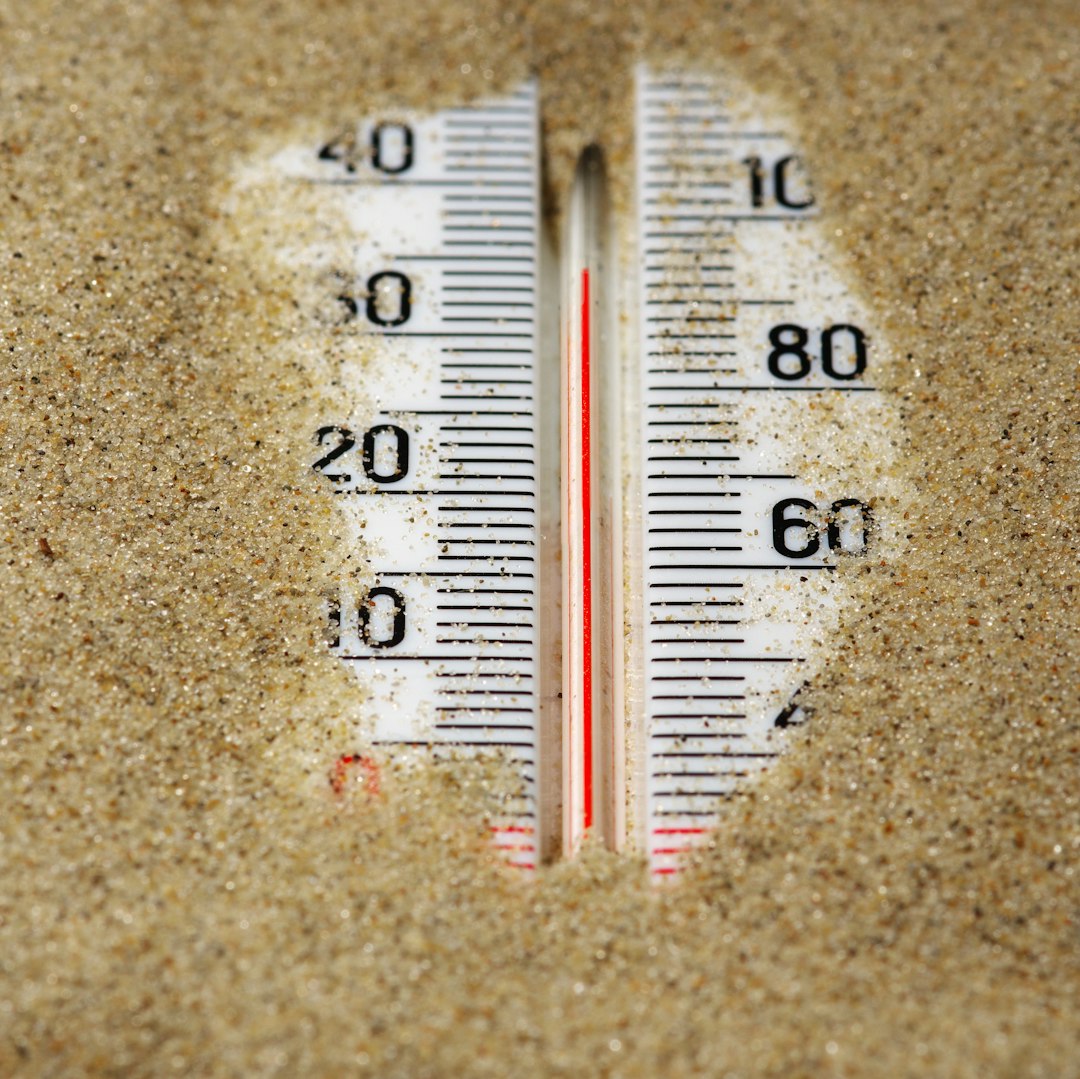
Imagine stepping outside and feeling the sun's intense heat instantly wrap around you, as if you've just opened an oven door. You check the temperature—it's a scorching 110 degrees Fahrenheit.
This isn't a distant scenario; it's happening more frequently across the globe. As you wipe the sweat from your brow, you might wonder, can your body really handle this extreme heat? More importantly, how do you ensure your safety when the mercury rises this high?
We'll dive into the effects of such extreme temperatures on your health. You'll discover practical tips to protect yourself and learn how to adapt to these rising temperatures. As you read on, you'll uncover vital information that could make all the difference between thriving and merely surviving in such oppressive heat. Let's explore how you can beat the heat and keep your cool.
Human Body's Heat Tolerance
The human body's heat tolerance is a fascinating subject. People often wonder about their limits in extreme temperatures. Surviving 110-degree weather challenges the body's ability to cope with heat. Understanding how the body manages high temperatures is crucial. This knowledge helps in preventing heat-related illnesses.
Physiological Limits
The human body has specific physiological limits. It struggles to maintain normal function above certain temperatures. The body's core temperature must stay around 98.6°F. In extreme heat, this balance becomes difficult. Excessive heat affects the body's ability to cool down. The risk of heat exhaustion and heatstroke increases.
High temperatures push the body to its limits. Sweat production rises to cool the skin. Blood flow increases to transfer heat away from the core. These processes are vital for survival. When they fail, serious health risks emerge.
Adaptation Mechanisms
Adaptation mechanisms help the body withstand heat. Acclimatization is key for survival in hot climates. Over time, the body adjusts to high temperatures. It becomes more efficient at cooling itself. The heart pumps more blood to the skin. This helps in dispersing heat effectively.
Another mechanism is increased sweat production. Sweat evaporates and cools the skin. This process lowers body temperature significantly. Staying hydrated supports these adaptations. Water is essential for effective heat regulation.
These mechanisms aid in surviving extreme heat. They protect the body from overheating. Understanding them can prevent heat-related health problems.
Impact On Health
Rising temperatures present serious challenges to human health. When the mercury hits 110 degrees, the impact can be severe. Many may not realize the dangers lurking in such extreme heat. It's not just about feeling uncomfortable. It’s about real health risks.
Heat-related Illnesses
High temperatures can lead to heat-related illnesses. Heat exhaustion and heat stroke are common. These conditions can happen quickly. Symptoms include dizziness and nausea. Without treatment, heat stroke can be fatal. It's crucial to stay cool and hydrated. A few minutes in direct sunlight can be dangerous. Always seek shade or air-conditioned places.
Vulnerable Populations
Certain groups are more at risk. The elderly and young children are especially vulnerable. Their bodies can't regulate temperature as well. People with chronic illnesses face higher risks, too. Those without access to cooling systems suffer most. Urban areas, with their heat-retaining concrete, can be dangerous. It’s vital to check on neighbors and loved ones.
Environmental Factors
Humans can survive 110-degree weather with proper precautions. Staying hydrated and finding shade is essential. Limit outdoor activities during peak heat hours to prevent heat-related illnesses.
Surviving in 110-degree weather can be challenging, and understanding the environmental factors is crucial. Various elements, both natural and man-made, influence how we experience extreme heat. These factors can significantly affect your comfort and safety during sweltering days.
Urban Heat Islands
Cities can be surprisingly hotter than their rural surroundings. This phenomenon, known as urban heat islands, occurs because concrete, asphalt, and buildings absorb and retain heat. You might have noticed how walking down a city street feels like walking through an oven compared to a park or suburban area. Air conditioning units, vehicles, and industrial activities further contribute to this effect. These structures and activities release heat, making cities hotter. If you're in a bustling metropolis, finding shade or green spaces can be a lifesaver during extreme heat. Urban planners are now considering solutions like green roofs and more trees to cool these areas. Have you ever noticed how a tree-lined street feels cooler? That's nature's air conditioning at work.
Natural Vs. Man-made Heat
Not all heat is created equal. Natural heat comes from the sun, and its intensity can vary based on the season and geographical location. You may find it interesting that even in the same country, some areas are naturally hotter due to their proximity to the equator. In contrast, man-made heat stems from human activities like industrial operations and transportation. This type of heat is often more intense in industrial areas and heavily trafficked regions. You might experience this firsthand when standing near a busy road or factory. Understanding the source of heat can help you plan your day. If you're in an area with high man-made heat, avoiding peak traffic times and staying indoors when possible can keep you cooler. Could our everyday choices and urban planning efforts help us better manage these temperature extremes? Thinking about these factors can guide you in making informed decisions to stay safe and comfortable in the heat.
Technology And Infrastructure
Facing 110-degree weather challenges human survival. Technology and infrastructure play a key role. Advances in cooling systems and heat-resistant materials help. These innovations ensure safety and comfort.
Cooling Systems
Cooling systems are vital in extreme heat. Air conditioners cool homes and offices. They provide relief from the searing temperatures. Portable fans and evaporative coolers offer budget-friendly options. They are efficient and easy to use. Smart thermostats optimize energy use. They adjust settings automatically to save power.
Heat-resistant Materials
Materials that resist heat are essential. They protect buildings and vehicles. Special paints reflect sunlight, reducing heat absorption. Insulated roofs keep interiors cooler. Advanced glass technology blocks UV rays. This reduces heat inside homes and cars. Engineers use heat-resistant materials in construction. They ensure structures withstand high temperatures.
Societal Adaptations
Adapting to extreme heat is vital for human survival in 110-degree weather. Cooling systems, hydration, and protective clothing can help. Understanding body limits and adjusting activities are crucial for safety in such conditions.
As temperatures around the globe continue to rise, society faces the critical challenge of adapting to extreme heat, particularly the sweltering 110-degree weather. The focus is not just on surviving but thriving under such conditions. With the right strategies, communities can transform these heatwaves into opportunities for innovation and growth.
Lifestyle Changes
To cope with intense heat, many people are reconsidering their daily routines. You might find yourself adjusting your schedule to avoid the midday sun, perhaps running errands early in the morning or late in the evening. Clothing choices also evolve, with breathable, lightweight fabrics becoming essential staples in wardrobes. Hydration becomes a priority in hot climates. People are now carrying reusable water bottles everywhere they go, ensuring they stay cool and refreshed. Have you ever noticed how crowded shaded areas and parks become during heatwaves? This shift in lifestyle helps individuals stay healthy and productive despite the soaring temperatures.
Community Preparedness
Communities are coming together to safeguard their members from extreme heat. Public cooling centers are gaining popularity, offering a refuge for those without air conditioning. Have you checked if your local library or community center provides such facilities? Emergency plans are being crafted with precision. Neighborhoods might organize heatwave drills, ensuring everyone knows where to go and what to do during a heat emergency. Local governments are investing in heatwave alerts, broadcasting timely information to keep you informed and safe. Is your community taking these steps to ensure everyone’s well-being? Collaboration is key. By sharing resources and knowledge, communities can tackle the challenges posed by extreme heat more effectively. Are you ready to contribute your part in making your community heat-resilient?
Future Climate Predictions
Surviving 110-degree weather poses serious challenges for humans. Extreme heat affects health, increasing risks of dehydration and heatstroke. Simple measures like staying hydrated and seeking shade can help.
The topic of future climate predictions is more pressing than ever. As temperatures soar, the possibility of facing consistent 110-degree weather becomes a reality. Understanding how these changes might affect us is crucial.
Global Temperature Trends
Recent data shows a consistent rise in global temperatures. The average global temperature has increased by about 1.2 degrees Celsius since the late 19th century. This shift is primarily due to human activities like burning fossil fuels and deforestation. If this trend continues, we could see more regions experiencing extreme heat, pushing the boundaries of what's considered livable. You may have felt the heatwaves yourself, or perhaps you've seen news reports of record-breaking temperatures. These are not isolated events but part of a worrying pattern. Have you ever wondered how your lifestyle might need to change if such high temperatures become the norm?
Potential Solutions
Faced with these challenges, what can we do? One practical solution is to enhance urban planning. Cities can introduce more green spaces and reflective building materials to combat the heat. This approach not only cools down the environment but also improves the quality of life. Another actionable step is to invest in renewable energy sources. Solar and wind power reduce the reliance on fossil fuels, cutting down greenhouse gas emissions. By making small changes in your energy consumption habits, you contribute to a larger global effort. Government policies also play a crucial role. By supporting initiatives that aim to reduce carbon footprints, you can encourage systemic change. Imagine a future where communities are proactive in their approach to climate change. How will you contribute to this vision? As you think about these solutions, remember that individual actions, when combined, can lead to significant impact. Can you see yourself taking a step towards a more sustainable lifestyle today?
Frequently Asked Questions
Can Humans Adapt To Extreme Heat?
Humans can adapt to extreme heat through acclimatization. This process involves gradual exposure to high temperatures. It allows the body to adjust. This can improve sweat efficiency and reduce heart rate. However, extreme heat can still pose health risks.
What Are The Risks Of 110 Degree Weather?
110-degree weather can cause heat-related illnesses. Risks include heat exhaustion, heatstroke, and dehydration. It's important to stay hydrated and take breaks. Vulnerable groups, such as the elderly, are at higher risk.
How Can You Stay Cool In 110 Degree Heat?
Staying cool in 110-degree heat requires several strategies. Wear lightweight, light-colored clothing. Stay indoors during peak hours. Use fans or air conditioning. Drink plenty of water to stay hydrated. Avoid strenuous activities during the hottest parts of the day.
How Do High Temperatures Affect The Body?
High temperatures can strain the body's cooling system. This can lead to increased heart rate and dehydration. Sweating is the body's natural cooling mechanism. However, excessive heat can overwhelm this process. It can result in heat-related illnesses if precautions aren't taken.
Conclusion
Surviving 110-degree weather is challenging but possible. Stay hydrated. Wear light clothing. Avoid direct sun exposure. Seek shade and cool places. Use fans and air conditioning. Monitor for heatstroke signs. Rest frequently. Listen to your body. Community and support help.
Share tips with family and friends. Planning and caution are key. Adapt to the heat wisely. Remember, staying informed keeps you safe. Protect yourself and others. Stay cool and prepared.