Imagine stepping into a world blanketed by snow, where temperatures plummet and the icy winds bite at your skin. In such extremely cold conditions, your survival depends on being prepared.
You might think you’re ready, but when the mercury drops, even seasoned adventurers can find themselves caught off guard. This is where knowing the right survival gear can be your lifeline. Are you planning a winter expedition or simply want to be ready for an unexpected cold snap?
It’s crucial to equip yourself with the essentials that ensure your safety and comfort. We’ll uncover the gear that can make the difference between a tough day outdoors and a life-threatening situation. You’ll discover how the right equipment can help you conserve body heat, navigate treacherous terrains, and protect you from the elements. Keep reading, because your safety in the cold is not something you want to leave to chance.
Clothing Layers
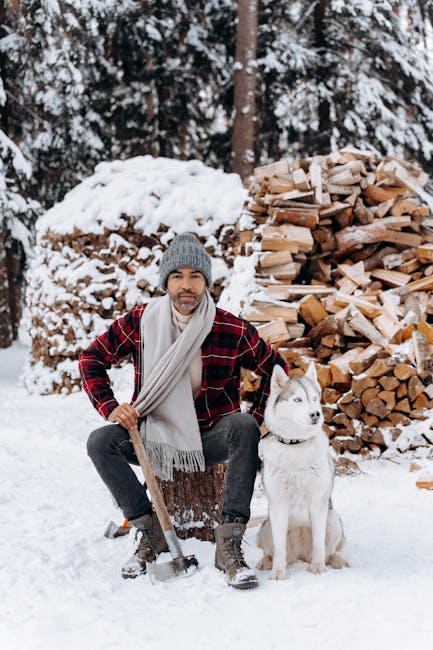
Surviving extreme cold requires proper clothing layers. Start with thermal base layers to trap body heat. Add insulating layers like fleece or down jackets for warmth. Finish with a waterproof and windproof outer shell to protect against harsh weather. Each layer plays a crucial role in maintaining body heat and ensuring comfort.
Surviving in extremely cold conditions requires more than just bravery; it demands strategic clothing layers. In freezing temperatures, what you wear can be the difference between comfort and hypothermia. Each layer plays a critical role, and understanding their purpose ensures you stay warm and safe. Let’s break down the essential clothing layers you need.
Base Layers
Your base layer is the first line of defense against the cold. It sits closest to your skin, so it must wick away moisture. Sweat can quickly cool your body, making you more susceptible to hypothermia. Consider materials like merino wool or synthetic fabrics that dry fast and keep you dry. If you've ever experienced a chill after sweating, you know how important this layer is. Imagine hiking through snow and your base layer efficiently pulls moisture away, keeping you warm. Which fabric do you trust to keep you dry and comfortable?
Insulating Layers
The insulating layer traps heat, maintaining your body warmth. This is where you want materials like fleece or down, known for their excellent insulation properties. They create air pockets that hold body heat, acting like a personal heater. Think of your last winter trip when you wore that thick, cozy sweater. That’s the insulating layer at work. It’s not just about bulk; it’s about warmth. How does your current wardrobe stack up in terms of insulation?
Outer Layers
Outer layers are your shield against the elements. They protect you from wind, rain, and snow. Look for waterproof and windproof materials that also allow your body to breathe. Picture yourself caught in a sudden snowstorm—your outer layer should keep the snow out while letting moisture escape. Have you ever had a jacket that left you wet and miserable? Choosing the right outer layer can make those memories a thing of the past. In extremely cold conditions, each clothing layer has a purpose. By choosing the right materials and ensuring they work together, you can face the cold with confidence. What’s your strategy for staying warm when the mercury drops?
Footwear
Surviving in extremely cold conditions requires more than just a sturdy shelter and a warm jacket. One of the most critical aspects is your choice of footwear. Keeping your feet warm and dry can mean the difference between a successful adventure and a dangerous experience. Imagine trekking through the snow with wet and freezing feet—it's not just uncomfortable; it's potentially life-threatening. Your choice in footwear can make or break your survival strategy. So, what should you consider when picking out your cold-weather gear?
Insulated Boots
Insulated boots are your first line of defense against the biting cold. They are designed to trap heat and keep moisture out. Look for boots with thick insulation like Thinsulate or fleece lining. These materials effectively keep warmth in and cold out.
Pay attention to the boot's exterior. Waterproof materials like Gore-Tex ensure that snow and slush don't seep in. It's not just about warmth—dry feet are crucial for comfort and health.
Consider the soles. A good grip can prevent slips on icy terrain. You want boots that will give you confidence to move without fear. Have you ever tried walking on ice with inadequate footwear? It's a nerve-wracking experience that you'll want to avoid.
Thermal Socks
Thermal socks are just as crucial as insulated boots. They provide an additional layer of warmth and comfort. Wool is a popular choice for thermal socks because it retains heat even when wet. Don't underestimate the power of a good pair of socks.
Thickness matters. Choose socks that are thick enough to provide warmth but not so bulky that they cut off circulation. The right balance can make your feet feel cozy all day.
Think about layering. Sometimes wearing two pairs of socks can be more effective than one. Have you ever doubled up on socks during a cold snap? It can be a lifesaver when temperatures plummet.
What do you prioritize when choosing your cold-weather footwear? Comfort, warmth, or maybe something else? Remember, the right footwear can transform your cold-weather experience from a struggle into an adventure.
Head And Face Protection
Surviving in extremely cold conditions demands proper gear for head and face protection. The head loses heat rapidly, making it crucial to keep it warm. Protecting your face is equally important to prevent frostbite. Below, we'll explore key items like warm hats and face masks that ensure safety and warmth.
Warm Hats
Warm hats are essential in cold weather. They trap heat, keeping your head warm. A wool or fleece hat is a great choice. These materials provide excellent insulation. Choose hats that cover your ears. This adds extra protection against biting winds. A snug fit is important. It prevents cold air from entering.
Face Masks And Balaclavas
Face masks and balaclavas shield your face from the cold. They cover the nose, mouth, and cheeks. This protection is vital in freezing temperatures. Balaclavas offer full coverage. They protect both the head and face. Select breathable materials. This prevents moisture build-up. Look for options with adjustable features. They ensure a comfortable fit.
Handwear
Surviving extreme cold requires essential gear. Handwear is crucial for protecting fingers from frostbite. Insulated gloves or mittens provide warmth and dexterity. Choose water-resistant materials to keep hands dry in snowy conditions. Prioritize quality to ensure optimal protection and comfort.
When venturing into extremely cold conditions, handwear is crucial. Your hands are often the first to feel the biting cold, and without proper protection, you risk frostbite and numbness. Choosing the right handwear is not just about comfort; it's about survival.
Gloves And Mittens
Gloves and mittens are your frontline defense against the cold. Gloves offer dexterity, allowing you to handle tools and gear with ease. However, mittens often provide superior warmth since your fingers share heat within a single compartment. Think about your activities. If you need to handle equipment, gloves may be the way to go. For those enduring bitter cold, mittens might be more suitable. In some cases, a combination of lightweight gloves under mittens provides both dexterity and warmth.
Hand Warmers
Hand warmers can be lifesavers when temperatures plummet. Small and portable, they fit easily into your gloves or mittens. They provide an instant boost of warmth when your fingers start to freeze. Consider reusable hand warmers, which can be recharged with hot water or electricity. Disposable options are also available and offer convenience. Always pack more than you think you’ll need, especially during long treks in freezing conditions. Have you ever been caught off guard by a sudden drop in temperature? Having extra hand warmers on hand can turn a potentially hazardous situation into a manageable one. They’re a simple, yet effective addition to your survival gear.
Shelter And Sleeping Gear
Surviving in extremely cold conditions requires proper shelter and sleeping gear. The right equipment ensures safety and warmth. In freezing temperatures, inadequate gear can lead to life-threatening situations. Proper shelter and sleeping arrangements are vital for maintaining body heat. They offer protection from cold winds and snow. Let's explore essential gear for cold weather conditions.
Cold Weather Tents
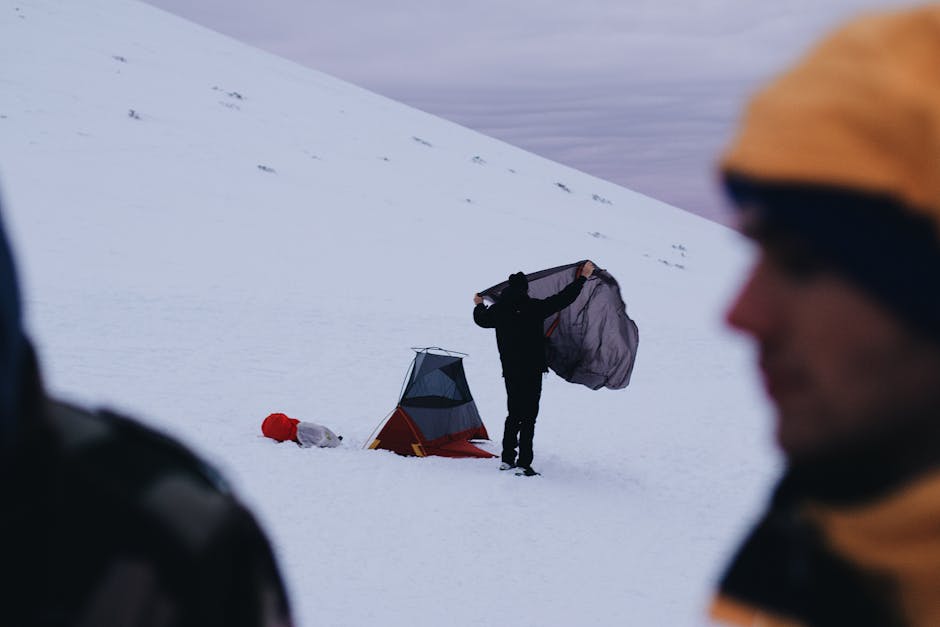
A cold weather tent is crucial for protection against harsh elements. These tents are designed to withstand heavy snow and strong winds. Their robust materials provide insulation against the cold. Look for tents with a strong frame and insulated walls. The tent should have a sturdy rainfly to block moisture. Ventilation is key to reducing condensation inside. A vestibule can store gear, keeping the main area warm.
Sleeping Bags And Pads
Invest in a sleeping bag suitable for extreme cold. Sleeping bags come with temperature ratings. Choose one rated for temperatures you'll face. A mummy-style bag offers better insulation. It hugs your body, reducing airspace. Use a sleeping pad to insulate from the cold ground. Foam pads offer excellent insulation. Inflatable pads are lightweight and compact. Together, they enhance warmth and comfort during sleep.
Fire Starting Tools
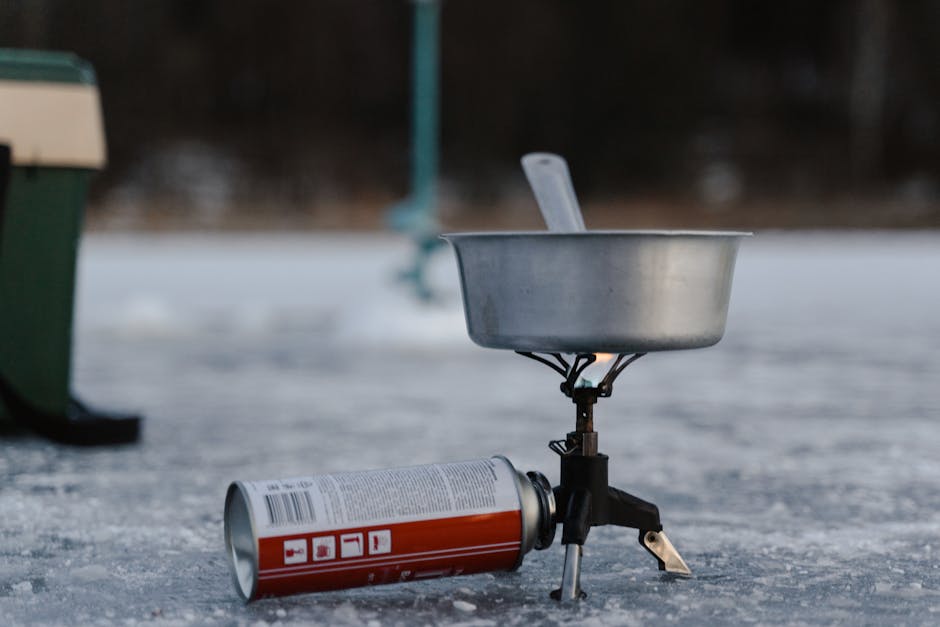
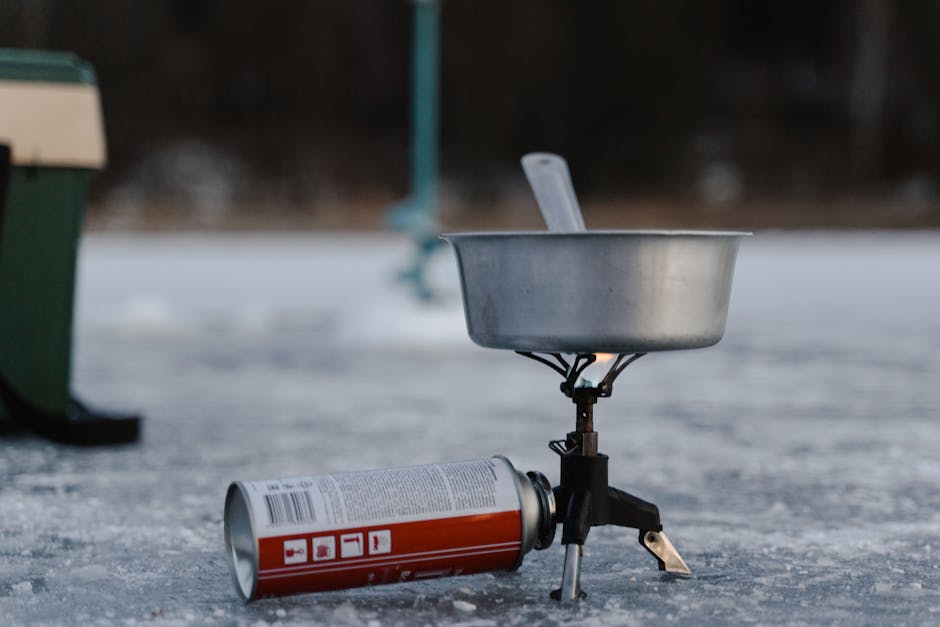
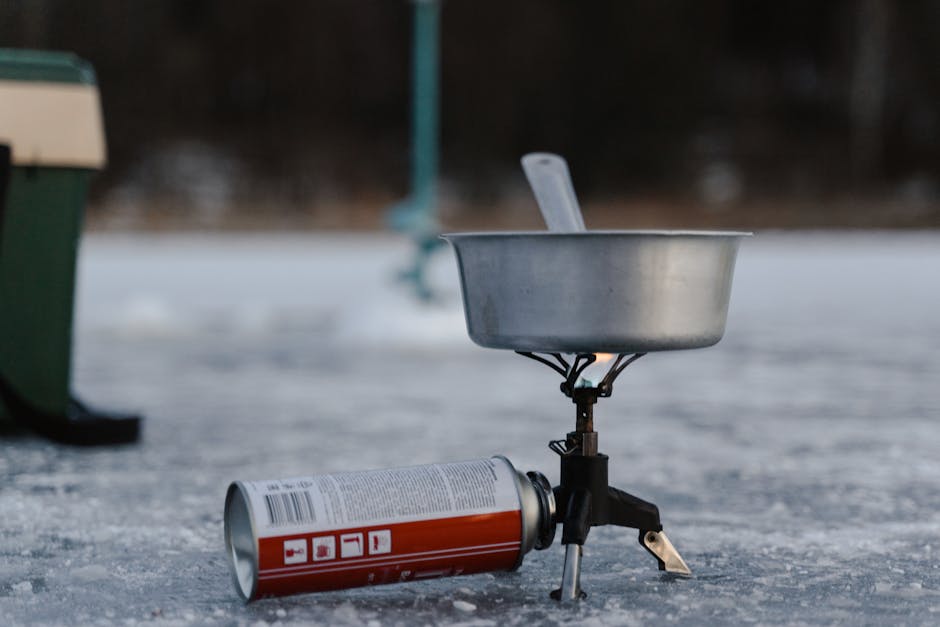
Fire starting tools are essential in extremely cold conditions for survival. These tools can quickly ignite a fire, providing warmth and a way to cook food. Carry waterproof matches, lighters, or fire starters to ensure a reliable source of heat.
Surviving in extremely cold conditions requires careful preparation, especially when it comes to starting a fire. Fire isn't just about warmth—it's about cooking food, purifying water, and providing a psychological boost when the cold seems relentless. Having the right fire-starting tools can make all the difference between comfort and hardship.
Matches And Lighters
Matches and lighters are perhaps the most straightforward tools for starting a fire. In freezing temperatures, having waterproof matches can be a lifesaver. They ignite even when wet, providing reliability in harsh weather. Lighters are also essential. Consider packing a few butane lighters as they perform better in cold weather. Keep them in a pocket close to your body to ensure the fluid remains warm enough to ignite. However, relying solely on one type of lighter might not be wise. It’s always best to have a backup plan.
Fire Starters
Fire starters, such as magnesium rods or ferrocerium rods, are invaluable in cold environments. These tools are durable and can produce sparks at high temperatures, essential for igniting even damp tinder. A personal story: on a winter hiking trip, I found myself struggling to light a fire after a sudden snowfall. My ferro rod saved the day, easily sparking the kindling I had stored in a waterproof bag. This experience taught me the importance of having a reliable fire starter in my kit. Have you thought about what you would do if your matches got wet or your lighter ran out of fuel? Preparing for such scenarios is crucial. Including a variety of fire-starting tools in your survival gear ensures you're ready for whatever nature throws your way.
Food And Water Supplies
Survival in extremely cold conditions demands careful planning. Food and water become paramount. Your body needs energy to stay warm. Water is crucial to avoid dehydration. Survival gear should prioritize these essentials. Selecting the right supplies ensures your safety. Each item plays a vital role in maintaining health.
Non-perishable Food
Non-perishable foods are ideal for cold climates. They resist spoilage. Canned soups offer warmth and nutrients. Dried fruits provide quick energy. Nuts are high in calories. Granola bars are easy to store. Instant oatmeal is simple to prepare. Powdered milk adds calcium and protein. Vacuum-sealed meals are compact. Choose items that require minimal cooking. This saves fuel and time.
Water Purification Methods
Safe drinking water is essential. Water sources might be contaminated. Carry water purification tablets. They kill bacteria and viruses. Filters remove impurities. Portable purifiers are lightweight. Boiling water is effective. It destroys harmful microorganisms. Use snow as a water source. Melt it before drinking. Avoid dehydration by carrying a reliable method. Clean water keeps you healthy and strong.
Navigation And Communication
Survival in extremely cold conditions demands reliable navigation and communication tools. Getting lost in freezing temperatures can be life-threatening. Therefore, having the right gear is essential. Navigation tools help you find your way. Communication devices ensure you can call for help. Both are critical in maintaining safety in harsh environments.
Gps Devices
GPS devices are crucial in cold weather survival. They provide accurate location information. This helps you navigate unfamiliar terrains with ease. Modern GPS units are compact and easy to use. Many models offer weather-resistant features. Some even work in sub-zero temperatures. Always ensure your GPS device is fully charged. Consider carrying extra batteries or a solar charger.
Emergency Radios
Emergency radios are vital for staying informed. They provide weather updates and emergency alerts. This information can be lifesaving in extreme cold. Some radios have hand-crank or solar charging options. These features ensure functionality without relying on batteries. Choose a model with a built-in flashlight and USB charging port. This adds versatility to your survival kit.
First Aid And Safety
Surviving extremely cold conditions requires essential gear. Thermal blankets, insulated clothing, and waterproof boots keep you warm. Hand warmers and a reliable fire starter ensure heat. A multi-tool and high-energy snacks help meet basic needs.
Surviving extremely cold conditions isn't just about staying warm. It's about ensuring your safety and health in challenging environments. First aid and safety measures are crucial components of your survival kit. They prepare you for unexpected situations and help you respond effectively. But what exactly should you pack to ensure you're well-prepared?
First Aid Kits
A well-stocked first aid kit is essential when venturing into cold environments. It should include basic items like bandages, antiseptic wipes, and pain relievers. In freezing temperatures, frostbite and hypothermia are real threats. Ensure your kit has supplies like thermal blankets and hand warmers. These items can help maintain body temperature in an emergency. Consider adding a first aid manual to your kit. This can be a lifesaver if you're unfamiliar with medical procedures. A compact, waterproof case will keep your supplies safe from the elements. Have you ever found yourself in a situation where you wished you had a first aid kit? Being prepared can make all the difference.
Emergency Whistles
An emergency whistle is a small, yet powerful tool for survival. In harsh weather conditions, your voice might not carry far enough. A whistle can signal for help when visibility is low or if you're injured. The sound can cut through strong winds and snow, reaching rescuers or nearby hikers. Choose a whistle that is durable and can withstand freezing temperatures. Attach it to your clothing or backpack for easy access. Have you ever thought about how you'd signal for help if your phone was dead? An emergency whistle could be your best bet in such situations. Your survival gear is your lifeline in extremely cold conditions. By preparing with the right first aid and safety tools, you're not just packing items—you're packing peace of mind. What's in your survival kit? Make sure it's ready for whatever the cold might throw your way.
Lighting And Visibility
Proper lighting and visibility are vital for survival in extremely cold conditions. Gear like headlamps and reflective clothing ensure safety by providing clear vision and visibility during snowy and dark environments.
When venturing into extremely cold conditions, ensuring proper lighting and visibility is crucial for your safety. Imagine trying to navigate through a snowstorm at night without a reliable source of light. Darkness can easily disorient you, and poor visibility increases the risk of losing your way or encountering unseen hazards.
Flashlights And Headlamps
Having a dependable flashlight or headlamp is non-negotiable in freezing environments. Headlamps are particularly useful as they free up your hands for other tasks, like adjusting your gear or holding a map. Choose devices that have long battery life and are built to withstand cold temperatures. LED flashlights are great because they consume less power and offer brighter light. Remember to carry extra batteries, as cold weather can drain them faster. A personal experience taught me this the hard way when my flashlight dimmed unexpectedly during a winter hike. It's a lesson you don't want to learn in the dark.
Reflective Gear
Reflective gear isn't just for athletes; it's a lifesaver in snowy conditions. Consider adding reflective tape to your backpack or jacket. This simple step can help rescuers or fellow adventurers spot you more easily in low visibility conditions. Many jackets and backpacks come with built-in reflective strips. These can make a significant difference when you're trying to be seen by others. Ask yourself, how visible are you in your current gear? Using reflective gear is a small investment in your safety that pays off massively in emergencies. Don't underestimate the importance of making yourself visible. It's one of the easiest ways to increase your safety margin in the wilderness.
Frequently Asked Questions
What Are Essential Survival Gear For Cold Weather?
Essential survival gear includes insulated clothing, waterproof boots, thermal blankets, and a reliable fire starter. A high-quality sleeping bag and portable shelter are crucial. Hand warmers and a multi-tool can be lifesavers. Always pack a first aid kit and enough non-perishable food and water to sustain you.
How To Choose The Best Insulated Clothing?
Choose insulated clothing made from high-quality materials like down or synthetic fibers. Layering is key for flexibility in changing conditions. Ensure the outer layer is waterproof and windproof. Look for breathable fabrics to prevent moisture buildup. Proper insulation ensures warmth without excessive bulk, enhancing mobility.
Why Is A Reliable Fire Starter Important?
A reliable fire starter is crucial for warmth, cooking, and signaling for help. In extreme cold, hypothermia is a risk. Fire provides essential heat and comfort. Options include waterproof matches, lighters, and magnesium fire starters. Always carry backup methods to ensure you can start a fire in any condition.
What Is The Role Of Thermal Blankets?
Thermal blankets retain body heat and prevent hypothermia. They're compact, lightweight, and easy to carry. These blankets reflect up to 90% of body heat. They're crucial in emergencies when regular blankets aren't available. Always include thermal blankets in your survival gear for extreme cold conditions.
Conclusion
Survival in extreme cold demands the right gear. Warm clothing is vital. Layer up for warmth. Insulated boots protect feet from frostbite. Hand and foot warmers help in harsh weather. A reliable sleeping bag ensures restful nights. Waterproof gear guards against snow and ice.
Food supplies maintain energy levels. A sturdy shelter offers protection. Emergency kits are essential for safety. Prioritize essentials to combat cold effectively. Choose wisely for survival success. Always prepare for the unexpected. Cold conditions can be dangerous. Proper gear makes a difference.
Stay warm and safe. Your life could depend on it.