Imagine stepping outside into a world where the air bites at your skin and the landscape is painted white with snow and ice. You might shiver at the thought, but it’s fascinating to consider how your body would respond in such extreme conditions.
How long could you endure the cold before it becomes dangerous? This question is not just about survival; it’s about understanding your body’s limits and the incredible ways it tries to protect you. By diving into this topic, you’ll discover essential tips and insights that could be crucial if you ever find yourself facing nature’s icy grip.
Keep reading to learn how cold weather challenges your body and what steps you can take to stay safe when temperatures plunge.
Human Body's Response To Cold
Cold weather triggers the body's survival mechanisms. Shivering generates heat, while blood vessels constrict to conserve warmth. Survival duration varies based on clothing, health, and exposure intensity.
The human body is an incredible machine, designed to adapt and respond to various environmental conditions, including cold weather. When temperatures drop, your body initiates several physiological responses to maintain its core temperature and protect vital organs. Understanding these responses not only helps you prepare for cold weather but also sheds light on the body's amazing capabilities.
Shivering And Thermoregulation
When you step into a cold environment, your body immediately kicks into action to preserve warmth. Shivering is one of the first signs. It's not just an annoying tremor; it's your body's way of generating heat. Muscle contractions from shivering can produce significant warmth, helping to raise your body temperature. Thermoregulation is the process by which your body maintains its internal temperature. The hypothalamus, located in your brain, acts like a thermostat. It triggers shivering and other responses when it detects a drop in body temperature. Have you ever noticed how your teeth chatter in the cold? That's thermoregulation at work, turning up the heat when needed.
Cold-induced Vasoconstriction
Another fascinating response is cold-induced vasoconstriction. This is when your blood vessels narrow to reduce blood flow to the skin. The goal is to minimize heat loss and keep your core warm. You might notice your fingers and toes getting colder first; this is because your body prioritizes warming vital organs over extremities. Have you ever wondered why your skin turns pale in the cold? That's vasoconstriction in action. It reduces blood flow to the surface, keeping more blood—and heat—around your vital organs. But be cautious, as prolonged exposure can lead to frostbite, where tissues actually freeze. So, how do you balance staying warm without risking frostbite? Layering clothing and taking breaks in a warm environment can help you manage exposure effectively. Understanding these responses encourages you to be proactive about safety in cold weather. How do you prepare when temperatures plummet? Knowing your body's signals can make all the difference in staying safe and warm.
Factors Affecting Cold Survival
Surviving in cold weather depends on many factors. These elements determine how long a human can withstand frigid conditions. Some key factors include age, health, clothing, shelter, and exposure duration.
Age And Health Conditions
Age plays a crucial role in cold survival. Young children and elderly adults are at higher risk. Their bodies struggle to maintain heat. Health conditions also affect survival. Heart problems, diabetes, and poor circulation increase vulnerability. A healthy person can endure cold longer than someone with health issues.
Clothing And Shelter
Proper clothing is essential for cold weather survival. Layers of warm clothes trap body heat. Wool, fleece, and thermal materials work best. Wet clothes lose heat quickly. Shelter provides protection from wind and snow. A sturdy, insulated shelter helps maintain warmth. Inadequate clothing and shelter lead to faster heat loss.
Exposure Duration
Time spent in cold weather impacts survival chances. Short exposure is less dangerous. Longer exposure increases the risk of hypothermia. Hypothermia occurs when body temperature drops too low. It can be life-threatening. Understanding exposure duration helps in planning safe outdoor activities.
Hypothermia: The Critical Threat
Survival in extreme cold depends on various factors. Clothing, body fat, and physical condition play crucial roles. Hypothermia can occur within minutes, posing a severe threat. Understanding how the body reacts to cold is vital for safety.
Surviving in cold weather is a test of endurance and mental fortitude. One of the most critical threats you face in freezing temperatures is hypothermia. This condition sneaks up on you when your body loses heat faster than it can produce it. The risk is real, whether you're hiking in snowy mountains or simply caught in an unexpected cold snap. Understanding hypothermia can mean the difference between life and death.
Symptoms Of Hypothermia
Recognizing the symptoms of hypothermia early is crucial. The initial signs might be subtle, such as shivering and feeling extremely cold. As it progresses, you might feel confused, clumsy, or even tired. I once felt an overwhelming urge to sleep while hiking in cold weather—a classic sign of hypothermia setting in. Take immediate action if you notice these signs. Wrap yourself in warm clothing or seek shelter to raise your body temperature. Your ability to think clearly can deteriorate quickly, so don't wait.
Stages Of Hypothermia
Hypothermia progresses through several stages, each more dangerous than the last. In the initial stage, your body will shiver to generate heat. As your temperature drops further, shivering stops, and confusion sets in. You might not even realize how cold you are. In the severe stage, your body temperature falls below 82°F (28°C). At this point, consciousness fades, and your organs begin to fail. Knowing these stages helps you act swiftly and prevent a dire situation. Have you ever wondered how quickly hypothermia can develop? In extremely cold conditions, it can happen within minutes. Always be prepared with extra layers and emergency supplies when venturing into cold environments. Could your next winter adventure turn into a survival challenge? Understanding hypothermia is your first defense against the cold. Stay informed, stay prepared, and stay alive.
Frostbite And Its Consequences
Cold weather poses serious risks to human health. One of the most dangerous conditions is frostbite. It occurs when skin and tissue freeze due to cold exposure. The consequences can be severe and lasting. Understanding frostbite and its effects is crucial for survival in cold environments.
Signs Of Frostbite
Early signs include cold skin and a prickling feeling. Numbness follows, along with skin turning red, white, or bluish-gray. Blisters may appear in severe cases. If untreated, frostbite can lead to permanent damage. Recognizing these signs early helps prevent serious injury.
Long-term Effects
Frostbite can have lasting consequences. Damaged tissue might not heal properly. In severe cases, amputation might be necessary. Chronic pain and nerve damage can persist. Some people experience increased sensitivity to cold. Awareness and prompt care are essential to minimize these risks.
Historical Cases Of Cold Survival
Survival in extreme cold depends on many factors like clothing, wind chill, and body condition. Historical cases show people enduring freezing temperatures for hours or even days. Proper preparation and understanding of cold weather risks can significantly increase survival chances.
Surviving in cold weather has always fascinated people. Throughout history, there are numerous tales of individuals who defied the odds and survived in freezing conditions. These stories not only showcase human resilience but also offer lessons on endurance and survival strategies. As you read on, consider how you might fare in a similar situation. What would you do to stay alive in such extreme conditions?
Remarkable Survival Stories
One famous case is that of Ernest Shackleton and his crew during the Imperial Trans-Antarctic Expedition of 1914-1917. After their ship, the Endurance, was trapped and crushed by ice, Shackleton led his men through brutal conditions on the Antarctic ice. They survived for months on limited supplies, displaying incredible resourcefulness and teamwork. Another notable story is that of the Andes flight disaster in 1972. After a plane crashed in the Andes mountains, survivors endured freezing temperatures for 72 days. Their ordeal included hiking for help and making unimaginable choices to stay alive. Their story is a testament to human willpower and adaptability.
Lessons Learned
These historical cases teach us crucial survival lessons. First, the importance of preparation and having the right gear cannot be overstated. Shackleton's team had supplies and clothing suited for the cold, which played a key role in their survival. Staying calm under pressure is vital. Panic can lead to poor decisions. Survivors of the Andes crash maintained their composure, allowing them to make rational choices that saved lives. Teamwork and communication often make the difference between life and death. In both stories, individuals worked together, pooling resources and supporting each other. Would you be able to collaborate effectively in a crisis? Consider what you might learn from these historical survivors. Could their strategies help you prepare for unexpected challenges?
Survival Techniques In Cold Weather
Survival in cold weather depends on factors like clothing, shelter, and body condition. A human might last a few hours in extreme cold without proper protection. Staying dry and layered helps retain body heat.
Surviving in cold weather is a test of resilience and adaptability. It's about knowing how to use your environment to your advantage and having the right techniques at your fingertips. Whether you're caught in an unexpected snowstorm or planning a winter adventure, understanding these survival techniques could be the key to staying safe and sound in the cold.
Building Shelters
Creating a shelter is one of the first things you should consider. A well-built shelter can shield you from harsh winds and insulate you from the biting cold. You can use materials around you, like branches and leaves, to construct a lean-to or a snow cave. Think about the time I spent a night in the woods with just a tarp. By securing it between two trees, I created a windbreak and a dry space to rest. Could you do the same if you needed to?
Fire Starting Methods
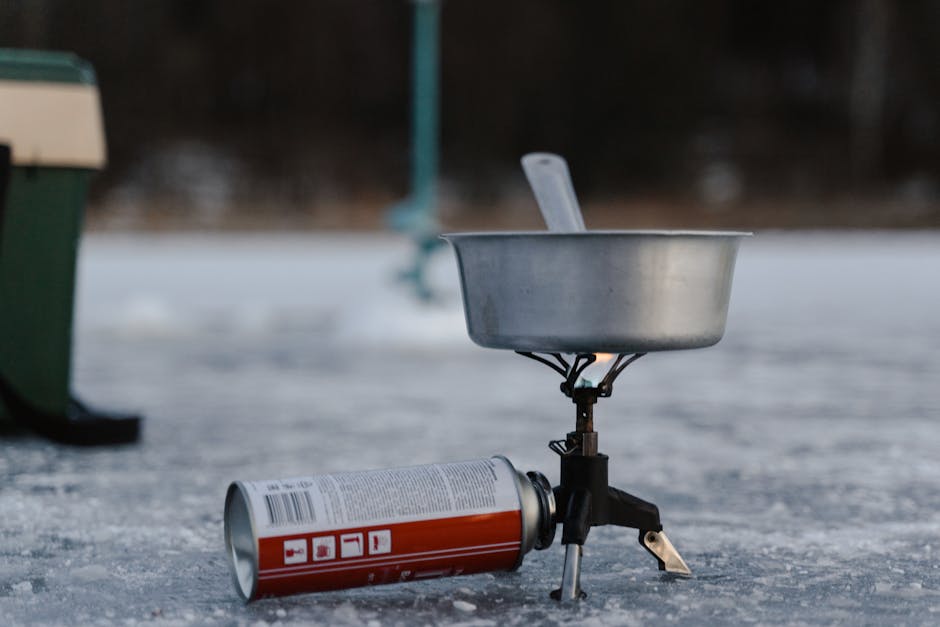
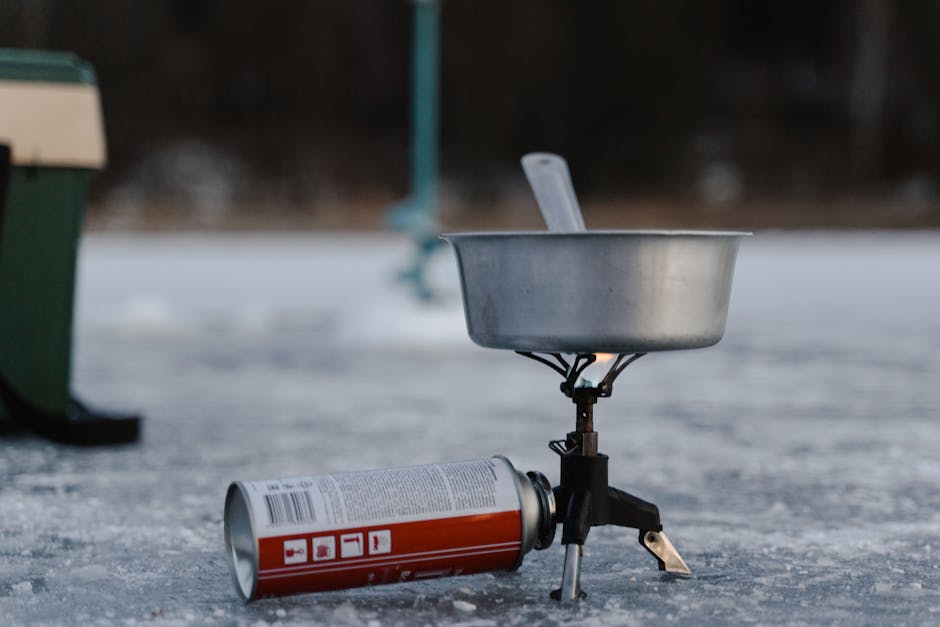
Fire is a vital element for warmth and cooking. Knowing how to start a fire with limited resources can be a lifesaver. Matches and lighters are ideal, but you should also know how to use flint and steel or even a magnifying glass if the sun is out. Once, during a camping trip, my lighter failed. I had to rely on my flint and steel to spark a fire. It took patience and persistence. Would you be prepared if your lighter ran out?
Nutrition And Hydration
Keeping your energy up is crucial in cold weather survival. High-calorie foods like nuts, chocolate, and dried fruits are excellent for quick energy. Staying hydrated is equally important, even if you don't feel thirsty in the cold. Melt snow and boil it to drink safely, but remember, it takes a lot of snow to make a little water. When I first melted snow for water, I was shocked at how much snow it took. Are you ready to keep your body fueled and hydrated in the cold? Surviving in cold weather demands preparation and knowledge. The right techniques can make all the difference when facing nature's harshest conditions. Are you prepared to tackle the cold head-on with these strategies?
Modern Technology And Cold Survival
Surviving extreme cold depends on how well we adapt. Modern technology plays a crucial role. It provides tools and clothing to withstand icy conditions. These advancements enhance our chances of survival.
Insulated Clothing Innovations
Insulated clothing is vital for cold survival. Advanced fabrics trap body heat effectively. They keep the wearer warm in freezing temperatures. Many garments use synthetic materials. These materials repel moisture and add warmth. Layering is also crucial. It creates pockets of warm air between layers. This approach boosts insulation and comfort.
Some clothing items have built-in heating elements. Battery-powered heat pads provide extra warmth. They are perfect for extreme cold situations. These innovations make outdoor activities safer. They allow longer exposure to cold without risking health. They are lightweight, allowing easy movement. Staying warm has never been more convenient.
Emergency Devices
Emergency devices are lifesavers in cold conditions. Personal locator beacons are essential. They send distress signals to rescuers. This technology saves lives by reducing response time. GPS devices are equally important. They help navigate unfamiliar snowy terrains. Staying on track prevents getting lost in the cold.
Portable shelters offer quick protection. They are compact and easy to set up. These shelters provide immediate relief from harsh winds. Thermal blankets are another key item. They reflect body heat back to the wearer. These are small yet powerful survival tools. They are must-haves in any cold weather kit.
Preparing For Cold Weather Emergencies
Survival in cold weather depends on various factors. Clothing, shelter, and body heat are essential. Prolonged exposure without protection can lead to hypothermia, a life-threatening condition. Staying informed and prepared increases survival chances significantly.
Preparing for cold weather emergencies can mean the difference between life and death. Whether you're a seasoned adventurer or someone who enjoys the cozy indoors, understanding how to handle unexpected cold weather situations is crucial. Are you ready to ensure your safety when temperatures drop?
Emergency Kits
Crafting a reliable emergency kit is your first step to preparedness. Start with essentials like a thermal blanket, hand warmers, and a first aid kit. These simple items can provide warmth and safety when conditions turn harsh. Don't forget non-perishable food items like energy bars and canned goods. Water is vital too, so include a few bottles. Consider adding a flashlight with extra batteries, as power outages are common in severe weather. Lastly, think about specific personal needs. If you have medication, pack extra supplies. Small comforts like a book or deck of cards can help pass the time if you're stuck waiting for help.
Communication Strategies
Staying connected in an emergency is essential. Make sure your phone is fully charged before you head out. Portable chargers are lifesavers when power is scarce. Establish a communication plan with family or friends. Decide on a check-in schedule and stick to it. This keeps everyone informed and eases worry. Consider alternative communication devices like a radio or a satellite phone. These can be invaluable if cell service is unreliable. Remember, staying informed is key to making smart decisions in cold weather emergencies. Are you prepared for unexpected winter challenges? Simple steps can make a big difference. Equip yourself with the right tools and strategies to face the cold confidently.
Frequently Asked Questions
How Long Can A Person Survive In Freezing Temperatures?
A person can survive in freezing temperatures for a few hours if properly clothed. Without proper clothing, hypothermia can set in quickly. Wind chill and wet conditions decrease survival time significantly. Always wear layers and stay dry to extend survival in cold weather.
What Factors Affect Cold Weather Survival?
Survival in cold weather depends on clothing, shelter, and physical condition. Proper insulation and wind protection are crucial. Wet conditions increase risk, while physical health impacts resilience. Staying active generates heat, but exhaustion can be dangerous. Always prioritize staying dry and monitoring body temperature.
How Does Hypothermia Occur In Cold Weather?
Hypothermia occurs when body temperature falls below 95°F (35°C). It happens quickly in cold, wet, or windy conditions. Symptoms include shivering, confusion, and fatigue. Immediate treatment is crucial. Warming up gradually and seeking medical help are essential for recovery and survival in freezing temperatures.
Can You Survive Cold Weather Without Gear?
Survival without gear is challenging and risky. Improvisation with natural materials can provide some protection. Creating shelter and insulation from snow or leaves helps. However, without proper clothing and shelter, survival time is limited. It's essential to prepare adequately before venturing into cold environments.
Conclusion
Surviving cold weather requires preparation. Dress warmly in layers. Stay dry to prevent hypothermia. Keep moving to generate body heat. Know your limits. Frostbite can happen quickly. Always tell someone your plans. Carry emergency gear in extreme conditions. Listen to your body.
Shivering means you need warmth. Cold can be dangerous, but being cautious helps. Protect yourself from the wind. Plan ahead. Research the weather conditions. Use common sense in harsh climates. Being prepared makes a big difference. Respect the cold. Stay safe and enjoy the beauty of winter.