How to Create a Healthy Survival Kit?
Imagine being in a situation where you need to rely on your own resources to get through a crisis. Whether it's a natural disaster, a sudden emergency, or an unexpected event, the key to survival is preparation.
This is where your healthy survival kit comes into play. You might be wondering how to create one that truly meets your needs. The answer is simpler than you think, and building it can give you peace of mind. You want to ensure that your kit is not only effective but also tailored to your well-being.
This means thinking beyond canned food and bottled water. You deserve a kit packed with essentials that support your health and resilience. Curious about how to achieve this? Read on to discover practical tips and expert advice that will empower you to assemble a survival kit that prioritizes your health and safety. Your future self will thank you for it.
Choosing The Right Container
A sturdy container keeps survival items safe and organized. Choose waterproof and durable materials. Ensure it’s easy to carry and accessible during emergencies.
Choosing the right container for your survival kit is more crucial than you might think. A well-chosen container can mean the difference between easy access to life-saving supplies and a chaotic mess. It's not just about picking any box or bag; it's about selecting one that suits your specific needs and environment. So, how do you make the right choice? Let's dive into some key considerations.
Size And Durability
The size of your container should match the volume of supplies you plan to carry. If you're preparing for a short-term emergency, a smaller container will do. But for longer situations, ensure your container can accommodate all essentials without cramming. Durability is equally important. Your container needs to withstand the elements and physical stress. Imagine trekking through rough terrain, only to find your container has cracked open. Opt for materials like heavy-duty plastic or metal, which offer both toughness and longevity.
Waterproof Options
Waterproofing is essential. During emergencies, you might face rain, floods, or spills. A non-waterproof container could soak your supplies, rendering them useless. Look for options with tight seals and water-resistant materials. Some containers come with built-in waterproof features, while others might require additional waterproof liners or covers. Consider your environment and choose accordingly. A waterproof bag can keep your kit safe even if you need to wade through a stream or get caught in a downpour. Choosing the right container involves more than just aesthetics. It's about making practical decisions that could impact your survival. How will your container perform in the worst conditions? This question can guide you to make an informed choice.
Basic Survival Tools
Crafting a survival kit ensures safety and preparedness. Pack essentials like a first-aid kit, flashlight, water purifier, and multi-tool. Include non-perishable food and extra clothing.
Creating a healthy survival kit is essential for anyone who wants to be prepared for emergencies, whether you're an avid hiker or just someone who likes to be ready for the unexpected. Among the essentials, basic survival tools play a crucial role in ensuring you have what you need to tackle various challenges. These tools can mean the difference between comfort and struggle, and sometimes even between life and death.
Multi-purpose Knife
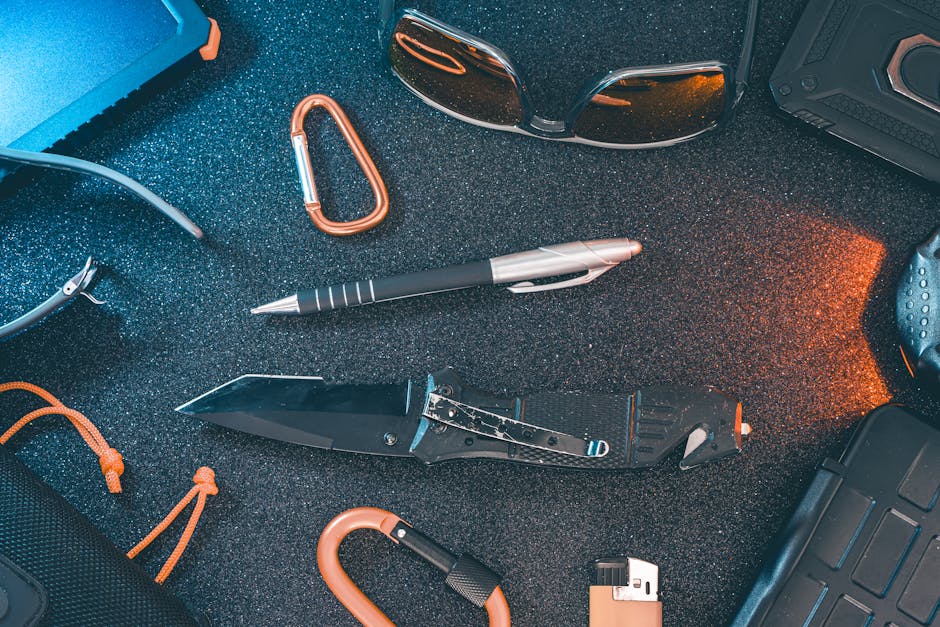
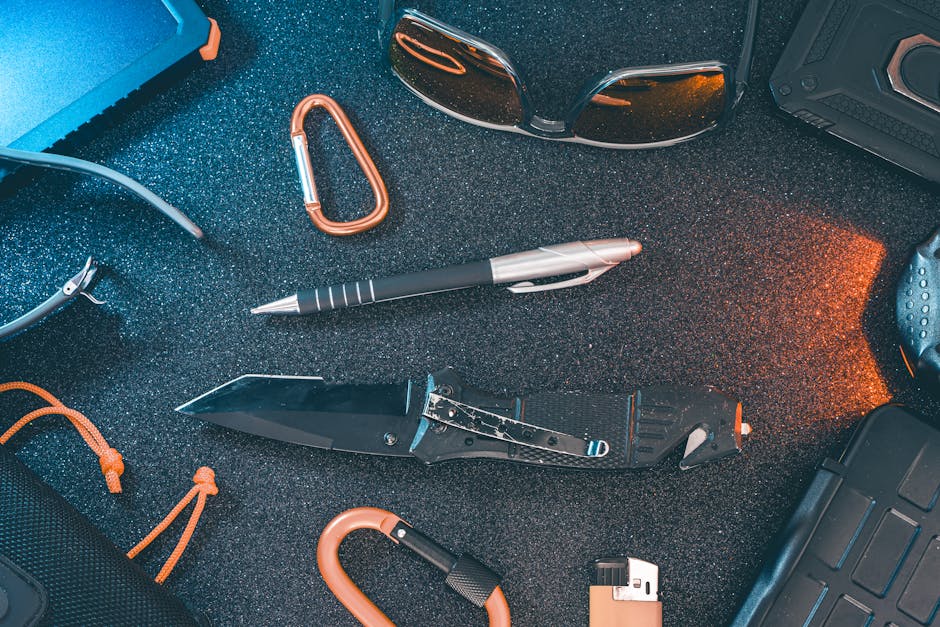
One of the most indispensable tools in your survival kit is a multi-purpose knife. Imagine you're out in the wilderness, and you need to cut through tough branches to build a shelter. A good knife can make this task much more manageable. Choose a knife with multiple functions like a blade, saw, and screwdriver. This versatility makes it useful in numerous situations, from food preparation to gear repair. Consider the weight and size. You want a knife that's sturdy but not too heavy to carry. Remember, every ounce counts when you're trekking long distances.
Fire Starter Kit
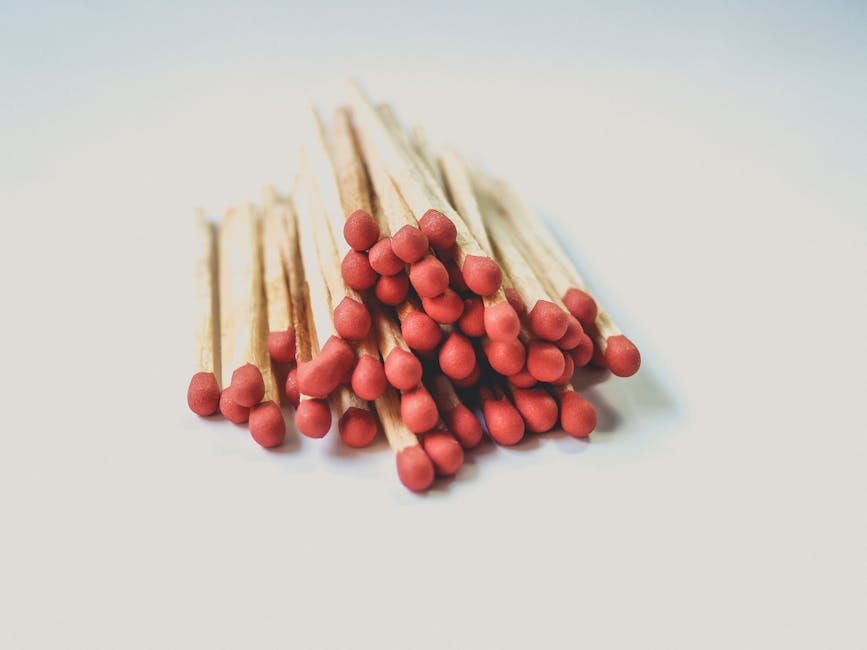
Being able to start a fire is vital for warmth, cooking, and even signaling for help. A reliable fire starter kit is your best friend in the wild. Carry waterproof matches, a lighter, and a magnesium flint stick. These options give you flexibility depending on weather conditions and available resources. Personal tip: Test your fire starter at home before heading out. Knowing how to use it effectively can save you valuable time when you need it most. Think about where you're going. Will you find dry wood easily, or should you pack some along? Your fire starter kit should adapt to your location's conditions. When you find yourself in challenging situations, ask yourself: Are you equipped to handle it? The tools you choose could be your lifeline.
First Aid Essentials
Crafting a healthy survival kit means including first aid essentials like bandages, antiseptic wipes, and pain relievers. Ensure your kit is compact, easy to carry, and well-organized. Regularly check items for expiration dates and replace them as needed for safety.
When you're preparing a survival kit, ensuring you have the right first aid essentials is crucial. Whether you're facing a natural disaster or a simple camping trip mishap, having the right medical supplies can make all the difference. But what exactly should you include to ensure you're ready for any situation?
Basic Medical Supplies
Start with a simple first aid kit that includes adhesive bandages, antiseptic wipes, and gauze pads. These items can treat minor cuts and scrapes effectively. Don't underestimate the power of a good adhesive bandage—a small cut can turn into a big problem without proper care. Add pain relievers like ibuprofen or aspirin to help manage pain or reduce fever. Tweezers and scissors are essential for removing splinters or cutting bandages to size. Consider a digital thermometer to monitor potential fevers accurately.
Emergency Instructions
Having a first aid manual or a set of emergency instructions is invaluable. This guide can help you navigate unfamiliar medical situations confidently. Imagine being in a scenario where you're the only one available to help. Would you know how to respond? Print out instructions for CPR, treating burns, and managing sprains, and keep them in a waterproof bag. Make sure everyone in your household knows where these instructions are stored. Remember, in an emergency, a quick refresher can save lives. Have you ever been in a situation where you needed medical attention and didn't know what to do? Equip yourself and your family with the knowledge and tools to handle unexpected injuries. Your future self will thank you.
Nutrition And Hydration
A healthy survival kit should include balanced nutrition and proper hydration essentials. Pack nutrient-rich foods like nuts and dried fruits. Include water purification tablets and lightweight water bottles.
Creating a healthy survival kit is crucial for ensuring your well-being during emergencies. Nutrition and hydration are the backbone of any good survival plan. Without proper food and water, survival becomes challenging. Imagine being stuck without food or clean water. It's not a scenario anyone wants to face. That's why you must be prepared with the right supplies to keep your body nourished and hydrated. How can you make sure your kit is up to the task? Let’s dive into the essentials.
Non-perishable Foods
Non-perishable foods are the heroes of survival kits. They last long and don't require refrigeration, making them ideal for emergencies. Stock up on canned goods, dried fruits, and nuts. Consider adding granola bars, as they are a quick energy boost. You might not know this, but peanut butter is a powerhouse food that provides protein and healthy fats. Have you ever thought about including freeze-dried meals? They are lightweight, nutritious, and only need water to prepare. When planning your kit, think about what you enjoy eating and what will keep you satisfied during tough times.
Water Purification Methods
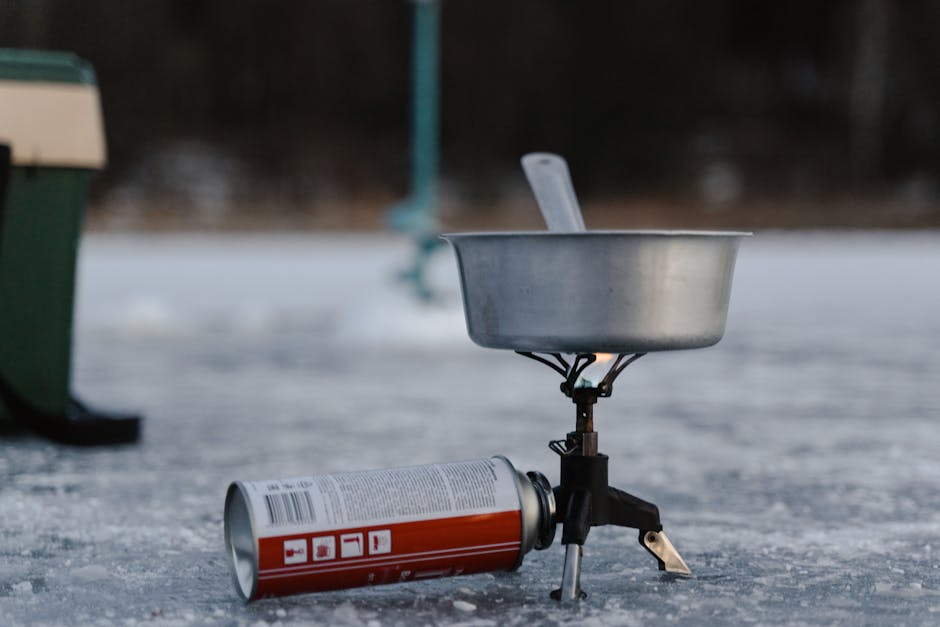
Clean water is a non-negotiable part of survival. You can't rely on bottled water alone. You need methods to purify water to ensure it's safe to drink. One effective method is using water purification tablets. They are small, easy to carry, and make water safe quickly. Another option is a portable water filter. Have you ever used one? They can remove harmful bacteria and viruses. It's smart to have multiple purification methods as backup. Boiling water is also a simple yet effective way to kill pathogens. But always remember, finding a heat source might be challenging. What would you do if your purification method fails? Having more than one ensures you're covered. Creating a survival kit that caters to your nutritional and hydration needs is essential. You've got the knowledge now; it's time to act. What will you include in your kit?
Clothing And Shelter
In a survival situation, clothing and shelter are crucial for safety. They protect against harsh weather and provide comfort. Choosing the right gear can make a big difference. It's essential to pack wisely for unexpected situations. Let's explore what you need for clothing and shelter.
Weather-appropriate Gear
Choose clothing that suits different weather conditions. Layers work best for changing temperatures. Start with a moisture-wicking base layer. It keeps sweat off your skin. Add an insulating layer for warmth. A fleece or wool sweater is a good choice. Finish with a waterproof outer layer. This protects you from rain and wind. Don't forget a hat, gloves, and thick socks. These protect extremities from cold.
Compact Shelter Solutions
Compact shelters are essential for survival. They provide protection and rest. A lightweight tent is a great option. It offers quick setup and good coverage. Consider a tarp as a versatile alternative. It can serve as a roof or ground cover. Emergency bivvy bags are also useful. They are compact and trap body heat. These options ensure safety without heavy baggage.
Communication And Navigation
Creating a healthy survival kit is crucial for safety in emergencies. Communication and navigation tools are key components. They help maintain contact and find directions. These tools ensure you stay informed and avoid getting lost.
Emergency Radio
An emergency radio is a must-have in your survival kit. It keeps you updated on weather alerts and news. Choose a radio with multiple power sources. Battery, solar, and hand crank options are ideal. This ensures you have power in any situation. A built-in flashlight is a useful bonus feature.
Maps And Compass
Maps and a compass help you navigate when technology fails. Digital devices may not work in remote areas. A physical map of your region is essential. Learn to read it before an emergency occurs. Pair it with a quality compass for accurate direction. Practice using them together to build confidence. They provide a reliable backup if GPS signals are lost.
Personal Safety Items
Crafting a healthy survival kit involves selecting essential personal safety items. Include first-aid supplies, water purification tools, and sturdy flashlights. Ensure each item is easy to use and reliable in emergencies.
When creating a healthy survival kit, personal safety items are crucial. They ensure you are prepared for unexpected situations. Safety should never be compromised, especially when you are in unfamiliar surroundings. Your kit should be equipped with essential tools that enhance your security and well-being. Let's explore some key items you should consider.
Self-defense Tools
Self-defense tools can be lifesavers in threatening situations. Consider adding a compact pepper spray. It's easy to carry and can deter an attacker quickly. Another effective tool is a personal alarm. A loud noise can draw attention and scare off potential threats. Have you thought about a tactical pen? It's not just for writing. With a strong build, it can be used to defend yourself effectively.
Protective Gear
Protective gear ensures your safety during unforeseen events. A sturdy pair of gloves can protect your hands during rough tasks or emergencies. Consider a lightweight, reflective vest. It ensures visibility, especially in low-light situations, reducing the risk of accidents. Do you have a dust mask in your kit? It can be vital during fires or dust storms, safeguarding your respiratory health. Creating a survival kit with these personal safety items can give you peace of mind. It's about being prepared and protected, wherever you are. What items will you add to your kit?
Maintaining Your Survival Kit
Crafting a healthy survival kit involves selecting fresh food, clean water, and essential medical supplies. Regularly check and replace expired items. Keep tools and personal items handy for emergencies.
Maintaining your survival kit is just as important as putting it together. You’ve invested time and resources into creating this essential collection of items. Ensuring it remains ready-to-use can make all the difference in an emergency. Do you remember the last time you checked your kit? If not, it might be time for a routine check-up. Let’s dive into some practical tips for keeping your survival kit in top shape.
Regular Updates
Regular updates are crucial for keeping your survival kit effective. Items like batteries, medications, and food have expiry dates. Set a reminder to check these every six months. Replace any expired or damaged items to ensure everything is functional when needed. Consider seasonal changes as well. Swap out clothing or supplies that might be more appropriate for different weather conditions. For instance, add sunscreen in summer and extra blankets for winter months. This small step can significantly enhance your kit’s usefulness.
Storage Tips
Where you store your survival kit can impact its longevity and effectiveness. Choose a cool, dry place to prevent damage from humidity or extreme temperatures. A sturdy, waterproof container can protect your supplies from potential water damage. Keep your kit easily accessible. In an emergency, you don’t want to waste time searching for it. Consider placing it near an exit or in a designated spot known to all household members. This ensures everyone can quickly find and use the kit when necessary. Maintaining your survival kit doesn’t have to be a daunting task. With a few simple steps, you can ensure it’s always ready when you need it. What steps will you take today to keep your kit in top condition?
Frequently Asked Questions
What Essentials Should Be In A Survival Kit?
A survival kit should include water, non-perishable food, a flashlight, batteries, a first aid kit, and a whistle. You might also want to include a multi-tool, matches, or a lighter. Consider personal needs like medications or important documents. Remember to pack for your specific environment and potential emergencies.
How Often Should I Update My Survival Kit?
Update your survival kit every six months to ensure items are in good condition. Check expiration dates on food and medications. Replace batteries and refresh water supplies regularly. Consider any changes in your personal needs or environment. Regular updates ensure your kit remains effective in an emergency.
Can I Customize My Survival Kit?
Yes, you can customize your survival kit to suit your needs. Consider family size, specific health needs, and local risks. Include personal items like medications, documents, and comfort items. Tailor the contents based on your location and climate. Customizing ensures your kit is practical and effective for your unique situation.
Why Is A Survival Kit Important?
A survival kit is essential for emergency preparedness. It provides necessary supplies during disasters, ensuring safety and comfort. Having a kit ready can minimize stress and aid in quicker recovery. It's crucial for unexpected situations, helping you manage until help arrives.
Being prepared can make all the difference in emergencies.
Conclusion
Creating a healthy survival kit is simple and essential. Gather nutritious snacks, water, and basic medical supplies. Remember to include a flashlight and batteries. Add personal items like medications and hygiene products. Tailor the kit to your specific needs. Regularly check and update your supplies.
A well-prepared kit offers peace of mind. It ensures you're ready for emergencies. Planning ahead can make a big difference. Stay safe and be prepared. Your future self will thank you.