What Should Be Included in an Earthquake Survival Kit?
Imagine the ground beneath you shaking unexpectedly. Your heart races as you scramble to find safety.
In such moments, having a well-prepared earthquake survival kit can make all the difference. But what exactly should you include in this life-saving kit? You might already have a few essentials in mind, but there's more to consider. This guide is crafted to help you build a kit that not only meets basic needs but also offers peace of mind.
Let's ensure you and your loved ones are ready for anything. Dive in and discover the must-have items that could be crucial when every second counts.
Basic Necessities
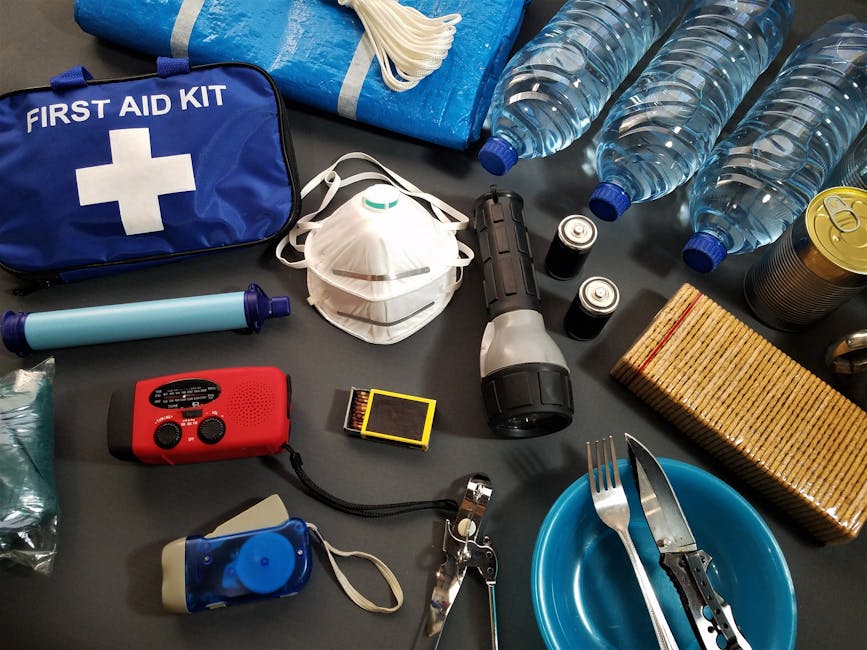
An earthquake survival kit should include water, non-perishable food, a flashlight, and a first aid kit. Pack essential items like a whistle, batteries, and sturdy shoes. Keep copies of important documents and a multi-tool handy for emergencies.
When preparing for an earthquake, having a well-stocked survival kit can make all the difference. The key is to focus on basic necessities that ensure your safety and well-being during and after a disaster. This section highlights the crucial elements you should consider for your earthquake survival kit, starting with water and food supplies.
Water Supply
Water is essential for survival, especially during emergencies. Experts recommend storing at least one gallon of water per person per day for a minimum of three days. Think about it: if an earthquake disrupts water lines, would you have enough to drink and use for basic hygiene? Consider using sturdy, sealed containers to prevent contamination. You might want to add water purification tablets or a portable filter for added security. This ensures that you have access to clean drinking water even if your initial supply runs out.
Non-perishable Food
Food provides the energy needed to stay alert and active in crisis situations. Choose non-perishable items that are easy to prepare and have a long shelf life. Canned goods, dried fruits, and energy bars are excellent choices. Imagine having a comforting meal during a stressful time. It’s not just about nutrition; it’s about maintaining morale. Make sure you have a manual can opener handy, along with any necessary utensils. When stocking your kit, consider dietary needs or allergies for you and your family. A little planning now can save you a lot of stress later on. What non-perishable foods would keep you satisfied and energized in an emergency?
Emergency Tools
In an earthquake, having the right tools can save lives. Emergency tools help you navigate dark, cluttered spaces. They can aid in basic repairs or provide light when power is out. Knowing what to include in your earthquake survival kit is crucial.
Flashlights And Batteries
Flashlights are essential during power outages. They help you move safely in the dark. Choose a sturdy flashlight that can withstand drops. LED flashlights last longer and are more reliable. Keep extra batteries in your kit. Check them regularly to ensure they work when needed.
Multi-tool Kit
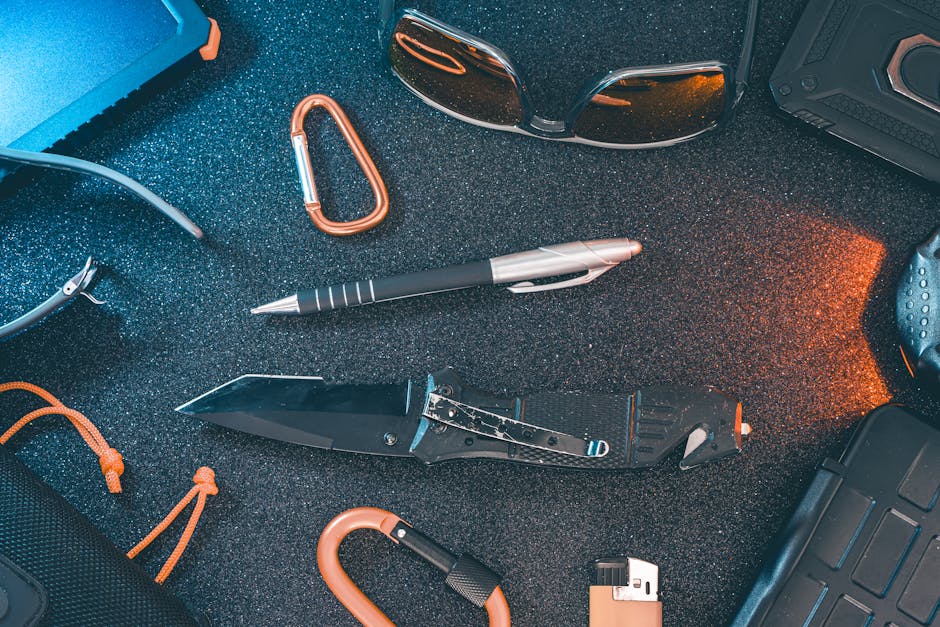
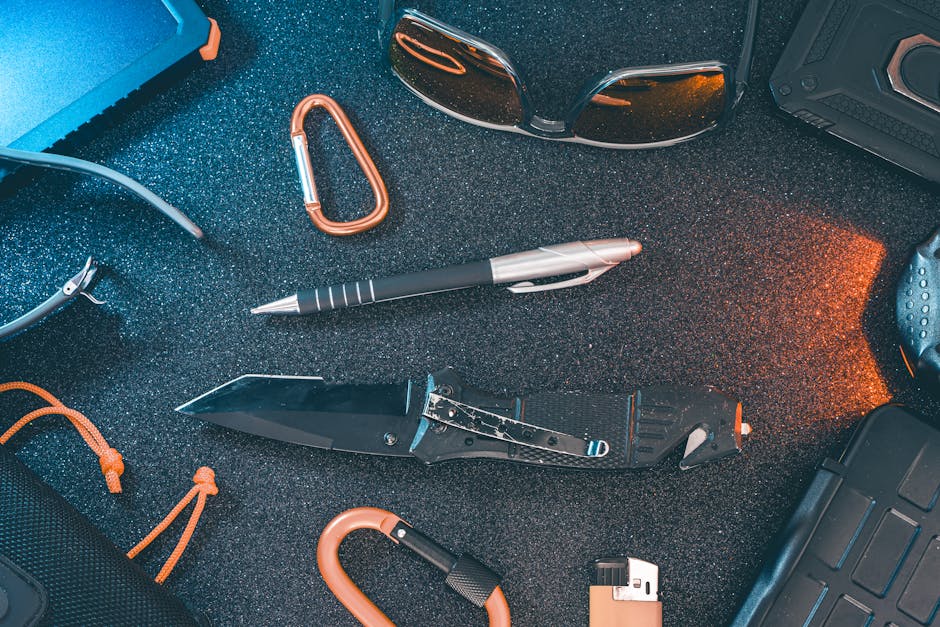
A multi-tool kit can be a lifesaver. It combines many tools in one. Look for one with pliers, a knife, and a screwdriver. These tools can help with small repairs or cutting materials. A compact design makes it easy to carry and store. Always have your multi-tool accessible in emergencies.
Communication Devices
Essential items in an earthquake survival kit should include communication devices. These devices help stay connected and informed during emergencies. Radios, charged mobile phones, and walkie-talkies are crucial for receiving updates and contacting rescue teams.
In an earthquake, communication becomes crucial. Staying informed about the situation and being able to reach out for help can make a significant difference. In your earthquake survival kit, communication devices should be a priority. Imagine being cut off from the world with no idea of what's happening outside. Having the right tools can help you stay connected and informed.
Battery-powered Radio
A battery-powered radio is a reliable communication device that should be in every earthquake survival kit. It allows you to receive updates and emergency broadcasts even when the power is out. Unlike smartphones, radios don't rely on mobile networks, which can be down during a disaster. Choose a radio that runs on batteries, and keep extra batteries in your kit. Some models even offer hand-crank or solar power options, ensuring you have a backup energy source. Hearing the reassuring voice of a news anchor can provide comfort and guidance during an unsettling time.
Cell Phone Charger
You might think your smartphone is all you need, but how long will its battery last? A cell phone charger, preferably a portable power bank, is essential in an earthquake survival kit. It ensures you can keep your phone charged to call for help or check in with loved ones. Opt for a power bank with a high capacity and remember to charge it regularly. Solar-powered chargers can also be a great addition, giving you a renewable energy source. Consider this: when communication networks recover, being able to use your phone can be a lifeline. Have you ever been in a situation where your phone battery died at the worst possible moment? Imagine that during an emergency. Preparing now with the right communication devices can save you from that dilemma.
First Aid Supplies
First aid supplies are vital in an earthquake survival kit. They help treat injuries immediately. The right supplies can prevent infections and ease pain. Basic first aid items cover common injuries like cuts and bruises. This section focuses on essential first aid components.
Bandages And Gauze
Bandages and gauze are necessary to cover wounds. They protect against dirt and germs. Bandages come in various sizes for different injuries. Gauze can be used to absorb blood and clean wounds. Keep a variety of bandages, including adhesive strips and elastic bandages. Elastic bandages support sprains and strains. They also help reduce swelling. Gauze pads and rolls can be used for larger wounds. They should be sterile and individually packed.
Antiseptic Wipes
Antiseptic wipes clean wounds and prevent infections. They kill bacteria and reduce the risk of complications. Use wipes before applying bandages. They are easy to use and dispose of. Keep enough wipes for multiple injuries. They are also useful for cleaning hands and surfaces. Choose wipes that are alcohol-based for effective germ killing. Ensure they are sealed to maintain their effectiveness. Antiseptic wipes are a compact and crucial part of a first aid kit.
Personal Safety Items
An earthquake survival kit should include essentials like water, non-perishable food, and a first-aid kit. Flashlights, batteries, and a whistle are crucial for signaling help. Personal safety items like sturdy shoes, gloves, and dust masks can protect against debris and dust.
In the chaos of an earthquake, personal safety items can be the difference between injury and protection. These items ensure you're prepared to face the immediate hazards that can accompany seismic activity. Prioritizing personal safety items in your earthquake survival kit is not just smart—it's essential.
Dust Masks
Earthquakes can stir up dust, debris, and even hazardous materials. Dust masks are crucial for protecting your lungs from inhaling harmful particles. They're lightweight and easy to store, making them a practical addition to your kit. Imagine finding yourself in a cloud of dust, struggling to breathe. A simple dust mask can prevent that scenario. Always have a few masks on hand to ensure everyone in your household is covered.
Gloves
Gloves protect your hands from cuts and abrasions while navigating debris. They allow you to handle broken glass, sharp objects, or rough surfaces safely. Consider the aftermath of a quake, where fallen objects might litter your path. Sturdy gloves offer protection as you clear a safe route or assist others. Opt for durable, well-fitted gloves to ensure maximum dexterity and safety. Personal safety items are not just about protection; they're about empowering you to act confidently in a crisis. What other items do you think should be part of your earthquake survival kit?
Warmth And Shelter
An earthquake survival kit should include essentials like blankets and sturdy tents for warmth and shelter. These items provide protection against harsh weather and keep you safe. Make sure to pack them in waterproof bags for easy access during emergencies.
When an earthquake strikes, having a reliable earthquake survival kit can make a significant difference. A crucial part of this kit is ensuring you have the means for warmth and shelter. These essentials not only provide comfort but are vital for survival, especially if you find yourself outdoors or in a damaged building. Staying warm and protected from the elements can prevent further health complications. Here’s what you need to focus on:
Blankets
Blankets are more than just cozy coverings. In an emergency, they can be lifesavers. A high-quality blanket keeps you warm during cold nights or chilly winds. Consider including thermal blankets, which are compact and retain heat effectively. They’re lightweight and easy to pack, making them ideal for your survival kit. Have you ever tried using a thermal blanket? It’s surprising how something so thin can keep you warm. They reflect your body heat and trap it inside. This is essential when temperatures drop, especially after an earthquake when heating systems might be down.
Emergency Tent
An emergency tent provides shelter from rain, wind, and debris. It’s your temporary home when your regular one is unsafe or inaccessible. Choose a tent that’s quick to set up and durable. A pop-up tent can be a great option because you can assemble it without fuss. Imagine having a tent ready when you need to move outdoors. It offers not just physical protection but also peace of mind knowing you have a secure space. Compact and portable, emergency tents don’t take up much room in your kit but provide a significant advantage when every second counts. Do you think you’d feel safer knowing you have a tent ready to protect you from unpredictable weather? This simple addition to your earthquake survival kit might just be one of the most important.
Important Documents
Essential documents in an earthquake survival kit include identification, medical records, and emergency contacts. Keep copies of insurance details and property deeds for protection. Important papers should be stored in waterproof, portable containers for easy access during emergencies.
In the chaos of an earthquake, having essential documents on hand can make a world of difference. It's easy to overlook the importance of paperwork amidst the rush to secure food, water, and shelter. But imagine the stress of trying to access medical treatment or prove your identity without proper documentation. Keeping your important papers safe and ready can be as crucial as having the right tools and supplies. Let's dive into the key documents you should include in your earthquake survival kit.
Identification Papers
Your identification papers are your lifeline during an emergency. They prove who you are and can be crucial for accessing services or relocating if needed. Start with your passport, driver's license, and any other legal identification you have. Consider the scenario where you need to move to a different city or country due to an earthquake. Without identification, travel becomes a hurdle. Store these documents in a waterproof and fireproof pouch to ensure they remain safe. Ask yourself: Do you have copies of these documents? Having duplicates stored digitally or with a trusted friend can save you time and stress.
Medical Records
Medical records are another vital component of your survival kit. They offer healthcare providers crucial insights into your medical history, allergies, and prescriptions. These records can be life-saving in an emergency. Picture being in a situation where you're injured and need immediate medical care. Providing access to your medical records can help healthcare workers offer the best treatment without delay. Include your health insurance information, immunization records, and any critical medical details. Consider maintaining both physical copies and digital backups for easy access. In challenging times, being prepared with the right documents can ease your journey to recovery. Are your medical records updated and accessible? Taking this step today can safeguard your health tomorrow.
Cash And Coins
During an earthquake, cash can be crucial. Electronic payment systems may fail. ATMs may not work. Having cash on hand ensures you can purchase essentials. Coins can also be valuable. Vending machines and payphones might only accept coins. Including cash and coins in your earthquake survival kit is wise.
Why Cash Is Essential
Cash offers immediate purchasing power. Stores might not accept cards. Power outages can disrupt card transactions. Having cash ensures you can buy food, water, and medicine. Keep small bills for convenience. They are easier for quick transactions.
Coins For Small Purchases
Coins are useful for small purchases. Vending machines usually require coins. Public transport may need coins too. They offer flexibility in unexpected situations. Always include a variety of coins in your kit.
How Much Cash To Include
Decide the amount based on your needs. Consider daily expenses and family size. Experts suggest at least $100 in small bills. This amount covers basic needs for a few days.
Safe Storage Tips
Keep cash and coins in a waterproof bag. This protects them from damage. Store them in a secure, accessible place. A pocket in your backpack or a zippered pouch works well.
Regular Checks And Updates
Check your cash and coins regularly. Replace worn-out bills. Update the amount as needed. This keeps your kit ready for emergencies. Stay prepared and ensure peace of mind.
Special Needs Considerations
An earthquake survival kit should include items for special needs. Add medications, medical supplies, and assistive devices. Tailor the kit to individual requirements for safety during emergencies.
In times of disaster, having a well-prepared earthquake survival kit is crucial. Yet, one size does not fit all. Special needs require extra attention. Tailor the kit to meet unique demands. Consider specific requirements for medications and infant supplies. This ensures everyone stays safe and comfortable during emergencies.
Medications
Keep a list of essential medications handy. Include prescriptions and over-the-counter drugs. Store them in waterproof containers. Ensure there is a month's supply. Rotate the stock regularly to maintain freshness. Check expiration dates frequently. Include medical tools like inhalers or insulin pens. Add contact information for healthcare providers. This helps in case of emergencies.
Infant Supplies
Babies need special care during disasters. Pack diapers and wipes in the kit. Include baby formula and bottles. Store enough for at least three days. Add extra clothing for warmth and comfort. Include blankets for protection. Pack soothing items like toys or pacifiers. Consider baby carriers for mobility. This makes evacuations easier and faster.
Pet Essentials
In an earthquake, ensuring your pet's safety is vital. Having a dedicated pet survival kit can ease stress. This kit should include specific items for your furry friends. Pets rely on us for their needs, especially during emergencies. Proper preparation can make all the difference in their safety and comfort.
Food And Water
Your pet needs enough food and water during a disaster. Pack a two-week supply of pet food. Choose non-perishable options like canned or dry food. Include a can opener if needed. Store water in clean, sealed containers. Pets need about one ounce of water per pound each day. Consider collapsible bowls for easy feeding and watering.
Leash And Collar
Leashes and collars are crucial for pet control. Keep an extra leash in your kit. It helps keep your pet safe and secure. Ensure the collar has identification tags. Include your contact information on the tag. This makes finding your pet easier if lost. Reflective collars can be useful in low-light conditions.
Frequently Asked Questions
What Should An Earthquake Survival Kit Contain?
An earthquake survival kit should include essentials like water, non-perishable food, flashlight, batteries, and first aid supplies. Also, include important documents, blankets, and a whistle. It is vital to have a portable phone charger and extra cash. Customize your kit to fit personal needs and family size for effective preparedness.
How Much Water Is Needed In An Emergency Kit?
Include at least one gallon of water per person per day in your emergency kit. This supply should last for a minimum of three days. Water is crucial for drinking and sanitation purposes. Consider additional water for pets and cooking needs to ensure comprehensive preparedness during an earthquake.
Why Include A Flashlight In A Survival Kit?
A flashlight is essential in a survival kit for navigating during power outages. It helps maintain safety and visibility in dark conditions. Flashlights are useful for signaling for help. Ensure you have extra batteries or opt for a solar-powered flashlight for extended use during emergencies.
Is A First Aid Kit Necessary For Earthquake Preparedness?
Yes, a first aid kit is crucial for treating injuries during an earthquake. Include bandages, antiseptics, pain relievers, and necessary medications. Having a first aid kit ensures immediate medical attention and prevents further injury. Customize it to address specific health needs and any chronic conditions.
Conclusion
A well-stocked earthquake survival kit can save lives. Pack essentials like water, food, and a flashlight. Include a first-aid kit and personal documents. Don't forget medications and a whistle. Keep everything in a sturdy, portable bag. Regularly check and update the contents.
Preparedness reduces panic and boosts safety. Every family member should know the kit's location. Practice drills for quick response. Stay informed about local emergency plans. Prioritize safety and readiness. An organized kit brings peace of mind. Stay safe and prepared.