Will Chickens Survive in Cold Weather?
Have you ever wondered how your chickens will fare as the temperatures start to drop? As the cold weather approaches, ensuring your feathered friends stay healthy and comfortable becomes a top priority.
Chickens are surprisingly resilient, but they do need your help to thrive when the chill sets in. You're about to discover the essential tips and tricks to keep your chickens cozy, safe, and productive during the cold months. This article will give you the peace of mind that comes from knowing your flock is well-cared-for, no matter how low the mercury falls.
Keep reading to uncover the secrets to helping your chickens survive—and even flourish—in the cold weather.
Chickens' Cold Weather Adaptations
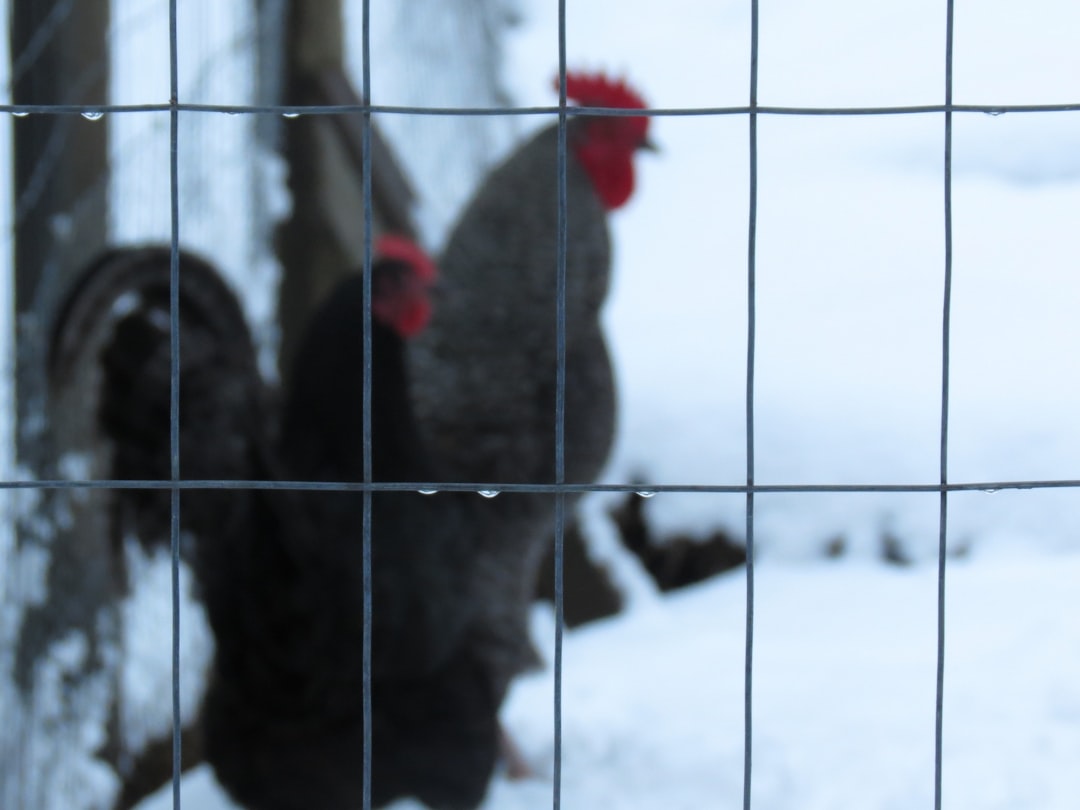
Chickens can survive in cold weather due to their unique adaptations. Their feathers trap heat, acting as natural insulation. They also huddle together for warmth, sharing body heat to stay cozy.
Chickens are surprisingly hardy creatures. While they might not be able to sip hot cocoa by the fire, they do have ways to withstand colder months. Understanding their natural adaptations can help you ensure your flock stays healthy and happy when temperatures drop.
Feathers: The Natural Insulation
Chickens’ feathers are their first line of defense against the cold. These feathers trap air and create a warm layer close to their skin. This natural insulation works much like your winter jacket, keeping the cold out and the warmth in. You might notice your chickens puffing up their feathers; they’re boosting their insulation layer to stay cozy.
Roosting: Group Warmth Strategy
Chickens are social animals, and they use this to their advantage in cold weather. When they roost, they huddle together to share body warmth. This communal snuggle helps them conserve heat during chilly nights. Have you ever seen your chickens pile up on their perch? They’re not just being friendly; they’re staying warm.
Metabolism: A Built-in Heater
As temperatures drop, chickens naturally increase their food intake. This boosted metabolism generates more body heat. It’s their way of turning dinner into a cozy internal heater. Make sure you’re providing adequate nutrition to support this metabolic need. Could you imagine if we could eat more to stay warm without the extra pounds?
Combs And Wattles: Nature’s Thermoregulators
Chickens have unique features called combs and wattles, which help regulate their body temperature. In cold weather, blood flow to these areas decreases to minimize heat loss. This adaptation might make them look a bit odd, but it’s a clever way to maintain warmth. Ever wondered why your chickens’ combs sometimes look pale? It’s a sign they’re conserving heat.
The Importance Of Shelter
While chickens have impressive adaptations, they still need proper shelter to thrive in cold weather. A well-insulated coop is essential. It should be draft-free and dry. The bedding should be thick and clean, offering extra warmth. Are you confident your chicken coop is winter-ready? Understanding these adaptations can help you create a supportive environment for your chickens. By appreciating their natural strategies, you can enhance their comfort and health during the colder months. What steps are you taking to ensure your chickens are winter-ready?
Breeds Suited For Cold Climates
Chickens can thrive in cold weather with proper care. Hardy breeds like Rhode Island Reds and Orpingtons adapt well. Their feathers offer natural insulation, keeping them warm.
Are you worried about how your chickens will fare when the chill sets in? You're not alone. Many chicken enthusiasts ponder this as winter approaches. But did you know that some chicken breeds are naturally equipped to handle cold weather better than others? Choosing the right breed can make all the difference in ensuring your feathered friends stay comfortable and healthy through the colder months. Let's dive into which breeds are best suited for cold climates.
Breeds With Dense Feathering
Dense feathering is like a built-in winter coat for chickens. Breeds such as the Orpington and Brahma have thick plumage that provides excellent insulation against the cold. This feathering traps warmth close to their bodies, helping them maintain their body temperature even on the coldest days. Have you ever noticed how a puffy jacket keeps you warm? It's the same principle for these chickens.
Breeds With Smaller Combs And Wattles
Smaller combs and wattles are beneficial in cold climates. They minimize the risk of frostbite, which can be a real concern for chickens in freezing temperatures. Breeds like the Wyandotte or Ameraucana have smaller combs and wattles, making them less prone to cold-related injuries. Imagine wearing earmuffs in winter—these chickens have their version naturally.
Hardy Breeds Known For Their Resilience
Some breeds have a reputation for being hardy and resilient. The Rhode Island Red and Plymouth Rock are examples of chickens that are tough enough to withstand harsh weather. These breeds thrive in cold conditions and can continue laying eggs throughout winter. Are your chickens still producing eggs despite the dropping temperatures? These hardy breeds could be the reason.
Breeds With Cold Climate Origins
Chickens that originate from cold climates are naturally adapted to survive in such environments. The Chantecler, developed in Canada, is one such breed. It has been bred specifically to endure extreme cold, making it a perfect choice if you live in an area with harsh winters. Have you ever thought about the origins of your chickens and how it might affect their cold tolerance? Choosing the right breed is more than just a matter of preference. It's a practical decision that can impact the well-being of your flock during winter. Each breed brings its unique advantages, from dense feathering to a natural resilience against cold. So, what breed will you choose for your chicken coop this winter?
Preparing The Coop
Chickens can thrive in cold weather with proper coop preparation. Insulation keeps the coop warm and dry. Ensure ventilation to prevent moisture buildup and frostbite. Providing roosts helps chickens stay off the cold ground. Keep water unfrozen with heated bowls or frequent checks.
Regularly clean bedding to maintain warmth and hygiene.
Preparing your chicken coop for the cold weather is essential to ensure your chickens stay healthy and comfortable. As the temperature drops, the coop must become a cozy haven for your feathered friends. Taking the right steps in preparing the coop can make a big difference in how well your chickens fare during winter.
Insulation Techniques
Keeping the coop warm is crucial, but it shouldn't be airtight. Insulating your coop helps retain heat, but you must balance it with proper airflow. You can use materials like foam boards, straw bales, or even old blankets to insulate walls. Don't forget about the roof. A well-insulated roof prevents heat from escaping. Remember, a little effort here can keep your chickens clucking happily all winter long.
Ventilation Importance
While insulation is important, ventilation is equally crucial. Good airflow prevents moisture buildup, which can lead to frostbite and respiratory issues in chickens. Ensure your coop has vents near the roof to allow humid air to escape. Position these vents away from where your chickens roost to avoid drafts. Maintaining the right balance of ventilation and insulation ensures your chickens are safe from both the cold and damp conditions.
Bedding Options
The type of bedding you choose can significantly impact your chickens' comfort during cold weather. Consider using straw or wood shavings, as they provide good insulation. Some chicken owners swear by the deep litter method, where you let bedding accumulate and compost at the bottom of the coop. This method generates heat and can be an excellent choice for winter. Think about what works best for your setup and chickens. Are you ready to make them cozy this winter?
Feeding Strategies In Winter
Winter poses challenges for chicken keepers. Cold weather demands special feeding strategies to keep chickens healthy. Proper nutrition is vital for warmth and egg production. Adapting their diet ensures they thrive despite chilly temperatures. Let’s explore feeding adjustments and supplements to keep your flock cozy and content.
Dietary Adjustments
Increase protein in your chicken’s diet. Cold weather raises their energy needs. Protein helps maintain their body heat. Offer high-protein feed or add a handful of mealworms. This supports their energy levels. More protein means more warmth.
Whole grains are beneficial, too. They take longer to digest. This releases energy slowly. Corn and oats are excellent choices. These grains keep chickens warm. They also provide essential nutrients. A handful before bedtime is ideal.
Supplements For Warmth
Consider adding supplements to their diet. Black oil sunflower seeds are a good option. They are high in fat. Fat provides extra energy for warmth. Just a small amount can make a difference.
Incorporate apple cider vinegar into their water. It boosts their immune system. A healthy immune system fights cold stress. Add a few drops to their water. It can improve digestion and nutrient absorption.
Offer grit and oyster shells separately. Grit aids digestion. Oyster shells supply calcium. Calcium is vital for strong eggshells. Ensure these are available at all times. This ensures chickens get the nutrients they need.
Water Management In Freezing Conditions
Chickens can endure cold weather with proper care. Manage water freezing by using heated waterers or insulated containers. Ensure clean, fresh water to prevent dehydration and maintain their health during icy conditions.
Keeping chickens hydrated during the winter is crucial, especially when temperatures drop below freezing. Water is essential for their survival and egg production. However, freezing conditions can pose a challenge for chicken owners. Let’s dive into effective strategies for managing water in cold weather so your feathered friends stay happy and healthy.
Understanding The Importance Of Water
Water is vital for chickens’ metabolism and digestion. It helps them regulate body temperature and aids in egg production. Without enough water, chickens can become dehydrated quickly, even in cold weather. You might not see it, but they need continuous access to fresh water to thrive.
Insulated Water Containers
One practical solution is using insulated water containers. These containers keep water from freezing for longer periods. You can find them in farm supply stores or even make one yourself using common materials. A simple DIY project could be lining a bucket with insulating foam to retain heat.
Heated Water Bowls
Investing in heated water bowls is another effective strategy. These bowls come with built-in heaters that prevent water from freezing. They are easy to use; just plug them into an outdoor socket. Before you buy, check the wattage and ensure you have a safe outdoor electrical setup.
Frequent Water Changes
If you prefer not to use heated bowls, consider changing the water frequently. Replace it with warm water at least twice a day. This method requires more effort but ensures your chickens always have access to unfrozen water. It also gives you a chance to check on your flock regularly.
Water Location And Sheltering
Think about where you place the water. Keeping it sheltered from the wind and in a sunny spot can reduce freezing. If you have a coop with natural light, place the water bowl where it gets the most sun during the day. Simple windbreaks or even a coop wall can make a significant difference.
Experimenting And Observing
Every chicken coop is unique. What works in one setup might not in another. So, don't hesitate to experiment with different methods until you find what’s best for your chickens. Observe how they interact with the water solutions you provide. Are they drinking more when you use a particular method? Being proactive in managing water during freezing conditions ensures your chickens stay healthy and productive. How will you adapt these strategies to suit your coop setup?
Maintaining Egg Production
As temperatures drop, keeping egg production steady is crucial. Cold weather can affect chickens, leading to reduced egg output. By taking the right steps, you can maintain a healthy egg supply. This section will cover essential strategies to keep those eggs coming.
Lighting Solutions
Chickens need light for laying eggs. Shorter days can reduce light exposure. Install artificial lighting in the coop. Keep lights on for 14-16 hours a day. This mimics longer daylight hours. Use energy-efficient bulbs to save on costs. Position lights safely to avoid fire risks. Ensure the coop is well-lit without being too bright.
Nutritional Support
Proper nutrition is vital for egg production. Offer a balanced diet rich in protein. Protein helps hens produce more eggs. Include grains and seeds in their feed. Provide fresh water regularly. Add supplements like calcium for stronger eggshells. Consider warm treats during cold days. This keeps chickens active and healthy.
Monitoring Chicken Health
Monitoring chicken health in cold weather is crucial for their survival. Cold temperatures can stress chickens, impacting their overall well-being. Regularly checking their health ensures they stay warm and healthy. Understanding the signs of cold stress and taking preventative measures can help. It keeps your flock comfortable during chilly months.
Signs Of Cold Stress
Chickens show signs of cold stress in various ways. They might huddle together for warmth. Feather ruffling is another sign. Look for lethargy or less movement. A decrease in egg production can also signal stress. Frostbite is a serious concern. Check combs and wattles for pale or dark spots.
Preventative Measures
There are steps to prevent cold stress in chickens. Ensure their coop is draft-free. Use bedding like straw to insulate the coop. Provide extra feed for energy. Fresh, unfrozen water is essential. Consider a heat lamp for extremely cold nights. Regular health checks help catch issues early.
Common Winter Hazards
Cold weather challenges chickens with frostbite risks and reduced egg production. Proper shelter and nutrition help them withstand winter hazards. Insulating coops and ensuring dry bedding keep chickens warm and healthy.
Winter can be a challenging season for backyard chicken owners. As temperatures drop, your feathered friends face several hazards that can impact their health and safety. Understanding these risks can help you take the necessary steps to ensure your chickens not only survive but thrive during the colder months.
Frostbite Risks
Chickens are surprisingly resilient, but their combs and wattles are vulnerable to frostbite. This condition can cause pain and permanent damage. To prevent frostbite, ensure your coop is well-insulated without being airtight. Ventilation is key to reducing moisture, which can exacerbate cold conditions. Applying a thin layer of petroleum jelly to their combs and wattles can provide an extra layer of protection against the cold.
Predator Protection
Winter may bring out different predators, as food becomes scarce. Raccoons, foxes, and even hawks might see your chickens as an easy meal. Secure your coop by checking for gaps, holes, or weak spots that a determined predator could exploit. Consider using hardware cloth instead of chicken wire for better durability. Installing motion-activated lights can also deter nocturnal hunters. Have you ever lost a chicken to a predator during winter? It's a heart-wrenching experience that reinforces the importance of these precautions. By staying vigilant, you can ensure your flock stays safe and sound, even in the chilliest of conditions. Is your coop ready for winter's challenges? Taking proactive steps now can save you from heartache and help your chickens enjoy a warm, safe winter season.
Frequently Asked Questions
How Cold Is Too Cold For Chickens?
Chickens can tolerate cold weather but thrive best above 32°F. Below 20°F, they need extra care, like insulation and heat lamps.
Do Chickens Need A Heater In Winter?
Not always. Chickens can withstand cold temperatures. A heat source is beneficial in extreme cold to prevent frostbite.
Can Chickens Get Frostbite In Cold Weather?
Yes, chickens can get frostbite, especially on combs and wattles. Ensure dry bedding and proper ventilation to prevent moisture buildup.
How Do I Keep Chickens Warm At Night?
Use insulating bedding and drafts-free coops. Providing a heat lamp or heated perch can help during freezing nights.
Conclusion
Chickens can thrive in cold weather with proper care. Provide them with shelter. Ensure they have enough warmth. Use bedding materials like straw. Clean their coop regularly. Offer nutritious feed to maintain their health. Check their water supply often. Frozen water can be a risk.
Monitor them for signs of cold stress. Feather fluffing and shivering are signals. Encourage activity to keep them warm. Keep an eye on their health. Healthy chickens are resilient. With these steps, your chickens can survive and stay happy. Cold weather doesn't have to be a threat.