Have you ever wondered how deer manage to thrive during the harsh, cold months of winter? While you're bundling up in layers to keep warm, deer have their own unique strategies for surviving the bitter cold.
Imagine stepping into their world for a moment—how do they find food, stay warm, and evade predators when the landscape is blanketed in snow? This fascinating survival tale unfolds right before your eyes, revealing nature's resilience and adaptability. By understanding these remarkable creatures, you'll gain a deeper appreciation for the delicate balance of our ecosystem.
Stay with us as we unravel the secrets of how deer conquer the challenges of winter, and discover insights that might just change the way you view the natural world around you.
Adaptations For Winter Survival
Deer are remarkable creatures. They thrive in cold weather. Their survival depends on special adaptations. These adaptations help them endure harsh winters. They conserve energy and maintain body heat. Let's explore how deer manage to stay warm.
Thick Fur And Insulation
Deer grow thicker fur in winter. This fur acts as insulation. It traps heat close to their bodies. The outer layer is coarse, while the underlayer is soft and dense. This combination prevents heat loss. Fur also repels snow and moisture. It keeps the deer dry and warm.
Metabolic Adjustments
Deer adjust their metabolism in winter. Their metabolic rate slows down. This reduces energy consumption. Deer consume less food during winter. They rely on fat reserves stored during warmer months. These reserves provide energy and warmth. Slower metabolism helps them survive cold weather.
Behavioral Strategies
Deer survive harsh winters using behavioral strategies. They seek shelter in dense forests to escape cold winds. Grouping together conserves body heat, helping them endure freezing temperatures. Their natural instincts guide them to find food sources buried under snow.
Deer have adapted remarkable strategies to endure cold weather. These survival tactics go beyond physical adaptations. They display fascinating behaviors that ensure their survival. Let's explore how deer use behavioral strategies during the harsh winters.
Migration Patterns
Many deer migrate to warmer areas during winter. Migration helps them find better food sources. It also shields them from harsh weather. Deer often travel to lower elevations. These areas have less snow and more food. Migration is a crucial survival strategy.
Food Storage And Foraging
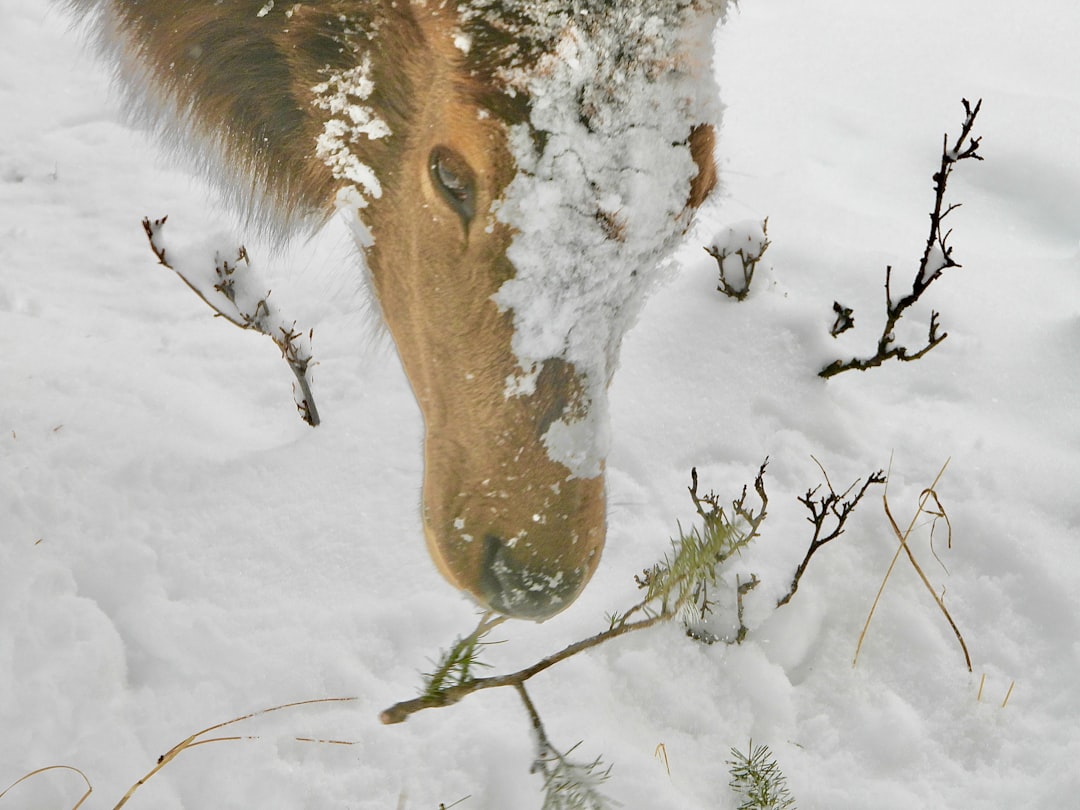
Deer prepare for winter by storing fat. This stored energy helps them through food shortages. They also change their foraging habits. Deer eat twigs, bark, and evergreen leaves in winter. These food sources are available even in the cold months. Deer are skilled at finding food in harsh conditions. `
Physical Changes In Cold
Deer endure harsh winter months with fascinating physical adaptations. These changes help them survive extreme cold. Their bodies undergo transformations to preserve warmth and energy. Let's explore some of these remarkable adaptations.
Body Fat Accumulation
Deer build up fat reserves before winter. This fat acts as insulation, keeping them warm. It also serves as an energy source when food is scarce. The extra fat helps them maintain body heat. This is crucial for survival during freezing temperatures.
Temperature Regulation
Deer have the ability to regulate their body temperature. They lower their metabolic rate in the cold. This slows down their energy use, conserving resources. They can also limit blood flow to extremities. This keeps their core temperature stable.
Role Of Habitat
Deer survive cold weather through their unique habitats. Thick fur and fat layers provide essential warmth. They seek sheltered areas like dense forests to shield against harsh winds and snow, ensuring survival.
Deer are remarkable creatures, especially when it comes to surviving the harshness of cold weather. One of the key elements in their survival strategy is their habitat. A well-chosen habitat can provide deer with the necessary resources to withstand biting cold and scarce food availability. But what does the role of habitat really entail for these graceful animals?
Shelter Selection
Deer are strategic in selecting shelters that offer protection from the cold. They often choose areas dense with evergreen trees. Why? These trees act as natural windbreakers, significantly reducing the chilling effects of the wind. Additionally, evergreens retain their foliage throughout winter, providing a cover that traps heat and keeps the area warmer than its surroundings. When I went hiking last winter, I noticed deer tracks leading to a cluster of pine trees. It was fascinating to see how they used the natural environment to stay warm. Have you ever considered how animals adapt to their surroundings, using them to their advantage? Deer also look for shelters near food sources. This minimizes energy expenditure when food is scarce during colder months. Imagine having to trek long distances in freezing temperatures just to find food. It's a smart move on their part, ensuring survival.
Impact Of Terrain
Terrain plays a critical role in the habitat selection for deer. They favor areas with varied landscapes, such as hills and valleys. These terrains offer natural protection against harsh weather conditions. Hills can block strong winds, while valleys may trap heat, creating a microclimate that is less severe. I once camped near a valley during winter and noticed a significant difference in temperature compared to open fields. It was noticeably warmer. Have you experienced how terrain affects temperature and wind patterns? Deer also use the terrain to find places to hide from predators. Rocky areas and dense forests provide the cover needed to evade threats. Imagine how challenging it must be for predators to track down deer in such complex landscapes. A well-chosen terrain can mean the difference between life and death for deer in cold weather. It's not just about finding food and warmth; it's about survival in the most complete sense.
Understanding the role of habitat in deer survival can offer insights into how nature equips animals with tools to endure. It's a fascinating aspect of wildlife that might even inspire you to think differently about the environments we create and choose for ourselves.
Challenges And Threats
Deer face many challenges and threats during cold weather. These elegant creatures must overcome various obstacles to survive. As temperatures drop, their environment becomes more hostile. Food sources become scarce. Predators are more active. Human activities also pose significant risks. Let's explore these challenges further.
Predation Risks
Cold weather increases predation risks for deer. Hungry predators are more determined. Wolves and coyotes track deer closely. Snow helps predators move quietly. Deer must stay alert. They rely on their senses for survival. Grouping together offers some protection. But the threat remains constant.
Human Impact
Human activities greatly affect deer during winter. Urban development shrinks their habitats. Roads and traffic pose dangers. Deer often cross roads searching for food. This leads to accidents. Hunting also increases during colder months. Some areas experience increased human presence. This disturbs deer and their routines. Snowmobiling and winter sports add to their stress. All these factors make survival difficult.
Deer Species Variations
Understanding how deer survive in cold weather involves exploring the fascinating variations among different deer species. Each species has unique adaptations that help them thrive in chilly environments. These adaptations can vary widely depending on their regional habitats and evolutionary history. Whether you're an outdoor enthusiast or a curious learner, these differences offer intriguing insights into nature's resilience.
Differences Among Species
Not all deer are created equal when it comes to handling the cold. Consider the white-tailed deer and the mule deer. The white-tailed deer, common in areas with harsh winters, has a dense winter coat. This coat acts like a thermal blanket, insulating them against freezing temperatures.
On the other hand, mule deer, often found in milder climates, have a slightly different approach. Their winter coat is less dense, and they rely more on their ability to migrate to lower elevations during winter months. This migration helps them avoid the worst of winter weather.
Imagine walking through a snowy forest and spotting a moose. Moose are built for extreme cold with their massive bodies and long legs, allowing them to wade through deep snow with ease. How does this knowledge change your perception of these creatures?
Regional Adaptations
Deer adaptations are not just about their physical traits; they also involve behavioral changes. In northern regions, deer might change their feeding habits to conserve energy. They’ll seek out high-calorie food that provides the energy needed to maintain body warmth.
In contrast, deer living in warmer regions might not need such high-calorie diets. Their bodies are adapted to store fat during the warmer months, which they can use during milder winters. Do you think these regional adaptations are enough to sustain them through unexpected climate changes?
Another interesting adaptation involves their reproductive strategies. In colder climates, deer may time their mating seasons to ensure offspring are born in spring. This timing helps fawns grow stronger before the next winter hits.
As you consider these adaptations, think about how they might influence your next hiking trip. Observing these differences in deer species can enhance your understanding of the natural world. What insights will you gain from seeing these majestic creatures in their habitats?
Frequently Asked Questions
How Do Deer Adapt To Cold Climates?
Deer grow thicker winter coats for insulation. Their coats have hollow hairs that trap body heat. Additionally, deer reduce their metabolic rate to conserve energy. This helps them survive with limited food. They also find sheltered areas to protect from harsh winds.
What Do Deer Eat During Winter?
Deer consume woody plants, twigs, and bark when food is scarce. They also eat evergreen plants and fallen leaves. In harsh conditions, they rely on stored fat for energy. Their digestive system adapts to process this fibrous diet efficiently.
How Do Deer Stay Warm In Snow?
Deer use their dense winter coats to stay warm in snow. The hollow hairs in their coats trap heat efficiently. They also huddle together in sheltered spots to conserve warmth. Reducing activity helps them maintain energy and body heat.
Do Deer Hibernate In Winter?
Deer do not hibernate during winter months. Instead, they reduce their activity levels to conserve energy. This helps them survive on limited food supplies. Their metabolism slows down, allowing them to endure harsh conditions without hibernating.
Conclusion
Deer thrive in the cold using smart survival tactics. Thick fur keeps them warm. They store fat for energy. Their bodies slow down in winter. This helps save energy. Deer find food under snow and eat bark. They use their strong sense of smell.
Deer seek shelter in forests. Trees block wind and snow. Group living provides warmth. They huddle together. Nature equips deer well for winter. Their instincts are sharp. Deer adapt and endure. Watching them survive is inspiring. Nature's resilience at its best.
Deer remind us to respect the wild. And learn from it.