What to Pack in Earthquake Survival Kit?
Imagine the ground beneath you suddenly shakes. Your heart races, and panic sets in.
In those crucial moments, being prepared can make all the difference. That's why knowing what to pack in your earthquake survival kit is essential. You might be wondering, "Do I have everything I need to keep my family safe? " This guide will answer that question and more, ensuring you're ready for the unexpected.
By equipping yourself with the right tools and knowledge, you can transform anxiety into confidence. Ready to discover the essentials that will keep you and your loved ones safe when the earth trembles? Read on, and let's make sure your kit is equipped to handle any emergency.
Water And Hydration
In an earthquake, clean water is crucial for survival. You may face disrupted water supplies and contamination. So, preparing an earthquake survival kit must include water essentials. Proper hydration supports your body's vital functions, especially during emergencies.
Portable Water Filters
Portable water filters purify water from contaminated sources. They are compact and easy to carry. Most filters remove bacteria and parasites. Some even reduce chemicals and heavy metals. Choose a reliable filter for your kit. This ensures safe drinking water in emergencies.
Water Storage Solutions
Storing water is vital in any survival plan. Use food-grade containers for safe storage. Collapsible water bottles save space in your kit. Consider adding water pouches for convenience. Aim for at least one gallon per person per day. This ensures enough water for drinking and hygiene.
Food Supplies
Having the right food supplies in your earthquake survival kit is essential. Your kit should contain items that provide nutrition and energy. It's important to choose foods that store well and are easy to prepare. These supplies should keep you nourished during emergencies. Let's explore some key components for your food supplies.
Non-perishable Items
Non-perishable items are crucial in an earthquake survival kit. They have a long shelf life, making them ideal for emergencies. Canned goods like beans, vegetables, and soups are excellent choices. These can be eaten cold if you cannot heat them. Packaged meals such as rice and pasta are also useful. Choose items that require minimal preparation.
Consider dried foods like fruits, nuts, and jerky. They are lightweight and store well. Store these items in a cool, dry place. Rotate them every six months to ensure freshness. Non-perishable foods will keep you fed in uncertain times.
High-energy Snacks
High-energy snacks are vital for maintaining stamina. They provide quick calories and nutrients. Granola bars and protein bars are excellent options. These snacks are compact and easy to carry. Choose bars with a balanced mix of protein, fats, and carbohydrates.
Nuts and seeds are also great high-energy options. They are packed with healthy fats and proteins. Consider adding trail mix to your kit. It's a tasty, energy-boosting snack. High-energy snacks help sustain you during stressful times. They ensure you have the energy to handle challenging situations.
First Aid Essentials
Packing a first aid kit for an earthquake survival kit is crucial. Include bandages, antiseptic wipes, pain relievers, and a flashlight. Also, add a whistle for emergencies and a small radio for updates. Remember to pack personal medications and a list of emergency contacts.
Stay prepared and safe.
Imagine waking up in the middle of the night to the ground shaking beneath you. It's a terrifying thought, right? An earthquake can strike without warning, and being prepared is crucial for your safety and survival. First aid essentials in your earthquake survival kit are vital, as they can make a significant difference in an emergency. Let’s dive into what you need to ensure you’re ready for anything nature throws your way.
Basic First Aid Kit
Your earthquake survival kit should start with a basic first aid kit. Think of it as your toolkit for addressing minor injuries. Include band-aids, gauze pads, and adhesive tape. These items help in dealing with cuts or scrapes during an emergency. Add antiseptic wipes and ointments to prevent infections. They are small but mighty, ensuring wounds are clean and safe. Don’t forget scissors and tweezers. They may seem trivial but are essential for cutting bandages and removing splinters or debris from the skin.
Medications And Prescriptions
Include any medications you regularly take. Imagine the chaos of an earthquake; having your prescriptions handy can save you from unnecessary stress. Pack pain relievers like ibuprofen or acetaminophen. They can alleviate discomfort from minor injuries or headaches. Consider adding anti-diarrheal and antihistamines. These can be lifesavers in situations where medical help is not immediately available. Have you thought about what you'd do if you couldn't access your daily medication? Packing a small supply can be your lifeline until help arrives. Preparing for an earthquake might seem daunting, but having a well-stocked first aid kit offers peace of mind. What else would you add to ensure your kit is ready for the unexpected?
Tools And Equipment
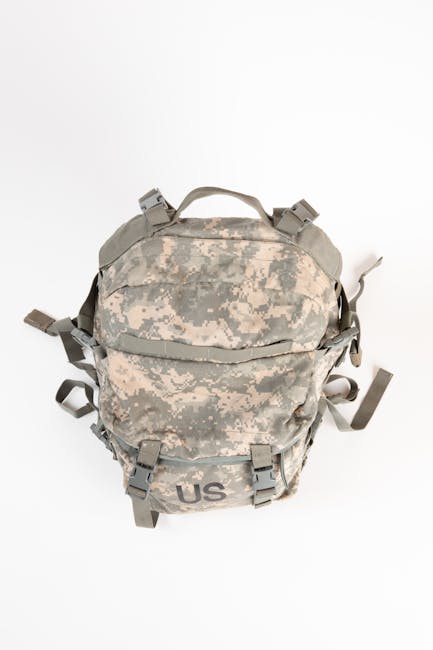
Pack essentials like a flashlight, batteries, and a first aid kit in an earthquake survival kit. Include non-perishable food, bottled water, and a whistle. A portable phone charger and multi-tool can be lifesavers. Keep these items in a sturdy backpack for easy access.
In an earthquake survival kit, tools and equipment are essential. These items can help you navigate emergency situations. They provide solutions to common problems faced during a disaster. Each tool serves a specific purpose, ensuring you are prepared for any scenario.
Multi-tool Devices
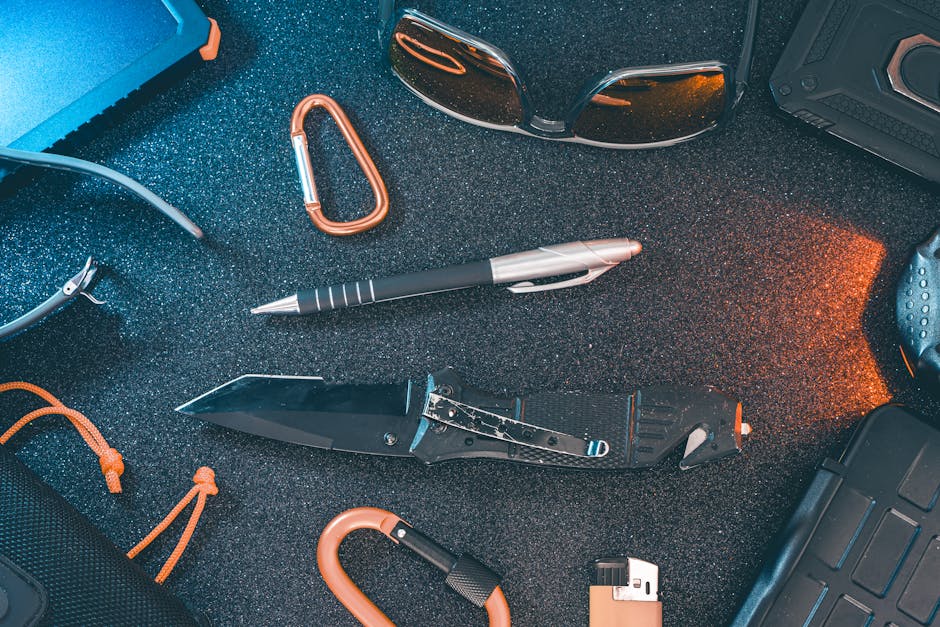
Multi-tool devices are compact and versatile. They combine several tools into one handy gadget. A typical multi-tool includes pliers, screwdrivers, and a knife. You might also find scissors, wire cutters, and a can opener. These tools help with various tasks like cutting, fixing, or opening items. Choose one made from durable materials for long-lasting use. Stainless steel is a good option for strength and corrosion resistance. A lightweight design ensures easy carrying. A multi-tool is a must-have for quick solutions in emergencies.
Emergency Lighting
Emergency lighting is crucial during power outages. Flashlights and lanterns are common choices. They help you see in the dark and signal for help. Opt for LED flashlights as they are energy-efficient. LED lights last longer and provide bright illumination. Headlamps are useful for hands-free lighting. Solar-powered or crank lanterns work well without batteries. Keep spare batteries or a solar charger in your kit. Glow sticks can offer temporary light and are easy to use. Reliable lighting ensures safety and visibility in dark situations.
Communication Devices
Pack essential communication devices in your earthquake survival kit. Consider including a battery-powered radio for updates. A fully charged portable phone charger is useful for emergencies.
Packing an earthquake survival kit might feel overwhelming, but when you break it down into categories, it becomes manageable. One critical category is communication devices. Staying informed and reaching out for help is vital in the aftermath of an earthquake. Think about how you will get updates when the power is out or your phone is dead. Let’s explore some essential communication tools you should consider including in your kit.
Battery-powered Radios
Battery-powered radios are a lifeline during emergencies. They can be your primary source of information when the power is out, and internet connectivity is down. Look for models that offer AM/FM bands and NOAA weather alerts. Incorporating a hand-crank or solar-powered feature can ensure you never run out of power. This can be a game-changer when batteries are scarce. Consider how comforting it would be to hear a reassuring voice amidst the chaos.
Chargers And Power Banks
Imagine your phone dying just when you need it most. This is where power banks come into play. Pack a high-capacity power bank in your kit to keep your devices charged. Opt for a power bank with multiple USB ports. This allows you to charge several devices at once. Remember to charge your power banks regularly, so they are ready when you need them. Have you ever thought about how quickly you could charge your phone with a solar charger? This eco-friendly option is perfect for prolonged power outages. It’s worth the investment to ensure your devices stay powered without relying solely on electricity. By prioritizing communication devices in your earthquake survival kit, you equip yourself to stay informed and connected. What other devices do you rely on in emergencies? Share your thoughts and experiences in the comments below.
Shelter And Warmth
Preparing an earthquake survival kit ensures safety. Include blankets for warmth and a sturdy shelter like a tent. Pack durable shoes, gloves, and hats to protect against cold and debris. Keep the kit accessible, ensuring rapid response during emergencies.
When an earthquake strikes, having a survival kit ready can make all the difference. One of the most crucial aspects of your kit is ensuring you have adequate shelter and warmth. After all, being exposed to the elements can quickly turn a bad situation into a worse one. Let's dive into what you should pack to keep yourself protected and comfortable.
Emergency Blankets
Emergency blankets are a must-have in any earthquake survival kit. These shiny, compact, and lightweight sheets can help retain up to 90% of your body heat. They are particularly useful if you find yourself outdoors or in a building with compromised heating. Imagine spending a chilly night without proper shelter. A simple emergency blanket can wrap around you, offering warmth and a sense of security. Plus, they take up very little space in your kit, so you can easily pack a few extras. Have you ever tried using one? If not, practice folding and unfolding it. This way, you’ll be ready to use it efficiently when it matters most.
Portable Tents
Portable tents are another essential for maintaining shelter and warmth. They provide a temporary home that shields you from wind, rain, and cold. Look for lightweight tents that are easy to assemble and pack away. Consider a tent that can comfortably fit your family or group. During an emergency, huddling together inside a tent not only conserves warmth but also boosts morale. Setting up a tent might seem daunting, especially under stress. Try a practice run in your backyard. This simple step can save you precious minutes during an actual emergency. Remember, when you pack for an earthquake, you're not just preparing for yourself. Think about your family, pets, or anyone who might rely on you. A well-prepared kit with the right shelter and warmth options can offer peace of mind when you need it most.
Personal Protection
In the chaos of an earthquake, your first priority should be personal protection. It's not just about having a survival kit; it's about making sure you have the right items to keep you safe. Imagine the dust and debris swirling around, making it hard to breathe and navigate. You need to be ready. This section will help you understand what personal protection items you should pack in your earthquake survival kit to keep yourself safe.
Dust Masks
Dust masks are crucial for protecting your lungs during an earthquake. When buildings crumble, they release dust and tiny particles that can be harmful if inhaled. Choose masks that offer good filtration. Remember, during an earthquake, visibility can be reduced. A mask not only helps you breathe better, but also keeps your focus sharp.
Have you ever been caught in a dust storm or construction zone? Imagine that, but multiplied by a hundred. That's why dust masks are non-negotiable. Keep several masks in your kit—one for each family member. Consider keeping extra for neighbors or passersby who might need help.
Gloves And Safety Gear
Gloves are your hands' best friend during an earthquake. They protect you from sharp debris and jagged edges when you need to move or clear a path. Opt for durable gloves that fit well. A snug fit ensures dexterity and better protection.
Safety gear doesn't end with gloves. Think about helmets, knee pads, and even sturdy shoes. If you have to evacuate quickly, you want to avoid injuries from falling debris. Have you ever tried moving heavy objects with bare hands? It’s much safer with gloves. And if you’ve worn safety gear before, you know how it boosts confidence and security.
What would you do if an earthquake struck right now? Would you be ready to protect yourself and your loved ones with the right gear? Planning ahead and packing these essential items could make all the difference.
Important Documents
Packing crucial documents in an earthquake survival kit ensures swift recovery after a disaster. Include identification, insurance papers, and medical records. Keep them in a waterproof pouch for protection.
When preparing your earthquake survival kit, don't underestimate the importance of including essential documents. In a crisis, having immediate access to these papers can save you time and stress. They are not just papers; they are your lifeline to resources and assistance.
Identification Papers
Make sure to include copies of crucial identification papers. This includes your passport, driver's license, and any other government-issued IDs. These documents are vital for verifying your identity and accessing emergency services. Store these papers in a waterproof and fireproof pouch. This will protect them from potential damage caused by water or fire. Consider keeping digital copies on a secure cloud service, ensuring you have access even if the originals are lost.
Emergency Contact Information
Have a clear list of emergency contacts in your kit. This should include family members, close friends, and possibly your employer. Their phone numbers, email addresses, and home addresses should be listed. Think about adding local emergency services numbers and your insurance company's contact details. Having this information readily available can be a lifesaver. You might also consider updating this list regularly to ensure it's always current. Imagine being in an emergency without knowing who to call first—this list alleviates that problem. It ensures you can quickly reach out for help and inform loved ones of your safety. Have you ever thought about what documents you would need if you had to evacuate quickly? Preparing these essentials now gives you peace of mind and readiness in uncertain times. Remember, this is about safeguarding your future, so take the time to organize these important documents today.
Miscellaneous Supplies
Preparing an earthquake survival kit is crucial for safety. While essentials like water and food are vital, miscellaneous supplies play a key role. These items can ease stress and provide crucial information during emergencies.
Cash And Coins
Digital transactions might be unavailable after an earthquake. Having cash ensures you can buy necessities. Small denominations and coins are ideal. They are more practical for everyday purchases. Keep a mix of bills and coins in your kit.
Maps And Local Guides
Technology can fail during emergencies. Maps are reliable tools for navigation. Include detailed maps of your area in your kit. Local guides can offer crucial information. They help you find shelters, hospitals, and safe routes. A laminated map is durable and water-resistant.
Frequently Asked Questions
What Essentials Go In An Earthquake Kit?
An earthquake kit should include water, non-perishable food, a flashlight, batteries, a first aid kit, and blankets. Add a whistle, dust mask, and personal documents. Ensure supplies sustain you for at least 72 hours. Customize your kit based on individual needs and local conditions.
How Much Water Is Needed For Survival?
Store at least one gallon of water per person per day. Ensure a three-day supply for each family member. Consider additional water for pets and sanitation needs. Regularly check and replace stored water to maintain freshness.
Can I Include Canned Food In The Kit?
Yes, canned food is ideal for earthquake kits. Choose foods with long shelf life and high nutritional value. Include a manual can opener to access canned goods easily. Ensure diverse options to meet dietary needs and preferences.
Why Are Personal Documents Necessary?
Personal documents help verify identity and access important services. Include copies of IDs, insurance policies, and medical records. Store documents in waterproof, portable containers. This preparedness can ease the recovery process after an earthquake.
Conclusion
Packing an earthquake survival kit ensures safety during emergencies. Essential items like water, food, and first aid are crucial. Don’t forget a flashlight and extra batteries. Include a whistle for signaling help. Keep important documents safe and dry. A multi-tool can be very handy.
Personal hygiene supplies matter too. Regularly check and update your kit. Tailor it to your family’s needs. Practicing preparedness boosts confidence and readiness. Stay informed about local risks. Being prepared saves lives and reduces panic. Your safety matters most. Plan, pack, and stay vigilant.