What Should I Have in a Survival Kit?
Imagine finding yourself in an unexpected emergency. Would you be prepared?
Your survival might depend on it. Knowing what to have in a survival kit isn't just for adventurers or doomsday preppers—it's essential for everyone. The good news is, you’re about to discover exactly what you need to stay safe and secure in any situation.
This guide will reveal the must-have items that could make all the difference when it matters most. Ready to feel more in control of your safety? Let's dive into the essentials you need to include in your survival kit today.
Basic Necessities
A survival kit should include essentials like water, food, and a first aid kit. Add a flashlight, batteries, and a multi-tool for emergencies. Keep a blanket and whistle for warmth and signaling help.
In any survival situation, having the right tools at your disposal can make all the difference. The basic necessities are your first line of defense against the challenges that the wild or unexpected events might throw at you. These essentials ensure your safety and well-being, providing a foundation upon which other survival strategies can build. Let's explore the crucial elements of a survival kit, starting with the most vital resources: water and food.
Water And Purification
Water is the most critical component of any survival kit. Without it, you can only last a few days. Have at least one gallon of water per person per day for drinking and sanitation. Consider carrying water purification tablets or a small portable filter. These tools are lifesavers if your water supply runs out, allowing you to safely use water from natural sources. Once, on a hiking trip, I ran out of water and was grateful for the purification tablets in my kit. They turned murky river water into a safe drink, saving me from dehydration.
Food Supplies
Food is your energy source. Without it, fatigue sets in quickly. Your survival kit should contain non-perishable items that are easy to prepare. Choose foods high in calories and nutrients, like energy bars, dried fruits, and nuts. These are compact and provide sustained energy. In my experience, having a variety of food options keeps morale high. Imagine the relief of finding a packet of your favorite trail mix after a long day of trekking! Do you have these essentials in your survival kit? It’s crucial to regularly check and update your supplies. Are you prepared for any unexpected situation? Investing time in preparing your survival kit can make a significant difference in times of crisis.
Shelter And Warmth
A survival kit should include essentials for shelter and warmth. Pack a durable tent or tarp for protection. Include a thermal blanket to retain body heat in cold conditions.
When you're out in the wild or facing an unexpected emergency, having the right tools for shelter and warmth can make all the difference. Imagine being caught in a sudden storm or a chilly night with no way to stay dry or warm. The key to survival is preparation. A well-prepared survival kit can provide you with the essentials to protect yourself from the elements, ensuring comfort and safety. Let's dive into the critical components that will help you stay sheltered and warm in any situation.
Portable Tents
A portable tent is a must-have in your survival kit. It's your first line of defense against rain, wind, and cold. Choose a lightweight, compact tent that's easy to set up, even if you're exhausted. Think about this: would you rather spend hours fiddling with poles, or quickly pop up a tent and relax? A personal experience taught me this lesson during a camping trip when a sudden downpour struck. My quick-setup tent saved the night. Look for waterproof materials and ventilation features to keep you dry and comfortable.
Sleeping Bags
A high-quality sleeping bag is crucial for maintaining body heat. Opt for one that's appropriate for the climate you expect to encounter. A sleeping bag rated for extreme cold can prevent hypothermia. Have you ever tried to sleep in freezing temperatures without proper insulation? It’s nearly impossible. My first winter camping trip reminded me of this, and since then, I never underestimate the power of a good sleeping bag. Consider the weight and packability to ensure it doesn't weigh you down.
Fire Starters
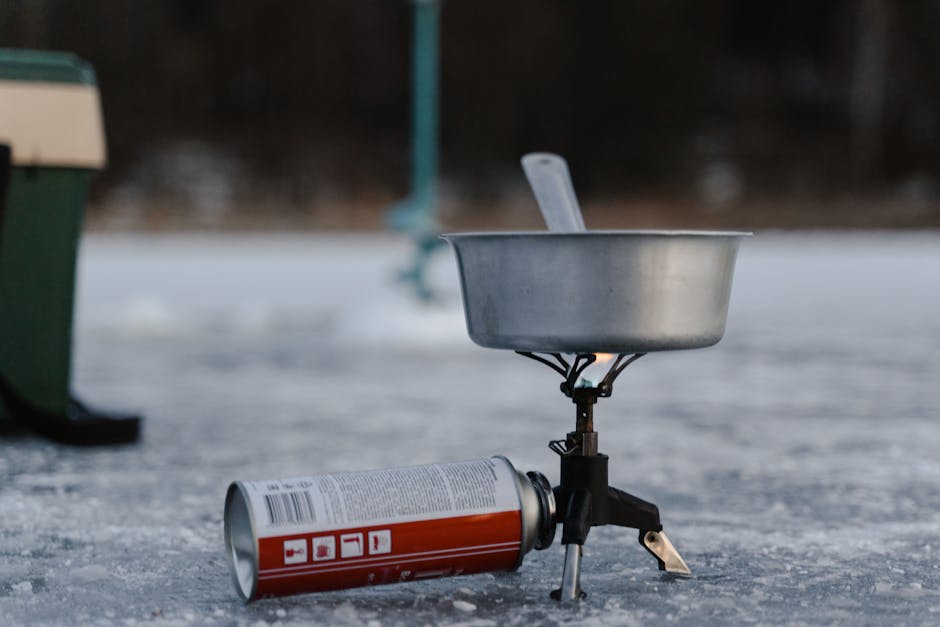
Fire starters are your best friend when you need warmth or a way to cook food. Matches and lighters might fail in wet conditions, so pack waterproof options like magnesium fire starters or flint and steel. Have you ever thought about how you'd start a fire if everything was soaked? During a hike, my lighter was useless after a fall into a stream. But a magnesium fire starter saved the day. Always have a backup method to ignite a fire. Practice using these tools before you need them; knowing how to start a fire can be a lifesaver. Incorporating these items into your survival kit ensures you're prepared for whatever Mother Nature throws your way. Remember, being prepared isn't just about survival; it's about peace of mind and confidence in any situation.
Safety And Protection
A survival kit should include essentials like food, water, and a flashlight. Add a first-aid kit and a whistle for emergencies. Keep important documents and a multi-tool handy for unexpected situations.
When preparing a survival kit, safety and protection are crucial components that ensure you are ready to handle unexpected situations. Imagine being in a scenario where medical help is hours away, or worse, dealing with an immediate threat. Your survival kit is your lifeline. It can make a significant difference in your ability to stay safe.
First Aid Kit
A first aid kit is non-negotiable in any survival kit. It's your first line of defense against injuries. Ensure it includes essentials like band-aids, antiseptic wipes, and gauze pads. Don't overlook the importance of a pain reliever and a pair of tweezers. In my personal experience, having a small first aid manual can be a lifesaver when you're unsure of how to handle an injury. Think about any specific needs you or your family might have. Do you have allergies that require an EpiPen? Make sure it's included. Regularly check your kit's contents to ensure nothing is expired or missing.
Self-defense Tools
Self-defense tools can provide peace of mind when you're in unfamiliar territory. A lightweight, durable flashlight can also serve as a defensive weapon. Pepper spray is a popular choice for its ease of use and effectiveness. Consider your personal comfort and skill level. Would you feel more confident with a whistle to alert others in an emergency? Or perhaps a multi-tool that can assist in various situations? Remember that the best self-defense tool is one you can use confidently and effectively. Do you have an experience where a self-defense tool made a difference? It's these moments that highlight their importance. Equip yourself with knowledge and tools that make you feel secure. Your survival kit should empower you, not intimidate you. Always remember, safety and protection aren't just about having the right items. It's about knowing how and when to use them. Stay informed and prepared, and your survival kit will serve you well in any situation.
Navigation Tools
Essential navigation tools are crucial in a survival kit. A reliable compass and detailed map ensure you stay on track. GPS devices offer extra guidance, especially in unknown terrains. Always pack these tools for safety and direction.
Navigating through the wilderness is crucial for survival. Whether you're trekking through dense forests or scaling rugged mountains, having the right navigation tools in your survival kit can be a game-changer. These tools ensure you stay on course and avoid getting lost, which can be dangerous in unfamiliar terrains. Let's dive into some essential navigation tools that you should always have at your disposal.
Maps And Compass
Maps are your best friend in the wilderness. They provide a visual layout of the land, showing trails, landmarks, and elevations. It's vital to carry a waterproof map to withstand unexpected weather conditions. Pair your map with a reliable compass. A compass helps you determine direction, ensuring your path aligns with the map. Practice using them together before heading out. Imagine being in a dense forest—without these tools, every tree looks the same, and you might end up walking in circles.
Gps Devices
GPS devices bring modern technology to your survival kit. They offer real-time location data, making navigation more precise. Consider a handheld GPS, which is durable and designed for outdoor use. However, GPS devices require batteries. Always carry extra batteries or a solar charger. Imagine you're hiking in a remote area and your GPS dies—backup power can be a lifesaver. Have you ever relied solely on technology, only to find it failing when you needed it most? It's a stark reminder that while GPS is powerful, traditional tools like maps and compasses are invaluable for redundancy. Think about your last adventure. Did you have to navigate through unfamiliar terrain? How equipped were you? Share your experiences and lessons learned in the comments below.
Communication Essentials
In a survival situation, communication is crucial. Being able to send and receive information can be life-saving. Communication essentials should be part of every survival kit. They help you stay connected and informed during emergencies.
Emergency Radios
Emergency radios are vital for staying updated. They provide weather alerts and news. Choose a radio that works without electricity. Some have hand cranks or solar panels. These features ensure you get information anytime.
Consider radios with multiple bands. AM, FM, and NOAA are common. They offer different types of broadcasts. A radio with a flashlight and USB charging is useful. It serves multiple purposes in emergencies.
Signal Mirrors
Signal mirrors are simple but effective. They reflect sunlight to send signals. Use them to catch attention from miles away. Aim the mirror towards rescuers or passing planes. Practice using it before an emergency.
Signal mirrors are lightweight and easy to pack. They fit in any survival kit. Make sure to choose a mirror with a sighting hole. This helps you aim the light accurately. A bright flash can be seen from a long distance.
Lighting And Power
In any survival situation, lighting and power are crucial. Imagine being stranded in the dark without a reliable light source. The right tools can make all the difference. Having the proper equipment ensures safety and visibility. Let’s explore what your survival kit should include.
Flashlights
A flashlight is essential for any survival kit. It provides light in dark situations. Choose a durable and water-resistant flashlight. LED flashlights are energy-efficient and long-lasting. They offer bright light and consume less power. Keep one in your kit for emergencies. Smaller, handheld flashlights are portable. They fit easily into any bag or pocket. Always test flashlights regularly to ensure they work.
Batteries
Batteries are the lifeline of your flashlight. Without them, your flashlight is useless. Stock up on extra batteries for emergencies. Choose long-lasting and reliable brands. Keep a variety of battery sizes in your kit. Different devices may need different sizes. Store batteries in a cool, dry place. This prevents them from losing charge over time. Regularly check and replace expired batteries.
Miscellaneous Items
A well-prepared survival kit is essential for emergencies. Pack basic items like water, food, flashlight, and first aid supplies. Don't forget a multi-tool, extra batteries, and a whistle for signaling help.
In preparing a survival kit, the essentials like food, water, and shelter supplies often take center stage. Yet, the power of miscellaneous items can transform your survival experience from challenging to manageable. These seemingly small additions can make a big difference in your kit's effectiveness and versatility. They are the unsung heroes, ready to step in when you least expect it.
Multi-tools
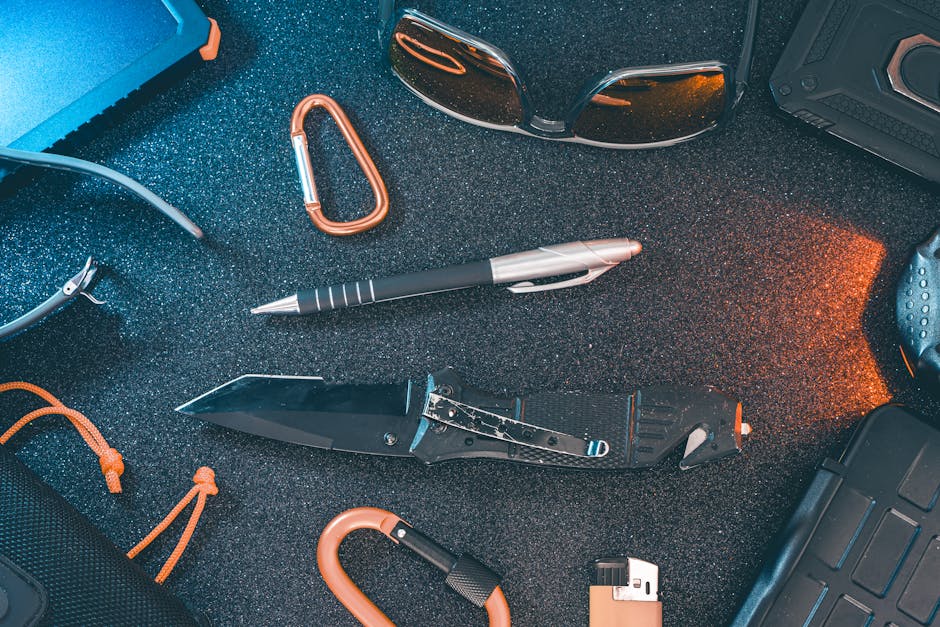
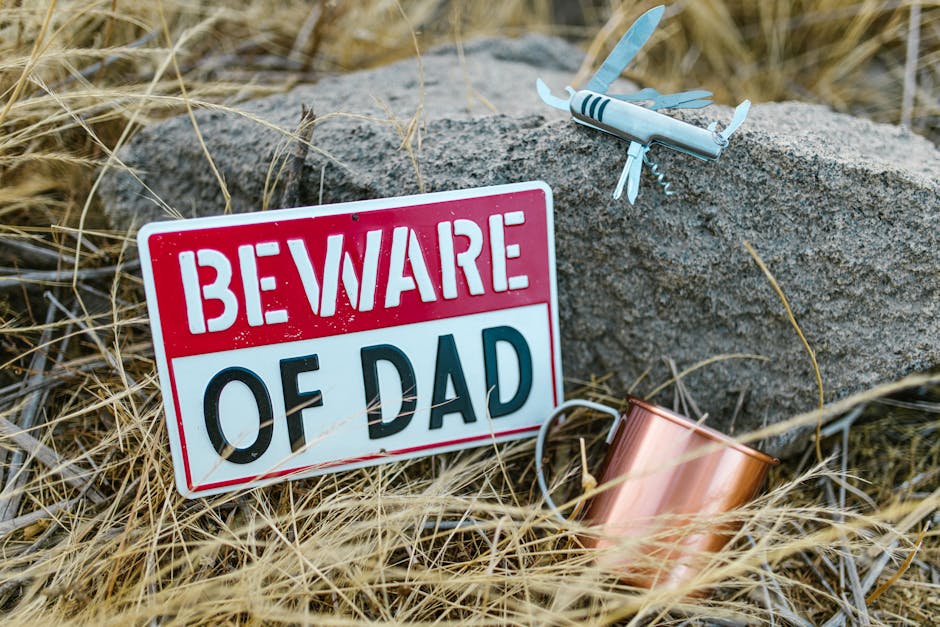
A multi-tool is a compact powerhouse. It's like carrying a toolbox in your pocket. From cutting to screwing, it handles a myriad of tasks. Imagine you're setting up a shelter and need to cut rope or open a can. A multi-tool can do that and more. It often includes pliers, scissors, and a knife, all in one easy-to-carry device. Think about how many times you wished you had a screwdriver or a bottle opener. With a multi-tool, you have both, and then some. It's a small investment with huge payoffs in survival situations.
Duct Tape
Duct tape is the epitome of versatility. It's not just for fixing things; it's for creating solutions. In a survival scenario, you might need to repair torn gear or make a waterproof barrier. Duct tape can help you do that swiftly and efficiently. It's strong, durable, and sticky, perfect for countless fixes. Consider using duct tape to patch up clothes or secure loose items. Its uses are as broad as your imagination. With a roll of duct tape, you're equipped to handle unexpected challenges.
What other miscellaneous items have you found surprisingly useful in survival situations? Share your thoughts and enrich your survival kit with innovative ideas.
Frequently Asked Questions
What Items Are Essential In A Survival Kit?
A survival kit should include water, food, first aid supplies, and tools. Add a flashlight, batteries, and a multi-tool. Include a whistle, blanket, and waterproof matches. Consider specific needs like medications or baby formula. Tailor your kit to the environment and duration of survival.
How Much Water Should A Survival Kit Have?
Aim for one gallon of water per person per day. Water is crucial for hydration and cooking. Consider portable filtration systems for longer durations. Small water bottles can be more manageable. Always prioritize clean, drinkable water in any survival situation.
What Food Is Best For A Survival Kit?
Choose non-perishable, high-energy foods like granola bars, canned goods, and dried fruits. Freeze-dried meals are lightweight and nutritious. Consider food that requires minimal preparation. Ensure a balance of proteins, carbohydrates, and fats. Keep dietary restrictions in mind when selecting items.
Why Is A First Aid Kit Important?
A first aid kit helps treat minor injuries and prevent infections. Include bandages, antiseptics, and pain relievers. Add items for treating cuts, burns, and sprains. First aid knowledge can be crucial in emergencies. Customize your kit to your needs and skill level.
Conclusion
Packing a survival kit is crucial for safety and preparedness. Start with basics: food, water, and first aid. Don’t forget a flashlight and extra batteries. Add a multi-tool for versatility. Include a whistle for signaling help. A map and compass can guide you when lost.
Keep important documents in waterproof bags. Personalize your kit with medications and special needs. Regularly check and update your supplies. Practice using your kit items to build confidence. With the right gear, you can face emergencies with peace of mind.
Stay prepared and stay safe.