Imagine this: a sudden storm hits, and the power goes out. You're left in the dark, and the roads are impassable.
What now? This isn’t a scene from a movie; it’s a reality many face unexpectedly. When disaster strikes, having an emergency preparedness kit can make all the difference. But stocking it with the right food? That’s where it gets tricky.
You need items that are not only nutritious but also have a long shelf life and are easy to prepare. This guide will show you exactly what food should be included in your emergency preparedness kit. By the end, you'll have the confidence and peace of mind knowing that you and your family are ready for anything. Are you prepared to be prepared? Let's dive in.
Non-perishable Items
Preparing an emergency kit is essential for safety. Having the right food items can make a big difference. Non-perishable items are perfect for long-term storage. They do not spoil quickly. These foods are easy to store and require little maintenance. They are crucial in emergencies. Let's explore some key non-perishable items.
Canned Goods
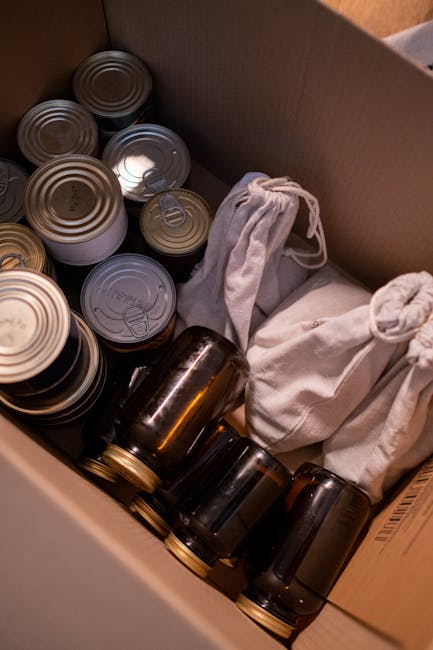
Canned goods are a staple in emergency kits. They last a long time. Canned vegetables, fruits, and meats are great choices. These foods provide essential nutrients. They are also easy to prepare. All you need is a can opener. This makes them convenient during power outages.
Dried Fruits And Nuts
Dried fruits and nuts are healthy options. They are rich in vitamins and protein. These items have a long shelf life. They are lightweight and easy to pack. Perfect for an emergency kit. They also make a quick snack. This helps in maintaining energy levels.
Instant Meals
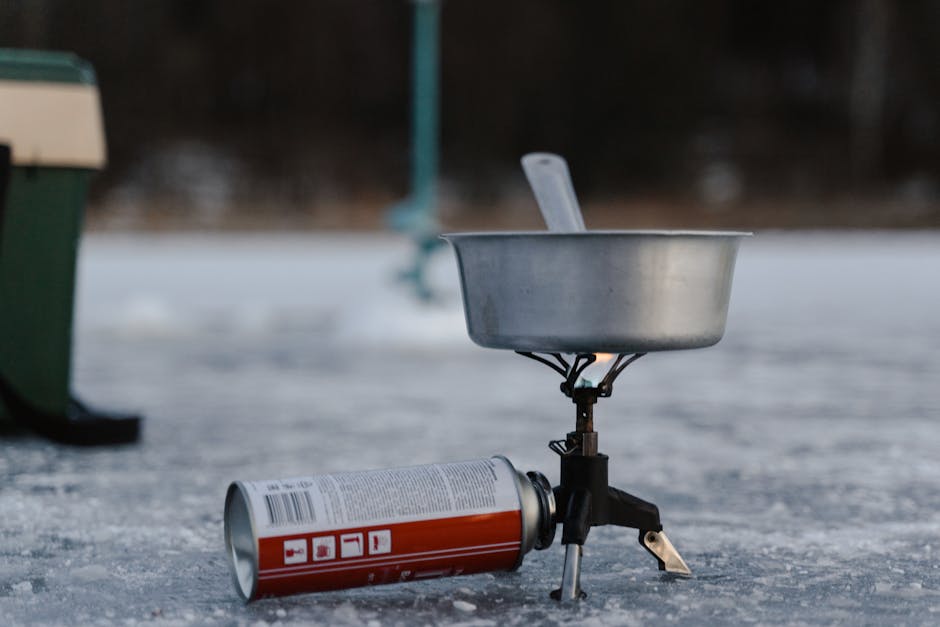
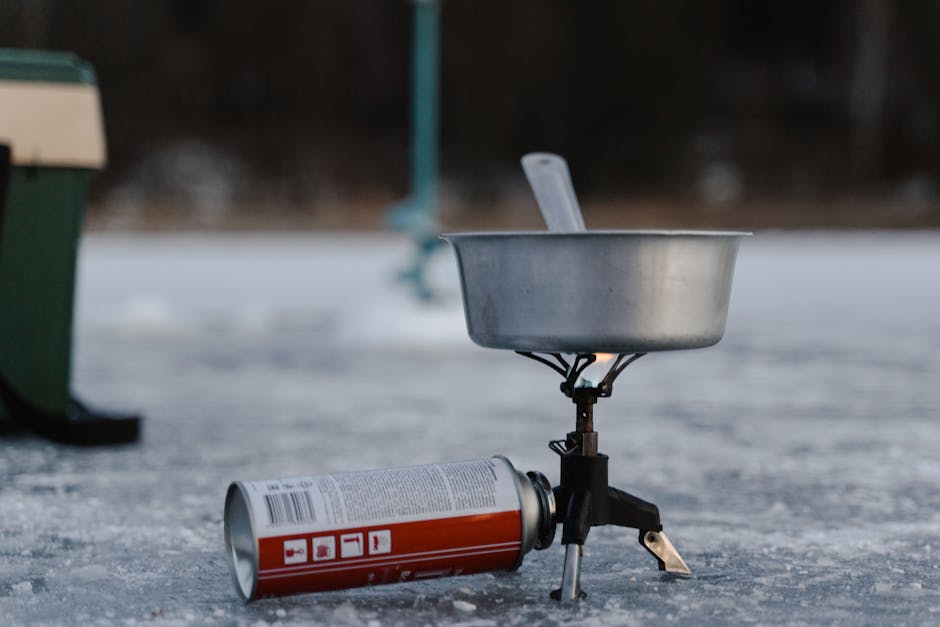
Instant meals offer quick and easy preparation. They require minimal cooking. Just add hot water. They include soups, pasta, and oatmeal. These meals are designed to last long. Perfect for situations with limited resources. They provide warmth and comfort in tough times.
High-energy Foods
Emergency preparedness kits should include high-energy foods like nuts, dried fruits, and protein bars. These foods offer essential nutrients and keep energy levels up during emergencies. Compact and non-perishable, they are ideal for long-term storage and quick consumption.
When disaster strikes, your emergency preparedness kit becomes your lifeline. You need food that not only sustains you but provides the energy to face challenges head-on. High-energy foods are crucial in your kit. They're packed with nutrients and calories, ensuring you stay strong and focused when it matters most. Ever been stuck in a power outage and realized your snack stash is nothing but chips? That's why it's vital to plan ahead and choose wisely. Let's dive into some must-have high-energy foods.
Energy Bars
Energy bars are compact and convenient. They're designed to deliver a quick boost of energy. With a mix of carbohydrates, proteins, and fats, they keep you satiated longer. Have you tried munching on one during a hiking trip? It's amazing how it recharges you instantly. Check the labels for high calorie counts and protein content, ensuring maximum energy output. Make them a staple in your kit—they're your secret weapon against fatigue.
Trail Mix
Trail mix is the perfect balance of sweet and savory. Packed with nuts, dried fruits, and sometimes chocolate, it offers a variety of nutrients. Nuts provide healthy fats and proteins, while dried fruits give you a sugar rush without the crash. Remember that road trip where you lived off trail mix? It kept you energized and alert. Customize your mix to suit your taste and dietary needs. Add it to your kit for a satisfying crunch anytime.
Peanut Butter
Peanut butter is a powerhouse of energy. Rich in proteins and healthy fats, just a spoonful can keep hunger at bay. It's versatile and can be paired with crackers or bread for a quick meal. Have you ever spread peanut butter over an apple slice? It's a delicious, energy-packed snack. Choose shelf-stable jars to avoid spoilage. Include it in your kit for a reliable source of nourishment in emergencies. What other high-energy foods do you think should make the cut? Your choices can make all the difference when you're in a pinch.
Comfort Foods
In times of crisis, comfort foods provide emotional support. They offer a sense of normalcy and warmth. Including them in an emergency preparedness kit is essential. These foods uplift moods and reduce stress. They remind us of better times. Let's explore some comforting choices that can make a difference.
Chocolate
Chocolate is a universal comfort food. Its rich taste and smooth texture bring joy. It boosts serotonin levels, enhancing mood. Dark chocolate lasts longer and offers health benefits. Stock up on chocolate bars or chips. They are easy to store and consume.
Coffee And Tea
Coffee and tea are staples in many households. They provide warmth and relaxation. Instant coffee and tea bags are ideal for kits. They require minimal preparation and space. Sipping a warm cup can ease anxiety. It offers a familiar routine during uncertain times.
Soup Mixes
Soup mixes are nourishing and comforting. They are easy to prepare with hot water. Packed with flavors, they offer a hearty meal. Choose varieties with beans, grains, and vegetables. They provide essential nutrients and warmth. A bowl of soup soothes the soul.
Hydration Essentials
Include bottled water, canned fruits, and soups in your emergency kit for essential hydration. Dried fruits and vegetables provide nutrients and help retain water in the body. Keep electrolyte drinks handy for maintaining balance during emergencies.
In any emergency, staying hydrated is vital. Water keeps our bodies functioning. It maintains energy levels and supports overall health. Preparing for emergencies means having the right hydration essentials. This ensures you and your family stay safe and well. Here are key items to include in your emergency kit for hydration.
Bottled Water
Bottled water is a must-have in any emergency kit. It's safe, convenient, and easy to store. Aim for at least one gallon per person per day. This amount covers drinking and basic hygiene needs. Choose sealed bottles to ensure water remains uncontaminated. Store them in a cool, dark place.
Electrolyte Drinks
Electrolyte drinks help replenish lost minerals. During emergencies, stress and activity can deplete your body's electrolytes. These drinks restore balance and aid in hydration. They often come in powder or liquid form. Choose varieties with low sugar content for better health benefits.
Water Purification Tablets
Water purification tablets are a practical backup. In emergencies, clean water sources may be scarce. These tablets make contaminated water safe to drink. They're lightweight and easy to store. Follow instructions carefully to ensure effectiveness. Always keep a supply in your emergency kit.
Special Dietary Needs
Include canned fruits, vegetables, and proteins for balanced nutrition in an emergency kit. Opt for dried beans, nuts, and seeds to ensure essential nutrients. Gluten-free items cater to special dietary needs.
In times of emergency, food becomes essential. Special dietary needs add a layer of complexity. Planning for these needs ensures everyone stays healthy. Proper preparation is critical.
Gluten-free Options
People with gluten intolerance must avoid wheat, barley, and rye. Include gluten-free grains like rice and quinoa. Pack canned beans and lentils. They are protein-rich. Consider gluten-free pasta and snacks. Oats labeled gluten-free are safe. Check labels carefully for hidden gluten.
Low-sodium Choices
High sodium can harm those with heart conditions. Choose low-sodium canned vegetables. Look for low-sodium soups and broths. Opt for fresh or dried fruits. They are naturally low in sodium. Whole grains like brown rice are good choices. Make sure to read nutrition labels.
Allergy-friendly Foods
Allergies can make emergency planning tricky. Identify common allergens like nuts, dairy, and soy. Stock safe alternatives like almond or oat milk. Consider seed butters instead of peanut butter. Safe snacks are rice cakes or popcorn. Always have an EpiPen if needed. Check ingredient lists for allergens.
Long Shelf Life Snacks
Choose snacks with a long shelf life for an emergency kit. Include items like nuts, dried fruits, and granola bars. These provide energy and nutrition, and stay fresh for a long time.
When assembling an emergency preparedness kit, choosing the right snacks with a long shelf life can make all the difference. These snacks not only keep you full but also provide essential nutrients during uncertain times. Imagine being stuck without power for days; having satisfying snacks can lift your spirits and sustain your energy levels. Let's dive into some practical snack options you should consider.
Crackers
Crackers are a versatile and convenient snack to include in your emergency kit. They stay fresh for a long time, especially when stored in airtight containers. Opt for whole-grain varieties to maximize fiber intake. Whole-grain crackers can be paired with canned tuna or peanut butter, adding protein and flavor to your meals. Have you ever tried rye crackers with a dollop of cheese spread? It’s a simple yet delicious way to make the most of limited resources.
Jerky
Jerky is a powerhouse of protein and a must-have in any emergency kit. Whether it's beef, turkey, or plant-based, jerky provides a quick energy boost. It's lightweight, making it easy to pack and carry. Choose lower-sodium options to stay hydrated longer. I remember a camping trip where jerky was the go-to snack that kept everyone fueled and happy. Have you thought about how a small pack of jerky could sustain you through a tough day?
Granola
Granola is another excellent choice for your kit, offering a mix of carbohydrates, fiber, and healthy fats. It's perfect for breakfast or a quick snack. You can eat it straight from the bag or mix it with a bit of powdered milk for a satisfying meal. Look for granola that contains nuts and dried fruits for added nutrition. One time, during a power outage, granola was my go-to snack that kept my energy levels stable. What combination of flavors do you think would make your emergency kit more enjoyable? Including these long shelf life snacks in your emergency kit ensures you're well-prepared for any situation. Remember, the key is to choose snacks that are not only nutritious but also comforting. After all, a little planning today can make a world of difference tomorrow.
Frequently Asked Questions
What Food Is Best For Emergency Kits?
Non-perishable food items are ideal for emergency kits. Canned goods, dried fruits, and nuts provide nutrition and have long shelf lives. Consider high-energy snacks like granola bars. These foods are easy to store and require minimal preparation, ensuring you have sustenance during emergencies.
How Long Can Emergency Food Last?
Emergency food can last up to several years if stored properly. Check expiration dates regularly and rotate supplies to maintain freshness. Keep food in a cool, dry place to extend shelf life. Vacuum-sealed and canned foods are reliable options for long-term storage.
Should I Include Water In My Kit?
Yes, water is essential in an emergency kit. Aim for at least one gallon per person per day. Consider water purification tablets and portable filters. Store water in durable containers to prevent leaks. Having clean water ensures hydration and can be used for cooking or cleaning.
Are Canned Foods Suitable For Emergencies?
Canned foods are excellent for emergencies due to their long shelf life. They are easy to prepare and require no refrigeration. Choose a variety of options like beans, vegetables, and meats. Ensure you have a manual can opener in your kit to access these foods when needed.
Conclusion
Choosing the right foods for an emergency kit is crucial. Focus on non-perishable items. Think canned beans, dried fruits, and nuts. These offer nutrition and energy. Water is vital; store enough for each person. Don't forget comfort foods. Chocolate or granola bars can boost morale.
Balance is key. Keep allergies in mind. Rotate items regularly to ensure freshness. Preparing wisely can ease stress during emergencies. Stay safe, smart, and ready. Simple choices make a big difference.