Imagine the vibrant flutter of monarch butterflies, their delicate wings dancing in the warm summer breeze. But what happens when the temperature drops?
Can these fragile creatures survive the chill of cold weather? As you cozy up with a cup of tea, let's uncover the fascinating survival secrets of monarch butterflies. You'll discover how these incredible insects manage to endure the cold and what it means for their future.
If you're curious about nature's wonders and the resilience of life, this is a story you won't want to miss. Prepare to be amazed by the resourcefulness of these beautiful butterflies and learn why their survival is more important than ever.
Monarch Butterflies And Cold Weather
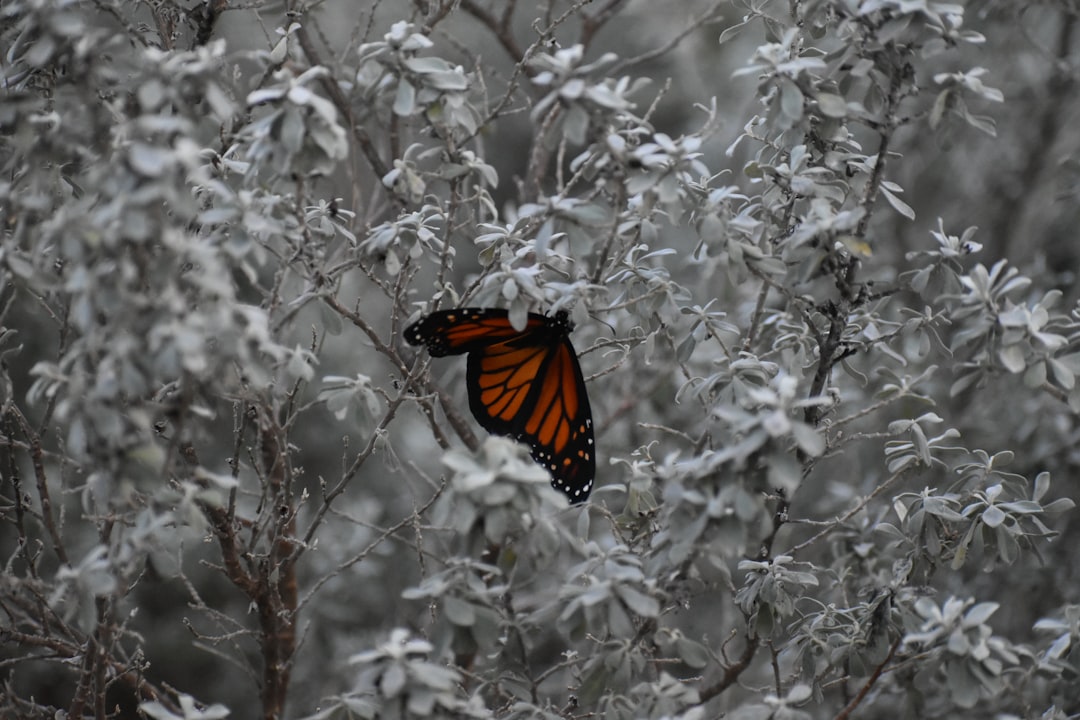
Monarch butterflies are known for their striking orange and black wings. These delicate creatures undertake an epic journey across North America every year. Their migration is a marvel of nature. But how do they survive cold weather?
Monarchs are sensitive to temperature changes. They can't survive freezing weather. They migrate to warmer climates to escape the cold. This journey is crucial for their survival.
Monarchs travel south to avoid winter. They head to Mexico and California. These regions offer the warmth they need. The migration can span thousands of miles. It's a long and difficult journey.
Wintering Sites
In Mexico, monarchs find refuge in forests. These forests provide a unique microclimate. It's cool, but not freezing. The trees offer protection from wind and rain.
Monarchs have special adaptations. Their wings help them glide in the air. They conserve energy during their journey. Monarchs cluster together for warmth. This behavior helps them survive chilly nights.
Impact Of Climate Change
Climate change affects monarchs. Winters are becoming unpredictable. Unusual weather patterns can harm them. Conservation efforts aim to protect their habitats. Everyone can help by planting milkweed.
Migration Patterns
Monarch butterflies are known for their incredible migration patterns that stretch across thousands of miles. These delicate creatures cannot survive cold weather, so they embark on a remarkable journey to escape the harsh temperatures. Understanding the intricacies of their migration can help you appreciate these butterflies' resilience and adaptability. Can you imagine a journey so vital that it determines survival?
Northward Summer Journey
Monarchs begin their northward journey in the spring. They travel from Mexico to the northern regions of the United States and Canada.
This journey spans several generations. Each butterfly flies around 50 to 100 miles per day, resting at night.
The butterflies seek milkweed plants to lay their eggs. Milkweed is essential for their survival as caterpillars feed on it exclusively.
Think about the dedication required to travel such distances for survival. It's a testament to nature's determination.
Southward Winter Retreat
As the colder months approach, monarchs embark on their southward retreat. They migrate back to warmer climates in Mexico.
This retreat is a single-generation journey. Monarchs travel up to 3,000 miles to reach their wintering sites.
The butterflies cluster in dense groups to stay warm. They roost in oyamel fir trees, creating a breathtaking spectacle.
Witnessing this migration is a reminder of the importance of preserving habitats. How can we ensure these butterflies continue their journey?
Understanding migration patterns is crucial for monarch conservation. Simple steps like planting milkweed and protecting roosting sites can make a difference.
Your actions can help safeguard these remarkable creatures. Are you ready to contribute to their survival?
Adaptations For Survival
Monarch butterflies migrate south to survive cold weather. Their journey spans thousands of miles to warmer climates. These migrations ensure their survival through harsh winters.
When winter chills bite, many of us snuggle under layers or crank up the heat. But what about monarch butterflies? These delicate creatures face harsh conditions that could easily threaten their survival. Yet, they thrive. How? Through fascinating adaptations that allow them to endure cold weather. Understanding these adaptations can inspire you to think about resilience in new ways.
Temperature Regulation
Monarch butterflies are experts at regulating their body temperature. They migrate to warmer climates, like Mexico, where the temperatures are more manageable. But what if they encounter unexpected cold snaps during their journey? They gather in large clusters to share warmth and reduce heat loss. It's a community effort that showcases how working together can make a difference. Have you ever thought about how much stronger we are when we support each other?
Physical Characteristics
Their physical traits play a crucial role in surviving the cold. Monarchs have a unique ability to slow down their metabolism. This reduces their energy needs, allowing them to conserve resources during frigid temperatures. Their wings are not just for show. The dark coloration absorbs sunlight, helping them warm up quickly when the sun is out. Imagine having built-in solar panels for your winter jacket! These butterflies might be small, but their adaptations are mighty. Next time you face a challenge, think about the monarchs and how they turn obstacles into opportunities. How can you adapt to overcome your own life challenges?
Threats From Cold Weather
Monarch butterflies face significant threats from cold weather. These delicate creatures are vulnerable to dropping temperatures. Cold weather impacts their survival and migration patterns. As temperatures fall, monarchs struggle to maintain their life cycle. Overwintering sites also pose specific challenges. Understanding these threats is vital for their conservation. Let's explore how cold weather impacts them.
Impact On Life Cycle
Cold weather disrupts the monarch butterfly's life cycle. It affects their breeding and development stages. Low temperatures slow down their metabolic processes. This delay impacts their growth and reproduction. Monarchs may take longer to mature. This affects their ability to reproduce in time. Shorter days and colder nights also confuse their natural rhythms. They may not find enough food to sustain themselves. This leads to weakened butterflies, vulnerable to predators.
Challenges In Overwintering Sites
Monarchs face many challenges in their overwintering sites. These sites are supposed to offer warmth and safety. Yet, unexpected cold snaps can be deadly. Monarchs cluster together to stay warm. But extreme cold can still penetrate their defenses. Frost and snow can cover their food sources. This makes finding nourishment difficult. Strong winds can also dislodge them from their resting places. This exposes them to the harsh elements. Human activities further threaten these sites. Deforestation and habitat loss reduce available shelter. Conservation efforts are crucial to protect these vital areas.
Conservation Efforts
Monarch butterflies face challenges in cold weather due to their delicate nature. Conservation efforts focus on protecting their habitats. These efforts aim to ensure their survival during harsh conditions.
The survival of monarch butterflies in cold weather is a pressing concern, and conservation efforts play a crucial role in their protection. These majestic creatures, with their vibrant wings and delicate flight, face numerous challenges. As you learn about these efforts, you'll see how individuals and communities can make a significant difference.
Habitat Protection
Protecting the natural habitats of monarch butterflies is vital. One approach is preserving milkweed, the plant where monarchs lay their eggs. Without it, their life cycle is disrupted. Efforts often include encouraging local governments to protect and expand these habitats. Simple actions like planting milkweed in your garden can contribute to a larger conservation mission. Creating buffer zones around important breeding areas can prevent habitat destruction. This strategy helps maintain the delicate ecosystems monarchs depend on for survival.
Community Involvement
Communities play a pivotal role in monarch conservation. Organizing local events to raise awareness can inspire others to join the cause. Imagine a neighborhood coming together to plant a butterfly garden. Educational programs in schools can ignite a passion for conservation in young minds. Children learn the importance of biodiversity and become advocates for these creatures. Every small action adds up. Have you ever thought about how your garden could become a sanctuary for monarchs? Your involvement matters more than you might think. Connecting with conservation organizations can provide resources and guidance. These groups often lead initiatives that have a lasting impact on butterfly populations. Conservation is not just for scientists and experts. It's a community effort where each person can contribute significantly. As you consider your role, think about the potential ripple effects of your actions. What will you do today to help ensure monarch butterflies can endure the cold and thrive for generations to come?
Future Of Monarch Butterflies
The future of monarch butterflies hangs in balance. These vibrant creatures face many challenges. Cold weather threats are just one concern. Understanding their future requires a deep dive into various factors. Let's explore the impacts of climate change and the importance of research.
Climate Change Effects
Climate change poses a serious threat to monarch butterflies. Rising temperatures disrupt their migration patterns. Unpredictable weather can harm their habitats. Cold snaps during migration can be fatal. Monarchs rely on specific environmental cues. Changes in climate can confuse these signals. This disruption affects their survival rates.
Monarchs need a stable environment for reproduction. Climate change alters this stability. Changes in seasons affect their breeding cycles. These disruptions can lead to a decline in their population.
Research And Monitoring
Research plays a vital role in monarch conservation. Scientists track their migration routes. They study the effects of weather on these paths. Monitoring efforts help understand population changes. This data is crucial for developing protection strategies.
Citizen scientists also contribute valuable information. They record sightings and behaviors. This grassroots data aids in comprehensive research. Collaborative efforts enhance our understanding of monarch needs.
Ongoing research helps identify new threats. It also explores potential solutions. Protecting monarchs requires a collective effort. Both scientists and the public play crucial roles.
Frequently Asked Questions
Can Monarch Butterflies Tolerate Freezing Temperatures?
Monarch butterflies cannot survive freezing temperatures. They require a warm climate to thrive. During cold months, they migrate to warmer regions. This behavior is crucial for their survival. Without migration, cold weather can lead to their demise.
How Do Monarchs Survive Winter Months?
Monarchs survive winter by migrating to warmer regions. In North America, they travel to Mexico. This journey helps them escape the cold. Their migration is a natural adaptation for survival. They return when temperatures rise.
What Temperature Is Too Cold For Monarchs?
Temperatures below 55°F are too cold for monarchs. They become inactive and risk freezing. Monarchs need warmth to maintain their metabolism. Cold conditions can be lethal if prolonged.
Do Monarch Butterflies Hibernate In Winter?
Monarch butterflies do not hibernate. Instead, they migrate to avoid cold weather. Their migration is a form of adaptation. It allows them to stay active and survive. This behavior is different from hibernation.
Conclusion
Monarch butterflies face challenges in cold weather. They need warmth to survive. Migration helps them escape the cold. Not all butterflies make it. Climate change affects their journey. Warmer winters can confuse them. Protecting habitats is crucial for survival. Plant native milkweed for food.
Support conservation efforts. Educate others about their struggles. Every action counts. Monarchs are vital to ecosystems. Their survival is linked to ours. We must act to ensure their future. Small steps make a big difference. Let's help monarchs thrive in changing climates.
Their survival depends on us.