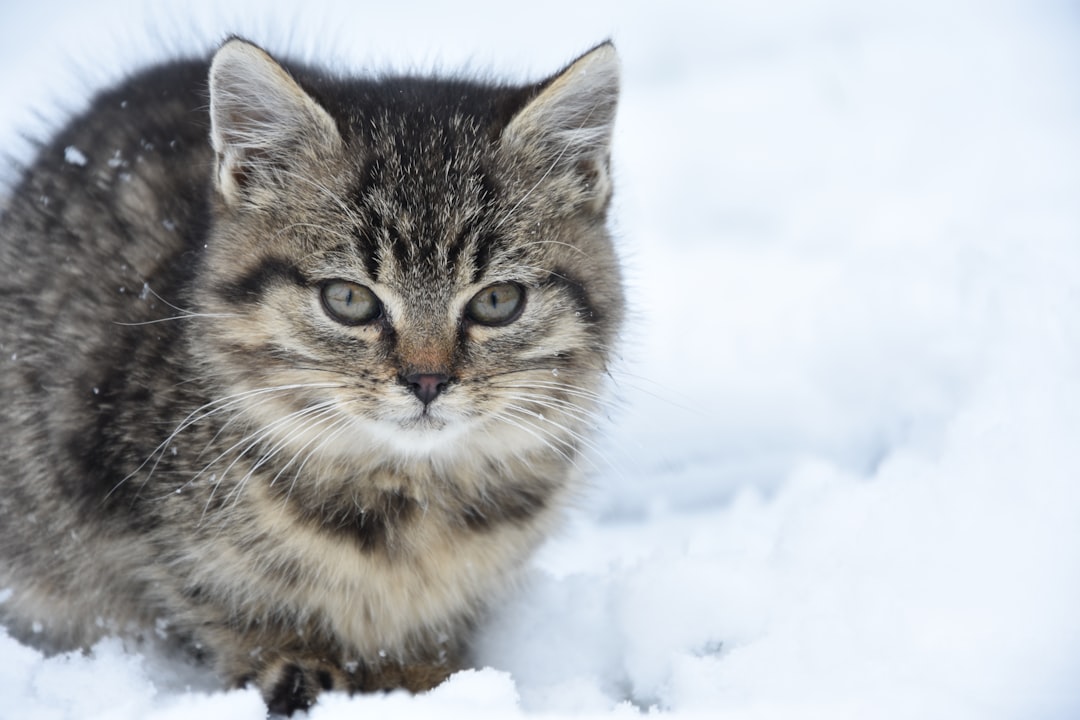
As winter approaches, you might find yourself worrying about the little furballs in your care. You’ve seen your kitten shiver when the temperature drops, and you can’t help but wonder: Can kittens survive in cold weather?
This is a question that tugs at your heartstrings and makes you want to ensure the safety and comfort of your feline friend. Imagine your kitten snuggled up, warm and safe, despite the chill outside. This isn’t just about survival; it’s about creating a cozy haven where your kitten can thrive even when it's freezing outside.
You’re not alone in your concerns, and there’s a lot you can do to protect your pet from the harsh elements. You'll discover practical tips and insights that could make all the difference for your kitten this winter. So, if keeping your kitten warm and healthy is your top priority, read on to find out how you can be your kitten's hero during the cold months ahead.
Kittens And Cold Weather Risks
As winter approaches, you may find yourself wondering how your furry little friend will cope with the chill. Kittens, with their playful innocence and vulnerable nature, face significant risks during cold weather. Understanding these risks is crucial to keeping them safe and healthy.
Impact Of Low Temperatures
Low temperatures can be harsh on kittens. They lack the body fat and thick fur that adult cats have, making it hard for them to stay warm. A sudden drop in temperature can lead to hypothermia, a condition where the body loses heat faster than it can produce it.
Imagine your kitten shivering uncontrollably. That’s a sign they’re struggling with the cold. Even indoor kittens can feel the chill if your home isn’t adequately heated. Consider investing in a cozy bed or heated pad to keep them comfortable.
Signs Of Cold Stress
Spotting cold stress early is crucial. Look out for lethargy, weakness, or a kitten huddling close to heat sources. These are red flags that they might be too cold. A kitten that's normally active but suddenly refuses to play might be experiencing cold stress.
Have you ever seen a kitten with cold ears or paws? That’s another sign of cold stress. Their ears and paws are often the first to lose warmth. Check these areas regularly to ensure they’re not too cold.
Are you prepared to take action if you spot these signs? Promptly moving them to a warmer environment can make all the difference. Remember, kittens can’t tell you they’re cold, but their behavior can speak volumes.
Keeping your kitten warm is not just about comfort; it’s about survival. Be proactive and ensure your home is a safe haven from the cold. Their health depends on it.
Preparing For Cold Conditions
Kittens face challenges in cold weather due to their small size and lack of body fat. Keeping them warm is crucial for their survival. Providing a cozy environment helps protect them from harsh conditions.
Preparing your kitten for cold weather is crucial. Kittens are delicate and need extra care. Cold weather can be challenging for them. They need warmth to survive. This guide helps you prepare for cold conditions. Protect your kitten from harsh weather.
Creating Warm Environments
Warm environments are essential for kittens. Keep your home cozy and comfortable. Use heaters to maintain a warm temperature. Ensure there's no cold air entering the room. Check windows and doors for drafts. Block any gaps to keep the cold out. Provide soft blankets for your kitten. Soft materials retain heat better. Place blankets in areas where your kitten spends time. Use pet-safe heating pads for extra warmth. Make sure they are not too hot. Kittens can burn easily.
Insulating Sleeping Areas
Sleeping areas need insulation. Cold floors can harm kittens. Use rugs or carpets to insulate floors. Place them under sleeping areas. They provide warmth and comfort. Choose a warm bed for your kitten. Beds with high sides keep warmth inside. Add layers of blankets for extra insulation. Ensure the bed is away from cold walls. Walls can make the bed colder. Consider using pet tents or igloos. They trap heat and create a cozy space. These are perfect for cold nights. Make sure the tent is the right size. Too big, and it won't retain heat. Too small, and it won't be comfortable.
Dietary Adjustments For Cold Weather
Kittens need extra care in cold weather. Adequate nutrition helps maintain their body warmth. A balanced diet supports their energy needs, ensuring survival in chilly conditions.
As the temperatures drop, your kittens might need a bit of extra care to stay warm and healthy. One crucial aspect of their care during cold weather is adjusting their diet. By tweaking what they eat, you can help them maintain their energy levels and stay cozy. The right food can make a big difference in how your little furballs handle chilly days.
Nutritional Needs
Kittens need more calories in cold weather. Their bodies burn more energy to keep warm. You might notice them being a little more active or eating more than usual. Consider adding more protein to their meals. Foods rich in protein can help sustain their energy. Think about what you feed them and adjust accordingly. Maybe you've noticed your kitten sleeping more than usual. This can be a sign they need more nutrients. Pay attention to their behavior as a guide.
Hydration Importance
Water is essential, even when it's cold. Kittens can easily become dehydrated without you noticing. Warm weather often prompts more water consumption, but don't let the cold fool you. Keep their water bowls full and fresh. Sometimes kittens don't drink enough in winter. You can add a little water to their food to help. Every bit counts in keeping them hydrated. Have you ever wondered if your kitten's diet is enough for winter? Small adjustments can make a big difference in their well-being. So, what changes will you make to keep your furry friends happy and healthy this season?
Monitoring Health In Winter
Kittens need extra care in cold weather. Their small bodies struggle to maintain warmth, making it crucial to monitor their health. Providing cozy bedding and ensuring they stay indoors can help keep them safe and comfortable during winter.
Monitoring your kitten’s health during the winter months is crucial for their well-being. While these tiny furballs are naturally equipped with some insulation, cold weather can still pose serious risks. Understanding how to keep your kitten safe and healthy in low temperatures is vital for any pet owner.
Recognizing Hypothermia
Hypothermia in kittens can be life-threatening if not identified early. You might notice symptoms like shivering, lethargy, or a drop in body temperature. Have you ever seen your kitten avoiding playtime, choosing to curl up in a corner instead? This could be a sign. Ensure your kitten has a warm, cozy space indoors. Use blankets or a heated pet bed to help maintain their body warmth. Check their ears and paws; if they feel cold to the touch, it might be time to take action.
Preventing Frostbite
Frostbite is another concern when temperatures drop. It affects the extremities, such as ears, paws, and tail. Once, my neighbor's kitten got frostbite on its paws after being left outside too long. Limit your kitten's outdoor exposure during cold spells. If they must go outside, supervise their time and ensure they come back in quickly. Consider pet-safe booties for extra protection, especially if you live in an area with harsh winters. Be proactive about your kitten's health this winter. Each small action contributes to their overall safety and happiness. Are you prepared to keep your kitten warm and healthy as temperatures fall?
Safety Measures Outdoors
Cold weather poses serious risks to kittens. Their small size makes it hard to retain body heat. Providing shelter and warmth is crucial for survival in harsh outdoor conditions.
When the temperature drops, the great outdoors can pose a significant threat to kittens. Yet, with the right safety measures, you can help them stay warm and healthy. It's crucial to understand the needs of your furry friends and take action to ensure their well-being. Whether it's about limiting their time outside or providing adequate shelter, your efforts can make a world of difference. Let’s explore some practical strategies to protect kittens in cold weather.
Time Limitations In Cold
Keep outdoor time to a minimum. Kittens are more susceptible to cold than adult cats. Short trips outside, preferably during the warmest parts of the day, are ideal. Monitor their behavior closely. If you notice shivering or lethargy, bring them indoors immediately. Your quick response can prevent potential health issues. Set a timer to remind yourself when they should come back inside. It’s easy to lose track of time, especially during a busy day. A simple alarm can be a lifesaver.
Outdoor Shelter Options
Provide a warm, dry shelter for any time spent outside. A small, insulated box can work wonders. Ensure it is elevated to avoid direct contact with the cold ground. Line the shelter with straw or blankets to add warmth. Avoid using materials like towels that can absorb moisture and freeze. Make sure the entrance is small to minimize heat loss but large enough for the kitten to comfortably enter and exit. A door flap can help keep the cold air out. Are there any old containers or boxes lying around your home? With a few modifications, they can become cozy shelters. Your creativity in repurposing household items can be both budget-friendly and effective. By implementing these strategies, you not only safeguard your kittens from the harsh elements but also give them the freedom to explore without compromising their safety. What unique ways have you found to keep your kittens safe during colder months? Share your tips and inspire others to protect their furry companions.
Clothing And Accessories
Kittens need warmth to stay healthy. Cold weather can be tough on them. Cozy clothing and accessories help keep them warm and safe.
When winter arrives, keeping your kitten warm becomes a priority. Tiny paws and fluffy fur might be adorable, but they aren’t always enough to protect them from the harsh cold. This is where clothing and accessories come into play, offering stylish yet functional solutions to keep your furry friend cozy and safe.
Choosing Suitable Attire
Choosing the right attire for your kitten can be a fun and rewarding experience. Look for materials that are soft and breathable, ensuring your kitten's comfort. Cotton and wool are excellent choices. Ensure the fit is just right—not too tight to restrict movement, nor too loose to cause tripping. You might wonder if your kitten will tolerate wearing clothes. Start with short periods and gradually increase the time as they adjust.
Benefits Of Pet Jackets
Pet jackets offer more than just warmth. They can be a life-saver during unexpected chilly evenings or outdoor adventures. Jackets with reflective strips add safety during nighttime outings. Many jackets come with additional features such as waterproof layers and adjustable straps, providing versatility for different weather conditions. Imagine the peace of mind knowing your kitten is protected from the cold and the rain, all with a stylish flair. Have you noticed how some kittens seem to strut around in their jackets as if they’re on a fashion runway? It's not just about looks; it’s about confidence and comfort. Your kitten might just surprise you with how much they enjoy their new attire. Do you think your kitten would benefit from a pet jacket this winter? Give it a try and notice the difference it makes in their outdoor playtime.
Emergency Preparedness
Kittens face challenges surviving in cold weather. Their small bodies lose heat quickly, making them vulnerable. Providing warmth and shelter is essential.
Kittens, with their playful antics and tiny paws, bring joy to any home. But as temperatures drop, their survival can become a concern. Cold weather can be harsh on these little creatures. Being prepared for emergencies can make a significant difference. It’s not just about warmth; it’s about ensuring their safety and health.
First Aid For Cold Exposure
Immediate action can save a kitten from severe cold exposure. If you find a kitten shivering or lethargic, it’s crucial to act quickly. Wrap the kitten in a warm blanket or towel to gradually increase their body temperature. You can use a hot water bottle wrapped in cloth as a heat source, but ensure it’s not too hot. Monitor the kitten closely. Look for signs like pale gums or difficulty breathing. These may indicate severe hypothermia. In such cases, seek veterinary help immediately.
Contacting Veterinary Help
If a kitten shows signs of cold-related distress, contacting a vet is vital. Have your vet’s contact information handy. Quick access can make all the difference. Explain the symptoms clearly when you call. A vet can provide guidance over the phone. They might suggest immediate measures or advise bringing the kitten in for an examination. Have you ever had to rush a pet to the vet in an emergency? That rush is real, and preparedness can ease the anxiety. Save the contact details of a 24-hour veterinary service in your area. You never know when you might need it. Taking these steps ensures that you are ready to protect your kitten from the cold. Are you prepared for emergencies that might affect your pet? Planning ahead could be what keeps your furry friend safe and sound.
Frequently Asked Questions
How Do Kittens Stay Warm In Cold Weather?
Kittens stay warm by huddling together for body heat. Providing blankets and a warm shelter helps. Use heating pads designed for pets to ensure they stay comfortable. Proper insulation in their sleeping area is crucial. Always monitor their environment to prevent hypothermia.
What Temperature Is Too Cold For Kittens?
Kittens are sensitive to temperatures below 45°F (7°C). Such cold can lead to hypothermia. Keep their environment warm and draft-free. Indoors, ensure they have access to heated areas or warm bedding. Regularly check their ears and paws for signs of cold stress.
Can Kittens Get Sick From Cold Weather?
Yes, kittens can get sick from cold weather. Cold temperatures can weaken their immune system. This makes them prone to respiratory infections. Ensure they have a warm, dry place to stay. Always provide proper nutrition to boost their immunity during colder months.
How To Keep Kittens Safe In Winter?
To keep kittens safe, provide warm shelter and bedding. Use pet-safe heating options like heating pads. Ensure they have enough food and water. Check regularly for frostbite signs on ears and paws. Keep them indoors during extremely cold weather.
Conclusion
Kittens need care to thrive in cold weather. Their small bodies lose heat quickly. Warm shelter is essential for their survival. Keep them indoors where it's cozy. Blankets and heating pads can help. Nutrition is vital, so feed them well.
Hydration matters, too. Watch for signs of cold stress. Shivering or lethargy? Act fast. Consult a vet if needed. Protecting kittens from the cold ensures their health. They deserve warmth and safety. Be their guardian in chilly times. Your love and attention can make a difference.
Stay attentive and care for their needs.