Ever looked at your lush green ferns and wondered if they can brave the cold weather? You're not alone.
Many plant lovers find themselves asking this question as temperatures begin to drop. Ferns, with their delicate fronds, seem fragile, but do they really need to be tucked away from the cold? If you’re curious about whether your ferns will survive the chilly months or if they require some extra TLC, you’re in the right place.
Understanding how these plants react to cold weather could be the key to keeping your garden vibrant year-round. Read on, because the health of your beloved ferns might just depend on what you discover next.
Ferns And Their Natural Habitat
Ferns are ancient plants that have thrived for millions of years. They are found in diverse environments all over the world. Ferns are often associated with lush forests and shaded areas. These plants are remarkably adaptable. Their ability to survive in various climates makes them fascinating.
Typical Climate Conditions
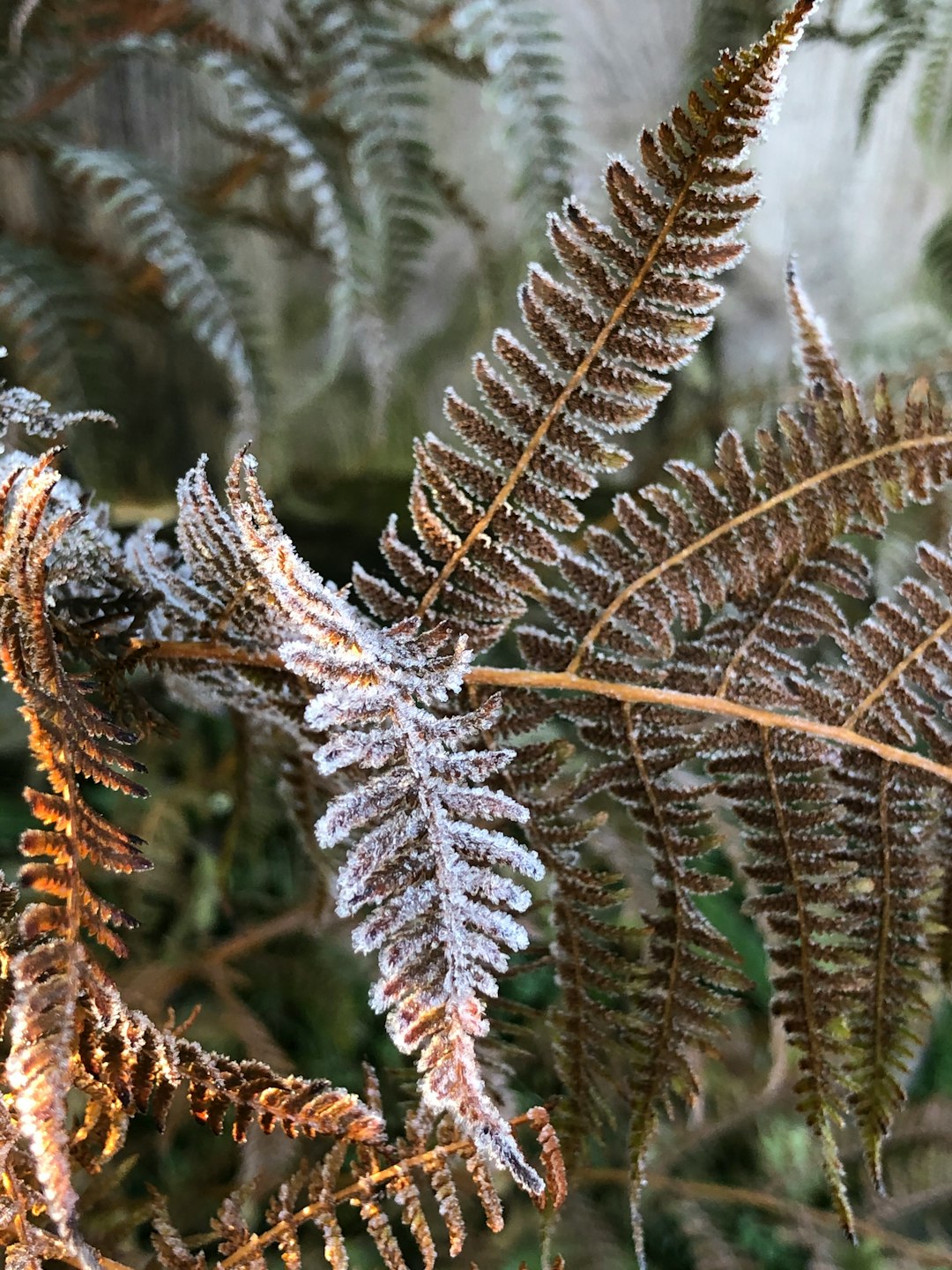
Ferns typically grow in moist and humid environments. These conditions are often found in rainforests. The consistent moisture allows ferns to thrive. Many ferns prefer temperatures that are mild. Extreme cold can be challenging for them. Ferns are sensitive to frost and freezing temperatures.
Adaptations To Environment
Ferns have unique adaptations to their environments. They have a waxy coating on their leaves. This helps retain moisture. Their fronds can curl to reduce water loss. Some ferns grow underground rhizomes. These store nutrients during harsh weather. Certain species can withstand cooler temperatures.
Ferns use these strategies to survive different climates. Their adaptability is key to their survival. This makes them a resilient species. Understanding their habitat helps in growing them successfully. Ferns can be a beautiful addition to gardens.
Cold Weather Impact On Ferns
Ferns are known for their lush, green fronds and versatility. Yet, cold weather can pose a threat to their survival. Understanding how cold temperatures affect ferns is crucial for their care. This section explores how ferns cope with chilly conditions.
Temperature Tolerance Levels
Ferns vary widely in their tolerance to cold. Some species endure mild frosts, while others need warmth. Tropical ferns suffer if temperatures drop below 50°F. Hardy ferns can withstand freezing conditions. Knowing the specific species is key for proper care. It helps in determining their cold weather resilience.
Signs Of Cold Stress
Cold stress impacts fern health visibly. Brown or black spots may appear on fronds. Leaves can wilt or droop due to low temperatures. Growth slows down significantly in stressed plants. Ferns may lose their vibrant green color. Monitoring these signs ensures timely intervention. Protection during cold spells is essential.
Preparing Ferns For Winter
Ferns can survive cold weather if properly prepared for winter. Covering them with mulch helps retain warmth. Moving potted ferns indoors shields them from freezing temperatures.
Preparing ferns for winter is a crucial step to ensure their survival and vitality through the cold months. As the temperature drops, ferns can become vulnerable, so taking the right steps to protect them is key. Whether you have a lush garden or a few potted ferns, understanding how to winter-proof them can make all the difference.
Selecting Hardy Varieties
Choosing the right fern variety is the first step in preparing for winter. Some ferns are naturally more resilient to cold weather. The Christmas Fern and Lady Fern are popular choices because they can withstand lower temperatures. If you live in a region that experiences harsh winters, these hardy varieties can be a great addition to your garden. Research which ferns thrive in your climate zone. This simple step can save you a lot of trouble later.
Indoor Vs Outdoor Placement
Deciding whether to keep your ferns indoors or outdoors during winter is crucial. If you have indoor space, consider moving your ferns inside to a cool, well-lit area. This can protect them from frost and extreme cold. For outdoor ferns, adding mulch can help insulate the roots and preserve moisture. You might be surprised at how effective a simple layer of mulch can be in protecting your plants. Also, placing ferns in a sheltered spot can shield them from harsh winds. Have you ever wondered if simply moving your pots closer to the house can make a difference? It can. The building's warmth can offer extra protection to your outdoor ferns. Preparing your ferns for winter doesn't have to be a daunting task. With the right variety and thoughtful placement, you can ensure your ferns not only survive but thrive. What strategies will you try this winter to keep your ferns healthy?
Protection Techniques For Ferns
Ferns are delicate yet resilient plants that often face harsh conditions. Cold weather can threaten their lush green beauty. To protect ferns, gardeners should employ various techniques. These help maintain their health and appearance during colder months.
Mulching And Insulation
Mulching provides a protective layer over the soil. It helps retain moisture and keeps the roots warm. Use materials like straw, leaves, or bark for effective insulation. Spread a thick layer around the base of your ferns. This acts as a blanket against the cold. Regularly check and replenish the mulch as needed.
Using Covers And Shields
Covers act as a barrier between ferns and the cold air. Use cloths or plastic sheets to shield your plants. Ensure covers do not touch the fern leaves directly. This prevents frost damage. Secure covers with stakes or rocks to withstand wind. Remove the covers during the day for sunlight and ventilation.
Maintaining Ferns In Cold Weather
Ferns bring a touch of lush greenery indoors or outdoors. But cold weather can be a challenge. With the right care, ferns can thrive even in cooler climates. Understanding their needs helps in maintaining their beauty and health. Let's explore how to care for ferns during chilly months.
Watering And Humidity Control
Ferns need consistent moisture, even in cold weather. Water the soil, ensuring it's damp but not soggy. Check the top inch of soil; if dry, it's time to water. Humidity is crucial for ferns. Use a humidifier or a pebble tray with water. This creates a humid environment around the plant. Mist leaves occasionally, especially in dry indoor air. Avoid placing ferns near heaters or drafts. These can dry them out quickly.
Pruning And Care Practices
Pruning helps keep ferns healthy during winter. Remove dead or yellowing fronds regularly. This prevents diseases and promotes new growth. Use sharp scissors or pruning shears for clean cuts. Be gentle; ferns have delicate leaves and stems. Limit fertilizing during colder months. Ferns rest and don't need extra nutrients. Clean the leaves with a damp cloth to remove dust. This allows the plant to breathe better. Keep an eye out for pests like spider mites and aphids. Treat infestations promptly with insecticidal soap.
Common Mistakes To Avoid
Ferns are delicate beauties that thrive in various climates. Yet, cold weather poses challenges to their survival. To help your ferns endure winter, it's crucial to avoid common mistakes. These errors can harm ferns and affect their growth.
Overwatering Risks
Overwatering ferns is a common error. Cold weather slows down the plant's water absorption. Excess water can lead to root rot, harming the fern. Ensure the soil is moist but not soggy. Reduce watering frequency during winter months. Check the soil's moisture before each watering session. This prevents overwatering and keeps the fern healthy.
Neglecting Soil Conditions
Soil quality is vital for ferns in cold weather. Poor soil can stunt growth and cause diseases. Use well-draining soil to support fern health. Compact or clay soil retains too much water. Mix organic matter into the soil to improve drainage. This provides nutrients and prevents waterlogging. Regularly monitor soil conditions to ensure optimal fern growth.
Frequently Asked Questions
Can Ferns Tolerate Freezing Temperatures?
Ferns are generally sensitive to freezing temperatures. While some varieties are hardy, most prefer mild climates. If temperatures drop below freezing, protect ferns by bringing them indoors or covering them with mulch. Hardy ferns can survive short periods of cold, but prolonged exposure can damage them.
How Do Ferns Adapt To Cold Weather?
Ferns adapt to cold by entering a dormant state. During dormancy, they conserve energy and reduce metabolic activities. Some species develop thicker fronds to insulate against cold. Others shed their fronds and regrow when temperatures rise. Proper winter care helps them survive and thrive.
What Is The Ideal Temperature For Ferns?
The ideal temperature for most ferns is between 60°F and 75°F. They thrive in moderate climates with high humidity. Extreme temperatures, either too hot or too cold, can stress ferns. Maintaining stable indoor temperatures and humidity can help them flourish year-round.
Can Indoor Ferns Survive Winter?
Indoor ferns can survive winter with proper care. Keep them in a warm, humid environment away from drafts. Water them sparingly to prevent root rot. Ensure they receive indirect sunlight and maintain consistent humidity levels. These conditions help indoor ferns thrive during colder months.
Conclusion
Ferns can brave the cold with some care. Choose hardy varieties for better survival. Cover them during frosty nights to keep them warm. Mulching helps protect roots from freezing. Bring potted ferns indoors to avoid damage. Monitor weather changes closely to take timely action.
Proper care ensures their beauty endures through winter. Your ferns will thank you with lush, green fronds come spring. Remember, a little preparation goes a long way in keeping your ferns healthy. Stay attentive, and enjoy your thriving garden all year round.
Winter can be challenging, but your ferns can survive.