Can Cats Survive 110 Degree Weather?
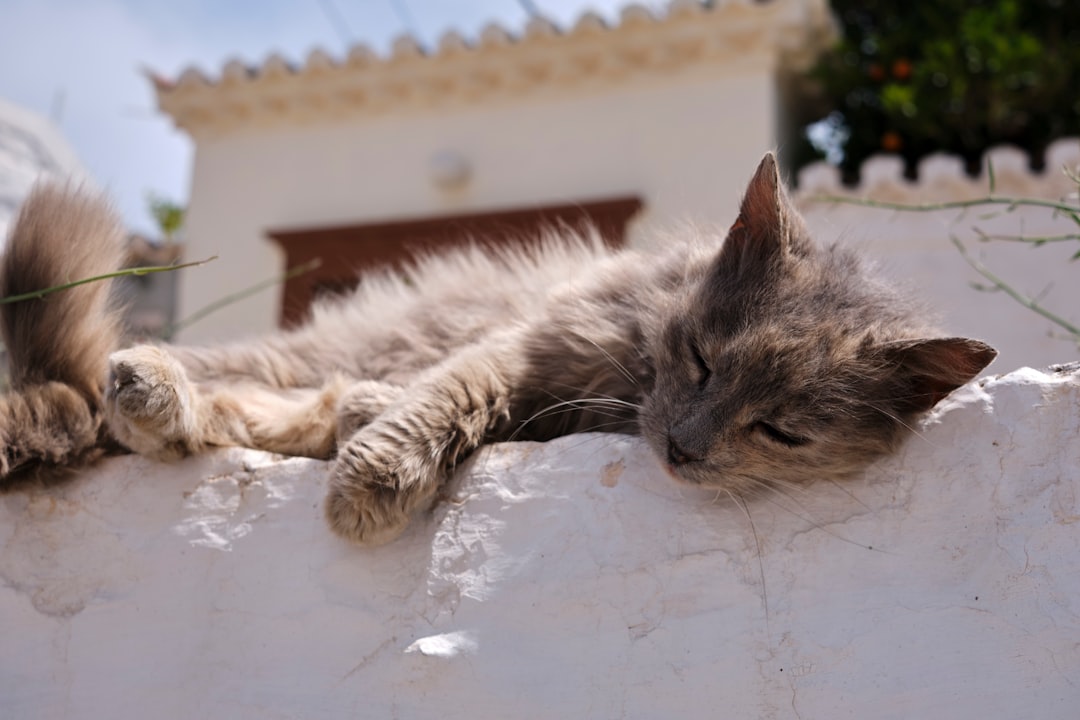
When the sun blazes and temperatures soar, you might wonder how your feline friend fares in extreme heat. Can cats really survive 110-degree weather?
It's a question that sparks concern for pet owners everywhere. You might be imagining your cat lounging in the sun, seemingly unfazed by the heat, but as a caring pet owner, you know there's more to it. Your curiosity is piqued, not just by your love for your pet, but by the desire to ensure their safety and comfort.
This article will delve into the realities of high temperatures and your cat's well-being. We'll uncover surprising facts about how cats handle heat, what signs to watch for, and how you can create a safe haven for your furry companion during the scorching summer months. Keep reading to discover the secrets to keeping your cat cool and safe, because their health is truly a matter of your heart.
Cat Physiology
Cats can endure high temperatures, but 110 degrees is extreme. Their physiology helps regulate body heat, but prolonged exposure can be dangerous. Hydration and shade are crucial for survival in such conditions.
Cats are fascinating creatures with unique physiological features that set them apart from other animals. Understanding their physiology helps us ensure their safety and comfort in extreme conditions, like 110-degree weather. While cats are naturally equipped to handle heat better than humans, there are limits. Knowing how their bodies work can help you keep your feline friend safe during scorching temperatures.
Temperature Regulation
Cats have a remarkable ability to regulate their body temperature. They do so by adjusting their behavior and physical responses. You'll notice your cat seeking shade or cooler areas in your home during hot days. Their fur acts as an insulator, keeping them cool in the heat and warm in the cold. However, this insulation has its limits in extreme temperatures. Have you ever seen your cat panting? It's rare, but they do it to cool down when overheating.
Sweat Glands Function
Unlike humans, cats don't have sweat glands all over their bodies. They primarily sweat through their paws. This limited sweating ability can make it challenging for them to cool down efficiently in 110-degree weather. You might find your cat leaving damp paw prints on the floor when it's hot. This is their body's way of trying to dissipate heat. Ever wondered why your cat's grooming habits increase in summer? Licking their fur helps spread saliva, which evaporates and cools their skin. Considering these factors, how do you ensure your cat stays safe in extreme heat? Always provide access to fresh water and cool areas. Be vigilant about their behavior. You are their best line of defense against the dangers of heat.
Heat Tolerance In Cats
Cats are known for their adaptability to different environments. But extreme heat can be a challenge. Understanding their heat tolerance is vital for their safety. Cats' bodies have unique ways to cope with high temperatures. They seek shade and drink more water. Their fur acts as insulation, keeping them cool. Yet, not all cats handle heat the same way.
Acclimatization Process
Acclimatization helps cats adjust to heat. It involves gradual exposure. This process builds their tolerance. Cats living in warmer areas adapt more easily. Their bodies learn to regulate temperature. Regular hydration is crucial. It prevents heat-related issues. Owners should monitor their cats' behavior. Signs of discomfort mean the heat is too much.
Breed Variations
Different breeds have varying heat tolerance. Short-haired cats manage heat better. Their fur allows more airflow. Long-haired breeds might struggle more. They need extra care in hot weather. Some breeds originated in warm climates. These cats have natural heat resilience. Understanding breed differences aids in proper care. Always consider your cat's breed and its needs.
Signs Of Heat Stress
Cats struggle in 110-degree weather, showing signs like heavy panting and drooling. Lethargy and warm skin are also warning signs. Immediate care is essential to prevent serious health issues.
As temperatures soar, you might wonder how your feline friend copes with the heat. Cats, like humans, can experience heat stress, especially when the mercury hits 110 degrees. Recognizing the signs early can help you take action to keep your cat safe and comfortable. Let's explore the clues that indicate your cat might be struggling with the heat.
Behavioral Changes
Cats can be masters at hiding discomfort, but their behavior can give subtle hints. You might notice your cat is more lethargic than usual. They may seek cooler, shaded areas and avoid sunny spots. If your typically playful cat suddenly prefers to lounge around, it's a red flag. Pay attention to any changes in eating or drinking habits. A decline in appetite or water intake can signal stress. Observe your cat's grooming behavior as well. Excessive grooming or neglecting their coat can be a response to heat.
Physical Symptoms
Physical signs of heat stress can be more pronounced and warrant immediate attention. Heavy panting, drooling, or rapid breathing are clear indicators your cat is overheating. Unlike dogs, cats don't pant frequently, so this is a serious sign. Feel your cat's body. If they are unusually hot to the touch, it's time to cool them down. Check their gums. Pale or bright red gums can indicate dehydration or overheating. Monitor their coordination. A staggering walk or difficulty standing could mean your cat is in distress. Quick action can make a significant difference in their recovery. Are you prepared to help your cat beat the heat? By recognizing these signs of heat stress, you can act swiftly to keep your beloved pet safe.
Preventing Heatstroke
When temperatures soar to 110 degrees, keeping your cat safe from heatstroke becomes a top priority. Cats, like humans, are susceptible to the dangers of extreme heat. Knowing how to prevent heatstroke can save your furry friend from discomfort or even life-threatening conditions.
Hydration Importance
Hydration is vital for your cat's health, especially in hot weather. Cats can be fussy drinkers, so you might need to get creative. Consider placing multiple water bowls throughout your home to encourage them to drink more.
Adding ice cubes to the water can make it more appealing. Some cats enjoy drinking from a moving water source, so a pet water fountain might be a good investment. Remember, a well-hydrated cat is far less likely to suffer from heatstroke.
Creating A Cool Environment
Your home should be a sanctuary from the heat for your cat. Ensure there are cool areas where they can retreat. Fans or air conditioning are the best solutions, but even a shaded, well-ventilated room can help.
If your home lacks air conditioning, try placing damp towels on the floor for your cat to lie on. You can also close curtains or blinds to block out direct sunlight. Think about it: would you want to lounge in a sunbeam on a sweltering day?
Consider how you feel in the heat and translate that comfort to your cat. Investing a little time in their environment can make a huge difference. How do you keep your furry friend cool during the summer? Share your tips!
Emergency Actions
Extreme heat can be dangerous for cats. Temperatures around 110 degrees can lead to serious health risks. Knowing how to act quickly can save your pet's life. Emergency actions are vital in this situation. This section focuses on immediate steps you can take. It also highlights when to seek veterinary help.
Immediate Cooling Techniques
First, move your cat to a cooler area. Shade or an air-conditioned room is ideal. Offer fresh, cool water immediately. Encourage your cat to drink. Wet a towel with cool water. Gently place it on your cat's body. Use a fan to circulate air. This helps lower the body temperature. Keep the environment calm and quiet. Stress can worsen the situation.
When To Seek Veterinary Help
Recognize signs of heatstroke in cats. Symptoms include rapid breathing and lethargy. Vomiting and drooling are also warning signs. If you notice these, contact a vet immediately. Quick action can prevent serious complications. Sometimes, home measures are not enough. Professional medical intervention might be necessary. Your cat's health is the priority. Do not delay seeking help.
Long-term Care
Cats struggle in extreme heat like 110-degree weather. They need shade, water, and cool spaces to survive. Without these, their health risks increase quickly.
Long-term care is crucial for cats in extreme weather. Sustaining their health in 110-degree weather requires specific attention. These strategies ensure your feline remains healthy and comfortable.
Dietary Considerations
Proper diet is key for cats in hot climates. High-quality protein helps maintain energy levels. Wet food increases hydration, crucial in extreme heat. Offer fresh water daily. Keep it in shaded areas. Avoid dry food only diets. They may lead to dehydration. Consider adding ice cubes to water bowls. It keeps water cool longer.
Regular Health Checks
Routine vet visits are essential for cats' health. Schedule check-ups every six months. Regular exams detect heat-related issues early. Monitor your cat’s weight. Overweight cats struggle more in the heat. Watch for signs of heat stress. Panting, lethargy, and drooling are common. Consult a vet if symptoms appear. Vaccinations should be up to date. They protect against heat-related diseases.
Frequently Asked Questions
Can Cats Tolerate Extreme Heat Like 110 Degrees?
Cats struggle in 110-degree weather. They risk heatstroke and dehydration. It's crucial to provide shade and hydration. Limit outdoor time and monitor their behavior. Ensure they have access to a cool environment indoors. Protecting them from extreme temperatures is vital for their health.
How Do Cats Cool Themselves In Hot Weather?
Cats cool themselves by panting and resting in shaded areas. They also groom frequently to remove excess heat. Ensuring access to fresh water helps maintain their body temperature. Limit their outdoor exposure during peak heat. Watch for signs of overheating like excessive panting.
What Are Signs Of Heatstroke In Cats?
Signs of heatstroke include excessive panting and lethargy. Cats may drool excessively and act disoriented. Their skin can feel hot to the touch. Immediate veterinary attention is necessary if these symptoms appear. Keep them cool and hydrated to prevent heatstroke.
How Can I Protect My Cat From Heat?
Provide shaded areas and fresh water for your cat. Keep them indoors during peak heat hours. Use fans or air conditioning to cool their environment. Monitor their behavior for signs of overheating. Limit outdoor activities to cooler times of the day.
Conclusion
Cats need help in extreme heat like 110 degrees. They can suffer from heatstroke. Provide shade and fresh water. Keep them indoors during peak heat hours. Fans or air conditioning can help. Watch for signs of overheating. Heavy panting or drooling.
Act quickly if you notice these. Taking simple precautions keeps your cat safe. Stay mindful of their needs. Your cat's health depends on your care. Protect them from extreme weather. Love and attention go a long way. Cats thrive with proper care, even in hot climates.
Stay prepared and keep your feline friend safe.