Can Birds Survive in Hot Weather?
Have you ever wondered how birds manage to beat the summer heat? As temperatures rise, you might find yourself sweating and seeking shade, but what about our feathered friends?
Their survival in hot weather is a fascinating story of adaptation and resilience. If you're curious about how birds cope with extreme heat and what you can do to help them, you're in the right place. Discover the secrets of their survival tactics and learn how your backyard can become a haven for these remarkable creatures during the scorching summer months.
Keep reading to uncover the captivating world of birds thriving in hot weather.
Bird Physiology And Heat Adaptation
Birds display remarkable resilience to various environmental conditions. Their physiology enables them to survive in hot weather. Adaptations in their bodies help regulate temperature. These adaptations are crucial for survival. This section explores how birds manage heat.
Bird Feathers And Heat Control
Feathers play a vital role in heat regulation. They act as insulators. In hot weather, birds fluff their feathers. This allows air to circulate. It helps cool their bodies. Feathers also protect from sun rays. They reduce direct heat exposure.
Respiration And Cooling Mechanisms
Birds have unique breathing systems. They use rapid breathing to cool down. Their respiratory system aids in heat dissipation. Panting increases evaporation. It helps reduce body temperature. Birds can also adjust breathing rate. This helps in managing heat stress.
Behavioral Adaptations To Heat
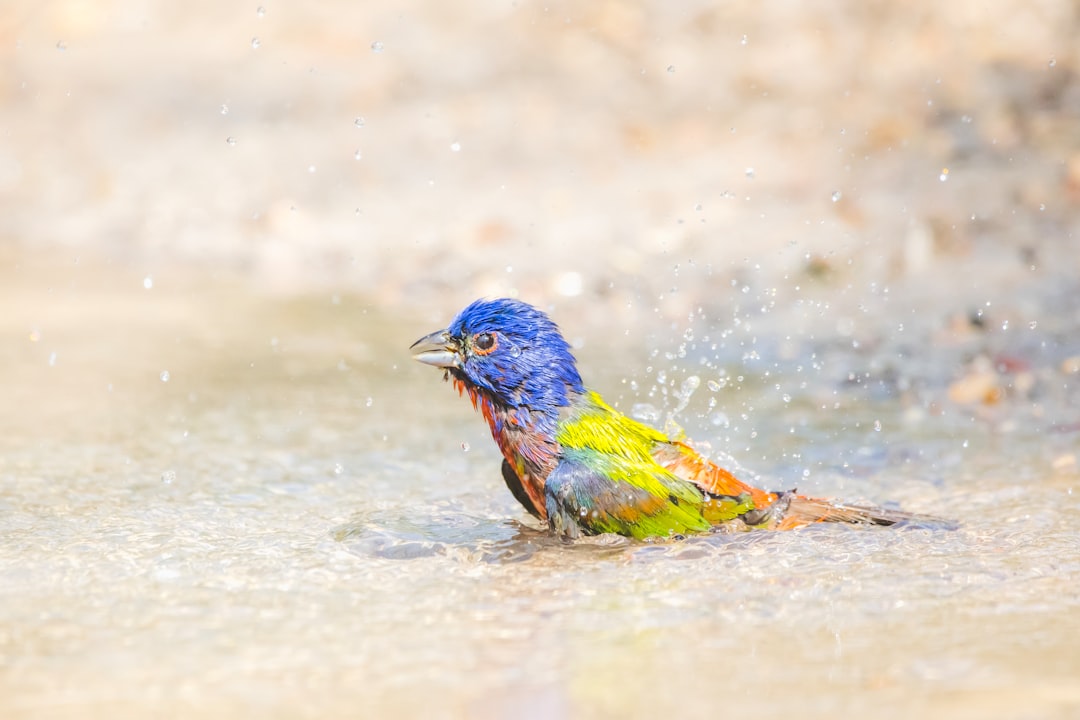
Birds exhibit specific behaviors in heat. They seek shade during peak heat. This minimizes sun exposure. Birds may reduce activity. It conserves energy and prevents overheating. They often bathe or drink water. This helps maintain hydration levels.
Water Conservation Strategies
Birds have efficient water retention techniques. Their kidneys concentrate urine. This reduces water loss. Birds consume moisture-rich foods. It aids in hydration. Some species can extract water from food. This lessens dependency on external water sources.
Behavioral Strategies In High Temperatures
Birds use smart strategies to handle heat. Seeking shade and taking shorter flights help them stay cool. They also open their mouths to release heat, ensuring survival even in soaring temperatures.
Hot weather can be challenging for birds, but they've developed fascinating behavioral strategies to cope. You might wonder how these feathered creatures manage to thrive in scorching climates. Think about that sweltering summer day when you watched birds flitting around, seemingly unaffected by the heat. Their adaptability is remarkable. Let's explore how birds utilize shade, adjust their activity times, and use unique cooling techniques to stay comfortable.
Shade Seeking
Birds actively seek shade during the hottest parts of the day. Have you ever noticed birds disappearing into the leafy canopy or hiding behind rocks as the sun blazes overhead? This isn't just a coincidence. Shade offers a cooler environment and protection from direct sun exposure. By retreating to shaded spots, birds can reduce their body temperature and conserve energy. Next time you're out in the sun, take a cue from these birds and find your own shady refuge.
Panting And Gular Fluttering
Birds have an intriguing way to cool down—panting and gular fluttering. These methods help them release excess heat. You might have seen a bird with its beak open, breathing rapidly. This is panting, similar to how dogs cool off. Meanwhile, gular fluttering involves rapid vibrations of the throat muscles, promoting evaporative cooling. It's fascinating how birds use these techniques to regulate their body temperature. Observing these behaviors in action can provide insight into the intricate ways birds manage heat.
Time Of Activity Adjustment
Birds are smart about when they are active. During peak heat, many birds reduce their activity, waiting for cooler times. You may notice a surge of activity at dawn or dusk. This is strategic. By shifting their active periods, birds avoid the midday heat, preserving energy and avoiding dehydration. Have you adjusted your own schedule during heatwaves? This bird strategy is a reminder of the importance of timing and adaptation in challenging conditions. As you explore these strategies, consider how these behaviors might influence your own approach to hot weather. What adjustments could you make in your daily routine to stay comfortable? Birds offer a unique perspective on surviving the heat, and there's much we can learn from their adaptability.
Water Conservation Techniques
Birds can endure hot weather by using water conservation techniques. They seek shade to stay cool. Many species reduce activity during peak heat and rely on early morning or evening for foraging. Some birds also use panting to regulate body temperature.
Hot weather poses unique challenges to birds, especially when it comes to conserving water. As temperatures rise, these feathered creatures employ ingenious techniques to manage their hydration levels. Whether through efficient water use or meticulous feather maintenance, birds exhibit remarkable adaptability. Have you ever wondered how they do it?
Efficient Water Use
Birds use water wisely, ensuring they get the most out of every drop. Many species prefer dawn or dusk for their activities, when the air is cooler and evaporation is minimal. This timing helps them save precious moisture. Additionally, birds often seek out shaded areas or places with a breeze to minimize heat exposure. These strategic moves reduce the need for frequent drinking. Next time you're out birdwatching, notice how birds choose their locations carefully. Some birds can even extract water from their food. They consume juicy fruits, insects, or nectar, which provide hydration. This adaptation reduces their dependence on external water sources.
Preening And Feather Maintenance
Preening plays a crucial role in water conservation. Birds maintain their feathers to retain moisture and regulate temperature. By grooming, they remove dirt and align feathers, ensuring optimal insulation and water retention. Oil from a bird's preen gland is essential. It coats the feathers, making them waterproof and reducing evaporation. Imagine how similar this is to using lotion to keep your skin hydrated! Birds also fluff their feathers to trap air, creating a barrier against heat. This simple act helps them stay cool and reduce water loss, proving how effective small actions can be. Have you observed these behaviors in birds around you? Understanding their techniques can inspire smarter ways to manage water in your own life.
Impact Of Climate Change
Climate change poses a significant threat to bird populations worldwide. Rising temperatures and altered habitats are affecting their survival. Birds are struggling to adapt to these rapid changes. Understanding these impacts is crucial for their conservation.
Rising Temperatures
Rising temperatures are forcing birds to change their behaviors. They must find cooler areas to survive. Some birds migrate earlier or later due to climate shifts. This disrupts their breeding and feeding patterns. Prolonged heat can also cause dehydration and heat stress. Such conditions can lead to increased mortality rates.
Altered Habitats
Climate change is altering bird habitats dramatically. Forests are shrinking due to increased fires and droughts. Wetlands are drying up, reducing vital resources for birds. These changes force birds to find new homes. Many struggle to adapt to new environments. Some species face extinction as their habitats disappear.
Human Interventions
Birds face challenges in hot weather due to rising temperatures. Shade and water sources are crucial for survival. Human interventions, like providing birdbaths, can help them cope.
When the scorching sun beats down, and the temperatures rise, you might wonder how birds manage to cope. Surprisingly, human interventions can play a significant role in helping these feathered creatures survive the heat. Our small actions can make a big difference in their lives, and it's easier than you might think to lend a helping hand.
Providing Water Sources
Water is essential for birds, especially during hot weather. By placing a simple birdbath in your garden or on your balcony, you create a lifeline. Ensure the water is fresh and change it regularly to prevent the spread of diseases. If you have a larger space, consider adding a small pond or a water feature. Birds are naturally attracted to the sound of running water, which can encourage them to visit your yard more often. You could even use a shallow dish or a saucer if space is limited. Remember, clean water can be a lifesaver during extreme heat.
Creating Bird-friendly Environments
Think about how you can transform your outdoor space into a bird haven. Plant native shrubs and trees that provide shade and shelter. These plants can also offer natural food sources, like berries and insects. Consider reducing lawn areas and adding more diverse vegetation. A varied garden not only supports birds but other wildlife too. By doing so, you'll create a cooler microclimate, benefiting both birds and your own outdoor enjoyment. Do you have a spot for a birdhouse? Installing a birdhouse provides a safe place for birds to rest and escape the heat. It's a simple addition that can offer them respite from harsh conditions. By making these small changes, you can help birds thrive, even when temperatures soar. What will you do to make your garden a bird-friendly oasis?
Species-specific Adaptations
Birds face challenges in hot weather. Each species has unique adaptations for survival. Some birds thrive in deserts, while others live in tropical climates. Understanding these adaptations helps us appreciate their resilience and ingenuity. Let's explore the fascinating world of species-specific adaptations.
Desert Birds
Desert birds endure extreme heat with remarkable skills. They have light-colored feathers to reflect sunlight. This keeps them cool. Many are active during cooler parts of the day. Some, like the roadrunner, can go without water for long periods. They extract moisture from their food. Their kidneys are efficient at conserving water. These adaptations help them survive harsh desert conditions.
Tropical Species
Tropical birds face different challenges. They live in humid, warm environments. Many have bright plumage, which reflects sunlight. This helps regulate their body temperature. Some species are excellent at finding shade. They often seek shelter in dense foliage. Tropical birds are also adept at finding water sources. Their diets include fruits, which provide hydration. These adaptations help them thrive in tropical climates.
Challenges To Bird Survival
Hot weather presents serious challenges for birds. Their small bodies struggle to maintain normal temperature. Finding water becomes difficult, leading to dehydration risks. Shade and cooler areas become essential for survival.
Birds face a variety of challenges to their survival, especially in hot weather. As temperatures rise, birds must adapt or risk being overwhelmed by heat stress and diminishing food supplies. Understanding these challenges can help you appreciate the resilience of birds and consider how you might support their survival.
Heat Stress
Heat stress is a significant threat to birds. When temperatures soar, birds struggle to regulate their body heat. You might notice them panting or spreading their wings to cool off. These behaviors are their way of coping with extreme heat. Imagine wearing a winter coat on a scorching summer day; it's tough to manage! Some birds, like the Australian zebra finch, have adapted by reducing activity during peak heat hours. But not all birds have such coping mechanisms. You can provide shade or water sources in your garden to help them beat the heat.
Food Availability
Hot weather often affects food availability for birds. In high temperatures, plants and insects, which are primary food sources, may decline. This scarcity forces birds to travel further, risking exhaustion and predation. Think about the birds in your area. Do they have enough food during heatwaves? You might consider adding a bird feeder. Providing seeds and fruit can make a big difference. This small gesture can offer much-needed relief, ensuring they have the energy to survive and thrive despite the heat challenges. Supporting birds during hot weather is not just about conservation; it's about understanding their struggles and taking simple steps to help. Are you ready to make a difference in your backyard?
Frequently Asked Questions
How Do Birds Stay Cool In Hot Weather?
Birds stay cool by panting, seeking shade, and bathing in water. They also fluff their feathers to improve airflow. Some species limit activity during peak heat. They find cooler microclimates or perch in breezy areas. These adaptations help birds regulate their body temperature.
Can All Birds Survive Extreme Heat?
Not all birds can survive extreme heat. Species native to hot climates have adapted well. Birds from cooler regions may struggle in high temperatures. They might face dehydration and overheating risks. Birds require water and shade to cope with extreme heat effectively.
Do Birds Drink More Water In Heat?
Yes, birds drink more water in hot weather. Increased temperatures lead to higher water loss through respiration. Birds need more hydration to prevent dehydration. They actively seek out water sources. Providing fresh water can help them survive during heatwaves.
Are Desert Birds Adapted To Heat?
Desert birds are highly adapted to survive in hot conditions. They have specialized behaviors and physiology to withstand extreme temperatures. These birds conserve water effectively. They forage during cooler hours. Their adaptations allow them to thrive in arid environments.
Conclusion
Birds have adapted to survive hot weather. They find shade and drink water. Seeking cooler places helps them stay safe. Birds pant to cool themselves down. Feathers also protect them from the sun. Providing water sources can aid them during heatwaves.
Understanding their needs ensures their survival. Observing birds in heat can teach us much. Nature’s resilience is truly impressive. Helping birds thrive benefits the ecosystem. Simple steps make a big difference. Together, we can support our feathered friends in every season.
Let's appreciate and protect these amazing creatures.