Have you ever wondered how your feline friend fares when the temperature drops? As the cold season approaches, you might be concerned about whether cats can survive in freezing weather.
It’s a valid worry, especially if your cat enjoys spending time outdoors. Understanding how cold affects cats is crucial for their well-being and safety. We'll explore what you need to know to keep your beloved pet warm and healthy during those chilly days.
You'll discover essential tips and insights that can make all the difference in ensuring your cat stays safe, even when the mercury plummets. Keep reading to uncover how you can protect your furry companion from the harsh cold!
Cold Weather Adaptations
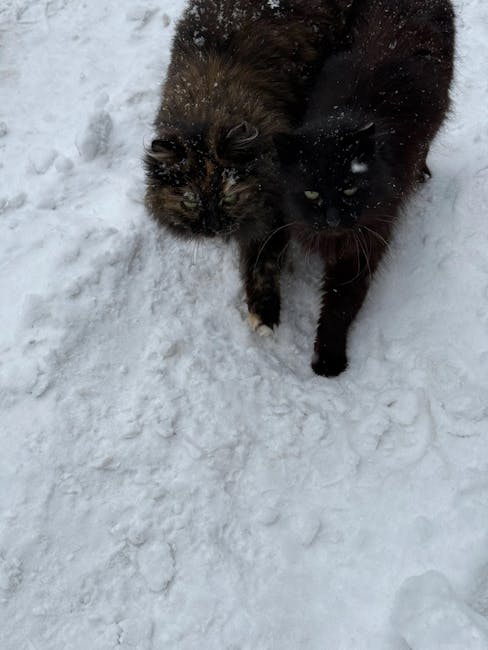
Cats have some adaptations for cold weather, like thick fur and body fat. Yet, freezing temperatures pose serious risks. Without shelter, even the hardiest cats struggle to survive extreme cold.
Cats have intriguing adaptations that help them survive in cold weather. Their bodies are equipped to handle chilly conditions better than many animals. These adaptations ensure they stay warm and active. Let's explore how these fascinating creatures manage to thrive even in freezing temperatures.
Fur Coat Insulation
Cats boast a thick fur coat that acts like a natural blanket. This fur traps air, creating a warm layer around the body. It helps maintain body heat by minimizing loss. Short-haired cats may grow a thicker coat in winter. Long-haired breeds naturally have more insulation. The fur's dense layers offer protection against wind and snow. Cats groom themselves to maintain this insulating layer.
Body Fat And Energy Reserves
Body fat plays a crucial role in keeping cats warm. Fat acts as an insulating layer under the skin. It helps store energy that cats use when food is scarce. During colder months, cats may eat more to build these reserves. This extra fat provides essential energy and warmth. Cats manage their energy by resting to conserve heat. Their metabolism adjusts to sustain them through cold spells.
Risks Of Freezing Temperatures
Winter is a challenging time for cats. Cold weather poses many threats. Cats exposed to freezing temperatures face serious health risks. They need proper care and shelter to stay safe. Understanding these risks can save their lives.
Hypothermia In Cats
Hypothermia is a serious condition. Cats lose body heat fast in cold weather. Their body temperature drops below normal. This can cause organ failure or death. Signs include shivering, weakness, and lethargy. Cats need warmth to prevent this condition. Bring them indoors during freezing weather. Ensure they have a warm bed or blanket.
Frostbite Concerns
Frostbite is another danger for cats. It occurs when tissue freezes. Ears, paws, and tail are most at risk. Frostbite causes skin damage and pain. It can lead to infection or tissue loss. Look for pale or icy skin. Seek veterinary care if you suspect frostbite. Keep your cat inside to avoid this risk.
Indoor Vs Outdoor Living
Indoor environments offer warmth and protection, crucial for cats during freezing weather. Outdoor living exposes cats to harsh conditions, risking their health. It's vital to ensure your feline friends have a safe place to stay warm in cold temperatures.
Cats are known for their independence and adaptability, but when it comes to freezing weather, the difference between indoor and outdoor living can be stark. Indoor cats enjoy the warmth and safety of a controlled environment, while outdoor cats face the harsh realities of the cold. Understanding the benefits and challenges of each lifestyle can help you make informed decisions about your feline friend's well-being.
Benefits Of Indoor Shelter
Indoor living provides cats with consistent warmth and protection from extreme weather conditions. With access to cozy blankets, heated spaces, and regular food supply, indoor cats are shielded from the risks associated with freezing temperatures. You can ensure your cat’s safety by providing stimulating toys and window perches for entertainment. This creates a comfortable environment that fulfills their curiosity without exposing them to the dangers outside. Indoor cats are also less likely to encounter predators or vehicles, reducing the risk of injury. By keeping your cat indoors, you minimize the chances of frostbite or hypothermia, conditions that can be fatal.
Challenges Of Outdoor Survival
Outdoor living poses significant challenges for cats during freezing weather. They must seek out warm, dry shelter to avoid the dangers of cold exposure. A thick bush or under a porch may offer some protection, but these options aren't always reliable. Finding food becomes a struggle as prey becomes scarce in the winter. Outdoor cats need to expend more energy to stay warm, making regular nourishment critical for survival. You may wonder if outdoor cats can truly thrive in such conditions. While some manage to survive, the risk of severe health issues is high. It's essential to weigh these challenges when deciding if your cat should be allowed outside during winter months. Have you considered setting up a small outdoor shelter with insulation for your outdoor cat? A simple DIY project could provide much-needed warmth and safety. By taking proactive steps, you can significantly improve their chances of thriving despite the cold.
Safe Shelter Options
Cats need warm shelters to survive in freezing weather. Simple shelters can be made using insulated boxes or pet igloos. Provide bedding like straw or blankets to keep them cozy and safe.
As the temperature drops, ensuring your cat has a safe and warm shelter becomes crucial. Cats can be incredibly resilient, but freezing weather poses risks you shouldn’t ignore. What practical steps can you take to create a cozy haven for them? Here are some effective strategies to keep your feline friend warm and secure.
Creating Warm Spaces
A warm space can be as simple as an insulated box. Use materials like straw or blankets to add warmth. Straw is particularly effective because it doesn’t hold moisture like blankets do. Think about placement. Where does your cat like to spend time? Position the shelter in a familiar spot to encourage use. You might have noticed your cat curling up in the shed or garage. These areas can be adapted into warm retreats. Add heat sources cautiously. Heating pads designed for animals can be a great addition, but ensure they’re safe and won’t overheat. Remember, your cat’s safety is the top priority.
Insulating Outdoor Shelters
Insulation is key to keeping the cold at bay. Use materials like foam boards or thermal foil to line the inside of an outdoor shelter. These materials are easy to find and efficient in trapping heat. Consider the entrance. A small opening can minimize heat loss. You might be tempted to make it large for easy access, but a smaller entrance helps keep the cold out. Elevate the shelter off the ground. This simple step prevents moisture from seeping in. Have you ever seen a cat perched on a high spot? They instinctively seek elevation for warmth and safety. Remember, your actions can make a big difference in your cat’s comfort. What other creative solutions have you tried? Share your thoughts and experiences.
Nutrition And Hydration
Cats possess unique adaptations to endure harsh winter conditions. Yet, nutrition and hydration play crucial roles in their survival. Proper diet and water access are vital. They help maintain their health and energy in freezing temperatures.
High-calorie Diet
During cold months, cats need more energy. A high-calorie diet supports their increased energy needs. It helps them maintain body heat and stay active. Consider foods with protein and healthy fats. These nutrients provide essential fuel.
Wet food can be an excellent choice. It offers both nutrition and hydration. Ensure your cat's diet is balanced. Consult a vet for specific dietary recommendations. Proper nutrition is key to their winter survival.
Ensuring Water Access
Water is essential for cats, even in winter. Cats may not drink enough if their water freezes. Ensure their water supply remains liquid. Heated water bowls can be a solution. Place them in sheltered areas to prevent freezing.
Monitor your cat's water intake. Dehydration can be dangerous, especially in cold weather. Cats need fresh, clean water daily. Encourage drinking by keeping water accessible and appealing.
Monitoring Health And Behavior
Monitoring your cat's health and behavior in freezing weather is crucial. Cats can be affected by cold weather just like humans. Recognizing the signs of cold stress and changes in behavior is vital. It helps ensure their safety and well-being during harsh conditions.
Signs Of Cold Stress
Cats may show signs of cold stress in freezing weather. Shivering is a common sign. It indicates they are too cold. Watch for changes in their breathing. Rapid or shallow breaths can be concerning. A cold body and pale gums may also indicate cold stress. These signs require immediate attention.
Behavioral Changes
Cats may behave differently in cold conditions. They might become lethargic. Less active than usual. Cats may seek warm spots indoors. Hiding under blankets or near heaters. Watch for changes in eating habits. A decrease in appetite can be a warning sign. Pay attention to any unusual vocalizations. Cats may meow more or less than normal.
Emergency Measures
Cats face challenges in freezing weather, but survival is possible with the right care. Providing shelter and warmth is crucial. Cats with thicker fur have a better chance of enduring cold temperatures.
As temperatures drop, cat owners often wonder how their feline friends can withstand the biting cold. While cats have some natural defenses, freezing weather poses significant risks. Being prepared with emergency measures can make a life-saving difference for your pet. Let’s explore crucial steps you can take if your cat encounters cold exposure and how to determine when professional veterinary care is necessary.
First Aid For Cold Exposure
If you find your cat shivering or struggling in the cold, quick action is vital. Immediately bring your cat indoors to a warm, dry area. Use a blanket or towel to wrap your cat gently, providing warmth without causing stress. Check for signs of frostbite, which often targets ears, paws, and the tail. Look for pale or bluish skin. If you suspect frostbite, avoid rubbing the area, as this can cause more harm. Instead, use warm, not hot, water to gradually warm the affected areas. Hydration is crucial. Offer your cat water, as dehydration can worsen the effects of cold exposure. If your cat refuses water or food, it may indicate a more serious issue.
When To Seek Veterinary Care
Observe your cat's behavior closely after cold exposure. If lethargy, disorientation, or persistent shivering continues, it’s time to contact your vet. These symptoms may indicate hypothermia or other health concerns. Do not wait for signs to worsen. Cats are adept at hiding discomfort, and delay can lead to complications. Even if symptoms appear mild, a vet can provide professional evaluation and necessary treatment. Consider sharing your emergency measures with others who may care for your cat. This ensures everyone knows how to react swiftly. Your vigilance can help safeguard your cat’s health in freezing conditions. How do you prepare for emergencies with your pet? Taking proactive steps now can prevent panic later. Remember, your cat relies on you for protection and care in all weather conditions.
Frequently Asked Questions
Can Cats Endure Freezing Temperatures?
Cats can endure cold but not extreme freezing temperatures. Their fur provides some insulation, but prolonged exposure can lead to hypothermia. Outdoor cats should have access to warm shelters. It's crucial to monitor their behavior for signs of distress in cold weather conditions.
How Do Cats Stay Warm In Winter?
Cats stay warm by seeking shelter and curling up to conserve body heat. They rely on their fur for insulation. Providing cozy beds and heated pads indoors can help. Outdoor cats should have insulated shelters to protect them from harsh elements.
What Are Signs Of Cold Stress In Cats?
Signs of cold stress in cats include shivering, lethargy, and seeking warmth. They might curl up tightly or avoid cold surfaces. If a cat seems unusually still or unresponsive, it's crucial to warm them up and consult a vet.
Can Indoor Cats Go Outside In Winter?
Indoor cats can go outside in winter but should be supervised. Limit their time outdoors and provide warm shelters. Ensure they have access to return indoors quickly. Cold weather can be harsh, so monitor their behavior closely.
Conclusion
Cats can face challenges in freezing weather. Their fur provides some protection. Yet, extreme cold can be dangerous. Outdoor cats need shelter to stay warm. Providing insulated spaces helps them. Food and water sources are crucial, too. Cats need energy to generate heat.
Regular check-ins ensure their safety. Indoor living is best during harsh winters. It keeps them safe and warm. As cat owners, take extra care. Their comfort and health depend on it. Understanding their needs is essential. Keep them cozy during cold months.
Stay alert and protect your feline friends. Their well-being is your responsibility.