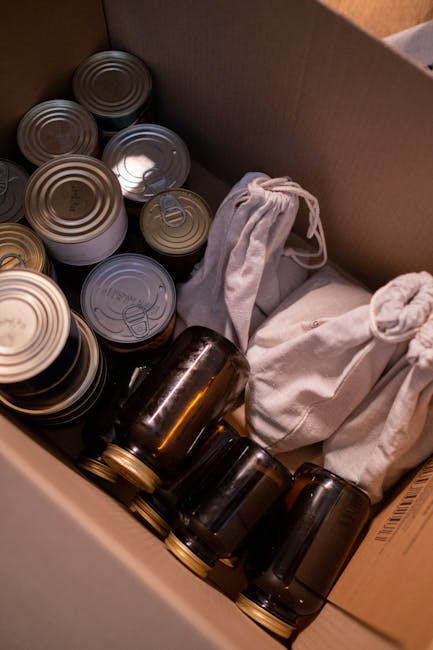
Imagine a situation where unexpected events disrupt your daily routine. It could be a natural disaster, a power outage, or any unforeseen emergency.
In these moments, having a well-thought-out plan and essential supplies can make all the difference. You might wonder, what should you have on hand to ensure your safety and well-being? FEMA, the Federal Emergency Management Agency, has provided guidance to help you prepare for such situations.
Among their top recommendations are three vital emergency food supplies that can keep you nourished when it matters most. Curious to know what they are? These supplies are not just about survival; they offer peace of mind and the security of being prepared. Let's dive into these essential items and see how they can help you and your loved ones stay safe and sound during times of crisis.
Emergency Food Supplies Overview
Natural disasters often strike without warning, leaving many families scrambling for essential supplies. Being prepared means having a stash of emergency food supplies that can sustain you during challenging times. FEMA has suggested specific food items that can be lifesavers. Let's dive into what these are and why they matter for your emergency kit.
Canned Goods
Canned goods are a cornerstone of any emergency food supply. They're durable, easy to store, and can last for years. Imagine opening a can of beans or fruit during a power outage; it feels like a small victory. Their longevity makes them ideal for unpredictable situations. Plus, they require minimal preparation and can be eaten straight out of the can.
Consider stocking up on a variety of canned foods. Think about what you and your family enjoy eating, and make sure you have a mix of proteins and vegetables. This ensures you're not just surviving but also maintaining some level of nutritional balance.
Dry Goods
Dry goods like rice, pasta, and oatmeal are invaluable in emergencies. They are light, easy to store, and can be cooked with minimal water. Remember that time you whipped up a meal with just a handful of ingredients? That's the kind of resourcefulness you need during a crisis. Dry goods can stretch meals and keep hunger at bay.
Keep an eye on the expiration dates, though. Rotate your stock regularly to ensure freshness. Adding a few spices can transform these basic ingredients into something delicious and comforting.
Bottled Water
Water is essential for survival, and you can't afford to overlook it in your emergency supplies. Bottled water is convenient and ensures you have a clean supply when tap water might be compromised. Think about how much water you use daily; now imagine relying solely on what's stored in your pantry.
FEMA recommends having at least one gallon of water per person per day. This should cover drinking, cooking, and sanitation needs. Regularly checking and replenishing your water supply is crucial. Can you picture how comforting it would be to have clean water readily available when others are struggling?
Are you prepared to face an emergency? Think about these food supplies and how they fit into your plan. Your future self will thank you for making thoughtful choices today.
Canned Goods
Canned goods are a reliable choice for emergency food supplies. They offer convenience and longevity, making them essential in any emergency kit. With a variety of options available, canned foods provide nutrition and energy when needed most.
Benefits Of Canned Foods
Canned foods have a long shelf life. They can last for years without spoiling. This makes them perfect for emergency situations. Canned items are also easy to store. They don't require special conditions or refrigeration. Many canned foods retain their nutrients well. They provide essential vitamins and minerals. Canned goods are often pre-cooked. This means they can be eaten directly from the can. In emergencies, this is a huge advantage.
Storage Tips For Canned Items
Store canned goods in a cool, dry place. Avoid direct sunlight. Ensure cans are not dented or damaged. Check the expiration dates regularly. Rotate your stock. Use older cans first. This keeps your emergency supply fresh and safe. Keep a variety of canned items on hand. This provides balanced nutrition in emergencies. Organize your storage area. This makes it easier to find what you need quickly.
Variety In Canned Selections
Canned foods come in many types. Vegetables, fruits, and meats are popular choices. Soups and stews offer hearty meal options. Canned beans provide protein and fiber. Consider canned fish like tuna or salmon. They are rich in omega-3 fatty acids. Choose low-sodium options when possible. This helps maintain healthy blood pressure. Explore different flavors and brands. A diverse selection keeps meals interesting.
Dry Foods
FEMA recommends having a supply of emergency dry foods. Three key items are canned goods, dried fruits, and nuts. These foods are non-perishable and provide essential nutrients during emergencies.
When planning for emergencies, ensuring you have a stockpile of food that doesn’t require refrigeration or cooking is crucial. Dry foods stand out as a practical choice, recommended by FEMA for their versatility and long shelf life. They are lightweight, easy to store, and require minimal preparation, making them an ideal option for emergency kits.
Advantages Of Dry Foods
Dry foods are incredibly convenient during emergencies. They are non-perishable, meaning you won't have to worry about spoilage. This quality makes them excellent for long-term storage. Moreover, they are often lightweight, so transporting them is a breeze. Imagine having to carry heavy cans of food while evacuating—dry foods eliminate that hassle. The simplicity of dry foods makes them a go-to option. You can consume many of them straight from the package, saving time and effort when every minute counts.
Shelf Life Considerations
When selecting dry foods, understanding their shelf life is key. Some dry foods can last for years if stored properly, significantly reducing the need for frequent replenishment. Keep them in cool, dark places to maximize their longevity. Even a small pantry can serve as an efficient storage space if organized well. Check expiration dates periodically to ensure freshness. Replacing expired items is vital to maintaining the integrity of your emergency food supply.
Popular Dry Food Options
You might be wondering what dry foods are best for your emergency stockpile. Rice is a staple; it's filling and versatile, making it a smart choice. Pasta is another favorite, known for its long shelf life and the ease with which it can be cooked if you have access to boiling water. Don’t overlook dried fruits and nuts. They offer essential nutrients and can serve as snacks or meal supplements. Consider adding some instant oatmeal packets. They’re simple to prepare and provide a hearty start to your day. Have you ever thought about how you would handle food scarcity in a crisis? Planning with dry foods can ease that concern, ensuring you and your loved ones have sustenance when you need it most. Remember, the right preparation today can make a world of difference tomorrow.
Ready-to-eat Meals
Ready-to-Eat Meals are essential during emergencies. FEMA recommends having these meals as part of your emergency food supplies. They offer practicality and ease, especially during critical times when cooking isn't possible.
Convenience Of Ready Meals
Ready-to-Eat Meals require no preparation. You can consume them straight from the package. They save time and effort during emergencies. These meals are shelf-stable, making them ideal for quick access.
Nutritional Value
Many ready meals are designed to be nutritious. They contain balanced portions of proteins, carbohydrates, and fats. This ensures energy and sustenance during tough situations. Check labels for essential vitamins and minerals.
Best Choices For Emergencies
Choose meals that have a long shelf life. Opt for varieties like canned stews or packaged pasta. Consider meals that suit your dietary needs. Always keep a mix to prevent food fatigue.
Frequently Asked Questions
What Is Fema's Emergency Food Supply List?
FEMA suggests having a stock of non-perishable items. This includes canned goods, dried fruits, and nuts. These foods offer long shelf life and essential nutrients. They are easy to store and prepare in emergencies.
Why Choose Canned Goods For Emergencies?
Canned goods have a long shelf life and are versatile. They are easy to store and require minimal preparation. Canned fruits, vegetables, and meats are nutritious and convenient.
Are Dried Fruits A Good Emergency Option?
Yes, dried fruits are excellent for emergencies. They are lightweight and packed with vitamins and minerals. They provide a quick energy boost and are easy to store.
Why Include Nuts In Your Emergency Kit?
Nuts are a great source of protein and healthy fats. They have a long shelf life and require no preparation. Nuts are perfect for energy and nutrition in emergencies.
Conclusion
Emergency food supplies are essential for safety. FEMA suggests three key items. First, canned goods offer long shelf life and nutrition. Second, dried fruits and nuts provide energy and are easy to store. Third, peanut butter serves as a rich protein source.
These supplies ensure you stay nourished during emergencies. Simple, reliable, and effective choices. Always keep these essentials ready. Planning ahead brings peace of mind. Stay prepared for unexpected situations. Your well-being matters. Remember, a well-stocked pantry helps weather any storm.
Prioritize these emergency supplies for your family's safety.