Imagine finding yourself in a survival situation where the comforts of modern life vanish in an instant. You're left with the essentials, and suddenly, the skill of making basic clothes becomes crucial.
You might think crafting your own garments sounds daunting, but with a few practical tips, you can become resourceful and self-reliant. This guide is here to empower you, showing you how easy it is to create clothing from simple materials.
You'll discover techniques that not only keep you warm and protected but also boost your confidence in your ability to adapt. Are you ready to unlock the secrets of crafting survival clothing, ensuring you stay covered and comfortable when it matters most? Dive in and learn how you can turn the challenge into an opportunity for growth.
Importance Of Clothing In Survival
In a survival situation, clothing plays a critical role. It shields you from harsh weather conditions and maintains your body temperature. The right clothing can mean the difference between life and death. Understanding its importance is key to survival.
Understanding Weather Protection
Clothing acts as a barrier against harsh weather. It protects you from cold winds, rain, and scorching sun. Without proper clothing, your body may quickly lose heat or suffer from sunburn. This can lead to dangerous conditions like hypothermia or heatstroke.
Maintaining Body Temperature
Clothing helps regulate your body's temperature. In cold conditions, it traps heat to keep you warm. In hot weather, breathable fabrics prevent overheating. This balance is vital for your health and endurance.
Preventing Injuries
Proper clothing reduces the risk of cuts and scratches. Thick fabrics act as a protective layer against sharp objects or rough terrains. This protection is crucial when navigating through dense forests or rocky areas.
Boosting Morale
Clean and dry clothing can improve your mental state. When you feel good in what you wear, your confidence rises. This mental boost can motivate you to keep going, even in tough situations.
Signaling For Help
Bright clothing can serve as a signal to rescuers. It makes you more visible from a distance. In emergency cases, this can be a lifesaver.
Choosing Materials
Choosing the right materials for clothing in a survival situation can be crucial. The materials you select will affect your comfort, protection, and ability to endure the elements. Whether you're out in the wilderness or facing unexpected conditions, knowing what works best can make a significant difference.
Natural Vs Synthetic Fibers
Natural fibers like cotton and wool have been used for centuries. Wool is a great insulator, keeping you warm even when it's wet. Cotton is breathable but can be a poor choice in cold, wet environments because it loses its insulating properties when damp.
On the other hand, synthetic fibers like polyester and nylon are crafted to provide specific qualities. Polyester dries quickly and can wick moisture away from your skin, which is helpful in maintaining warmth. Nylon is strong and resistant to abrasions, making it ideal for rugged conditions.
Have you ever considered how your clothes react when wet or dry quickly after a downpour? Reflecting on past experiences can guide your choices between natural and synthetic options.
Durability And Insulation
Durability is vital for survival clothing. You want something that can withstand wear and tear. Think of the last time your favorite jacket snagged on a branch. Did it rip easily? Materials like ripstop nylon are designed to prevent small tears from becoming large problems.
Insulation is equally important. Wool and fleece are excellent for retaining heat, making them suitable for cold climates. Polyester blends can offer insulation without the bulk, keeping you agile and warm.
When you're faced with the cold, the choice between these materials could mean the difference between staying warm and shivering through the night. What would you prefer, a bulky coat or something lightweight yet warm?
Choosing materials for survival clothing isn't just about picking what's readily available. It's about understanding what each material can offer you in terms of protection and comfort. Your choice can be a decisive factor in how well you cope with the challenges of a survival situation.
Basic Sewing Techniques
In a survival situation, knowing basic sewing techniques can be vital. Repairing or creating clothes with limited resources becomes essential. Simple stitching skills can make a big difference. Let's explore these skills step-by-step.
Hand Stitching
Hand stitching is a straightforward sewing method. It requires minimal tools and can be learned quickly. Start with the running stitch, the simplest stitch. Thread the needle and tie a knot at the end. Push the needle through the fabric. Bring it back through to the front. Repeat until the seam is complete.
The backstitch is another essential stitch. It is stronger and more secure. Begin by making a single stitch. Then, insert the needle behind the stitch. Push it forward again. This creates a solid, overlapping seam. Practicing these stitches will make you more efficient.
Using Makeshift Tools
In the wild, you may lack proper sewing tools. Creativity is key. Use a thorn or sharp twig as a needle. For thread, unravel fabric edges or use plant fibers. Make sure your makeshift needle has a sharp point. This helps it pierce the fabric easily.
Ensure your thread is sturdy. Twist plant fibers together for strength. Even shoelaces can be used for stitching. Keep stitches small and tight. This prevents fabric from tearing. Understanding these techniques can help you survive with limited resources.
Creating Functional Designs
In a survival situation, creating functional clothing designs is crucial. You need clothes that protect and adapt to your needs. These garments should be easy to make with limited resources. Focus on simple designs that offer practicality and comfort. The following sections guide you through creating basic clothing with these features.
Simple Patterns
Simple patterns are your best friend in survival mode. Choose designs that need minimal fabric and sewing. Rectangular shapes work well for tunics or skirts. They are easy to cut and sew. Use these shapes to make garments quickly. This approach saves time and effort. It also reduces material waste.
Consider using old blankets or tarps. These materials can be cut into straightforward shapes. They offer warmth and protection from elements. Simple patterns make clothing production swift and efficient.
Adjustable Features
Adjustable features add versatility to survival clothing. Use strings or ties to change the fit of garments. This flexibility is important for comfort and practicality. Adjustable waistbands allow for a better fit and ease of movement.
Design sleeves or pant legs that can be rolled up. This adds comfort in different weather conditions. Adjustable features ensure your clothes are functional and adaptable. They help you face various survival challenges with ease.
Layering For Weather Protection
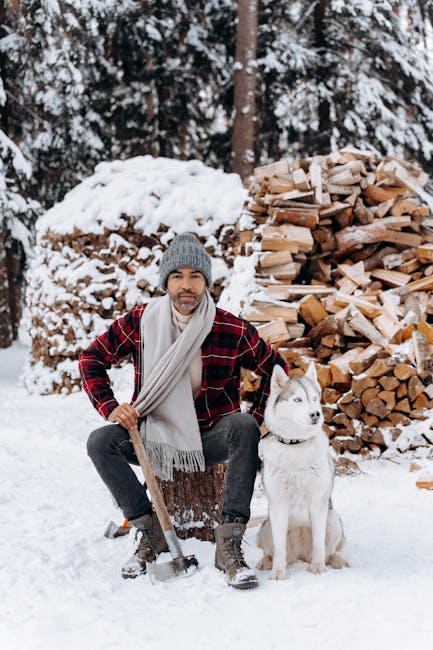
Layering clothes is key to staying protected in survival situations. Start with a base layer to keep dry. Add a middle layer for warmth. Top it off with a waterproof jacket to shield against rain and wind. This method helps maintain body heat and comfort outdoors.
Layering clothes is crucial in survival situations. It provides protection against changing weather conditions. Wearing multiple layers helps regulate body temperature effectively. The right layering can shield you from cold, rain, and wind. Understanding how to layer can be a lifesaver in the wild.
Cold Weather Strategies
The base layer should be moisture-wicking. It keeps sweat away from your skin. This helps in keeping your body dry. Choose materials like merino wool or synthetic fibers. These fabrics provide warmth even when wet. Next, add an insulating layer. Fleece or down jackets work well. They trap heat and keep you warm. This layer should be breathable yet retain warmth. Finally, an outer layer for wind and water protection. A shell jacket is ideal. It blocks wind and repels water. Make sure it is breathable to prevent overheating.
Rain And Wind Resistance
Rain can quickly lower body temperature. A waterproof jacket is essential. It keeps rain out and warmth in. Ensure it is lightweight and easy to pack. For windy conditions, a windproof layer is key. Wind can strip away body heat fast. A wind-resistant jacket helps maintain warmth. Look for jackets with adjustable hoods and cuffs. They provide extra protection. Layering is not just about warmth. It's about flexibility. You can add or remove layers as needed. This adaptability is vital in survival situations.
Repurposing Existing Items
Transform old clothes into practical survival gear. Convert t-shirts into bandages or make trousers into sturdy bags. Get creative with what's available for basic needs.
Repurposing existing items is vital in a survival situation. It can provide essential clothing without new resources. When faced with limited options, creativity becomes your greatest ally. You may not have access to a sewing machine or new fabrics. But you can transform everyday items into functional garments. Repurposing not only saves resources but also encourages sustainable practices. Let's explore how you can turn old clothes and household fabrics into survival essentials.
Using Old Clothes
Old clothes can be a treasure trove in survival times. Start by assessing what you have. Old t-shirts can become versatile headbands or makeshift belts. Jeans are durable. They make excellent patches or knee protectors. You can also use them to create sturdy bags. Cut away seams to use as strong ropes. Sweaters can transform into warm hats or mittens. Simply cut and sew the sleeves. Always think about layering. Layers provide warmth and protection.
Transforming Household Fabrics
Household fabrics are often overlooked. Curtains can become capes or ponchos. Use pillowcases as simple bags or aprons. A tablecloth may serve as an emergency blanket. Towels are useful too. They can be cut into bandages or wraps. Even bedsheets can become tunics or skirts. Look for materials that are breathable yet sturdy. Always use materials that are clean and intact. Sewing skills are helpful but not essential. Knots or simple stitches can work wonders.
Emergency Clothing Repairs
In survival situations, clothing can suffer wear and tear quickly. It's crucial to know how to repair clothes using limited resources. Emergency clothing repairs can save the day, keeping you warm and protected. Here, you'll learn quick fixes and patchwork solutions that are both effective and simple.
Quick Fixes
Quick fixes are essential for immediate clothing repairs. Safety pins are versatile tools. They can close tears, replace missing buttons, and secure broken zippers. If you don't have a safety pin, use a sharp twig. Tie knots in loose threads to prevent unraveling. Duct tape is another handy item. It can patch holes and reinforce seams. Always carry these basic items in your survival kit.
Patchwork Solutions
Patchwork solutions help mend larger clothing damages. Use fabric scraps from old clothes for patches. Stitch them over holes or tears with a needle and thread. If you lack a needle, fashion one from a thorn or fishbone. Use strong thread or fishing line for durability. For larger tears, overlap fabric edges before stitching. This provides extra strength to the repair. With practice, these techniques become second nature.
Maintaining Clothing Hygiene
Staying clean in survival situations involves basic clothing hygiene. Regularly wash clothes with available water and mild soap. Dry them thoroughly to prevent mold. Change clothes often to avoid skin irritation. Prioritize maintaining cleanliness to ensure health and comfort in challenging environments.
Maintaining clothing hygiene in a survival situation is crucial for your health and comfort. Dirty clothes can lead to skin infections and make you feel uncomfortable. Ensuring your clothing stays clean and in good condition can be the difference between a good day and a bad one in the wild.
Cleaning Techniques
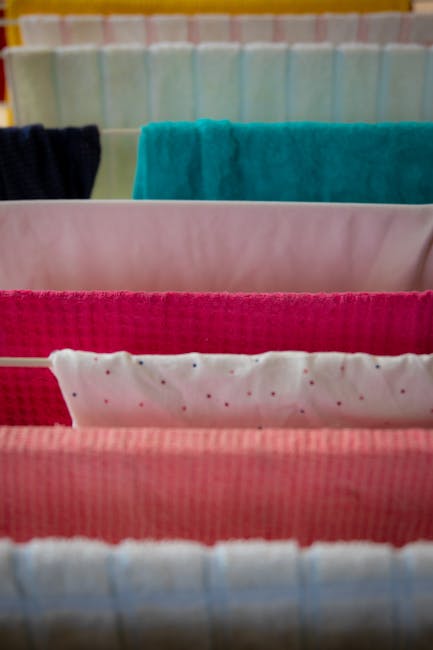
Clean clothes by using available resources like streams or collected rainwater. Rub your clothes gently in the water to remove dirt and sweat. If you have soap, use it sparingly to avoid polluting the water source. Dry your clothes thoroughly to prevent mold and mildew. Hang them on a branch or lay them on sunlit rocks. Sunlight not only dries but also naturally disinfects your garments.
Preventing Wear And Tear
Rotate your clothing to minimize wear on any one item. This keeps your clothes in better condition for longer periods. If you have a spare outfit, switch daily. Inspect your clothing for small tears and fix them immediately. Use available materials like vines or threads from other items. Quick repairs can prevent larger issues down the line. Consider how often you wash to balance hygiene with fabric longevity. Overwashing can weaken fibers, especially without proper detergents. Be mindful of your surroundings and adapt your cleaning habits accordingly. Have you ever thought about how maintaining your clothing can impact your survival? The clothes on your back are more than just fabric; they're a vital part of your survival toolkit. Keep them in good shape, and they'll keep you in good shape too.
Frequently Asked Questions
What Materials Are Best For Survival Clothing?
Natural fibers like cotton and wool are ideal for survival clothing. They provide warmth, comfort, and durability. Cotton is breathable and easy to layer, while wool offers insulation even when wet. Both materials are versatile and can be repurposed into various clothing items, making them suitable for survival situations.
How To Make Clothes Without Sewing?
You can create clothes by tying, knotting, or wrapping fabric. Use safety pins or clips for securing. Cut fabric into strips for easy tying. Wrap it around your body to form tops or skirts. This method is quick and requires minimal tools, suitable for emergency situations.
Can I Use Plastic For Survival Clothing?
Yes, plastic bags can be used for waterproof clothing. Cut and shape them into ponchos or wraps for rain protection. They are lightweight and can be layered over other clothing. Plastic provides a barrier against wind and rain, adding a layer of insulation in survival scenarios.
How To Repurpose Old Clothes For Survival?
Turn old clothes into useful items by cutting and sewing them. Use sleeves for makeshift hats or scarves. Transform pants into shorts or skirts. Repurpose fabric scraps for patching other garments. This technique is cost-effective and ensures you have suitable clothing in emergency situations.
Conclusion
Creating basic clothes for survival is a valuable skill. It helps you stay warm and protected. Using simple materials, you can make effective garments. Practice these techniques regularly. They can make a big difference in tough times. Remember, resourcefulness is key.
Use what's available around you. This knowledge boosts your confidence. And ensures you are prepared for unexpected situations. Keep honing these skills. They are practical and essential. Share them with others too. Helping each other is crucial in survival. Stay safe and be prepared for any challenge.