Imagine facing an unexpected situation where you need essential tools, but you have nothing at hand. Having a pocket survival kit can be a game-changer, providing peace of mind and readiness for any adventure or emergency.
Whether you're an outdoor enthusiast or just someone who likes to be prepared, learning how to make a pocket survival kit is invaluable. You can tailor it to suit your needs, ensuring you have everything necessary within arm's reach. This guide will walk you through crafting your own compact kit, empowering you to handle life's surprises with confidence and ease.
As you read on, you'll discover simple yet effective items that can make all the difference when it matters most. Are you ready to transform your preparedness game? Let's dive in!
Choosing The Right Container
Selecting the right container is crucial for crafting a pocket survival kit. Opt for lightweight, durable options that fit easily in your pocket. Waterproof containers ensure the contents remain safe and dry in emergencies.
Choosing the right container is crucial for your pocket survival kit. It needs to be compact, reliable, and strong enough for the wild. A good container keeps your items safe and organized. Let's explore important factors in choosing the best container for your kit.
Size And Material Considerations
Size matters. Your container should fit in your pocket or small bag. Consider containers that are easy to carry but spacious enough. Think about what you plan to include in your kit. Make sure your chosen container can hold all essential items without being bulky. Material is another key factor. Metal and plastic are common choices. Metal containers offer durability and protection. They can withstand harsh environments. Plastic containers are lightweight. Easy to carry, but they may not offer the same protection as metal. Choose based on your needs and environment.
Waterproof And Durable Options
Survival kits must endure tough conditions. Waterproof containers protect your items from rain and water exposure. Look for containers with tight seals. Rubber seals are effective in keeping water out. Durability is a must. Choose containers that resist dents and breakage. Strong materials like stainless steel or heavy-duty plastic work well. They offer the best protection for your survival essentials. Ensure your container can handle drops or rough handling. Choosing the right container involves careful thought. Consider size, material, waterproofing, and durability. These factors ensure your kit is reliable and ready for any situation.
Essential Tools And Gadgets
Creating a pocket survival kit requires careful selection of tools. These tools need to be compact, lightweight, and multifunctional. Essential tools can save lives in critical situations. They provide comfort and security during outdoor adventures.
Choosing the right gadgets enhances your survival kit's effectiveness. It ensures you're prepared for various challenges. Let's explore some crucial items for your kit.
Multi-tools For Versatility
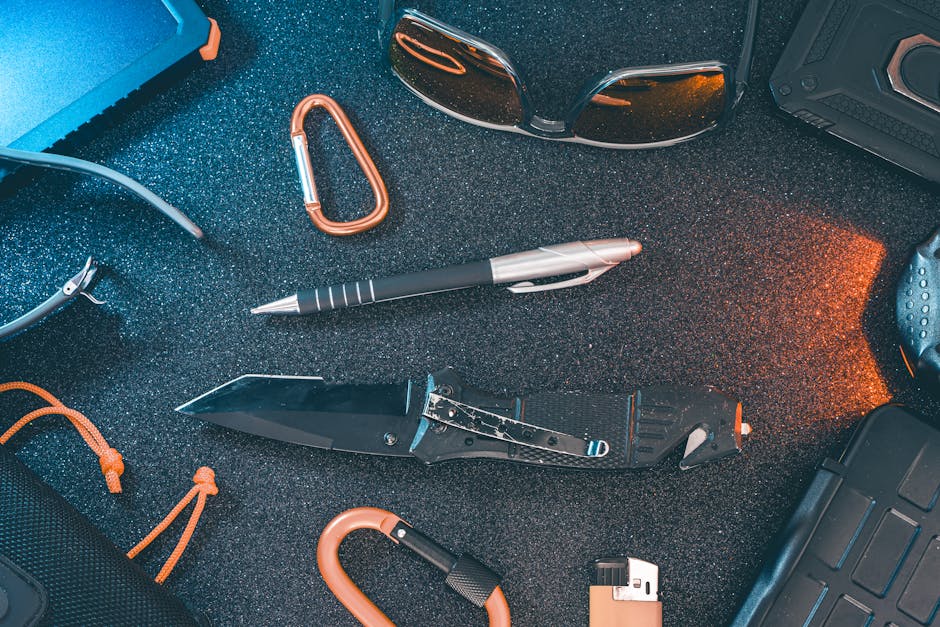
Multi-tools offer several functions in one compact device. They usually include blades, pliers, and screwdrivers. A multi-tool is incredibly handy in emergencies. It allows you to perform various tasks without carrying heavy gear. Choose a model with durable stainless steel construction.
Ensure the tool is easy to handle. Some multi-tools even include scissors and wire cutters. These features add extra utility to your survival kit.
Compact Flashlight Choices
A flashlight is a must-have for any survival kit. Opt for a compact flashlight with a bright LED. It provides illumination in dark environments. A small, lightweight model fits easily into your pocket. Consider one with multiple light settings.
This feature lets you adjust brightness according to your needs. Rechargeable flashlights are eco-friendly. They eliminate the hassle of replacing batteries. Waterproof models add extra reliability.
Fire Starting Devices
Fire is crucial for warmth, cooking, and signaling. Include fire-starting devices in your kit. A reliable option is waterproof matches. They ignite even in damp conditions. Lighters are another practical choice. Consider a windproof lighter for challenging weather.
Ferro rods are durable and long-lasting. They produce sparks by striking a metal scraper. Practice using them before you need them in an emergency.
First Aid Essentials
In any survival situation, having a pocket survival kit is crucial. One of the most important parts is the first aid essentials. These items can help treat minor injuries and prevent infections. Let's explore the basic medical supplies you need.
Basic Medical Supplies
Start with adhesive bandages. They are perfect for covering small cuts. Add a small roll of medical tape. You might need it to secure bandages or splints.
Include antiseptic wipes. They help clean wounds and prevent infections. Pack a few sterile gauze pads. They are useful for larger cuts or scrapes.
Consider a small tube of antibiotic ointment. It aids in healing and keeps wounds clean. A pair of tweezers can remove splinters or debris.
Don't forget pain relievers. They can help manage minor aches or reduce fever. Remember to check expiration dates regularly.
Emergency Contact Information
Write down emergency contact numbers. Include family, friends, and local emergency services. This information should be waterproof and easy to read.
Include any personal medical information. Note allergies or medical conditions. This can be vital in a crisis.
Having these details readily available saves time. It ensures you get the right help quickly. Keep this info updated as needed.
Navigation And Communication
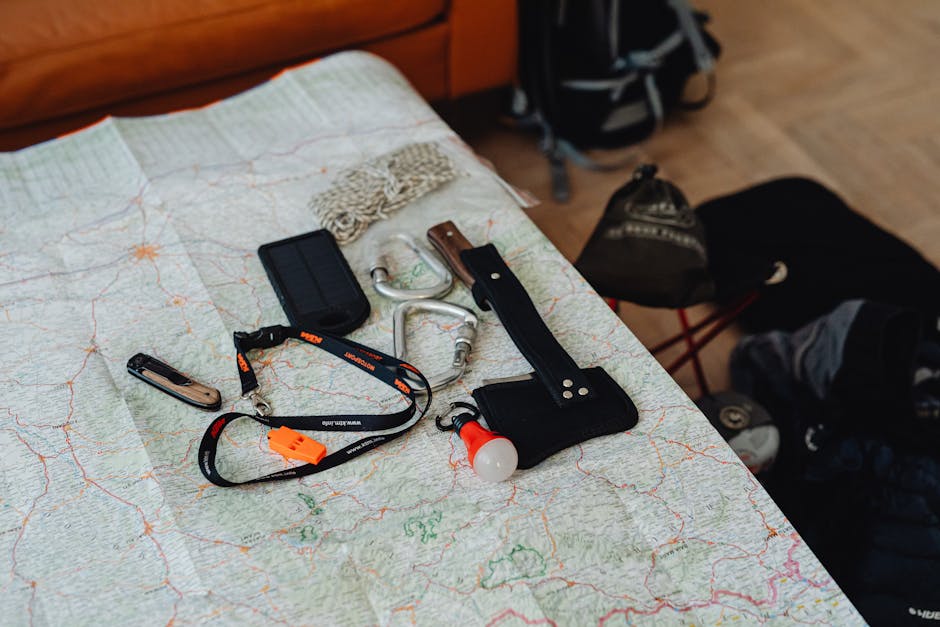
Crafting a pocket survival kit requires careful thought about navigation and communication tools. Include a small compass for direction and a whistle for signaling. A waterproof map and a compact mirror can also aid in communication and finding your way.
Navigating through unknown terrains and communicating during emergencies are crucial skills for survival. A pocket survival kit should empower you with essential tools to find your way and stay connected. Whether you're lost in the woods or trying to signal for help, having the right gear can make all the difference. Let's look at some practical options for navigation and communication that you can easily fit into your survival kit.
Mini Compass Options
A reliable compass is a must-have in any survival kit. Mini compasses are compact, yet highly effective. You can find them in various forms, such as button compasses or those integrated into a multi-tool. Consider a liquid-filled mini compass for more accurate readings. They are less likely to get stuck and are easier to read. Have you ever been hiking and felt unsure of your direction? A mini compass can quickly put you back on track. Attach it to your zipper or keychain for easy access. It's a small addition that could prevent a big problem.
Signal Mirror Usage
A signal mirror is an underrated tool for communication. It's not just for checking your reflection. In the right conditions, it can reflect sunlight over vast distances to catch someone's attention. Choose a mirror with a sighting hole. This helps you aim the reflection more accurately. Imagine being stranded and seeing a rescue plane in the distance. A well-aimed flash from your signal mirror could be your ticket home. Practicing its use before you actually need it is wise. Angle the mirror towards the sun and aim the reflection toward your target. It's simple but requires a little know-how. Including these tools in your pocket survival kit can significantly enhance your ability to navigate and communicate in challenging situations. Are you ready to take your survival skills to the next level?
Food And Water Solutions
Creating a pocket survival kit focuses on essentials like food and water solutions. Compact items like water purification tablets and high-energy snacks ensure readiness for emergencies. Lightweight tools and containers help in carrying and storing these necessities efficiently.
When assembling a pocket survival kit, you can’t overlook the essential need for food and water. Imagine finding yourself in a situation where you’re miles away from civilization. You will need resources to keep yourself nourished and hydrated. So, what are your options for compact solutions? Let’s delve into the world of practical food and water solutions that can fit right in your pocket.
Water Purification Tablets
In a survival scenario, access to clean water can be a game-changer. You might stumble upon a stream or a pond, but drinking directly from it can be risky. This is where water purification tablets come into play. They are small, lightweight, and can purify water in just a few minutes. These tablets are easy to use. Simply drop them into a container filled with water, shake, and wait for the magic to happen. It’s like carrying your personal water treatment plant. Have you ever tasted fresh mountain spring water? With these tablets, you can enjoy safe hydration even if you're not near a mountain.
Non-perishable Food Items
When it comes to food, you want items that won’t spoil. Think about what fits comfortably in your pocket yet packs a punch in terms of energy. Compact options like energy bars, nuts, and dried fruits are excellent choices. They’re not just convenient; they’re also nutritious. Energy bars are particularly handy. They have a long shelf life and can provide the calories needed to keep you going. Nuts offer proteins and healthy fats, while dried fruits give you natural sugars for quick energy boosts. Have you ever felt the satisfaction of a quick snack that powers you through a tough day? That’s what these foods can do for you in the wild. By prioritizing water purification tablets and non-perishable food items, you're preparing yourself to face the unexpected. What would you choose to ensure your survival?
Shelter And Warmth
Creating a pocket survival kit means preparing for the unexpected. Shelter and warmth are crucial elements for survival. In emergencies, staying warm can prevent hypothermia. It's vital to include items that help you stay dry and warm. Compact tools for shelter and heat are essential.
Compact Emergency Blanket
An emergency blanket is small yet effective. It reflects body heat back to you. This lightweight item fits easily in any kit. It can also serve as a makeshift shelter. Its durable material withstands harsh weather conditions. Choose one that folds into a tiny package. Ensure it is waterproof and windproof. These features provide maximum protection.
Portable Heat Sources
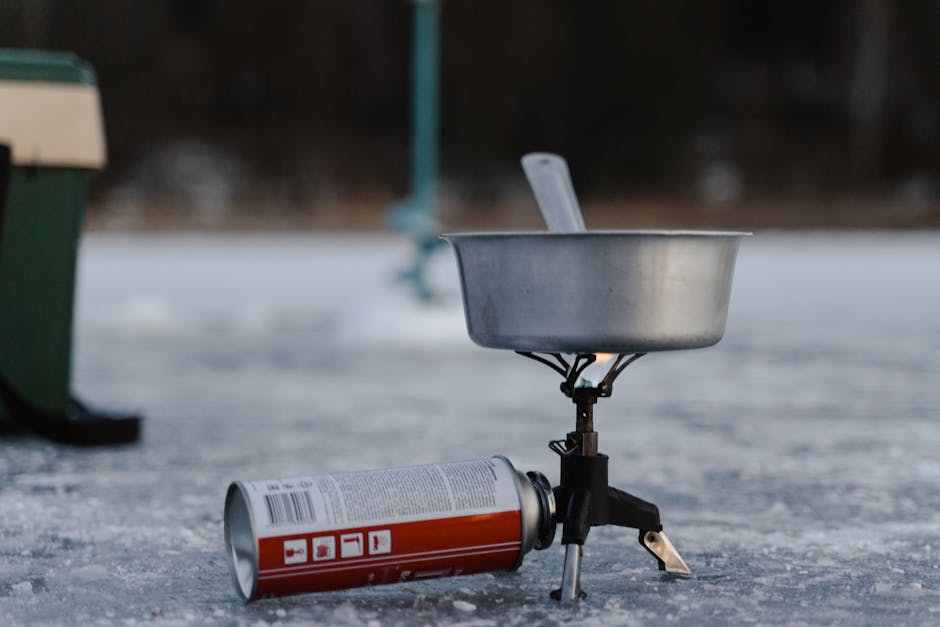
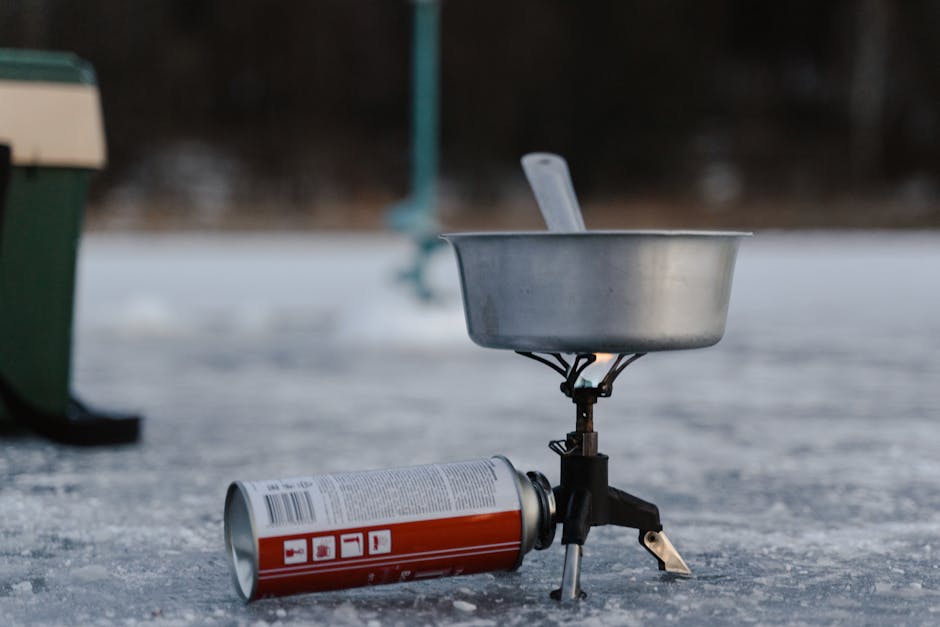
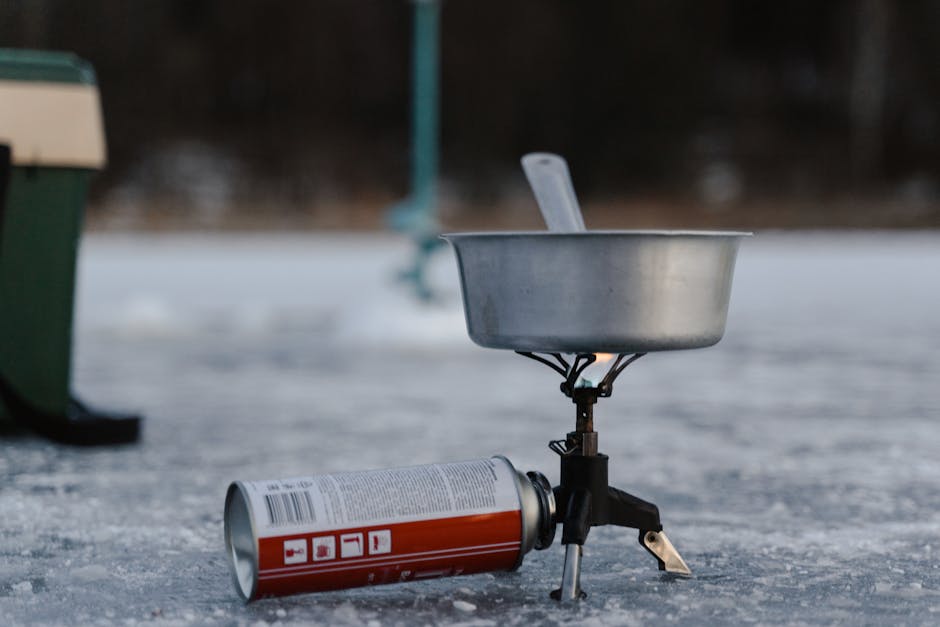
Portable heat sources offer warmth when needed. Hand warmers are simple and effective. They activate quickly and last several hours. Small and pocket-sized, they fit easily in your kit. Another option is a compact fire starter. It helps you create heat in various conditions. Look for magnesium or ferrocerium rods. These tools ignite fires even when wet. Consider carrying waterproof matches too. They are reliable and easy to use.
Safety And Security
Safety and security are crucial in survival situations. A pocket survival kit should include tools to protect yourself and alert others. These tools can help you stay safe and secure.
Self-defense Tools
Self-defense tools are essential. They provide protection against threats. Consider including a small pepper spray. It's easy to carry and effective. A mini flashlight can double as a self-defense tool. Use it to disorient attackers. Choose tools that are compact and easy to use.
Whistle For Alerting
A whistle is an important part of your kit. It helps you signal for help. Whistles are loud and can be heard from a distance. They require no batteries and are lightweight. Attach a whistle to your keychain for easy access. It’s a simple tool that can save your life.
Maintenance And Replacement
Regularly check and replace items in your pocket survival kit to ensure reliability. Keep tools clean and in good condition. Update supplies based on seasonal needs.
Maintaining your pocket survival kit is as crucial as assembling it. Ensuring every item is in working order can make the difference between a stressful ordeal and a manageable situation. Paying attention to the maintenance and replacement of your kit is an ongoing task. It's not just about having a kit but having a reliable one. Let's dive into how you can keep your survival kit in top shape.
Regular Kit Checks
Regularly checking your kit ensures that everything is in place and functional. Set a reminder to inspect your kit monthly. During these checks, verify that all items are intact and in good condition. Imagine being in a situation where you need to start a fire, only to find out your matches are damp. That’s a moment you'd rather avoid. Regular checks help prevent unpleasant surprises.
Updating Expired Items
Many items in your kit have a shelf life. Items like medical supplies, batteries, and food are perishable. Always note the expiration dates and replace them before they become unusable. Consider keeping a small log with expiration dates noted. It’s a simple task that could be crucial when you need to rely on your kit. Would you trust an expired medication when you're in need? Probably not. Make it a habit to replace expired items promptly, so your kit is always ready when you are. Incorporating these practices into your routine will ensure your pocket survival kit remains reliable. With regular maintenance and timely replacements, you’re better prepared for whatever comes your way.
Frequently Asked Questions
What Items Are Essential In A Survival Kit?
A survival kit should include a knife, waterproof matches, a whistle, and a small first aid kit. Consider adding a compass, fishing line, and a flashlight. These items provide safety, navigation, and basic health care in emergencies.
How Do I Choose The Right Container?
Select a durable, waterproof container that fits in your pocket. Metal or strong plastic options are ideal. Ensure it seals tightly to protect contents from moisture and damage. Compactness ensures portability while maintaining security.
Why Is A Survival Kit Important?
A pocket survival kit can save lives during unexpected situations. It provides essential tools for navigation, safety, and first aid. Having a kit ensures preparedness and boosts confidence in facing emergencies, reducing risks and enhancing survival chances.
How Often Should I Update My Kit?
Regularly check your kit every six months. Replace expired items and test functionality of tools. Updating ensures reliability and effectiveness. Keeping your kit current prepares you for emergencies, maintaining its readiness and usefulness.
Conclusion
Creating your pocket survival kit is essential. It's small, but powerful. Each item has a purpose. Think carefully about your needs. Include basics like a knife and matches. Add a whistle for emergencies. Pack lightweight gear. Keep the kit accessible.
Regularly check and update it. Stay prepared for unexpected situations. Remember, safety comes first. This kit can be a lifesaver. Share this knowledge with friends. Encourage them to make their kits. Preparedness builds confidence. Embrace the peace of mind a pocket kit offers.
Stay safe and ready for anything.