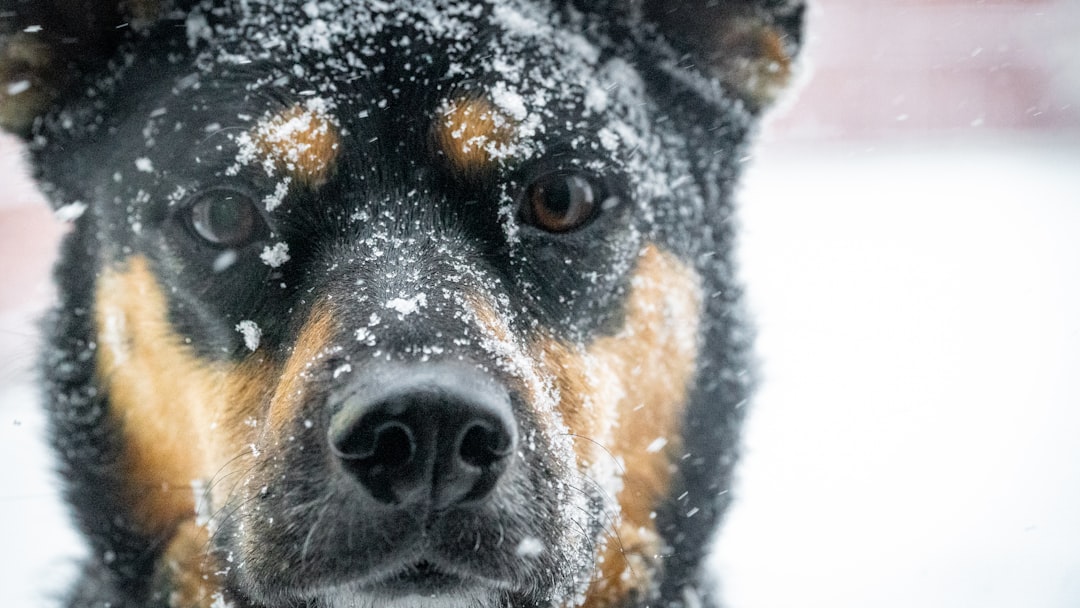
Can a Dog Survive in Cold Weather?
As temperatures drop, you might wonder how your furry friend handles the cold. Can a dog survive in cold weather?
This question weighs heavily on the minds of caring pet owners like you. You want to ensure your beloved dog stays safe and cozy, no matter how chilly it gets outside. After all, your pet's well-being is your top priority.
Imagine the peace of mind you'll have knowing exactly how to protect your dog from the harsh elements. Discover the secrets to keeping them warm and comfortable, even when the mercury dips. Dive into this article and uncover essential tips and insights that will empower you to make the best choices for your canine companion. Stay informed and keep your dog safe this winter!
Dog Breeds And Cold Tolerance
Some dog breeds handle cold weather better than others. Thick coats help breeds like Huskies and Malamutes stay warm. Small or short-haired dogs might struggle in chilly climates.
Understanding which dog breeds can withstand cold weather is crucial for ensuring your furry friend remains comfortable and healthy during the chilly months. Different breeds have different tolerances to cold temperatures. This can greatly influence how they cope with winter conditions. Let's explore which breeds are better suited for cold climates and which are more sensitive to cold. This will help you make informed decisions for your pet.
Breeds Suited For Cold Climates
Certain dog breeds are naturally equipped to handle the cold. They have thick coats that provide insulation and keep them warm. Breeds like the Siberian Husky and Alaskan Malamute are prime examples. These dogs were bred to thrive in harsh, snowy environments. Have you ever seen a Saint Bernard in action? Known for their rescue missions in the Swiss Alps, they have a dense coat and large size, making them perfect for cold weather. If you live in a region with harsh winters, these breeds can be your ideal companions. Interestingly, some smaller breeds, such as the Shiba Inu, also fare well in cold climates. Their double coats help them adapt to colder temperatures. When choosing a breed, consider how their natural traits align with your local weather.
Breeds Sensitive To Cold
On the flip side, some breeds struggle in cold weather. They may have thin coats or a small body mass that doesn't retain heat well. Greyhounds and Chihuahuas are breeds that often feel the chill more than others. Imagine your little Italian Greyhound shivering on a cold day. Their slender build and short fur offer little protection against the cold. These breeds may need extra layers, like dog sweaters, to keep warm. Do you have a beloved French Bulldog? This breed, with its short snout, can struggle with breathing in extremely cold air. It's essential to monitor their time outside during winter and provide cozy indoor spaces for warmth. When considering a dog breed, think about your climate and how well the dog can adapt. Are you prepared to take additional steps to keep a cold-sensitive breed comfortable? If not, you might want to lean towards breeds with natural cold tolerance. In choosing the right dog for your climate, consider their natural adaptations. This ensures not only their comfort but also their health during colder months. What steps will you take to ensure your pet thrives in winter weather?
Recognizing Cold Weather Signs
As temperatures drop, it's crucial to understand how cold weather affects your furry friend. Dogs can face challenges in cold weather, and recognizing the signs that they're feeling chilly can be a lifesaver. This awareness is not just about keeping them comfortable; it's about ensuring their safety and health during the colder months. But how do you know when your dog is feeling the cold? Let's dive into the signs that tell you your dog might need extra warmth.
Behavioral Indicators
Dogs often express their discomfort through changes in behavior. You might notice your dog shivering more frequently or seeking out warm spots, like curling up next to a heater or burrowing under blankets. These actions are their way of saying, "I need warmth."
Does your dog seem less interested in going for a walk or playing outside? Cold weather can dampen their enthusiasm for outdoor activities. It's essential to pay attention to these subtle cues and adapt their routine accordingly. Keep an eye on their energy levels; a drop might indicate they're feeling the chill.
Physical Symptoms
Cold weather can also manifest in physical symptoms. Check for signs like dry skin, which can become itchy and uncomfortable. You might notice your dog's nose or ears turning pale. This discoloration can be a hint that your dog's circulation is affected by the cold.
Another symptom to watch for is a slower pulse. If your dog seems lethargic or sleepy, it might be due to their body working harder to maintain warmth. Regularly checking their pulse rate can be a handy way to monitor their health.
Are your dog's paws unusually cold or hard? This can be a sign that the ground is too chilly for them. Consider investing in booties or limiting outdoor time to prevent cold-related injuries.
Recognizing these signs is about more than just observation. It's about understanding your dog's needs and responding appropriately. If you notice any of these indicators, it's time to take action. How can you ensure your dog stays warm and healthy during the colder months? Share your experiences or tips in the comments below!
Providing Shelter
Ensuring your dog has proper shelter is crucial in cold weather. Dogs, like humans, need warmth and protection from the elements. Different shelter options can keep your furry friend safe and comfortable.
Indoor Accommodations
Bringing your dog indoors during cold spells offers the best protection. A warm room with a cozy bed is ideal. Use blankets to provide extra warmth. Keep the room draft-free. Ensure your dog has access to food and water.
Some dogs enjoy a heated bed or pad. Ensure these are pet-safe and not too hot. Monitor their condition regularly. Dogs should not stay in garages or unheated spaces. These areas can become too cold quickly.
Outdoor Shelters
If your dog stays outside, a sturdy shelter is essential. It should be insulated and raised from the ground. This keeps moisture out and retains heat. Use straw or bedding material for added warmth. Change bedding regularly to avoid dampness.
The shelter should face away from the wind. A door flap can help block cold air. Ensure the shelter is large enough for your dog to move but not too spacious. Smaller spaces help retain body heat. Always provide unfrozen water and food.
Clothing And Gear
Dogs can live in cold weather with the right clothing and gear. Warm jackets and booties help keep them safe and cozy. Proper protection ensures their comfort during chilly outdoor adventures.
When the temperature drops, ensuring your dog stays warm becomes crucial. Clothing and gear play a significant role in protecting your furry friend from the cold. While some dogs have thick coats, others may need extra layers to stay comfortable. Whether it's a stylish sweater or a practical jacket, choosing the right clothing and gear can make all the difference.
Protective Clothing
Choosing the right clothing for your dog can be a game-changer in cold weather. A good jacket should be waterproof and insulated, providing warmth without restricting movement. I remember last winter, my Labrador, Max, was shivering during our walks. Investing in a quality coat made him more comfortable and eager to go outside. Consider your dog's size and breed when selecting clothing. Smaller breeds or those with short hair often need more protection. Look for adjustable straps and easy-to-clean materials. Bright colors or reflective strips can also improve visibility during evening walks.
Footwear For Dogs
Have you ever noticed your dog lifting their paws off the cold ground? Dog boots can be a great solution. They protect paws from ice, salt, and freezing temperatures. Finding the right fit is essential. Boots should be snug but not too tight, allowing your dog to walk naturally. My friend's Husky initially resisted wearing boots, but after a few tries, he adapted quickly. Now, he happily prances through snow-covered paths without any discomfort. Look for boots with good grip to prevent slips. Velcro straps can help keep them secure. If boots aren't an option, consider paw balms to provide a protective barrier.
Keeping your dog safe in cold weather requires thought and preparation. What steps will you take this winter to ensure your dog stays warm and happy?
Nutrition And Hydration
Dogs can endure cold weather with proper nutrition and hydration. These essential elements help maintain their energy and warmth. Adequate food and water support their metabolism, enabling them to cope with chilly conditions more effectively.
Nutrition and Hydration Keeping your dog healthy during the cold months is more than just providing a warm coat. Nutrition and hydration play a crucial role in ensuring your furry friend thrives in chilly weather. You might wonder, how do you adjust your dog’s diet, and what should you watch for in their water consumption?
Diet Adjustments For Winter
As temperatures drop, your dog burns more energy to stay warm. Increasing their calorie intake can help maintain their body heat. Consider adding more protein-rich foods to their meals, like chicken or fish, to provide sustained energy. If your dog enjoys treats, opt for those with omega-3 fatty acids. They not only boost energy but also support a healthy coat. Remember to adjust the portion size based on your dog's activity level and size. Observe your dog's weight. If they start to look thinner, it might be time to increase their food portions. On the other hand, if they are less active and gaining weight, you might need to cut back.
Ensuring Adequate Hydration
Cold weather can reduce a dog's thirst, but they still need plenty of water. Ensure their water bowl is always full and check it regularly to prevent freezing. Consider using a heated water bowl if you live in an extremely cold area. This ensures the water stays drinkable, encouraging your dog to drink more frequently. You can also add warm broth to their meals. Not only does it increase fluid intake, but it also makes meals more appealing. It's easy to overlook hydration when it's cold, but staying hydrated is as essential as staying warm. How do you keep your dog’s water fresh and accessible? Share your tips and stories below!
Exercise And Outdoor Time
Dogs can manage cold weather with proper care and preparation. Thick fur offers natural insulation, but some breeds struggle more than others. Providing cozy shelter and limiting exposure during extreme temperatures ensures their safety and comfort.
When the cold weather hits, you might wonder if your furry friend can still enjoy their daily romp outdoors. Exercise and outdoor time are crucial for your dog's health, even in chilly temperatures. With some precautions, you can ensure your dog gets the benefits of outdoor activities without the risk of freezing. Let’s explore how you can keep your dog active and safe.
Safe Exercise Practices
During winter, it's important to adjust your dog's exercise routine. Choose activities that keep them moving, like brisk walks or short runs, to maintain their body heat. Avoid standing still for too long, as this can make them cold quickly. Dress your dog appropriately for the weather. Smaller dogs or those with short coats might benefit from a doggy sweater or jacket. Ensure their paws are protected from ice and salt, possibly with dog booties. Observe your dog closely for signs of discomfort. Shivering, whimpering, or lifting paws are cues that they might be too cold. If you notice any of these, it’s time to head indoors for some warmth.
Limiting Outdoor Exposure
It's essential to limit your dog's outdoor exposure during freezing conditions. Shorten their walks but increase the frequency to balance exercise with warmth. This way, they can enjoy multiple outings without staying out too long in the cold. Create a safe outdoor environment by clearing snow and ice from pathways. This reduces the risk of slipping and ensures your dog can move comfortably. Be mindful of wind chill, which can make temperatures feel colder than they are. Think about how you feel when it's cold outside. If it’s too cold for you, it’s probably too cold for your dog. Always have a warm, cozy space ready for them to return to after outdoor activities. Have you noticed any changes in your dog’s behavior during cold weather? Keeping them active can be challenging, but it’s worth the effort for their health and happiness.
Emergency Preparedness
Bracing for winter with your furry friend can be as thrilling as it is challenging. Emergency preparedness is crucial when cold weather strikes. You need to be ready for the unexpected to ensure your dog stays safe and warm. Whether it's a sudden drop in temperature or an extended power outage, having a plan can make all the difference. Have you ever wondered how well-prepared you are to handle a cold-weather emergency with your dog?
Recognizing Hypothermia
Hypothermia can sneak up on your dog faster than you might think. It's essential to recognize the signs early. Look for shivering, lethargy, and a drop in body temperature. Your dog's breathing might become shallow, and their gums could appear pale or bluish. These are red flags that your dog needs immediate attention. Don't assume your dog is just cold; hypothermia is a serious condition that requires swift action.
First Aid For Cold-related Issues
If your dog shows signs of hypothermia, act quickly. Move them to a warmer environment and wrap them in blankets. Avoid using direct heat sources like a heating pad, as they can cause burns. Instead, you can use your body heat to gently warm them. Offer warm water to drink if they're conscious and able to swallow. Contact your vet as soon as possible for further guidance.
In extreme cases, knowing basic first aid can save your dog's life. Consider taking a pet first aid course to prepare for emergencies. It empowers you to respond effectively until professional help arrives. Have you ever thought about how handy such skills could be in a crisis?
As winter approaches, take time to prepare. Stock up on essentials, and make sure your dog is equipped for the cold. With the right knowledge and tools, you can face the winter season with confidence, knowing your dog is safe and sound.
Myths About Dogs In Winter
Winter brings many myths about dogs and cold weather. Some believe dogs are immune to cold. Others think fur is enough to keep them warm. These myths can harm your pet. Understanding the facts helps keep your dog safe.
Common Misconceptions
A common myth is that dogs don't feel cold. People assume fur is a perfect shield. This is not true. Dogs can get cold, just like humans. Their fur provides some warmth, but not always enough. Smaller dogs feel the cold more. Older dogs also struggle in low temperatures.
Another myth is that only short-haired dogs need coats. Long-haired dogs also benefit from extra warmth. Especially in freezing conditions. Cold weather can cause health issues. Hypothermia and frostbite are risks for all dogs. Understanding these risks is crucial.
Fact-checking Popular Beliefs
Many believe snow is safe for dogs to eat. This is a myth. Snow can contain harmful chemicals. De-icers and antifreeze are dangerous. These can cause serious health problems if ingested. Always watch what your dog eats outside.
Some think exercise keeps dogs warm enough. This belief is partly true. Activity generates heat, but it doesn't replace proper clothing. Dogs need protection during long outdoor stays. Especially in extreme cold. A warm coat helps maintain body heat.
Finally, people assume dogs' paws are immune to cold. This is incorrect. Paws need care in winter. Ice, snow, and salt can harm them. Consider using dog boots or paw balm. These protect against cold and irritants.
Frequently Asked Questions
Can Dogs Handle Freezing Temperatures?
Dogs can tolerate cold weather, but it varies by breed. Some breeds have thicker coats that offer better insulation. However, prolonged exposure to freezing temperatures can be dangerous. Ensure your dog has a warm shelter and monitor for signs of discomfort or hypothermia.
What Temperature Is Too Cold For Dogs?
Temperatures below 32°F can be too cold for most dogs. Smaller breeds and those with thin coats are more susceptible. It's crucial to limit outdoor time and provide adequate warmth. Always monitor your dog's behavior for signs of cold stress.
How To Keep Dogs Warm In Winter?
To keep dogs warm in winter, provide a heated indoor space. Dog sweaters can offer extra warmth for outdoor walks. Ensure their bedding is insulated and dry. Regularly check for signs of cold stress like shivering or lethargy.
Can Dogs Get Frostbite?
Yes, dogs can get frostbite, especially on ears, paws, and tails. Frostbite occurs when skin and tissues freeze. Protect your dog by limiting exposure to extreme cold and using booties for paws. Regularly check for pale or discolored skin.
Conclusion
Dogs can survive cold weather, but need proper care. Warm shelter is essential. Keep them dry and cozy. Provide nutritious food for energy. Watch for frostbite and hypothermia signs. Short-haired breeds need extra protection. Use jackets or sweaters. Limit outside time during extreme cold.
Always ensure they have fresh water. Love and attention keep them happy. Prioritize safety in chilly climates. With these tips, you can help your dog thrive, even in cold weather. Stay attentive, and your furry friend will enjoy the winter months comfortably.