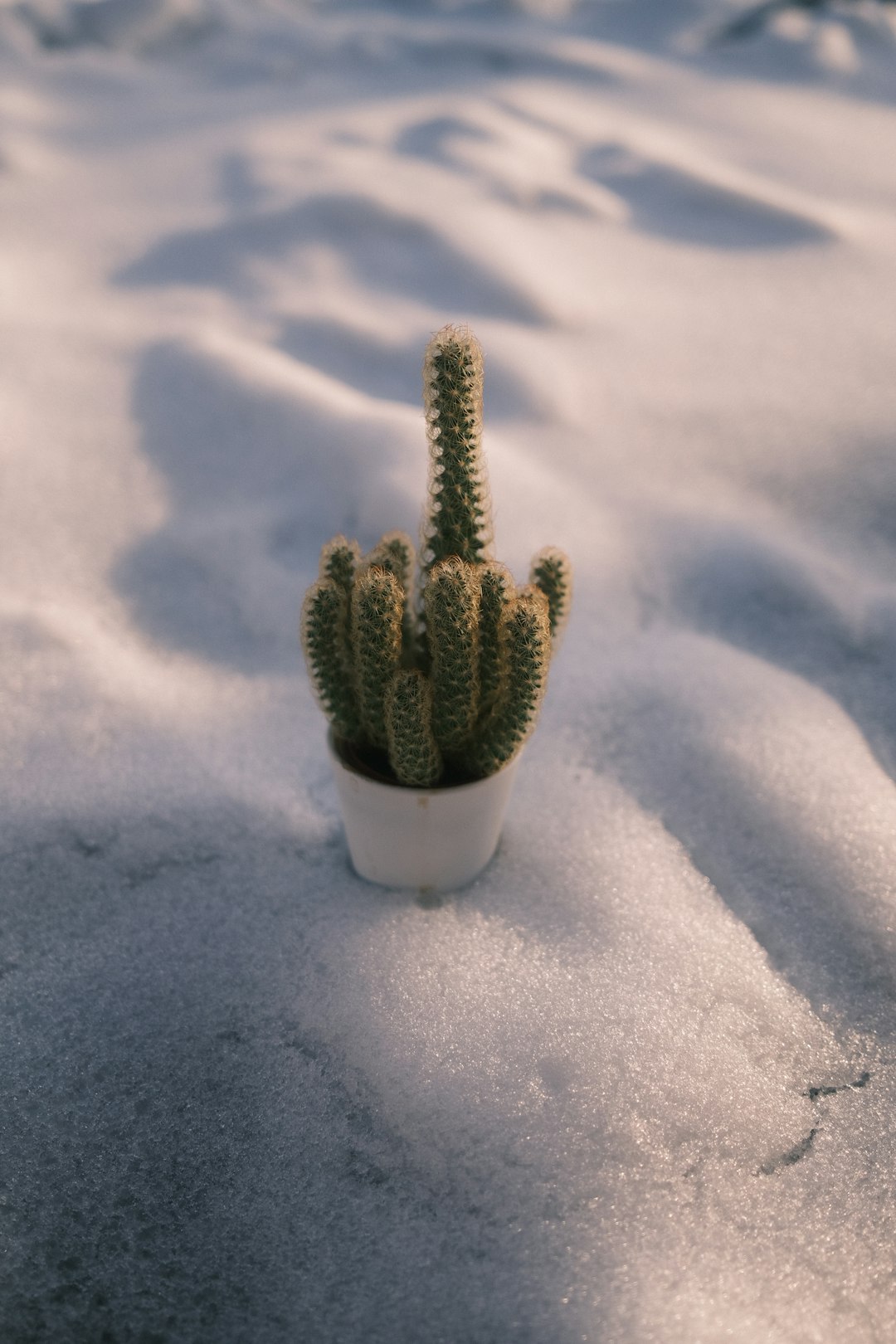
Can Cactus Survive Cold Weather?
Have you ever wondered if your beloved cactus can withstand the chill of winter? It's a question that might have crossed your mind as temperatures begin to drop and your indoor plants need extra care.
You might think of cactus as a desert plant that thrives in hot, dry conditions, but can it survive when the cold weather rolls in? This concern is not just about keeping your plant alive; it’s about ensuring the vibrant life it brings to your space continues to flourish.
Understanding how cacti cope with cold temperatures can transform your approach to plant care and help you maintain a thriving indoor garden year-round. Dive into this exploration and uncover surprising insights that could change the way you care for your cactus during the colder months.
Cactus Basics
Cacti are fascinating plants with unique features and adaptability. They thrive in various environments. Their ability to store water makes them resilient in dry conditions. Understanding cactus basics helps in knowing their survival capabilities.
Natural Habitat
Cacti typically grow in desert regions. Their natural habitat is hot, sunny, and dry. They are found in North and South America. Most cacti develop in areas with little rainfall. These regions have sandy or rocky soil. Cacti evolved to withstand harsh weather conditions.
Temperature Tolerance
Cacti have a surprising range of temperature tolerance. Many species can handle freezing temperatures. Some cacti survive in temperatures as low as 20°F (-6°C). Cold hardy cacti are specially adapted to chilly climates. Their thick skin protects them from frost damage. Cacti from mountain regions tolerate cold better.
Cold Weather Challenges
When the cold months roll in, cacti face a unique set of challenges. These resilient plants, often associated with arid deserts, can actually survive chilly weather, but they need a bit of help. With the right care, your cactus can thrive even in the harsh winter. Let's look at the cold weather challenges they face.
Frost And Freezing
Frost can be a silent enemy to your cactus. It might seem harmless, but it can cause irreversible damage to these plants. When temperatures dip below freezing, the water inside the cactus can expand. This could lead to cell damage and even death.
What can you do to protect your cactus from frost? Consider covering them with frost cloth or bringing them indoors during freezing nights. A friend once wrapped her cactus with burlap, creating a cozy shield against the biting cold.
If you live in an area with frequent frost, you might want to ask yourself: is my cactus in a safe spot? A sheltered location can make a world of difference.
Winter Sunlight
Sunlight is crucial for cacti, even in winter. These plants are sun worshippers, and a lack of light can stunt their growth. During winter, the sun is lower and less intense, posing a challenge for these sun-loving plants.
Is your cactus getting enough sunlight? Move it closer to a south-facing window to maximize exposure. But be careful not to place it too close to chilly drafts.
Using artificial light can also help. A grow light can supplement natural sunlight and keep your cactus happy. Have you tried this method? It might just be the key to keeping your cactus thriving all winter long.
Cold weather presents real challenges to cacti. But with a little effort and care, you can ensure your prickly friend survives the winter and continues to add life to your space.
Types Of Cold-hardy Cacti
When you think of cacti, you might envision arid deserts and blazing sun. But did you know that some cacti can brave the chill of winter? These hardy varieties can transform your garden into a unique landscape, even in cold climates. Knowing which types of cacti can withstand the cold can inspire you to try new gardening adventures.
Opuntia Species
Opuntia, commonly known as prickly pear, is a champion in cold weather resilience. These cacti can thrive in temperatures as low as -20°F (-29°C). They feature flat, paddle-like pads that are not only eye-catching but also add an intriguing texture to your garden.
I once planted an Opuntia in my backyard, curious about its survival during a harsh winter. To my amazement, not only did it survive, but it also bloomed brilliantly in spring. This experience taught me that choosing the right species can make all the difference.
Opuntias are versatile and come in various shapes and sizes. Some even produce edible fruit, adding an extra layer of functionality to their beauty. Consider adding these to your garden if you want a hardy and rewarding plant.
Echinocereus Varieties
Echinocereus, or hedgehog cacti, are also excellent options for cold climates. These cacti are known for their vibrant flowers and ability to endure freezing temperatures. They can withstand conditions as cold as -10°F (-23°C).
Imagine a snowy winter morning, and amidst the frost, you spot the vibrant pink blooms of Echinocereus. It's a surprising sight that challenges the norms of traditional winter gardens. This unexpected burst of color can lift spirits and make your garden stand out.
Whether you're a seasoned gardener or a beginner, Echinocereus offers an easy-care option. They require minimal maintenance, making them perfect for those who want beauty without the fuss. So, why not give them a try?
Have you ever considered how adding cold-hardy cacti to your garden could change your perception of winter gardening? With these resilient plants, the possibilities are endless.
Preparing Cacti For Winter
Cacti can survive cold weather with proper care. Protect them by moving indoors or providing a cover. Ensure soil is dry to prevent root rot.
Preparing your cacti for the winter season is crucial to ensure their survival in cold weather. Many cacti, despite their tough exterior, are sensitive to frost and need a little help to thrive through the chilly months. Simple steps can make a huge difference. Let's dive into practical tips to keep your cacti healthy when temperatures drop.
Insulating Soil
One of the easiest ways to protect your cacti is by insulating the soil. Cold can penetrate the ground, affecting the roots. You can use materials like straw, burlap, or even old blankets to cover the soil around your cacti. This creates a barrier, keeping the warmth in and the cold out. Think about the last time you wrapped yourself in a cozy blanket on a cold night. Your cacti will appreciate the same warmth. Make sure the soil is dry before insulating, as wet soil can freeze and damage the roots.
Using Mulch
Adding mulch is another effective method to safeguard your cacti. Mulch acts as an insulating layer, similar to a warm jacket. Use organic materials like wood chips, leaves, or pine needles. They not only keep the soil warmer but also prevent erosion and retain moisture. You might wonder how much mulch is enough. A layer of about 2 to 3 inches should do the trick. Just be careful not to pile it too high around the cactus stem, as this can lead to rot. Have you ever noticed how nature covers forest floors with leaves in autumn? It’s nature’s way of preparing for winter. Applying mulch mimics this natural process, giving your cacti a better chance to survive the cold season. Are you ready to try these simple yet effective techniques? Your cacti will thank you for the extra care and attention, rewarding you with their resilience and beauty come spring.
Indoor Care Tips
Caring for cacti indoors during cold weather can be simple. With the right conditions, your cactus will thrive even in winter. Let's explore some indoor care tips that will help your cactus stay healthy and vibrant.
Temperature Control
Cacti need a warm environment to grow well. Keep the room temperature around 50 to 65 degrees Fahrenheit. Avoid placing them near cold drafts or heaters. These can harm the plant. Use a thermometer to monitor the temperature. Consistent warmth ensures the cactus stays healthy.
Lighting Requirements
Good lighting is crucial for cacti. Place them near a south or east-facing window. They need bright, indirect sunlight. Avoid direct sunlight. It can burn the cactus. Use artificial lights if natural light is scarce. Ensure they get 12-14 hours of light daily. This helps maintain their growth cycle.
Common Mistakes
Cacti often face challenges in cold weather. Many assume all cacti can endure frost, but not all species are frost-resistant. Ignoring soil moisture during cold spells can also harm these succulents. Proper care is crucial to ensure their survival in chilly conditions.
Caring for a cactus in cold weather can sometimes be a tricky endeavor. Many people make common mistakes that can harm or even kill these resilient plants. Understanding these errors can help you ensure your cactus thrives even in chilly conditions. Let's dive into some frequent pitfalls and how to avoid them.
Overwatering
One major mistake is overwatering. Cacti are drought-tolerant plants that store water in their stems. In cold weather, they need even less water than usual. Imagine your cactus sitting in a pool of water—this can quickly lead to root rot. If you water it as often as your other houseplants, you risk drowning it. Allow the soil to dry completely before adding more water. A simple trick is to stick your finger into the soil; if it feels dry, then it's time to water.
Improper Placement
Improper placement is another common error. Cacti need sunlight, even in winter. Placing them in a dark corner can stunt their growth and weaken them. Think about where your cactus is sitting right now. Is it getting enough light? South-facing windows are often best, as they provide more sunlight during shorter winter days. Avoid placing your cactus near cold drafts or heat sources like radiators. These environments can cause temperature fluctuations that stress the plant. Are you making these mistakes with your cactus care? Adjusting your watering schedule and finding the perfect spot in your home can make all the difference. Your cactus will thank you for it!
Reviving Frost-damaged Cacti
Cacti endure cold weather by minimizing frost damage. Protective measures can help them survive chilly temperatures. Reviving frost-damaged cacti involves careful pruning and ensuring warmth.
Reviving frost-damaged cacti can seem daunting, but with the right approach, these resilient plants often bounce back. Cold weather can take a toll on cacti, leaving you wondering if your beloved plant will ever recover. Understanding how to assess and repair the damage can make all the difference in nurturing your cactus back to health.
Assessing Damage
First, you need to inspect your cactus to evaluate the extent of the frost damage. Look for signs like blackened or mushy areas, which indicate that the plant cells have frozen and burst. Keep in mind that some damage might not be immediately visible. Over the next few days, watch for any changes in texture or color. Consider documenting the changes with photos. This will help you track the plant's recovery over time and identify improvement or further decline.
Pruning Techniques
Once you've assessed the damage, it's time to prune the affected areas. Using clean, sharp tools, carefully cut away the damaged sections to prevent further decay. Make sure to cut at least an inch into healthy tissue. This ensures you remove all the damaged parts, giving your cactus the best chance to heal. After pruning, allow the cuts to callous over for a few days before watering the plant. This helps reduce the risk of rot setting in. Reviving frost-damaged cacti can be both a challenge and a rewarding experience. Have you ever successfully revived a plant that seemed beyond hope? Your experience might just hold the key to someone else's success.
Frequently Asked Questions
How Do Cacti Handle Cold Weather?
Cacti can handle cold weather but are sensitive to frost. They thrive in temperatures above freezing. To protect them, cover with a cloth or move indoors. Some varieties are more cold-tolerant than others. Always check the specific needs of your cactus species.
Can Cacti Be Grown In Cold Climates?
Yes, certain cacti can be grown in cold climates. Hardy varieties like Opuntia tolerate freezing temperatures. Ensure proper drainage to avoid root rot. Winter care includes sheltering and covering plants. Always research your specific cactus species for optimal care.
What Temperature Is Too Cold For Cacti?
Temperatures below freezing are often too cold for most cacti. Some species can tolerate down to 20°F. Protect them from frost using covers or by moving indoors. Always monitor the weather and adapt care practices accordingly.
Do Cacti Need Special Care In Winter?
Yes, cacti need special care during winter. Reduce watering to prevent root rot. Protect from frost using covers or indoors. Ensure adequate sunlight and monitor temperatures. Proper winter care ensures healthy growth in spring.
Conclusion
Cacti can handle cold weather with care and planning. Some species tolerate low temperatures. Protect them from frost to ensure their survival. Use coverings or move them indoors when it’s freezing. Proper drainage is crucial to prevent root damage. Water sparingly in colder months.
This reduces the risk of rot. Choose the right cactus variety for your climate. With these tips, your cactus can thrive even in cold conditions. Understanding their needs makes all the difference. Keep learning and observing. Your cactus will thank you with healthy growth.