Which Cactus Can Survive Cold Weather?
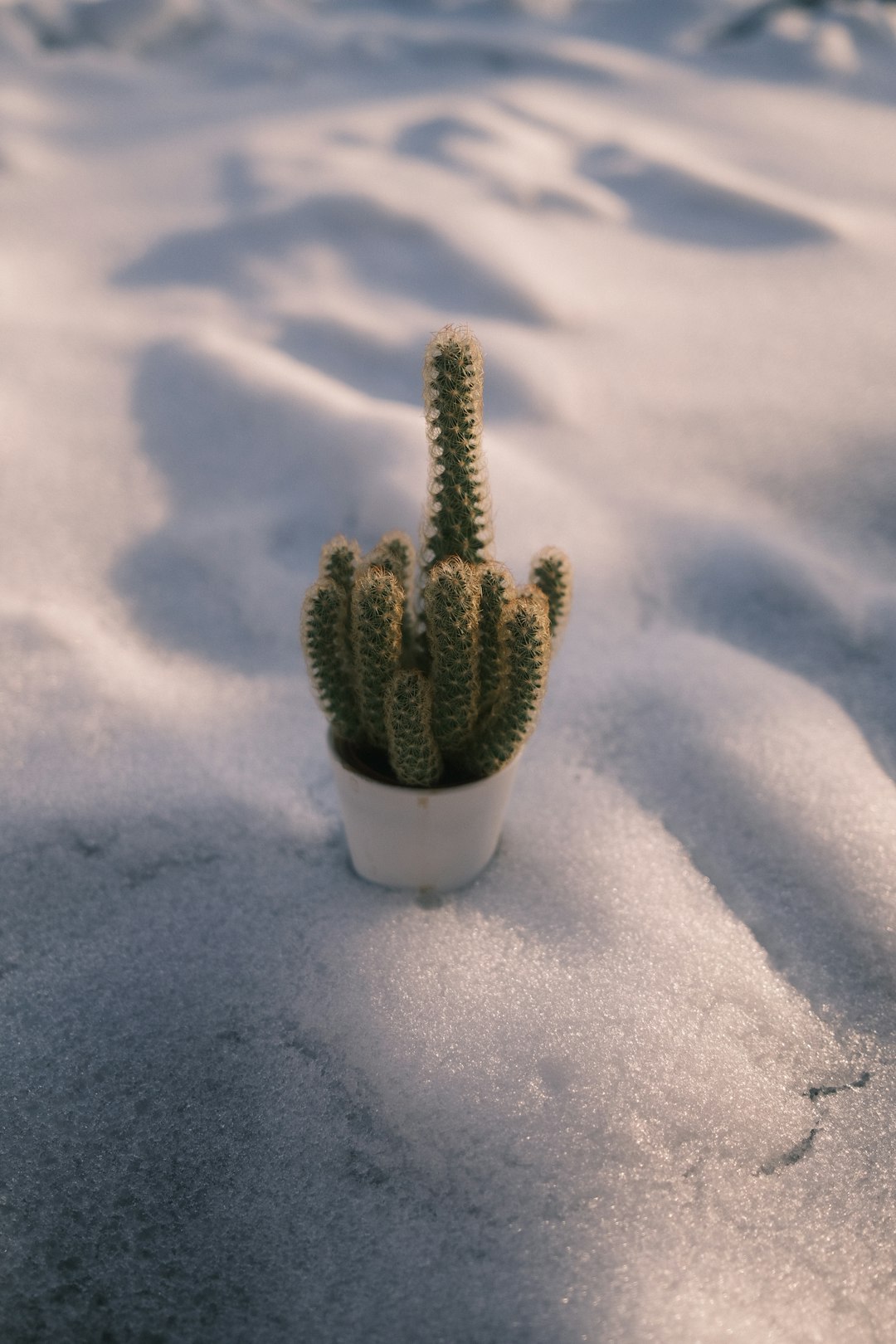
Picture this: a stunning cactus thriving in your garden, even as the frost sets in. You might think that cacti are only meant for scorching deserts, but some hardy varieties can brave the cold.
Are you curious to know which cactus can survive cold weather? Imagine having a unique, low-maintenance plant that not only adds character to your space but also withstands chilly temperatures. You'll discover the resilient species that defy the odds, bringing a touch of the exotic to your winter landscape.
Get ready to transform your garden with cacti that can thrive in frosty conditions. Let's dive into the world of cold-hardy cacti and find the perfect one for you!
Cold-hardy Cacti Characteristics
Cacti are known for their resilience and ability to thrive in harsh conditions. Some varieties can survive cold weather. These cold-hardy cacti have unique characteristics. Understanding these traits can help gardeners choose the right plants for cooler climates.
Spines And Woolly Covering
Cold-hardy cacti often have dense spines. These spines provide insulation against frost. Some have a woolly covering. This helps retain heat during cold nights.
Low Water Content
These cacti hold less water than their warm-weather counterparts. Reduced water content prevents freezing damage. It allows them to withstand low temperatures.
Compact Shape
Cold-hardy cacti often have a compact shape. This minimizes exposure to cold winds. It helps reduce heat loss.
Slow Growth Rate
These cacti grow slowly. Slow growth conserves energy during winter months. It allows them to survive longer periods of cold.
Adaptation To Rocky Soils
Cold-hardy cacti can thrive in rocky soils. These soils drain quickly, preventing root rot. This is crucial in cold, wet conditions.
Ability To Withstand Temperature Fluctuations
These cacti tolerate sudden temperature changes. Quick adaptation to varying temperatures is essential. It ensures survival during unexpected cold snaps.
Opuntia Varieties
Opuntia varieties, like the Prickly Pear, are tough cacti that can withstand cold weather conditions. These resilient plants thrive in chilly climates, making them ideal for gardens in colder regions. Their ability to survive frost sets them apart from other cacti species.
If you've ever wondered about cacti that can brave the cold, the Opuntia varieties are a fantastic place to start. Often referred to as prickly pears, these unique cacti defy the stereotype of desert-only plants. Their ability to endure chilly temperatures makes them a gardener's favorite in areas with fluctuating climates. Whether you're a seasoned gardener or just curious about resilient plants, learning about Opuntia can be both fascinating and practical.
Prickly Pear Adaptations
Opuntia cacti have some impressive adaptations that allow them to survive in cold weather. Their flat, pad-like stems store water, which is crucial for surviving freezing temperatures. During cold spells, they have the ability to dehydrate slightly, reducing the risk of cells freezing and rupturing. Another remarkable adaptation is their spines. Not only do these spines deter predators, but they also offer protection from frost by reducing airflow and providing some insulation. You might find it interesting that some Opuntia species can tolerate temperatures as low as -20°F (-29°C), making them one of the hardiest cacti around. This resilience makes them an excellent choice for outdoor gardens in colder regions.
Common Opuntia Types
There are several Opuntia types that are popular among gardeners for their cold tolerance. - Opuntia humifusa: Often called the Eastern Prickly Pear, it's native to the Eastern United States. It thrives in a variety of soils and can withstand cold winters with ease. - Opuntia polyacantha: This variety is known as the Plains Prickly Pear and is found in the central United States. It’s particularly valued for its drought resistance and cold hardiness. - Opuntia fragilis: Also known as the Fragile Prickly Pear, it's one of the most cold-hardy cacti. Its ability to survive in rocky terrains makes it a unique addition to any garden. When choosing an Opuntia type for your garden, consider your local climate and soil conditions. With the right choice, you can enjoy the unique beauty of cacti even in colder months. Have you ever thought about adding a cold-hardy cactus to your garden? It could be a delightful and unexpected twist to your outdoor space.
Echinocereus Species
The Echinocereus species, often known as hedgehog cacti, thrive in cold. Native to North America, they adapt well to various climates. These cacti are popular for their resilience and striking blooms. Many gardeners appreciate their unique beauty and robustness.
Hedgehog Cactus Traits
Hedgehog cacti are compact and cylindrical. Their stems are ribbed with spines. These spines vary in color, adding visual interest. They produce vibrant flowers in spring. Their blooms can be pink, red, or yellow. These cacti are drought-tolerant and hardy. They survive in temperatures as low as -10°F. This makes them ideal for colder regions. Their low maintenance needs suit busy gardeners.
Popular Echinocereus Varieties
Echinocereus triglochidiatus, or Claret Cup, is admired for red flowers. It forms clusters and grows up to two feet. Echinocereus reichenbachii, known as Lace Cactus, has pink blooms. It is perfect for rock gardens. Another favorite is Echinocereus coccineus, or Scarlet Hedgehog. It boasts vibrant orange-red flowers. Echinocereus engelmannii offers lavender or pink flowers. It is known as Strawberry Cactus. Each variety has unique traits, adding diversity. These options allow gardeners to choose their favorites.
Cylindropuntia Types
Cylindropuntia, commonly known as Cholla, are a unique group of cacti. These cacti are notable for their ability to withstand cold temperatures. Their adaptability makes them suitable for diverse climates, including areas with chilly weather. Understanding the features of Cylindropuntia can help in selecting the right cactus for cold environments.
Cholla Cactus Features
Cholla cacti are known for their cylindrical stems. These stems are segmented and covered with spines. The spines can detach easily, sticking to anything that brushes past. This feature offers protection from predators. Cholla cacti have a woody skeleton, which supports the plant structure. Their flowers bloom in spring, adding vibrant colors to the landscape.
Noteworthy Cylindropuntia Species
The Cylindropuntia imbricata, or Tree Cholla, is a popular species. It can survive in temperatures as low as -10°F (-23°C). This cactus grows up to 10 feet tall, making it a striking addition to gardens. Another notable species is the Cylindropuntia fulgida, also known as the Jumping Cholla. It thrives in cold deserts and offers unique, chain-like fruit. The Cylindropuntia bigelovii, or Teddy Bear Cholla, is known for its dense spines. Despite its soft appearance, it can endure cold snaps effectively. Each species has unique features that help it survive chilly climates.
Escobaria Varieties
The Escobaria genus offers hardy cacti for cold climates. These small, resilient plants thrive in unexpected conditions. They bring a touch of desert life to snowy regions. Let's explore their characteristics and notable species.
Pincushion Cactus Characteristics
Escobaria cacti resemble small pincushions. They are compact and round. Their spines are dense and can form intricate patterns. These spines protect the plant from cold winds. The cacti's small size helps them retain heat. During winter, they can survive under a blanket of snow. Their remarkable adaptability makes them ideal for cold areas.
Escobaria Species To Consider
Several Escobaria species handle cold well. The Escobaria vivipara is a popular choice. It is known for its pink flowers. This species thrives in temperatures as low as -20°F. Another species is Escobaria missouriensis. It grows well in rocky soils. This cactus can endure harsh winters easily. Both species add beauty to cold gardens.
Care Tips For Cold-hardy Cacti
When you think of cacti, you might picture them thriving in hot, arid deserts. However, some cactus species can endure the cold, making them a unique addition to your garden. Caring for cold-hardy cacti requires a bit of knowledge and attention, especially if you live in an area with harsh winters. Let's dive into some practical tips for ensuring your cold-hardy cacti thrive during the chilly months.
Soil And Drainage
The right soil is crucial for cold-hardy cacti. These resilient plants prefer well-draining soil to prevent root rot. Consider using a mix of sand, gravel, and potting soil. This combination helps excess water escape quickly.
Have you ever noticed water pooling around your cacti? That’s a sign the drainage isn’t effective. Use pots with drainage holes or elevate your garden beds to enhance water flow. Your cacti will thank you for keeping their roots dry.
Watering And Light Needs
Cold weather means your cacti need less water. Overwatering can be a silent killer, especially in cooler months. Water sparingly and ensure the soil dries completely between sessions.
Light is equally important. Cold-hardy cacti still crave sunlight, even in winter. Place them in a sunny spot where they can soak up the rays. You might notice them reaching for the light—let this guide your placement.
Protection During Extreme Cold
Even the toughest cacti need a little help when temperatures drop dramatically. Consider using frost cloths or blankets to cover them during cold snaps. This simple act can make a huge difference in their survival.
Have you ever thought about wind protection? Cold winds can be harsh on cacti. You can use barriers like fences or windbreaks to shield them. It's a practical step to ensure they stand strong against the elements.
Are you ready to embrace the challenge of caring for cold-hardy cacti? These tips will set you on the right path. Remember, each cactus has its own personality and needs. Observing their reactions to care changes can be a rewarding experience. What's your cactus care story?
Frequently Asked Questions
Can Cacti Survive Winter Temperatures?
Yes, some cacti can withstand cold temperatures. Hardy varieties like Opuntia and Echinocereus can survive winter conditions. They adapt by slowing down their growth and conserving water. However, it's crucial to provide proper drainage and protection from excessive moisture to ensure their survival during winter months.
Which Cacti Are Cold Hardy?
Opuntia, Echinocereus, and Pediocactus are known cold-hardy cacti. These species can tolerate freezing temperatures and even snow. Their adaptations allow them to thrive in cooler climates. Proper care, including well-drained soil and sunlight, helps these cacti survive and flourish despite cold weather.
How To Protect Cacti From Frost?
To protect cacti from frost, cover them with frost cloth or burlap. Ensure they have good drainage to prevent root rot. Consider placing them in sheltered locations and avoid watering during freezing temperatures. These steps help shield cacti from frost damage and promote healthy growth.
Can Indoor Cacti Survive Cold?
Indoor cacti can survive cold if kept away from drafts. They thrive in temperatures between 50-70°F. Ensure they receive adequate sunlight and minimal water during winter. Proper care, including maintaining stable temperatures, helps indoor cacti remain healthy and resilient to cold.
Conclusion
Caring for cold-hardy cacti is simple. Choose the right species. Consider Prickly Pear or Hedgehog Cactus. They withstand cold temperatures well. Prepare your garden for winter. Use mulch to protect roots. Ensure proper drainage to prevent rot. Cold climates can still host vibrant cacti.
Enjoy their unique beauty year-round. These resilient plants add charm to any space. With a little care, they thrive even in cold weather. Your garden can flourish. Embrace the beauty of winter-hardy cacti. They'll surprise you with their hardiness. Delight in their resilience and striking appearance.