Have you ever wondered how reptiles, the cold-blooded creatures of the world, manage when the temperature drops? Unlike mammals, reptiles don’t have the luxury of internal heat regulation.
This might leave you curious about their survival tactics in cold weather. Understanding how these fascinating creatures cope with chilly climates can reveal intriguing insights into their unique biology and resilience. You might find yourself captivated by the surprising adaptations that allow them to endure harsh conditions.
As you delve deeper, you’ll discover not just survival strategies but also a new appreciation for these often-misunderstood animals. Are you ready to uncover the secrets of how reptiles beat the cold? Keep reading to find out more!
Cold-blooded Nature Of Reptiles
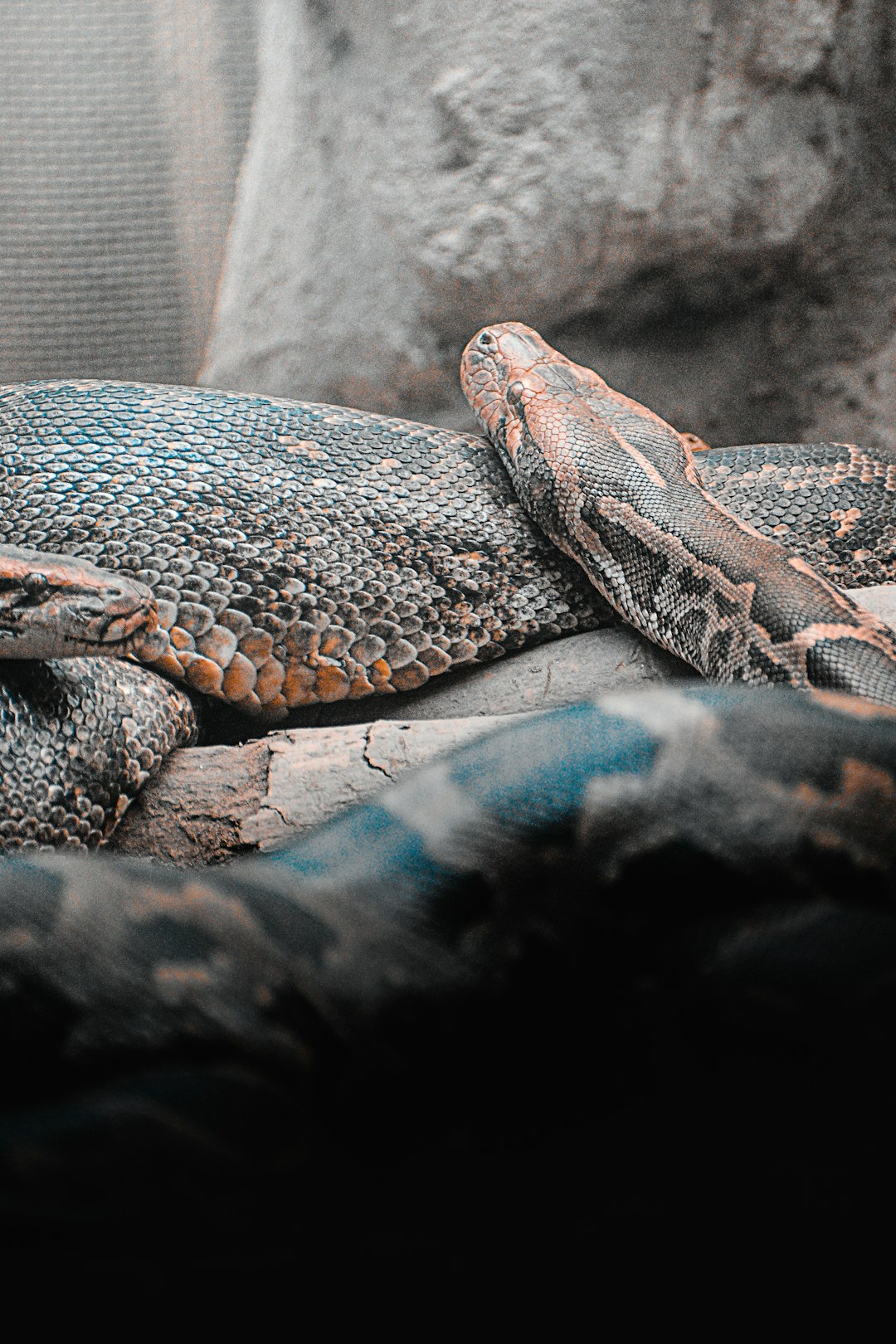
Reptiles are fascinating creatures known for their cold-blooded nature. Unlike warm-blooded animals, reptiles rely on external temperatures to regulate their body heat. This unique characteristic defines their survival strategies and behaviors. Understanding how reptiles manage their body temperature in varying climates provides insight into their adaptation mechanisms.
Understanding Ectothermy
Ectothermy is a vital trait in reptiles. It refers to their dependence on external heat sources to maintain body temperature. Reptiles do not produce their own heat internally. They absorb heat from the environment to perform daily activities. Sunbathing on rocks or warm surfaces is common among reptiles. This behavior helps them gain the warmth needed for energy and movement.
Temperature Regulation Mechanisms
Reptiles have developed several strategies to regulate their temperature. Seeking sunlit areas is one method to warm up. In colder weather, reptiles may become less active. They often find shelter in burrows or under rocks to conserve heat. Some species can slow down their metabolism. This helps them endure long periods of cold without food. Behavioral adaptations like basking or hibernating are crucial for survival.
Reptiles And Their Habitat
Reptiles are fascinating creatures with unique habitats. They thrive in diverse climates. From lush rainforests to arid deserts, their adaptability is impressive. Understanding their habitat is crucial. It helps us grasp how they survive in cold weather.
Natural Environments
Reptiles occupy varied environments. Many prefer warm climates. Tropical rainforests are ideal for species like iguanas. Deserts suit snakes and lizards. These areas provide warmth and food. Wetlands support turtles and alligators. Each habitat has unique challenges. Cold regions pose threats to reptiles. Survival depends on adaptation.
Adaptations To Climate
Reptiles adapt to their environments. They use behavioral strategies. Some bask in the sun for warmth. Others seek shelter underground. Hibernation helps them survive cold. It reduces their metabolic rate. Reptiles conserve energy this way. Cold-blooded animals rely on external heat. Thick skin and scales protect them. These adaptations are vital for survival.
Impact Of Cold Weather On Reptiles
Cold weather poses a significant challenge for reptiles, which are cold-blooded. These creatures rely on external heat sources to regulate their body temperature. Extreme cold can slow their metabolism and lead to lethargy, making survival difficult.
Understanding the impact of cold weather on reptiles can be fascinating and important for reptile enthusiasts and pet owners. Reptiles are ectothermic, which means their body temperature is influenced by the surrounding environment. This unique trait makes them particularly vulnerable to cold weather. As temperatures drop, reptiles face various challenges that affect their survival and behavior. If you've ever wondered how these cold-blooded creatures manage the chill, you're in for an intriguing exploration.
Physiological Effects
Cold weather can significantly affect a reptile's body functions. Lower temperatures slow down their metabolism, making them lethargic and less active. This sluggishness impacts their ability to hunt and digest food efficiently. In extreme cases, prolonged exposure to cold can lead to brumation, a hibernation-like state. During brumation, reptiles conserve energy by drastically reducing their activity, which can be a survival strategy in the wild. You might notice that your pet reptile eats less during colder months. This change is a direct result of their slowed metabolism. Ensuring they have access to a heat source is crucial. It helps them maintain a stable body temperature and prevents health issues.
Behavioral Changes
Reptiles exhibit noticeable behavioral shifts in cold weather. They often seek out warm spots to regulate their body temperature. You might find your pet reptile basking under a heat lamp more frequently or burrowing into warmer areas of their enclosure. These behaviors are instinctual responses to the falling temperatures. In the wild, reptiles may migrate short distances to find warmer microhabitats. Some species huddle together to share body heat. Observing these behaviors can offer valuable insights into their natural survival strategies. Have you ever noticed these changes in your own pet reptiles? It's fascinating to see how their instincts kick in to combat the cold. Understanding these physiological and behavioral changes can help you care for your reptiles more effectively. Providing a warm, comfortable environment ensures they remain healthy and active, even when the temperature drops outside. What strategies do you use to keep your reptiles cozy during winter months? Sharing your tips can be beneficial for other reptile owners facing similar challenges.
Strategies For Cold Survival
Reptiles are cold-blooded creatures. They rely on external sources for warmth. Cold weather presents significant challenges for them. Yet, many reptiles have developed strategies to survive the cold. These strategies ensure their survival even in freezing temperatures.
Hibernation And Brumation
Hibernation is a common strategy among reptiles. In cold climates, some reptiles enter a state of deep sleep. This state is called brumation. Unlike mammals, reptiles do not sleep continuously. They wake occasionally for water but eat very little. Brumation helps conserve energy during winter. It keeps them safe until temperatures rise again.
Migration Patterns
Some reptiles migrate to warmer areas during cold months. Migration helps them find food and warmth. Turtles often migrate to warmer waters. They travel long distances to avoid the cold. This journey ensures their survival and well-being. Migratory patterns vary among reptile species. Each species has its unique strategy for migration.
Examples Of Cold-adapted Reptiles
Cold-adapted reptiles, like the European adder and the common lizard, thrive in cold weather. They have unique adaptations to survive low temperatures. These reptiles can hibernate, reducing their body activity to conserve energy during winter.
In the chilly world of cold climates, it's fascinating to discover that some reptiles have adapted to survive and even thrive in such harsh conditions. These cold-adapted reptiles have evolved unique strategies that allow them to withstand frigid temperatures. Let's dive into some examples of these resilient creatures and explore how they manage to flourish where others might freeze.
Species Thriving In Cold Climates
Reptiles are usually associated with warm, sunny environments, but some have adapted to colder climates. The common European adder is one such reptile. Found in northern Europe, this snake can endure temperatures that would immobilize other reptiles. They hibernate underground during the coldest months, emerging when the weather is milder. The painted turtle, native to North America, is another cold-weather survivor. These turtles can be found in ponds and lakes that freeze over in winter. They brumate in the mud at the bottom, slowing their metabolism to survive without oxygen for months.
Unique Adaptations
What makes these reptiles so special? It's all about their unique adaptations. The common European adder has a dark body that absorbs heat efficiently, allowing it to warm up quickly in limited sunlight. This adaptation is crucial for their survival in chilly environments. Painted turtles have an extraordinary ability to lower their metabolism. During winter, they slow their heart rate and reduce their energy needs. This adaptation helps them survive in oxygen-poor environments under ice. Imagine having the ability to alter your body's functions to survive extreme conditions. These reptiles do just that, showcasing nature's incredible adaptability. Would you be able to adjust your lifestyle to survive in a place where the sun barely shines? Understanding these reptiles' adaptations helps us appreciate the diversity of life on our planet. It also raises intriguing questions about how other creatures might evolve to cope with our changing climate. Have you ever thought about what adaptations humans might need to develop in the future?
Challenges In Cold Climates
Reptiles are cold-blooded creatures. This means they rely on external temperatures. Cold weather presents many challenges for them. Their bodies struggle to maintain warmth. This can affect their survival and activities. Understanding these challenges is essential. Let’s explore the environmental risks and human impacts.
Environmental Risks
Cold climates bring harsh conditions for reptiles. Low temperatures slow down their metabolism. This affects their ability to move and hunt. Ice and snow can block their shelters. They may find it hard to escape predators. Lack of sunlight reduces their ability to warm up. This can be life-threatening during prolonged cold spells.
Human Impact
Human activities exacerbate the challenges for reptiles. Urbanization destroys their natural habitats. This forces them into less suitable areas. Pollution affects their health and survival. It contaminates their food and water sources. Climate change leads to unpredictable weather patterns. This can disrupt their hibernation cycles and breeding habits.
Future Research And Conservation
Scientists are exploring how reptiles manage survival in cold weather. These creatures often rely on unique adaptations for warmth. Understanding these mechanisms is vital for conservation efforts.
The resilience of reptiles in cold weather is a topic that intrigues scientists and conservationists alike. While reptiles are traditionally associated with warm climates, some species have developed fascinating adaptations to survive in colder environments. This raises important questions about how we can aid these creatures in a world where climate change is altering their habitats.
Studies On Cold Adaptation
Current research is shedding light on how certain reptiles adapt to cold weather. Scientists are conducting studies to understand the physiological changes that enable these reptiles to endure lower temperatures. For instance, some species can lower their metabolic rate, allowing them to survive on minimal energy. Researchers are also exploring genetic variations that could explain why some reptiles tolerate cold better than others. By understanding these mechanisms, we can learn how to better protect them. Imagine if we could apply these findings to conservation strategies, enhancing the survival of species at risk due to climate shifts.
Conservation Efforts
Conservationists are actively working to protect reptile habitats, especially those vulnerable to climate change. Efforts include creating protected areas and corridors that allow reptiles to migrate to more suitable climates. These initiatives are crucial, as they help maintain the biodiversity that supports healthy ecosystems. Community involvement plays a significant role in conservation. Local communities can be empowered to participate in monitoring reptile populations and habitats. When you think about it, engaging people in conservation efforts not only helps reptiles but also fosters a sense of stewardship for the environment. Have you ever wondered how your actions could make a difference? Supporting conservation organizations or participating in citizen science projects are practical ways to contribute. By staying informed and involved, you help ensure that reptiles continue to thrive, even as their environments change.
Frequently Asked Questions
How Do Reptiles Stay Warm In Cold Weather?
Reptiles are ectothermic, relying on external heat sources to maintain body temperature. In cold weather, they bask in the sun, seek warm surfaces, or burrow underground to retain heat. Some reptiles can also slow their metabolism, conserving energy to survive in cooler climates.
Can Reptiles Survive Freezing Temperatures?
Most reptiles cannot survive freezing temperatures, as it can lead to ice crystal formation in their tissues. However, some species, like the wood frog, produce antifreeze proteins that prevent ice formation. Generally, reptiles need to find warm shelters or migrate to warmer areas to survive extreme cold.
What Happens To Reptiles In Winter?
In winter, many reptiles enter brumation, a hibernation-like state to conserve energy. During brumation, their metabolism slows, and they become less active, often hiding in burrows or under rocks. This adaptation allows them to survive periods of cold weather without needing constant food.
Do Any Reptiles Thrive In Cold Climates?
Few reptiles thrive in cold climates, but some species have adapted to cooler environments. For instance, the common European adder and certain turtle species can live in temperate regions. These reptiles have developed behavioral and physiological adaptations to withstand lower temperatures.
Conclusion
Reptiles face challenges in cold weather. They rely on external heat sources. Without warmth, their bodies slow down. This affects their survival. Some reptiles hibernate during cold months. Others migrate to warmer areas. Shelter is crucial for protection. Rocks and logs provide safe spaces.
Climate change impacts their habitats. Understanding these needs is vital. We can help by preserving natural habitats. Protecting these areas supports reptile survival. Awareness is key to conservation efforts. Reptiles play important roles in ecosystems. Let’s ensure they thrive in all weather.
Every small action counts. Together, we can make a difference.