Imagine stepping outside on a cold winter's night, feeling the chill bite at your skin. Now, imagine facing such nights without the comfort of a warm home or a cozy bed.
Stray cats do just that. You might wonder how these resilient creatures manage to survive in freezing temperatures. Their ability to endure the cold is not only fascinating but might pull at your heartstrings, compelling you to want to know more about their survival tactics.
Understanding how stray cats navigate harsh weather can open your eyes to the quiet struggles happening right outside your door. You’ll discover that their survival is a blend of instinct, adaptation, and sheer willpower. Stick around, and you might just find yourself looking at these furry wanderers with newfound admiration and empathy.
Adaptations To Cold
Stray cats face harsh conditions during cold weather. Yet, they have unique adaptations that help them survive. These adaptations are crucial for their survival. They include changes in fur, behavior, and shelter-seeking habits.
Fur And Body Fat
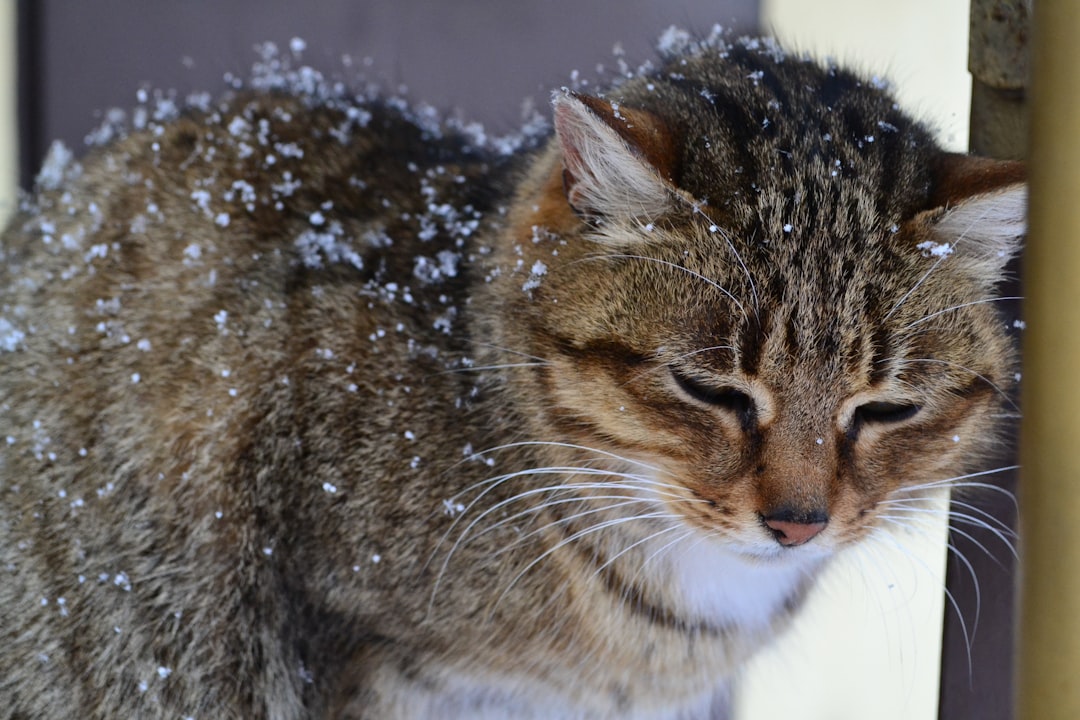
Stray cats develop thicker fur during winter. This dense fur acts as insulation. It keeps them warm and protected from chilling winds. Cats also build up body fat. This provides energy reserves. It helps them endure long cold nights. The combination of fur and fat is vital. It aids in their survival.
Behavioral Changes
Stray cats modify their behavior in cold weather. They reduce activity to conserve energy. Less movement means less heat loss. They also seek warmth from each other. Grouping together helps maintain body heat. These behavioral shifts increase their chances of survival.
Natural Shelter Seeking
Seeking shelter is instinctual for stray cats. They find refuge in abandoned buildings. Thick bushes also offer protection. These shelters guard against wind and rain. Cats choose locations that provide warmth and safety. This natural shelter-seeking is crucial during cold months.
Finding Warmth
Stray cats endure cold by seeking shelter under porches, in garages, or nestled against warm buildings. Their thick fur provides insulation, while they huddle together for added warmth. Finding food is crucial, as it fuels their body's heat production.
Finding warmth is crucial for stray cats battling cold weather. Their survival often hinges on their ability to find cozy spots where they can shield themselves from the biting chill. As someone who once rescued a stray cat during winter, I’ve seen firsthand how resourceful these animals can be. Let’s explore how stray cats manage to find warmth in urban environments, through community support, and natural heat sources.
Utilizing Urban Structures
Stray cats are incredibly adept at navigating urban landscapes. They often find warmth in unexpected places. Have you ever noticed a cat slipping under a parked car or into a small alley? They seek out these spots because they provide shelter from the wind and retain some heat. Cats also make their way into abandoned buildings, garages, or even under porches to escape the cold. These structures act as natural insulators, offering much-needed warmth.
Community Support
Compassionate individuals in communities can make a significant difference. Many people leave out blankets or create small shelters to help stray cats during winter. Have you ever considered leaving a bowl of food and a blanket in your yard? These simple actions can provide a lifeline for a cat in need. Local animal organizations sometimes organize initiatives to build cat shelters. By participating, you can directly contribute to a stray cat's survival.
Heat Sources In Nature
Nature, surprisingly, offers heat sources that cats instinctively seek. They often find warmth near rocks, trees, or bushes where the earth retains heat. You might find it fascinating that some cats curl up in sunny spots during the day to absorb warmth. The sun's rays can be a powerful ally for these animals. Have you ever wondered how a stray cat survives without a home? Their ability to find warmth in nature is a testament to their resilience. These heat sources are crucial, especially when urban warmth options are scarce. By understanding these strategies, you can make informed choices to help stray cats in your area. What steps will you take to support these resilient creatures this winter?
Food And Water Strategies
Stray cats survive cold weather by finding shelter in warm spots like basements or under porches. They hunt for food scraps or small animals to maintain energy. Some cats huddle together, sharing body warmth to combat freezing temperatures. Adaptable and resourceful, these cats use every opportunity to stay alive.
Surviving the cold months is no easy feat for stray cats, especially when it comes to finding food and water. As the temperature drops, their usual sources diminish, making the quest for sustenance a bit more challenging. Yet, these resilient creatures have developed ingenious strategies to navigate the harsh winter conditions. You might wonder, how exactly do they manage to stay fed and hydrated when resources are scarce?
Hunting Techniques
Stray cats are natural hunters, a skill that becomes even more crucial during winter. They rely on their keen senses to detect the slightest movement, often hunting small rodents or birds that are still active. With less cover available, cats have to be stealthier, using every ounce of their agility to close in on prey. Their patience is commendable. A stray cat can wait for hours, hidden and silent, for the perfect moment to pounce. This adaptive behavior is what keeps them going through the cold months.
Scavenging Skills
When hunting is not an option, scavenging becomes a valuable survival tool. Stray cats are opportunistic eaters. They have a knack for finding discarded food, whether it's a forgotten sandwich or leftovers from a trash bin. You might have seen a cat rummaging through a bin and thought, "How do they know where to look?" It's all about experience and memory. Cats remember where they found food before, returning to these spots when other sources are unavailable.
Hydration Methods
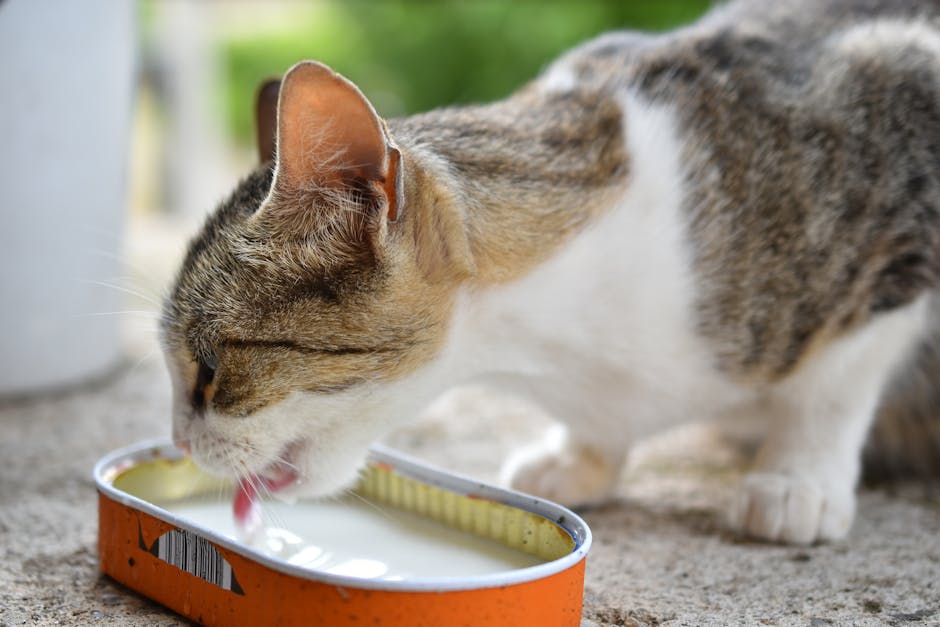
Staying hydrated in winter can be tricky. Water sources freeze, leaving cats with limited options. Yet, stray cats are resourceful. They may seek out drips from a leaking tap or melting snow, which provides essential moisture. During a winter walk, I once noticed a stray licking condensation off a window. It was a reminder of how innovative these creatures can be. While not ideal, every drop counts when liquid water is scarce. Stray cats demonstrate an impressive blend of instinct and adaptability. By honing their hunting skills, scavenging efficiently, and finding creative hydration solutions, they manage to endure the winter. Their strategies are a testament to their resilience and resourcefulness.
Health Challenges
Stray cats often face health challenges during cold weather. They seek warmth in sheltered spots like garages or under porches. Thick fur and communal huddling help them stay warm.
Stray cats face significant health challenges during cold weather. These resilient creatures have adapted to various environments, but winter poses unique threats. As temperatures drop, their survival instincts are tested. Let's explore the health challenges these cats face.
Frostbite And Hypothermia
Cold weather exposes stray cats to frostbite. Their ears, tails, and paws are most vulnerable. Frostbite damages tissues and can lead to infection. Hypothermia is another threat. Cats lose body heat quickly in freezing temperatures. Without shelter, their body temperature drops, risking severe health issues or death.
Nutritional Deficiencies
Winter limits food availability for stray cats. They struggle to find sufficient nutrition. Poor diet weakens their immune system. This makes them susceptible to illnesses. Adequate nutrition is vital for maintaining energy and warmth.
Disease Prevention
Cold weather increases the risk of diseases. Cats huddle for warmth, spreading infections easily. They lack regular veterinary care. Exposure to harsh conditions worsens their health. Preventive measures are crucial for their survival.
Human Intervention
Stray cats face many challenges during cold weather. Human intervention can help them survive. People play a crucial role in providing care and support. By taking action, communities help these vulnerable animals stay safe and warm.
Tnr Programs
Trap-Neuter-Return (TNR) programs help control stray cat populations. They involve capturing cats, neutering them, and returning them to their territory. This reduces the number of kittens born in harsh conditions. TNR programs improve the health and well-being of stray cats.
Winter Shelters
Winter shelters provide a safe haven for stray cats. These shelters protect them from freezing temperatures. They can be simple structures made from plastic bins or wood. Insulated with straw, they offer warmth and comfort. Volunteers often build these shelters for community cats.
Feeding Stations
Feeding stations supply regular meals for stray cats. This helps them maintain energy during cold months. Well-fed cats can better withstand harsh weather. Volunteers or community members often manage these stations. They ensure food remains available and dry.
Community Efforts
Stray cats find warmth by huddling together in sheltered areas. Their thick fur and instinct to seek dry spots help them endure cold weather. Community efforts like providing shelters or feeding stations also play a crucial role in helping these cats survive harsh conditions.
Community efforts play a crucial role in helping stray cats endure cold weather. Dedicated volunteers and organizations work tirelessly to ensure these vulnerable animals receive the care they need. From volunteer networks to educational initiatives, communities everywhere are stepping up to support stray cats.
Volunteer Networks
Volunteer networks are vital for the survival of stray cats in winter. Many individuals join these groups to provide food, shelter, and medical care. They organize drives to gather blankets and build temporary shelters. Volunteers also keep an eye out for cats in distress, ready to provide immediate help. Their commitment ensures that many stray cats find warmth during harsh winter months.
Education And Awareness
Education and awareness programs help communities understand the plight of stray cats in cold weather. Schools and local organizations often host workshops. These sessions teach people how to help stray cats survive winter. Awareness campaigns spread information on social media and community boards. They encourage more people to get involved and make a difference. Educating the public fosters empathy and drives collective action.
Success Stories
Success stories inspire and motivate communities to continue their efforts. Many tales of rescued cats overcoming winter challenges circulate within communities. These stories highlight the impact of collaborative efforts. They showcase how simple acts of kindness save lives. Success stories also celebrate the dedication of volunteers who never give up. They remind us of the power of community in making a difference.
Frequently Asked Questions
How Do Stray Cats Find Shelter In Winter?
Stray cats often seek shelter in abandoned buildings, garages, or under porches to escape the cold. They might also use thick bushes or natural debris to shield themselves from harsh weather. Sometimes, kind-hearted individuals provide makeshift shelters using boxes or insulated materials to keep them warm.
What Do Stray Cats Eat During Cold Months?
During winter, stray cats scavenge for food in trash cans and dumpsters. They rely on scraps and leftovers from humans. If available, they hunt small rodents or birds. Some communities set up feeding stations to provide them with regular meals, ensuring their survival during the harsh months.
Do Stray Cats Grow Thicker Fur For Winter?
Yes, stray cats grow thicker fur as temperatures drop. Their winter coat provides better insulation, helping them stay warm. This natural adaptation is crucial for their survival. However, even with thicker fur, they still seek shelter to protect themselves from extreme cold and wind.
How Do Stray Cats Stay Warm Without Shelter?
Stray cats use various methods to stay warm. They curl up tightly to conserve body heat. They often huddle with other cats to share warmth. Additionally, they seek out sunny spots during the day or warm surfaces like car engines to maintain body temperature.
Conclusion
Stray cats face tough cold weather conditions. They find warmth in small spaces. Shelters like boxes or old sheds help them stay dry. Cats hunt for food, keeping energy levels up. Friendly humans sometimes provide food, making survival easier. Fur provides some insulation against cold.
Yet, the struggle is real. Many rely on instincts to endure. Community support can make a difference. Protecting these animals is crucial. Simple acts can save lives. Consider helping your local strays. Every effort counts.