Are you worried about how your small dog will handle the chilly months ahead? As temperatures drop, it’s natural to wonder if your pint-sized pup can brave the cold.
Small dogs, with their adorable size and often thin coats, can be more susceptible to the harshness of winter weather. But don’t worry, because there are ways to ensure your furry friend stays cozy and safe. You'll discover everything you need to know about how small dogs cope with cold weather and the steps you can take to protect them.
Stay with us, and by the end, you'll have all the tips and tricks to keep your little companion warm and happy all season long.
Small Dogs And Cold Weather
Small dogs often face challenges in cold weather. Their tiny bodies lose heat quickly. Owners worry about their comfort and safety. Understanding their physical traits helps us protect them better. It's crucial to recognize how cold weather impacts them.
Physical Traits Of Small Dogs
Small dogs have less body fat. This means less insulation against the cold. Their short legs keep them close to the chilly ground. Some have thin fur, offering little warmth. These traits make them more vulnerable to low temperatures. They need extra care during winter.
Impact Of Cold Weather On Small Breeds
Cold weather can affect small breeds severely. They shiver to generate warmth. Prolonged exposure can lead to hypothermia. Their tiny paws are sensitive to icy surfaces. They may refuse to walk outside. Cold can also affect their energy levels. Many become less active in winter.
Recognizing Cold Stress
Winter's chill can be harsh, especially for small dogs. As a pet owner, you might worry about your furry friend's ability to withstand cold weather. Recognizing cold stress is crucial to ensure their safety and comfort. By being alert to specific symptoms and behavioral changes, you can take proactive measures to protect your pet from the harsh elements.
Symptoms Of Cold Stress In Dogs
Cold stress can manifest in various ways. Watch for shivering, which is a clear sign your dog is feeling the cold. You might also notice dry skin or a change in their coat's texture. These symptoms can indicate that your dog is struggling to maintain body heat.
Pay attention to your dog's breathing. Rapid or shallow breathing might suggest they are uncomfortable. Cold stress can also cause lethargy; if your usually active dog seems unusually quiet or tired, it might be time to warm them up.
Behavioral Changes In Cold Weather
Behavioral shifts can be subtle yet telling. Does your dog seem hesitant to go outside or show reluctance during walks? This could be a sign that the cold is affecting them. You may also notice them seeking warm places in your home, like curling up near heaters.
Some dogs may become more clingy, seeking comfort and warmth from you. Others might become irritable or anxious, reacting differently to stimuli. If your dog exhibits unusual behaviors, consider if the weather is influencing them.
Have you ever noticed your dog acting differently in cold weather? Share your observations in the comments. Understanding these changes can help all pet owners better care for their furry companions.
Recognizing these signs allows you to take action. Consider investing in dog sweaters or booties to keep them warm. Ensure they have a cozy space indoors to retreat to. Your vigilance could make all the difference in your dog's winter experience.
Preparing Your Dog For Winter
Winter can be a challenging time for small dogs, especially when temperatures drop. Preparing your dog for winter is essential to ensure their comfort and safety. You might wonder how to keep your furry friend warm when the snow starts to fall. Let’s dive into some practical tips to help you gear up for the cold months ahead.
Choosing The Right Winter Gear
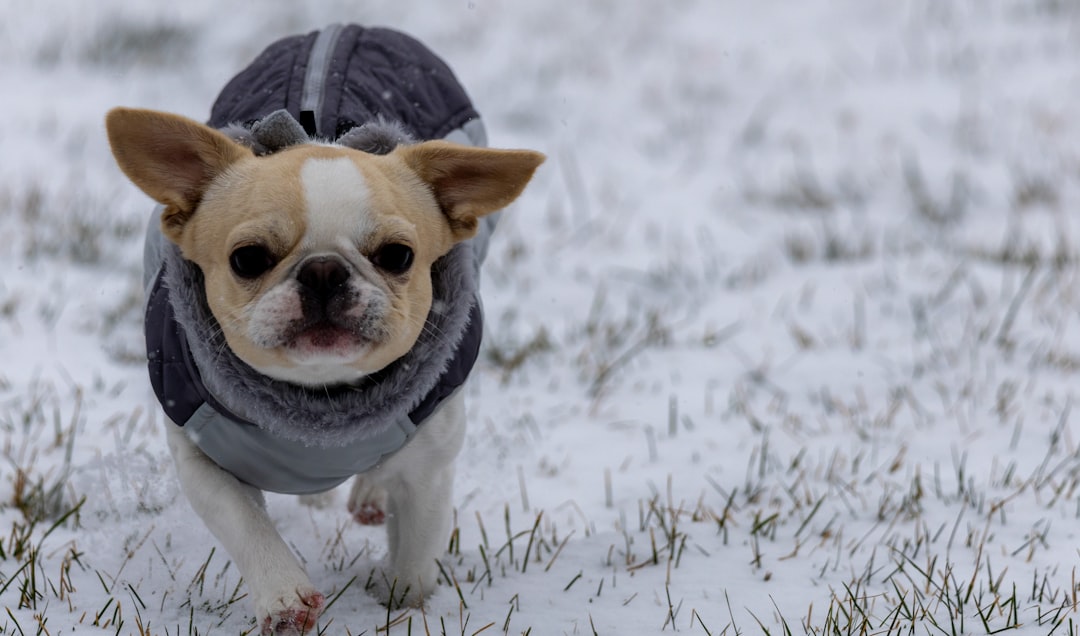
Investing in proper winter gear for your small dog can make a huge difference. Look for dog coats and sweaters that fit snugly but are not too tight. Materials like fleece and wool are great for keeping your pup warm. Remember, some dogs may need paw protection to navigate icy sidewalks. Booties can prevent frostbite and keep salt off their paws.
Think about your own experiences with winter clothing. If you feel cold without a good jacket, chances are your dog does too. Try on different outfits to find what best suits your dog’s needs. Is there a particular brand or type of gear that your dog loves? Share your insights in the comments!
Adjusting Diet For Cold Weather
Cold weather can increase your dog’s energy needs. Consider adding more calories to their diet during the winter months. Foods rich in protein and fat can help maintain their energy levels and keep them warm. You can consult with your vet to determine the right amount for your dog’s size and activity level.
Have you noticed your dog being more active during winter walks? This extra activity may require some dietary adjustments. Pay attention to their behavior and energy levels. Could a small change in their food make a big difference in their winter experience?
Preparing your dog for winter involves thoughtful choices and observations. Engage with your pet’s needs and see how these changes can enhance their winter adventures. How do you plan to prepare your dog for the cold season? Share your stories and tips!
Outdoor Activities In Winter
Small dogs can brave winter's chill with proper care. Warm clothing, cozy shelters, and limited exposure to cold help them stay safe. Protecting paws from icy surfaces also ensures comfort during outdoor adventures.
Winter can be a magical time for both humans and their furry companions. While the cold weather might make you want to cozy up indoors, outdoor activities can be invigorating for your small dog. Engaging in outdoor activities during winter not only keeps your dog physically active but also mentally stimulated. However, it's crucial to ensure their safety and enjoyment in the chilly months. Let's explore how you can make the most of winter with your small dog while keeping them safe and entertained.
Safe Outdoor Time
Small dogs can enjoy winter outings, but their time outside should be carefully monitored. Cold temperatures can affect them more quickly due to their size and thin fur. Limit outdoor playtime to short intervals, ideally around 10-15 minutes. Make sure your dog is dressed appropriately. A cozy dog sweater or jacket can provide the extra warmth they need. Always keep an eye on their behavior; if they start shivering or lifting their paws, it's time to head indoors. Choose the time of day wisely for outdoor activities. Late morning or early afternoon when the sun is out can be warmer, offering a more comfortable experience for your pet.
Fun Winter Games For Dogs
Winter doesn't mean the end of fun games for your small dog. Snow can turn your backyard into a playground. Try playing fetch with a brightly colored ball or toy that stands out in the snow. Hide treats in the snow for a game of "find the treasure." Your dog will love using their nose to sniff out hidden goodies. Just make sure the snow isn't too deep for them to navigate. If your dog enjoys socializing, arrange a playdate with a neighbor's dog. Not only will this provide exercise, but it can also be a great bonding experience for you and your pet. How do you keep your small dog entertained during winter? Share your favorite activities in the comments below and let’s learn from each other!
Indoor Comfort Tips
Small dogs face challenges in cold weather. Keep them warm indoors with cozy blankets and sweaters. Ensure their sleeping area is draft-free to maintain a comfortable environment.
Keeping your small dog warm during cold weather is crucial for their health and comfort. You might have noticed your little furry friend shivering as temperatures drop. It’s essential to create a cozy environment for them indoors. This not only ensures their physical well-being but also keeps their spirits high. Let’s dive into how you can make your home a warm haven for your small dog with a few practical tips.
Creating Warm Spaces
Consider the areas in your home where your dog spends the most time. Are these spots drafty or chilly? If so, it’s time to make some changes. Place their bed away from windows and doors to avoid cold air. Add extra blankets to their bedding. My Chihuahua, Bella, loves snuggling in a fleece blanket. You can also use a pet-safe heating pad for added warmth, especially at night. Think about investing in a small dog sweater. It's not just a fashion statement; it keeps them warm too. A cozy sweater can make a huge difference in maintaining their body heat.
Indoor Exercises For Small Dogs
Keeping your small dog active indoors can be challenging, but it's essential for their health. Have you tried creating an indoor obstacle course? Use pillows, boxes, or furniture to set up a fun and safe course. Interactive toys can also keep them entertained and active. Toys that dispense treats are a favorite in my home. They engage the mind and encourage movement. Don’t underestimate the power of a good old-fashioned game of fetch. A hallway can be a great place for a quick game. It’s a simple yet effective way to keep your dog moving and happy. In the winter months, your small dog relies on you to create a warm and engaging environment. What steps will you take to ensure your furry friend stays cozy and active?
Health Monitoring
Keeping your small dog healthy during cold weather requires vigilant health monitoring. As temperatures drop, small dogs can be more vulnerable to illnesses and health issues. Paying close attention to their well-being is crucial to ensure they remain healthy and happy throughout the chilly months. Monitoring their health not only involves watching for signs of discomfort but also taking proactive steps to prevent seasonal ailments.
Regular Veterinary Check-ups
Regular veterinary check-ups are essential for your small dog's health, especially in cold weather. These visits help detect any potential issues early and ensure your dog is up-to-date on vaccinations. During a check-up, your vet can provide advice tailored to your dog's specific needs, considering their breed, age, and overall health.
For example, my Chihuahua, Luna, had a slight cough last winter. After a vet visit, we discovered it was a mild infection that could have worsened without prompt attention. Regular check-ups are a simple way to catch such problems before they escalate.
Signs Of Seasonal Illness
Recognizing signs of seasonal illness can save your dog from unnecessary discomfort. Small dogs may show symptoms like shivering, lethargy, or a change in appetite when feeling unwell. It's essential to observe these changes closely and consult your vet if they persist.
Have you noticed your small dog shivering more than usual or being less active? These could be signs of hypothermia or other cold-related issues. Immediate attention can prevent more severe health problems.
Understanding these signs and acting swiftly can make a significant difference in your dog's health during cold weather. This proactive approach ensures your furry friend remains comfortable and healthy, no matter how low the temperatures drop.
Frequently Asked Questions
Can Small Dogs Handle Freezing Temperatures?
Small dogs can struggle in freezing temperatures due to their size. They have less body fat and thinner fur, which makes them more vulnerable to cold. It's important to provide them with warm clothing and limit outdoor exposure to keep them safe.
What Temperature Is Too Cold For Small Dogs?
Temperatures below 32°F (0°C) can be too cold for small dogs. Their small size and thin fur make them more susceptible to hypothermia. Always monitor their behavior and provide extra warmth in cold weather to ensure their safety.
How Can I Keep My Small Dog Warm?
To keep your small dog warm, consider using dog sweaters or coats. Limit their time outdoors and provide cozy bedding indoors. Heated pet beds and blankets can also help maintain their body temperature during cold weather.
Do Small Dogs Need Boots In Winter?
Small dogs often benefit from wearing boots in winter to protect their paws. Cold surfaces and salt can irritate their paws. Boots provide insulation and prevent frostbite, ensuring your dog's comfort during winter walks.
Conclusion
Small dogs can handle cold, but they need help. Warm clothing is key. Always provide a cozy bed indoors. Consider a heated blanket for extra warmth. Short walks are better in cold weather. Check paws for ice or salt. Diet changes can boost their energy.
Keep them hydrated. Cold air can dry them out. Watch for shivering or discomfort signs. These tips ensure your small dog stays safe. And happy during the chilly months.