Can Outdoor Cats Survive Cold Weather?
As the temperature drops and winter approaches, you might find yourself wondering, "Can outdoor cats survive cold weather?" If you’re a cat owner or simply a feline enthusiast, this question can stir up concern for the furry wanderers who brave the chilly outdoors.
Understanding how these resilient creatures cope with the cold can ease your worries and empower you with knowledge to ensure their safety. Imagine the peace of mind you'll feel knowing exactly how to care for outdoor cats during the colder months.
Dive into this article to discover essential insights and practical tips that could make all the difference for your feline friends. Don't let the cold leave you in the dark—read on to learn how you can be their warm-hearted ally this winter.
Understanding Outdoor Cats
Understanding outdoor cats is crucial for their well-being. These cats often live independently and face various challenges. They possess unique traits that help them survive harsh conditions. Let's explore their natural instincts and adaptability in cold weather.
Natural Instincts
Outdoor cats have strong survival instincts. They hunt for food to stay nourished. Their keen senses help detect predators and prey. Cats are natural climbers, finding shelter in high places. This skill keeps them safe from ground threats. When temperatures drop, they seek warm spots. These instincts guide their daily activities.
Adaptability
Outdoor cats adapt well to changing environments. They grow thicker fur in winter. This helps them stay warm. They find shelter in barns, garages, or under porches. Their bodies conserve heat during cold spells. They adjust hunting habits based on weather. Snow and ice don't deter these resilient animals. Their adaptability ensures survival in tough conditions.
Challenges Of Cold Weather
Outdoor cats face numerous challenges during cold weather. As the temperature drops, their survival instincts kick in, but the harsh environment can be unforgiving. It's important to understand these challenges to ensure their safety and well-being.
Temperature Extremes
Winter brings temperature extremes that can be deadly for outdoor cats. Unlike humans, cats can't bundle up in cozy sweaters. They rely on their fur, which may not be enough against biting winds and icy conditions. Have you ever watched your cat curl up in a sunny spot? It's their natural way to stay warm. But what happens when the sun hides behind winter clouds?
Keeping an outdoor cat safe means monitoring the weather. If the forecast predicts a cold snap, it's time to take action. Consider providing a warm shelter, like a small insulated box. This simple addition can make a big difference. Your cat's life could depend on it.
Limited Resources
Cold weather can limit resources for outdoor cats. Food sources become scarce. The ground freezes, making it difficult to find prey or scavenge. Have you noticed how your cat’s hunting skills seem to wane in winter? It's not a lack of talent, but a lack of opportunity.
Think about how you can help. Regularly providing food and water can alleviate this challenge. Use heated bowls to prevent water from freezing. Are you prepared to meet this commitment? It's crucial for your cat's survival.
Additionally, the cold can impact your cat’s health. Without proper nutrition, their immune system weakens. This vulnerability can lead to illness. Regular vet check-ups can catch potential issues early. Is your cat getting the care they need?
Understanding these challenges is key to supporting outdoor cats during cold weather. By addressing temperature extremes and limited resources, you can help them thrive even in the harshest conditions. Your actions could be the difference between life and a perilous winter for your feline friend.
Signs Of Cold Stress
Outdoor cats face many challenges in cold weather. One major concern is cold stress. It can affect their health and well-being. Understanding the signs of cold stress is crucial. It helps in ensuring the safety and comfort of your feline friends.
Behavioral Changes
Cats may seek shelter more often during cold spells. They might hide in warm places like garages or sheds. This behavior indicates discomfort. Increased sleeping is another sign. Cats may seem less active or playful. Reluctance to eat can signal cold stress. Watch for changes in their usual habits.
Physical Indicators
Physical signs are often more noticeable. Shivering is a clear indicator of cold stress. Look for curled positions when resting. Cats might tuck their paws under their bodies. Their fur may appear puffed up. This is an attempt to retain heat. Check for cold ears or paws. They should feel warm to touch. Dry skin or fur can also suggest cold stress. These signs require immediate attention.
Shelter Solutions
Outdoor cats face many challenges in cold weather. Providing proper shelter is crucial for their survival. Understanding effective shelter solutions can make a big difference. By focusing on building warm spaces and using insulation techniques, we can help these animals stay safe and warm.
Building Warm Spaces
Creating a warm space for outdoor cats is essential. A simple wooden or plastic structure can work. Ensure the shelter is off the ground. This prevents moisture and cold from seeping in. Use a small entryway to keep the warmth inside. Smaller spaces help retain heat. Make sure the shelter is waterproof. A slanted roof will keep rain and snow out. Keep the shelter in a quiet area. Cats need peace to feel safe.
Insulation Techniques
Insulating the shelter can increase warmth significantly. Use straw or hay as bedding. These materials trap heat well. Avoid using blankets. They absorb moisture and can freeze. Line the walls with Styrofoam or Mylar. These materials provide excellent insulation. Ensure the floor is insulated too. A layer of straw on the floor helps. Keep the entryway covered with a flap. This keeps the warmth in and the cold out.
Nutritional Needs
Outdoor cats face challenges in cold weather. Adequate nutrition helps them generate body heat. High-protein diets support their energy needs.
Outdoor cats, much like humans, need specific nutrition to thrive, especially in cold weather. As temperatures drop, their bodies use more energy to maintain warmth. This means adjusting their diet is crucial to ensure they stay healthy and energetic.
High-calorie Diet
Cats burn more calories in the cold as they work to keep warm. This means they need a high-calorie diet to sustain their energy levels. Increasing their food intake with calorie-rich options like wet food or specially formulated dry food can make a difference. Consider adding more protein to their meals. Chicken, fish, and even eggs can be excellent sources. You'll notice your feline friend may seem hungrier in the winter—listen to their needs. Have you ever watched a cat chase after a mouse in the snow, only to tire out quickly? It’s all about having enough fuel to keep going.
Hydration Importance
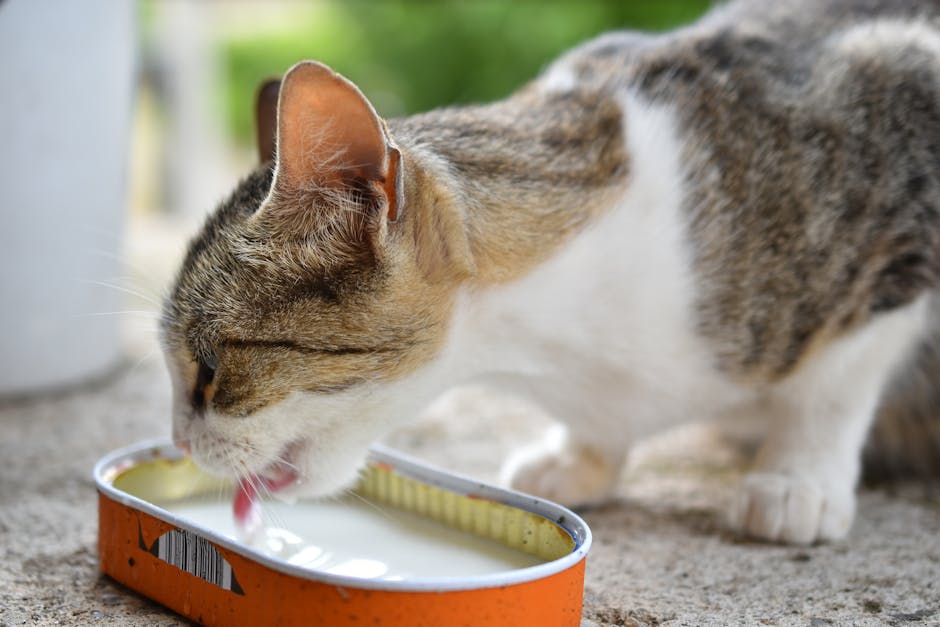
Cold weather can often lead to dehydration. Outdoor cats might struggle to find unfrozen water sources. Ensuring they have access to fresh water is essential. You can use heated water bowls to prevent water from freezing. Alternatively, check and refill their water supply frequently. Imagine trying to lap up a block of ice—it's not ideal. Your cat needs liquid, just like you do, to stay hydrated and healthy. Maintaining proper hydration helps with digestion and energy levels. So, keep an eye on their water intake even in the chilly months. Are you prepared to support your cat's nutritional needs this winter? Taking these small steps can make a world of difference in your outdoor cat's health and happiness. Remember, a well-fed and hydrated cat is a content and resilient companion, even in the cold.
Health Monitoring
Outdoor cats face challenges in cold weather. Thick fur helps, but extreme temperatures can be dangerous. Providing shelter and food can aid their survival.
Monitoring the health of outdoor cats during cold weather is crucial for their survival. Cats are naturally resilient, but extreme cold can lead to health issues that need your attention. Keeping an eye on their well-being can make all the difference between a safe winter and a risky one.
Regular Check-ups
Bringing your outdoor cat to the vet for regular check-ups is essential. These visits help detect any underlying health problems that could be aggravated by cold weather. My neighbor once discovered her cat had a mild respiratory issue during a routine check-up. She was able to address it before the cold season intensified, ensuring her cat stayed healthy and warm. Your vet can advise on specific care for your cat's age, breed, and health condition. This proactive approach can prevent potential cold-weather complications.
Emergency Signs
Do you know how to spot if your cat is in trouble during winter? Look for signs like shivering, lethargy, or frostbite on ears and paws. I once noticed my cat was unusually sluggish after a chilly night. A quick trip to the vet revealed mild hypothermia, which we treated promptly. If your cat shows any of these emergency signs, act immediately. Quick intervention can save your cat from severe health issues or even death. Incorporate these health monitoring practices to ensure your outdoor cat thrives, no matter the weather. Your vigilance could be the key to their safety and comfort during the cold season.
Community Support
Cold weather poses challenges for outdoor cats' survival. Community support can provide shelter and food, helping cats stay safe and healthy. Local volunteers often build winter shelters, ensuring cats have a warm place during chilly months.
Outdoor cats face numerous challenges during cold weather, but they don't have to face them alone. Community support plays a crucial role in ensuring these cats stay safe and warm. By coming together, local residents can make a significant difference in the lives of these animals. But how exactly can community members help?
Local Resources
Communities often have resources specifically aimed at helping outdoor cats. Local animal shelters, rescue organizations, and even vet clinics may offer services or supplies to assist in cold weather care. Some places provide insulated cat shelters, food donations, or even free spay and neuter services. Check with your local resources to see what support they offer. Sometimes, all it takes is a call or a visit to discover how you can contribute or benefit. Have you ever considered starting a neighborhood initiative to gather resources for outdoor cats?
Volunteering Efforts
Volunteering can make a world of difference. Many organizations rely on volunteers to help with feeding, building shelters, or even trapping for spay and neuter programs. Even just an hour a week can greatly impact a cat's life. Joining local volunteer groups can also be a fulfilling way to connect with others who care about animal welfare. I once volunteered with a local rescue group, and seeing the direct impact of our efforts on the cats was incredibly rewarding. Have you thought about how your time could help a vulnerable animal survive the winter? Community support is not just about the resources or volunteering hours. It's about creating a network of care that ensures outdoor cats are not forgotten during the cold months. What role will you play in your community to support these animals?
Frequently Asked Questions
How Do Outdoor Cats Stay Warm In Winter?
Outdoor cats stay warm by seeking shelter in protected areas like garages or sheds. They also grow thicker fur during colder months. Providing insulated shelters and bedding helps keep them warm. Feeding them a nutrient-rich diet ensures they have enough energy to withstand the cold.
Can Outdoor Cats Freeze To Death?
Yes, outdoor cats can freeze to death in extremely cold weather. Hypothermia and frostbite are serious risks. It's crucial to provide adequate shelter and warmth. If possible, bring them indoors during severe weather. Regularly check on them to ensure their safety and well-being.
What Temperature Is Too Cold For Cats?
Temperatures below 32°F (0°C) can be too cold for cats. Prolonged exposure can lead to hypothermia or frostbite. Cats are more vulnerable in wet or windy conditions. Providing shelter and warmth is essential. Monitoring the weather and taking precautions can keep outdoor cats safe.
How Can I Help Stray Cats In Winter?
Provide insulated shelters with dry bedding for warmth. Ensure they have access to fresh water and food. Consider using heated water bowls to prevent freezing. Check local resources for spay/neuter programs to manage the stray population. Educating others about caring for strays also helps.
Conclusion
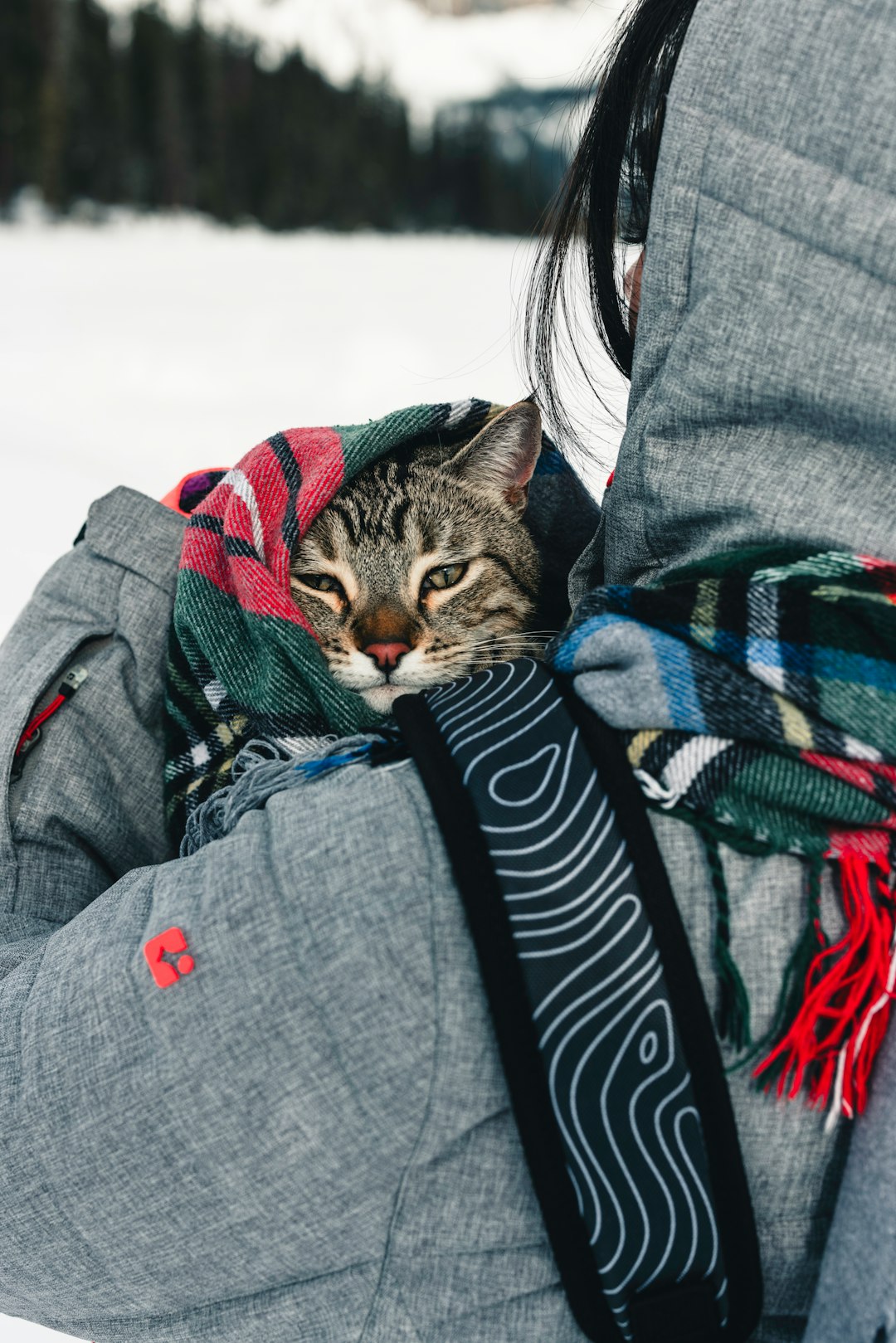
Outdoor cats face challenges in cold weather. Their survival depends on preparation. Provide them with warm shelters. Ensure they have enough food and water. Regularly check their health. Cats need protection from harsh elements. Consider bringing them inside during extreme cold.
Their comfort and safety matter most. Being mindful helps them thrive. Remember, each cat is unique. Their needs can vary. Keep them safe and warm. Every effort counts. Make informed choices for their well-being. A little care goes a long way.
Your actions can save lives. Stay attentive and proactive. Your cat's life depends on it.