Can You Bring a Survival Kit on a Plane?
Can you bring a survival kit on a plane? It's a question that might not cross your mind until you're packing for your next adventure.
You know the importance of being prepared, especially when traveling to unfamiliar places. A survival kit can be a lifesaver, quite literally, but what happens when airport security stands between you and your peace of mind? Imagine arriving at your destination, ready to tackle whatever comes your way, only to find out you can't bring your carefully curated kit with you.
Frustrating, isn't it? But before you toss your kit aside, let's explore the ins and outs of TSA regulations and what you can actually bring onboard. This information might be the key to your next successful trip. Are you ready to discover how to fly prepared and stay secure? Keep reading to find out more!
Airline Regulations
Bringing a survival kit on a plane depends on airline regulations. Basic items like bandages and flashlights are usually allowed. Sharp objects and flammable materials are restricted. Always check with your airline before packing.
When planning to bring a survival kit on a plane, understanding airline regulations is crucial. Airlines have specific rules about what you can and cannot bring on board, affecting both carry-on and checked baggage. Navigating these regulations can feel daunting, but with the right information, you can ensure your survival kit is compliant and ready for travel.
Carry-on Vs. Checked Baggage
Deciding whether to pack your survival kit in carry-on or checked baggage is a strategic choice. Carry-on luggage keeps essential items within arm's reach, but it also faces stricter scrutiny by security. Checked baggage allows you more freedom with certain items but lacks immediate accessibility during the flight. Consider what items you might need during the flight. A flashlight or a small first-aid kit might be useful in your carry-on. Larger items like a multi-tool or a more comprehensive kit are usually better suited for checked baggage due to security restrictions.
Restricted Items
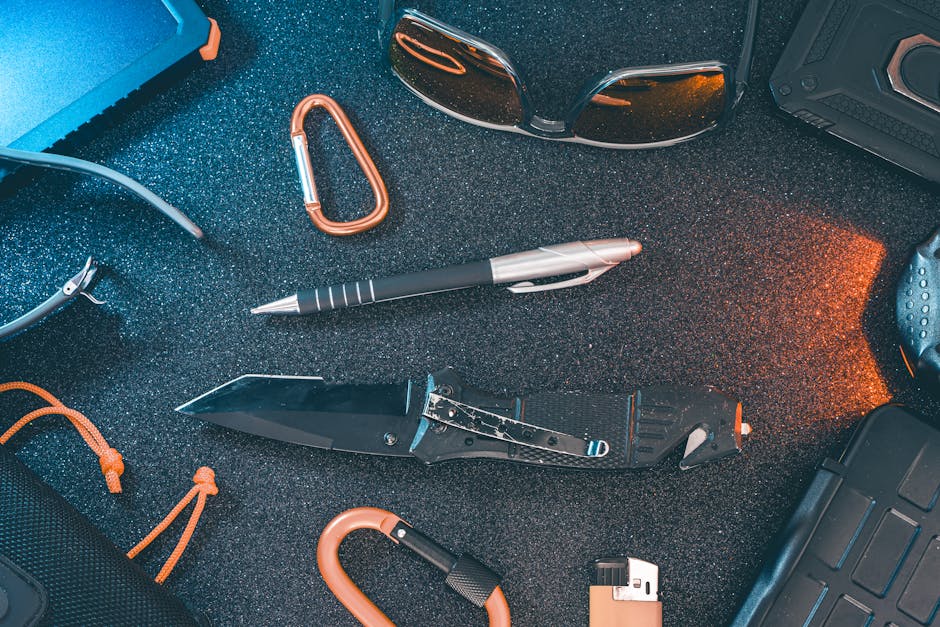
Airlines and security agencies have a list of restricted items that are not allowed in carry-on bags. Items like sharp objects, flammable materials, and large liquid containers are typically prohibited. Knowing these restrictions helps you pack effectively and avoid surprises at security checkpoints. You might be surprised to learn that even seemingly harmless items, such as certain types of batteries or lighters, can be restricted. Always check with your airline for an updated list of prohibited items. This proactive step prevents the disappointment of having essential parts of your survival kit confiscated. Have you ever had an item confiscated at security that you thought was safe to carry? Understanding these rules can save you from such hassles. Being prepared and informed lets you focus on your journey, not on missing items from your kit.
Essential Survival Kit Items
Traveling by plane with a survival kit requires careful preparation. Each item must comply with airline regulations. Knowing the essentials helps in packing effectively. This guide explores the must-have survival kit items for air travel. Let's delve into the details.
First Aid Supplies
A well-stocked first aid kit is vital. Include bandages, antiseptic wipes, and pain relievers. These items address minor injuries and discomforts. Having them ensures readiness for unexpected situations. Pack small quantities to fit in your carry-on.
Water And Food
Keeping hydrated is crucial. Consider empty water bottles for filling post-security. Non-perishable snacks like nuts or granola bars are ideal. They provide energy during delays. Always check airline guidelines for specific restrictions.
Tools And Gadgets
Multi-tools are useful but check TSA rules first. Compact flashlights help during emergencies. Portable chargers keep devices powered. Choose tools that meet safety standards. Avoid sharp objects that may be prohibited.
Packing Strategies
Air travel allows survival kits, but restrictions apply. Sharp objects, flammable items, or large liquids are prohibited in carry-ons. Essential tools like whistles, compact first aid kits, and water purification tablets are generally acceptable. Always check airline policies before packing to ensure compliance with security rules.
Packing a survival kit for your plane journey can be a challenge, especially if you're trying to balance what you need with limited space. You might wonder how to fit everything essential without breaking airline rules or exceeding baggage allowances. Smart packing strategies can make all the difference, ensuring you're prepared for any situation without sacrificing comfort or convenience.
Space-saving Techniques
When packing your survival kit, think about how to maximize the space in your carry-on. Roll your clothes instead of folding them. This not only saves space but also reduces wrinkles. Utilize travel-sized containers for your liquids and gels. These will fit neatly in a quart-sized bag, complying with TSA regulations. Consider multi-purpose items. A sarong can be a blanket, towel, or cover-up. It’s lightweight and doesn’t take up much room. Packing cubes can help organize your belongings while also compressing them. This technique keeps your kit tidy and makes it easier to find items quickly when needed.
Organizing Your Kit
Organize your kit by categorizing items. Group similar items together, like snacks, first-aid supplies, and electronics. It helps you locate things in a pinch and keeps everything orderly. Label your bags. This might sound simple, but it ensures you grab the right one without digging through everything. Make a checklist before packing. It’s easy to forget essentials like a charger or a travel pillow. A list ensures nothing gets left behind. Think about accessibility. Keep the most important items, like medication or identification, within easy reach. You don’t want to dig through your whole bag during a flight. Have you ever been on a flight and realized you forgot something crucial? A well-organized kit can save you from those stressful moments. Planning and packing smartly can keep your travel smooth and stress-free.
Security Screening Tips
Security screening at airports can be daunting, especially when you're carrying a survival kit. Many travelers worry about TSA rules and how they might affect their travel essentials. The good news is, with a little preparation, you can navigate security smoothly and ensure your kit makes it onboard.
Navigating Tsa Rules
Understanding TSA regulations is key to a hassle-free experience. Know what items are allowed in carry-on luggage and which should go in checked bags. The TSA website is a great resource for detailed rules on specific items.
Consider separating liquids or gels into smaller containers. This simple step complies with the 3-1-1 rule, allowing you to carry them in your survival kit without issues.
While traveling last year, I discovered that a small first-aid kit was perfectly acceptable in my carry-on. It just needed to be neatly packed and easily accessible for inspection.
Handling Prohibited Items
One challenge can be identifying prohibited items in your survival kit. Items like knives or certain tools might need to be checked. Always double-check the current list of prohibited items before heading to the airport.
If you're unsure about an item, consider consulting with TSA agents at the security checkpoint. They're usually helpful and can provide clarity on specific regulations.
Last summer, I had to check my multitool due to its knife component. Despite the inconvenience, it was reassuring to know I could still carry the rest of my kit onboard.
Have you ever considered how you might adjust your survival kit to fit security rules? With a bit of planning, you can ensure your essentials are ready for any adventure. Keep these tips in mind for a smoother security screening experience.
Travel Scenarios
Packing a survival kit for a flight is possible, but rules apply. Essential items like a flashlight and first aid kit can usually be carried in checked luggage. Always check airline policies and TSA guidelines to ensure compliance and avoid hassles at the airport.
Traveling with a survival kit can be a game-changer when you face unexpected travel scenarios. Whether you're stuck at an airport for hours or dealing with an emergency situation, having the right tools on hand can provide peace of mind and practical solutions. But how do you navigate the rules about bringing survival items on a plane? Let's delve into a couple of scenarios where a survival kit might just save the day.
Emergency Situations
Imagine you're mid-flight when unexpected turbulence hits, or a sudden medical situation arises. Would you be prepared? A well-packed survival kit can include items like a small first-aid kit, an emergency blanket, or even a multi-tool, as long as it adheres to TSA regulations. These items can be a lifesaver, literally. It's crucial to know which items are allowed in carry-on luggage. For example, a small flashlight can help during a power outage, while a whistle could be essential in signaling for help. Do you have these items easily accessible in your carry-on?
Long Layovers
Long layovers can be exhausting and tedious. How can a survival kit help you here? Consider packing items that can make your wait more comfortable and productive. Noise-canceling earplugs can drown out the hustle and bustle of a busy airport, while a portable phone charger ensures you stay connected without searching for an outlet. Snacks and an empty water bottle that you can fill after passing security can keep hunger at bay and prevent dehydration. Have you ever found yourself regretting not packing something during a long wait? Incorporating a few key items into your carry-on could transform your travel experience. With a little preparation, your survival kit can be the travel companion that keeps you ready for anything.
Survival Kit Alternatives
Traveling can be thrilling, but it comes with its own set of challenges, especially when packing a survival kit. You might wonder if there are alternatives to bringing your kit on a plane. Fortunately, there are creative solutions to ensure you have what you need without lugging your entire kit.
Rental Options
Have you ever thought about renting gear? Many destinations offer rental services for survival equipment. This can be a practical choice if you want to travel light. Renting allows you to access high-quality gear without the hassle of packing it. Plus, it might save you money in baggage fees.
Imagine landing in a remote area and finding a rental shop with exactly what you need. It's like discovering a hidden gem. Research rental options before you travel, and you might be surprised at the variety available. This approach also gives you the flexibility to try different equipment tailored to your adventure.
Airport Purchases
Airports are more than just terminals; they're shopping havens. Many airports have stores stocked with travel essentials, including survival gear. It's convenient to pick up items at the airport, as it can be a last-minute lifesaver. You never know what you might find while browsing.
Buying at the airport can be a smart move if you forget something or prefer to avoid packing certain items. It's also a chance to discover new gadgets that could enhance your travel experience. While airport prices can be higher, the convenience factor often outweighs the cost.
So, next time you're preparing for a trip, consider these alternatives. Do you prefer renting gear or buying it at the airport? Each option offers unique advantages that can make your journey smoother and more enjoyable. Whatever you choose, ensure it aligns with your travel needs and style.
Expert Advice
Traveling with a survival kit on a plane is possible, but certain items need checking. Follow airline regulations closely to avoid issues. Items like knives or large liquids might require special attention. Always research and prepare ahead for a smooth travel experience.
When planning a trip, especially one that involves air travel, the question of what you can bring on a plane often arises. Survival kits, filled with essential items for emergencies, can be a topic of interest for many travelers. While packing your bag, you might wonder: Can you bring a survival kit on a plane? Let’s dive into some expert advice to help you navigate this topic and ensure a smooth journey.
Traveler Testimonials
Many seasoned travelers have shared their experiences about taking survival kits on flights. One frequent flyer, Jane, recounts how she successfully brought a compact survival kit with her. She included items like a mini first-aid kit, a whistle, and a flashlight, all packed neatly in her carry-on. Another traveler, Mark, mentions his experience of having to repack his kit at security. He learned that sharp objects, like knives, are not allowed in carry-ons. Instead, he opted for a multi-tool that complies with airline regulations. Have you ever had to rethink your packing strategy after an unexpected security check?
Professional Tips
Experts suggest checking airline and TSA regulations before packing a survival kit. Items like small scissors and tweezers are generally allowed, but it's crucial to verify the size and type restrictions. Consider your destination and the potential scenarios you might face. A survival blanket might be more useful if you're traveling to a cold region. On the other hand, a water purification tablet could be essential for trips to remote areas. Packing a survival kit is not just about having the right items. It's about understanding what's permissible and beneficial for your specific journey. Have you considered creating a checklist to ensure you don't leave out any essentials? By gathering insights from experienced travelers and professionals, you can ensure your survival kit is both practical and compliant. What items do you think are crucial for your travel survival kit?
Frequently Asked Questions
Can You Carry A Survival Kit On A Plane?
Yes, you can carry a survival kit on a plane. However, it must comply with TSA guidelines. Ensure items like knives, lighters, and large liquids are in checked baggage. Essential items like first-aid kits and compact tools are typically allowed in carry-ons.
What Items Are Prohibited In Carry-on Survival Kits?
Items like sharp objects, large liquids, and flammable substances are prohibited in carry-on bags. Ensure your survival kit complies with TSA guidelines. Always double-check the regulations before packing your kit.
Are Multi-tools Allowed On Planes?
Multi-tools without blades can be packed in carry-ons. Tools with blades must be in checked luggage. Always verify the specific airline and TSA regulations. It's essential for ensuring compliance and avoiding confiscation.
Can You Pack A First-aid Kit In Carry-on?
Yes, first-aid kits are allowed in carry-on luggage. Ensure any liquid items comply with TSA's 3-1-1 liquid rule. Medications should be clearly labeled and easily accessible. Always inform security if carrying essential medical supplies.
Conclusion
Traveling with a survival kit on a plane is possible. You need to know the rules and pack wisely. Check airline and TSA guidelines before you fly. Remove any restricted items from your kit. Items like knives and liquids may not be allowed.
Think creatively for substitutes. Safety should always be the priority. Your well-prepared kit can offer peace of mind. Enjoy your journey with confidence. Remember, being prepared is key. Safe travels!