When the temperature drops and snow blankets the ground, you might wonder how your furry friend will fare in the cold. Can your dog handle the chill, or is it time to bundle them up?
Understanding how dogs adapt to cold weather is crucial for their health and happiness. This knowledge not only reassures you but also empowers you to keep your pet safe and comfortable. Imagine watching your dog play joyfully in the snow, tail wagging, completely at ease.
Doesn't that sound wonderful? You'll discover how dogs respond to cold weather, what signs to watch for, and how you can ensure their well-being during the frosty months. So, wrap up warm and keep reading to uncover the secrets to keeping your pup healthy and happy when the temperature plummets.
Dog's Natural Cold Adaptation
Dogs have natural adaptations like thick fur and body fat to help them survive cold weather. Some breeds, like Huskies, are better suited for icy climates. Monitoring their health in cold conditions is crucial to ensure their safety.
Dogs have natural adaptations to survive in cold weather. These adaptations help them endure chilly conditions. Some dogs thrive in snow and ice. Their unique features protect them from the cold.
Fur And Coat Types
A dog's fur is its first defense against the cold. Thick coats trap heat, keeping them warm. Double coats provide extra insulation. The undercoat is soft and dense. It acts like thermal underwear. The outer coat is longer and water-resistant. It shields against snow and rain. Dogs with these coats are better suited for winter. Short-haired breeds have less protection. They feel the cold more quickly. Their coats lack the same insulating properties. These dogs need extra warmth in cold weather. Blankets or jackets help keep them cozy.
Breeds Suited For Cold
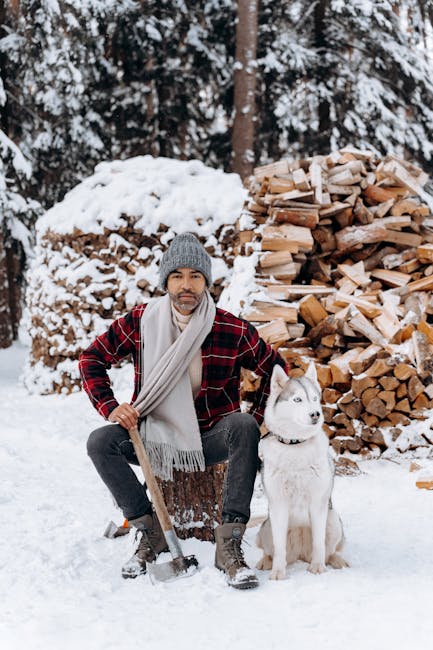
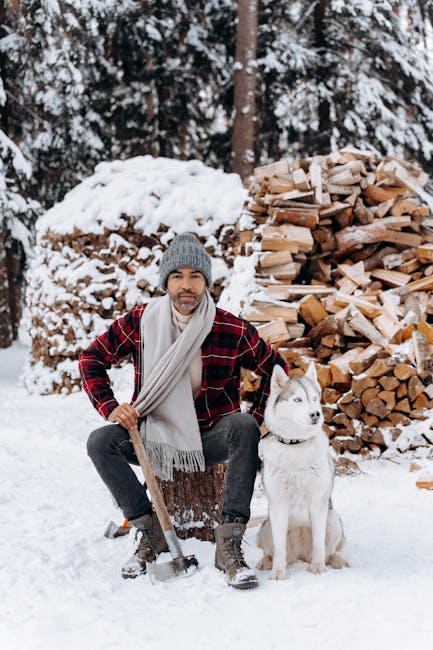
Some breeds excel in cold climates. The Siberian Husky is a prime example. Its thick coat and strong build suit harsh winters. Alaskan Malamutes are also cold-weather specialists. They pull sleds across icy landscapes. Their stamina in snow is unmatched. Saint Bernards are known for their cold resistance. They were bred to rescue travelers in snowy mountains. Their large size and thick fur keep them warm. Newfoundlands have webbed feet for swimming in icy waters. They are natural cold-weather companions. Other breeds adapt well to chilly temperatures. Samoyeds and Bernese Mountain Dogs have thick coats. They thrive in snowy environments. These breeds are comfortable in cold weather. Their natural adaptations make them ideal winter pets.
Signs Of Cold Stress In Dogs
Dogs might shiver and lift their paws to avoid cold ground. They may also become lethargic and refuse to play. These signs indicate cold stress, suggesting that the weather might be too harsh for them.
Understanding the signs of cold stress in dogs is crucial for every pet owner. As the temperature drops, our furry friends can face challenges, even those breeds built for the cold. Recognizing early indicators of cold stress can make all the difference in ensuring your dog’s well-being. Here are some key signs to watch for when the chill sets in.
Behavioral Changes
Dogs often show cold stress through changes in behavior. You might notice your dog seeking warmth more than usual, like curling up under blankets or snuggling closer to you. They may seem reluctant to go outside for walks or playtime, preferring to stay indoors instead. Pay attention if your dog becomes unusually inactive or lethargic. A once energetic pup that suddenly seems uninterested in their favorite activities could be struggling with the cold. This change in behavior might be their way of conserving energy to stay warm. Does your dog appear anxious or restless? Pacing or whining can indicate discomfort from the cold. Just like you, dogs can feel the sting of a chilly breeze and may not know how to communicate their discomfort.
Physical Symptoms
Physical signs of cold stress can be easy to spot if you know what to look for. Shivering is the most apparent sign. If your dog is shivering uncontrollably, it’s a clear indicator that they’re too cold and need to warm up immediately. Check your dog’s ears and tail. Are they cold to the touch? These extremities are often first to feel the effects of cold weather. If they’re noticeably colder than the rest of the body, it’s time to take action. Frostbite and hypothermia are serious risks. Look for signs like pale or bluish skin, particularly on the ears, paws, and tail. If your dog seems to be moving stiffly or has difficulty walking, it might be due to cold-induced discomfort. Have you ever noticed a dry, cracked nose in your dog during winter? This could be another subtle sign of cold stress. Keeping a close eye on these physical symptoms can help you act quickly to keep your dog safe. Understanding these signs can help you respond effectively to your dog's needs in cold weather. How do you ensure your dog stays warm and comfortable during the winter months? Share your tips and experiences in the comments below!
Preparing For Winter Walks
As the chilly winds herald the arrival of winter, dog owners must adapt their outdoor routines. Winter walks can be thrilling for dogs, but the cold poses risks. Preparation is key for ensuring your furry friend stays safe and comfortable. Equip your dog with the right gear to tackle the cold season.
Choosing Suitable Clothing
Dogs need protection from the biting cold. Choose clothing that provides warmth without restricting movement. A snug dog coat or sweater can shield against icy winds. Look for materials that are water-resistant to handle snow or rain. Ensure the clothing fits well to avoid discomfort.
Proper Footwear For Dogs
Paws are vulnerable to cold surfaces. Boots can protect against ice, snow, and harmful salts. Select boots with good grip to prevent slipping. Check that they fit securely but are not too tight. Dogs may need time to adjust to wearing footwear. Start with short sessions indoors before venturing outside.
Cold Weather Shelter Solutions
As the mercury drops, ensuring your dog stays warm is crucial. Cold weather can be harsh, but there are solutions to keep your furry friend safe. Providing proper shelter is key to their comfort and health. Explore indoor and outdoor options that protect your pet from the elements.
Indoor Accommodations
Bring your dog inside where it's warm. Create a cozy corner with blankets and a soft bed. Ensure they have space to relax. Keep the area draft-free and warm. Provide toys for entertainment. Maintain a routine to help them adjust. Heating pads can add extra warmth. Monitor your dog for signs of cold stress. Make sure they are comfortable.
Outdoor Dog Houses
Outdoor shelters should be sturdy and insulated. Ensure the dog house is waterproof. Use straw or bedding to insulate the floor. Position the entrance away from the wind. Elevate the house to prevent water damage. Check that the house is large enough for movement. Regularly inspect for repairs or wear. Add a flap to the entrance for extra warmth. Consider installing a heater for very cold days.
Diet Adjustments For Cold
Dogs can survive cold weather with proper diet adjustments. Increasing protein and fat helps maintain body heat and energy. Warm meals and hydration are crucial for their well-being during chilly months.
Diet adjustments are crucial for dogs during cold weather. As temperatures drop, dogs need more energy to keep warm. Their bodies burn more calories to maintain their core temperature. This means they might need a change in their diet. Adjusting their food intake helps them stay healthy and active in the cold.
Caloric Needs
Dogs need more calories in the winter. Their bodies burn more energy to stay warm. Increasing their food portions can help. Consider feeding them more protein and fat. These nutrients provide extra energy. Ensure the food quality is high. This supports their health and energy levels.
Nutritional Supplements
Supplements can also benefit dogs in cold weather. Omega-3 fatty acids help maintain a healthy coat. A thick coat is better for warmth. Vitamin E supports their immune system. This is crucial during cold months. Discuss with a vet before adding supplements. They can advise on the right dosage and type.
Hydration Importance In Winter
Cold weather challenges dogs. Hydration is crucial. Dry winter air can dehydrate them quickly. Ensure they have access to fresh water. This supports their health and survival in chilly conditions.
As winter sets in, ensuring your dog stays hydrated is just as crucial as keeping them warm. Cold weather can often trick us into thinking that hydration is not as important. However, your furry friend still needs to maintain proper hydration levels to stay healthy. Have you noticed your dog drinking less during the colder months? It's a common issue, but one that requires attention.
Water Consumption Patterns
You might assume that your dog needs less water in winter, but their body still requires regular hydration. Dogs, much like humans, can become dehydrated if their water intake is insufficient. During winter, dogs might not feel as thirsty, but their bodies still lose moisture through activities like panting and urination. Check your dog's water bowl frequently and make sure it’s always filled with fresh water. You could consider placing water bowls in different rooms to encourage your dog to drink more. Some dogs might even enjoy a little warm water in their bowl, especially on chilly days.
Preventing Dehydration
Dehydration can sneak up on your dog during winter if you're not vigilant. Signs of dehydration include dry gums, lethargy, and sunken eyes. If you notice these symptoms, it's crucial to increase their water intake immediately. You can add moisture to your dog's diet by incorporating wet food or broth. These options provide additional fluids while also enhancing flavor, which can entice picky drinkers. Always keep an eye on your dog's behavior and consult your vet if you’re ever in doubt about their hydration levels. Do you think your dog could benefit from a hydration boost this winter? Taking proactive steps can make all the difference. Keeping your dog hydrated is not just about filling their water bowl—it's about maintaining their overall health and happiness throughout the season.
Safety Tips For Winter Activities
Dogs can survive cold weather, but they need proper care. Ensure they have warm shelter and limit exposure to extreme cold. Regularly check their paws for ice and salt, which can cause irritation.
Winter can be a magical time for you and your furry friend, but it’s essential to keep your dog safe during cold weather activities. Dogs, like humans, can be vulnerable to the harshness of winter. However, with a few safety measures, you can ensure your pup enjoys the season just as much as you do.
Avoiding Ice Hazards
Ice can be deceptive. What looks like a solid surface may not support your dog's weight, leading to dangerous situations. Always keep your dog on a leash near frozen bodies of water. When walking, avoid areas that seem too slippery. You might not notice small patches of ice, but your dog’s paws will. Consider using dog booties to provide extra traction and protect their paws from frostbite.
Safe Playtime Practices
Winter playtime can be thrilling for your dog, but it’s crucial to keep it safe. Limit outdoor play in extremely cold temperatures to short, supervised sessions. Remember, if you're cold, your dog probably is too. Ensure your dog is visible by using reflective gear or LED collars. This is especially important during early sunsets and foggy mornings. A well-fitted dog coat can provide an extra layer of warmth, especially for short-haired breeds. Have you ever noticed your dog shivering after playtime? It might be a sign they’ve had enough and need to warm up indoors. Always have a cozy spot ready for them to snuggle and recover. What winter activities do you and your dog enjoy together? Remember, keeping safety in mind will make these moments more enjoyable and worry-free.
Frequently Asked Questions
Can Dogs Tolerate Freezing Temperatures?
Most dogs can tolerate cold, but it varies by breed. Huskies and Malamutes thrive in cold due to their thick fur. Smaller breeds and short-haired dogs may struggle. Always ensure your dog has shelter and warm bedding in freezing temperatures to keep them safe.
How Do Dogs Stay Warm In Winter?
Dogs stay warm using their fur as insulation. Their fur traps heat, keeping them cozy. Ensure your dog has adequate shelter and bedding. Some breeds may need sweaters or jackets for extra warmth during walks in cold weather.
Is It Safe For Dogs To Sleep Outside?
It's generally unsafe for dogs to sleep outside in cold weather. They risk hypothermia and frostbite without proper shelter. Provide a warm, insulated doghouse if your dog must stay outside. Always prioritize their safety and comfort during cold weather.
Do All Dogs Need Winter Coats?
Not all dogs need winter coats. Breeds with thick fur, like Huskies, are naturally insulated. Short-haired breeds benefit from coats in cold weather. If your dog shivers or refuses to go outside, consider using a coat for added warmth.
Conclusion
Dogs can handle cold weather, but care is crucial. Keep them warm. Provide shelter and cozy bedding. Limit time outside in freezing temperatures. Watch for signs of discomfort. Shivering or whining? Bring them inside. Every dog is different. Know your dog's limits.
Small or thin-coated breeds need extra care. Consider sweaters or jackets for added warmth. Keep paws protected from ice and salt. Always provide fresh water. Staying informed keeps your furry friend safe and happy in winter.