Winter is a magical season with snow-covered landscapes and cozy fireplaces. But as the temperature drops, you might wonder about your furry friend’s ability to handle the cold.
Can a dog survive cold weather? If you're concerned about your dog's well-being during chilly months, you’re not alone. Many pet owners worry about their dogs’ safety and comfort when the frost bites. Imagine your dog frolicking happily in the snow, tail wagging, without a care in the world.
That's the ideal scenario, right? But how can you make sure this happens? You'll discover essential tips and insights to ensure your beloved pet stays warm and safe. Keep reading to unlock the secrets to keeping your dog happy and healthy all winter long.
Understanding Dog Cold Tolerance
Dogs can handle cold weather, but their tolerance varies. Factors like breed, size, and coat type influence their comfort. Proper care ensures their safety in chilly conditions.
Understanding how dogs tolerate cold weather is crucial for keeping your furry friend safe and happy during chilly months. Different factors, like breed, age, and health, play significant roles in how well a dog can handle low temperatures. It's essential to know these aspects to ensure your dog remains comfortable and protected when the thermometer drops.
Breed-specific Tolerance
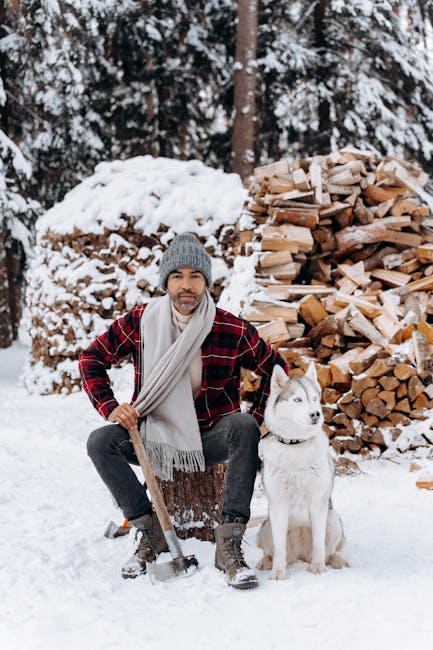
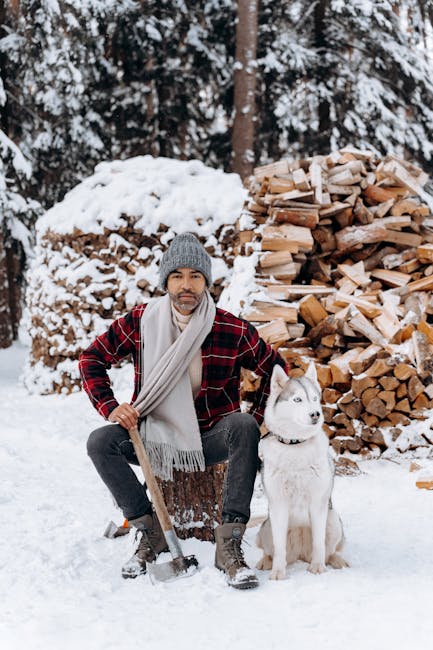
Not all dogs have the same resistance to cold. Breeds like Huskies and Malamutes are naturally equipped with thick fur coats, making them more cold-tolerant. On the other hand, short-haired breeds like Chihuahuas may struggle to keep warm. Consider your dog's breed characteristics. Does your dog have a double coat or a single coat? It's these details that influence how long your dog can comfortably play outside in winter.
Age And Health Factors
A dog's age and health significantly affect its ability to endure cold weather. Puppies and senior dogs are generally more sensitive to cold than healthy adult dogs. Their bodies are less efficient at regulating temperature, making them more susceptible to cold stress. Health conditions also play a role. Dogs with arthritis, for instance, may find cold weather exacerbates their symptoms. If you notice your dog shivering or acting uncomfortable, it's crucial to take measures to warm them up. Can you recall a time when your dog seemed uncomfortable in cold weather? It might be a sign to reassess their exposure and make adjustments. Whether it’s adding a cozy dog sweater or limiting outdoor time, your actions can make a big difference. Ensuring your dog is safe and comfortable in cold weather involves understanding these unique factors. By doing so, you can enjoy those frosty walks with peace of mind, knowing your canine companion is well-protected.
Signs Of Cold Stress In Dogs
Recognizing signs of cold stress in dogs is vital for their safety. Cold temperatures can impact a dog's health and behavior. Understanding these signs helps ensure your dog remains comfortable during winter.
Behavioral Changes
Dogs may become more anxious or restless in cold weather. They might pace or seek warm places more often. A dog may refuse to go outside. Some may show signs of reluctance during walks. Look for changes in energy levels. A typically active dog becoming lethargic might be cold-stressed.
Physical Symptoms
Shivering is a common sign of cold stress in dogs. Watch for excessive shivering or trembling. A dog's ears and paws may feel cold to touch. Check for dry or cracked skin, especially on their paws. Cold stress can lead to frostbite. Look for pale skin or redness, especially on extremities. Monitor breathing patterns. Rapid breathing might indicate cold stress.
Preparing Dogs For Cold Weather
Dogs can endure cold weather with proper preparation. Ensure they have a warm, dry shelter. Short-haired breeds may need extra clothing. Regular checks for frostbite on paws and ears are crucial.
As the temperature drops, ensuring your dog stays warm becomes a priority. Dogs, much like humans, need extra care during the cold months to stay comfortable and safe. This might mean adjusting their daily routines or investing in some new gear. You might wonder how best to prepare your furry friend for chilly days ahead. Here’s a detailed guide to help you navigate this frosty season with your pup.
Proper Clothing And Gear
Not all dogs have thick fur coats. Some breeds, especially those with short hair, are more susceptible to the cold. Consider investing in a dog sweater or coat to keep them warm during walks. Boots can protect your dog's paws from ice and salt, which can cause irritation. Not sure if your dog needs them? Try a short walk and see if they lift their paws frequently. Reflective gear is a smart addition to your dog's wardrobe. With shorter days, visibility is crucial for evening walks. Ensure your dog is easily seen by drivers and cyclists.
Safe Outdoor Habits
Limit your dog's time outside during extremely cold days. Short, frequent walks are better than one long outing. Monitor your dog for signs of discomfort, like shivering or anxious behavior. Always keep your dog on a leash. Snow can mask familiar scents, making it easy for them to get lost. Have you ever lost sight of your dog in a snowstorm? It can be terrifying. After coming inside, wipe your dog's paws to remove any salt or chemicals. This simple step can prevent irritation and keep your home clean. Preparing your dog for cold weather involves a mix of the right gear and smart outdoor habits. Are you ready to make this winter a warm and safe one for your furry companion? Your efforts will ensure they enjoy the season as much as you do.
Creating A Warm Environment Indoors
A cozy indoor setting can help dogs handle colder weather. Warm blankets and proper insulation keep them comfortable and safe. Ensure heating sources are pet-friendly to avoid any accidents.
Creating a warm environment indoors is crucial for your dog's comfort. As temperatures drop, keeping your furry friend cozy becomes a priority. Dogs can handle some cold, but extreme conditions can be harmful. Ensuring warmth indoors helps them stay safe and healthy.
Heating Solutions
Heating solutions are essential for indoor warmth. Consider portable heaters for specific areas. Ensure they are safe and pet-friendly. Central heating can maintain a consistent temperature. Programmable thermostats let you set specific warmth levels. Radiant floor heating is another option. It provides warmth from the ground up. Always ensure your heating solutions are secure for pets.
Cozy Sleeping Areas
Create cozy sleeping areas for your dog. Use blankets and cushions for comfort. Place their bed away from drafts. Elevated beds keep them off cold floors. Heated pet beds offer additional warmth. Ensure the bed is large enough for them to stretch. Choose materials that retain heat well. Regularly check for signs of wear. Replace bedding as needed. This ensures maximum comfort and warmth.
Nutritional Needs In Cold Weather
Cold weather can be tough on dogs. Their bodies work harder to stay warm. This means their nutritional needs change. Adjusting their diet is crucial. It keeps them healthy and energized during winter.
Adjusting Diet For Energy
Dogs need more calories in cold weather. Their bodies burn energy to stay warm. Increase their food intake slightly. Choose high-quality, nutrient-rich dog food. It provides the energy they need. Monitor their weight closely. Adjust portions if they gain or lose weight.
Hydration Importance
Hydration is key, even in winter. Cold air can be dry. This leads to dehydration. Ensure fresh water is always available. Check water bowls often. Ice might form in outdoor bowls. Use heated bowls if necessary. Wet food can help with hydration, too.
Emergency Measures For Extreme Cold
Dogs are often resilient, but extreme cold poses serious risks. When temperatures drop, knowing emergency measures becomes crucial. Immediate action can prevent severe health issues. This section will guide you through recognizing and addressing cold-related emergencies in dogs.
Recognizing Hypothermia
Hypothermia occurs when a dog's body temperature drops too low. Signs include shivering, lethargy, and pale gums. If untreated, it can lead to severe health problems. Monitor your dog closely in extreme cold. Quick recognition is key.
Immediate First Aid
If hypothermia is suspected, act quickly. Move your dog to a warm, sheltered area. Wrap them in a warm blanket or towel. Avoid using hot water bottles. They can cause burns. Offer warm fluids if your dog is conscious. Contact a vet immediately for further assistance.
Expert Advice On Cold Weather Care
Dogs can survive cold weather with proper care. Provide shelter and warm bedding to protect them from harsh temperatures. Monitor for signs of cold stress, like shivering or lethargy, ensuring your pet stays comfortable and safe.
Cold weather can pose significant challenges for dog owners, especially if you're unsure how to keep your furry friend safe and comfortable. Expert advice on cold weather care can make all the difference in ensuring your dog not only survives but thrives during the chilly months. It's all about understanding your dog's specific needs and taking proactive measures to keep them warm and healthy.
Veterinarian Recommendations
Veterinarians often emphasize the importance of recognizing your dog's breed and size when considering cold weather care. Smaller breeds or those with short coats may need extra help staying warm. You might need to invest in a quality dog coat or sweater for those frosty walks. Pay attention to your dog's behavior. Are they shivering or reluctant to go outside? These are signs they might be too cold. Regular vet check-ups can help identify any underlying health issues that might be exacerbated by cold weather.
Professional Grooming Tips
Professional groomers suggest maintaining a proper grooming routine even in winter. While it might seem counterintuitive, trimming your dog's fur can prevent snow and ice from clinging to their coat, causing discomfort. Avoid shaving your dog down to the skin, as their natural coat offers some protection against the elements. Instead, keep their fur clean and free of tangles to maintain its insulating properties. Don't forget about the paws! Use a paw balm or moisturizer to prevent cracking and irritation from salt and ice. Groomers often recommend trimming the hair between your dog's pads to avoid snow build-up, which can lead to painful ice balls. Are you prepared to make these adjustments for your dog's winter comfort? Taking these steps can make all the difference in keeping your pet safe and happy throughout the season.
Frequently Asked Questions
How Cold Is Too Cold For Dogs?
Dogs can tolerate cold up to 32°F, depending on breed and size. Small or thin-coated dogs may need protection below 45°F. Always monitor your dog for signs of discomfort. Puppies, elderly, and sick dogs are more vulnerable to cold temperatures.
Provide shelter and warm clothing if necessary.
Can Dogs Get Frostbite In Winter?
Yes, dogs can suffer frostbite, especially on ears, paws, and tails. Prolonged exposure to freezing temperatures increases risk. Symptoms include discoloration and swelling. Limit outdoor time during extreme cold and ensure your dog stays warm. Consult a vet if you suspect frostbite.
Prevention is key to protecting your dog.
Do Dogs Need Coats In Cold Weather?
Some dogs need coats in cold weather, especially small or short-haired breeds. Coats help retain body heat during freezing temperatures. Active dogs may not require coats, but assess your dog’s comfort. Properly fitting coats can prevent hypothermia. Consider your dog’s breed, age, and health when deciding on extra protection.
How Long Can Dogs Stay Outside In Winter?
Limit outdoor time to 30 minutes in freezing weather. Monitor your dog for signs of discomfort or shivering. Puppies and senior dogs should have shorter outdoor periods. Adjust time based on temperature and wind chill. Always supervise your dog and provide warm shelter if needed.
Conclusion
Dogs can handle cold weather to some extent. Their survival depends on breed, health, and preparation. Short-haired breeds need extra warmth. Older dogs require more care. Insulate your dog's shelter well. Provide warm blankets and bedding. Keep them dry and out of the wind.
Monitor their health closely. Ensure they have enough food and water. Watch for signs of cold stress. Frostbite and hypothermia are real dangers. Be proactive, plan ahead, and consult a vet if unsure. Your dog's safety is priority. With care, they can enjoy winter too.