Will Bed Bugs Survive in Cold Weather?
Have you ever wondered if the pesky bed bugs that invaded your personal space can survive the chilling embrace of winter? As temperatures drop, you might hope for relief from these unwelcome guests.
The idea that cold weather could be your ally is tempting, isn't it? Imagine waking up without the fear of bites, or the stress of relentless extermination efforts. But before you get too comfortable, let's explore the truth about bed bugs and their resilience.
Understanding their survival tactics in cold weather could be your key to taking control and reclaiming your peace of mind. Dive into this article to uncover the surprising facts and learn how you can protect your home from these persistent intruders.
Bed Bug Biology
Bed bugs can endure cold weather by entering a dormant state. They survive temperatures as low as 46°F. This adaptation helps them persist until conditions improve.
Understanding bed bug biology is crucial in tackling these pesky invaders. Bed bugs are small, wingless insects that thrive in human environments. Despite their tiny size, they have a complex biology that allows them to adapt and survive in various conditions. You might wonder how they fare in cold weather.
Bed Bug Anatomy
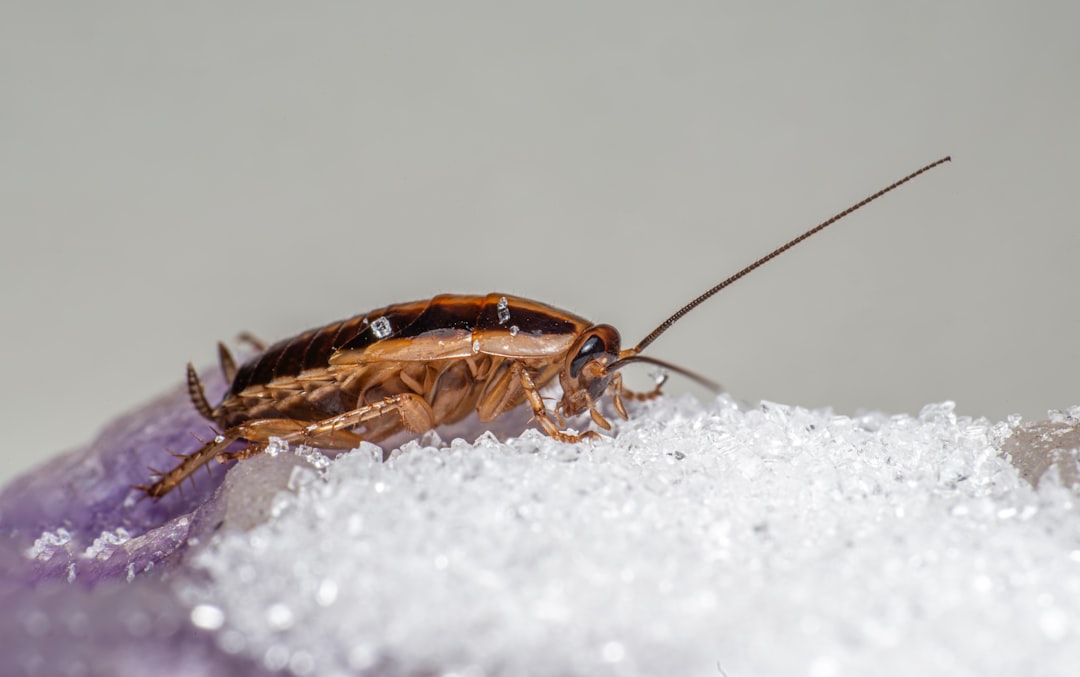
Bed bugs have a flat, oval-shaped body that enables them to hide in crevices and corners. Their reddish-brown color helps them blend into their surroundings. Despite their size, they can cause significant discomfort due to their bites. Their mouthparts are designed for piercing skin and sucking blood, which is their primary food source. This anatomy makes them resilient and challenging to eliminate.
Life Cycle And Reproduction
Did you know a single female bed bug can lay hundreds of eggs during her lifetime? These eggs are tiny, often hidden in cracks and crevices, making them difficult to spot. The life cycle of bed bugs includes five immature stages before they become adults. Each stage requires a blood meal to develop, which is why they often invade bedrooms and living spaces.
Adaptation To Cold Weather
You might think cold weather would kill bed bugs, but their biology allows them to adapt. While they prefer warmer environments, they can slow their metabolism in colder conditions. This adaptation means they can survive longer without feeding, waiting for favorable conditions. Their ability to hide in insulated areas like mattresses and walls further protects them from temperature extremes. This resilience challenges many homeowners during the colder months.
Practical Tips For Control
How can you combat these resilient pests? Regularly check and clean areas where bed bugs might hide. Use bed bug-proof mattress covers to prevent infestations. If you suspect a bed bug presence, consult a pest control professional. It's important to address the problem before it escalates. Are you prepared to defend your home against these tiny invaders? Remember, understanding their biology is your first line of defense. It empowers you to take action and protect your living space from these unwelcome guests.
Survival Mechanisms
Bed bugs are known for their resilience, thriving in various environments and often catching us by surprise. But what happens when the temperature drops? Do these pesky creatures have survival mechanisms that allow them to endure cold weather? Let's delve into the intriguing ways bed bugs adapt and survive.
Cold Weather Adaptations
Bed bugs are incredibly adaptable. In colder climates, they often seek warmth to survive. You might notice them gravitating towards heated areas or cozy spaces in your home. Their ability to find warmth is a remarkable survival tactic.
Have you ever wondered why bed bugs seem to persist despite freezing conditions outside? They cleverly hide in places where temperatures remain stable, such as in mattresses, furniture, and walls. These spots provide the warmth they need to stay active.
Bed bugs also adjust their behavior based on the season. During colder months, they slow down their activity, conserving energy. It's a bit like hibernation—though not as deep—allowing them to survive until conditions improve.
Temperature Thresholds
Understanding the temperature thresholds for bed bugs can help you manage them effectively. Bed bugs can survive in a range of temperatures, but extreme cold can be lethal. They struggle to survive below freezing temperatures, but it requires prolonged exposure to kill them.
At what temperature do bed bugs start to die? Studies show that they begin to perish when exposed to temperatures below 0°F (-18°C) for several days. This knowledge is crucial if you're considering cold treatment as a pest control method.
However, just a few hours in freezing conditions won’t necessarily eliminate them. It’s essential to maintain the temperature for an extended period for effective results. Are you willing to freeze them out?
By understanding these survival mechanisms, you can better prepare your strategy to combat bed bugs during colder months. Are you ready to take control of your environment and keep these unwelcome guests at bay? Remember, knowledge is your best weapon in the fight against bed bugs!
Impact Of Cold Weather
As temperatures drop, you might wonder if bed bugs can survive the cold. Cold weather can influence these pesky insects in ways that might surprise you. Understanding how bed bugs react to chilly conditions can help you manage infestations more effectively.
Behavioral Changes
When the temperature falls, bed bugs might change their behavior. They tend to seek warmth and shelter to survive. You may notice them clustering in warmer areas of your home, such as near heating vents or in cozy fabrics.
It's a bit like when you cuddle under blankets during a cold night. Bed bugs are driven by a similar need to stay warm. Knowing this can help you predict their movements and target those areas for treatment.
Reproductive Effects
Cold weather can slow down the reproductive cycle of bed bugs. Lower temperatures may reduce their ability to lay eggs. This means fewer new bugs to deal with, giving you a slight advantage in controlling the infestation.
However, don't let your guard down. They won't stop reproducing entirely. A brief cold spell isn't enough to eradicate them. But it could give you more time to implement your pest control strategies effectively.
Have you ever considered how the season affects your pest control approach? Understanding these factors can be crucial for managing bed bugs effectively. Take advantage of the colder months to reduce their numbers and reclaim your space.
Common Myths
Many people believe bed bugs can't survive in cold weather. This belief often leads to misconceptions about their resilience. Bed bugs are hardy creatures. They can endure extreme conditions. Myths about cold weather treatments can be misleading.
Freezing As A Solution
Some think freezing kills bed bugs. This isn't always true. Bed bugs can survive cold temperatures. They enter a state like hibernation. This allows them to endure for weeks. Freezing needs precise conditions to be effective. A standard home freezer may not suffice.
Effectiveness Of Cold Treatments
Cold treatments are less effective than many assume. They require specific temperature levels. Also, duration matters. Bed bugs need exposure to below freezing for days. Many treatments fail due to improper execution. Professional help is often required.
Practical Solutions
Bed bugs are resilient pests, often surviving in various climates. Cold weather can slow them down. But it doesn't eliminate them entirely. Practical solutions can help manage bed bug infestations during colder months. Effective strategies can reduce their numbers and prevent future invasions. Let's explore some methods to control these pesky intruders.
Effective Temperature Control
Cold temperatures can kill bed bugs. But only if it's extremely cold. Freezing them can work. Keep infested items in a freezer at 0°F for four days. This method is simple and doesn't involve chemicals.
Heating is another option. Wash and dry infested clothes on high heat. Bed bugs can't survive temperatures above 120°F. Heating rooms can also be effective. Use heaters to raise the room temperature. Always monitor temperature levels to ensure success.
Alternative Pest Control Methods
Vacuuming is a practical solution. It removes bed bugs and their eggs. Focus on crevices, seams, and corners. Dispose of vacuum contents immediately. Sealing infested items in plastic bags can trap and kill bed bugs. Keep them sealed for several weeks to be effective.
Diatomaceous earth is a natural option. This powder dehydrates and kills bed bugs. Sprinkle it in areas where bed bugs hide. Use caution, as it can be messy. Steam cleaning is also effective. High temperatures can kill bed bugs instantly. Use steamers on mattresses, furniture, and carpets.
Frequently Asked Questions
Can Bed Bugs Survive Freezing Temperatures?
Bed bugs can survive cold temperatures but not extreme cold. Temperatures below 0°F can kill them, but they need prolonged exposure. Simply lowering your home's temperature won't eliminate them, as they often hide in insulated areas. Effective control typically involves professional pest management rather than relying solely on cold weather.
Do Bed Bugs Become Inactive In Winter?
Bed bugs remain active regardless of the season. While cold weather might slow their movement, it doesn't stop them from feeding or reproducing. They thrive indoors, where temperatures are stable and warm. To combat infestations, focus on comprehensive pest control measures rather than relying on seasonal changes.
How Do Bed Bugs Survive Cold Climates?
Bed bugs survive cold climates by seeking warm indoor environments. They hide in bedding, furniture, and walls, where temperatures remain steady. Their ability to find insulated spaces helps them endure cooler weather. Effective eradication requires targeted pest control strategies rather than relying on temperature drops.
Can Cold Weather Kill Bed Bugs Naturally?
Cold weather alone rarely kills bed bugs naturally. They can survive brief exposure to low temperatures. Only prolonged exposure to freezing conditions can eliminate them. To effectively deal with infestations, professional pest control methods are recommended instead of waiting for temperature changes.
Conclusion
Bed bugs manage to survive in cold weather. They adapt by finding warmth. Indoors, they hide in cracks and crevices. These pests are resilient. Cold weather alone won’t eliminate them. To control bed bugs, seek professional help. Regular cleaning helps reduce their numbers.
Seal any entry points in your home. Inspect second-hand furniture before bringing it inside. These steps can limit infestations. Stay vigilant and proactive. Protect your home from these persistent pests.