Have you ever wondered just how cold it can get before it's too much for you to handle? As temperatures drop, your body faces a battle against nature's icy grip.
This isn't just about shivering; it's about survival. Understanding the limits of human endurance in extreme cold can be fascinating and even crucial for your safety. You might be surprised by what your body can endure, and how it fights to keep you alive in the harshest conditions.
Dive into this article to uncover the secrets of human resilience against bone-chilling cold, and discover the surprising strategies your body uses to survive.
Human Body's Cold Tolerance
The human body is an incredible machine. It can adapt to various environments, but extreme cold tests its limits. Understanding the body's cold tolerance is crucial. It helps in preparing for freezing conditions. This knowledge can save lives during unexpected cold snaps.
Core Body Temperature
The core body temperature is vital for survival. It typically ranges around 98.6°F (37°C). A drop below 95°F (35°C) triggers the body’s survival mode. The heart, brain, and organs struggle to function. Maintaining this temperature is key in cold conditions.
Effects Of Hypothermia
Hypothermia occurs when the body loses heat quickly. It happens faster than it can produce warmth. Initial symptoms include shivering and confusion. The body tries to warm itself but needs help. Without intervention, organs fail. Severe hypothermia can be fatal. Recognizing signs early is crucial for survival.
Survival Strategies
Surviving extreme cold depends on various factors including clothing, shelter, and health. The coldest temperature humans have survived is around -128. 6°F (-89. 2°C). Proper gear and preparation increase survival chances in such harsh conditions.
Surviving in extremely cold weather is a challenging feat, but with the right strategies, you can greatly increase your chances. Understanding how to protect yourself against the elements is key. Whether you're caught in a sudden snowstorm or planning an expedition in freezing climates, knowing how to stay warm and safe is essential. Let's delve into some survival strategies that could make all the difference.
Layering Clothing
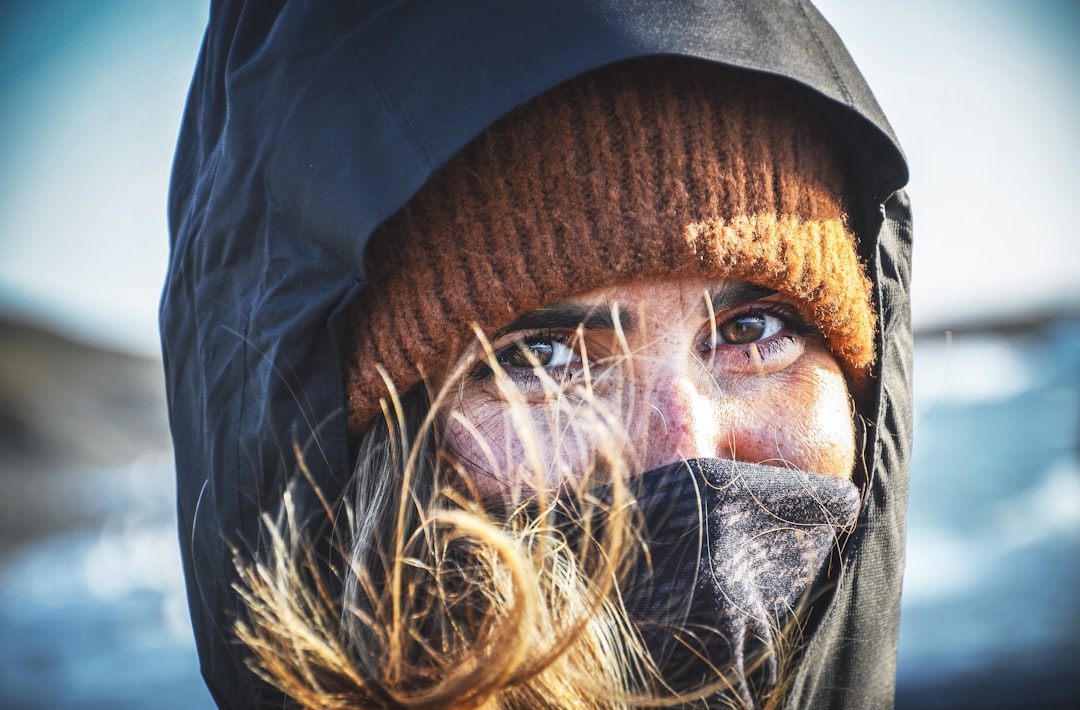
Layering clothing is not just about wearing more clothes; it's about wearing the right clothes. Start with a moisture-wicking base layer to keep sweat away from your skin. Add an insulating middle layer, like wool or fleece, to trap heat. Top it off with a waterproof and windproof outer layer. This combination will help maintain your body heat. Remember, your extremities are important too—wear gloves, hats, and thick socks.
Shelter Building
In a survival situation, your first priority is building a shelter. This will protect you from the wind and snow. Use available materials like branches, leaves, and snow to construct a makeshift shelter. A lean-to or snow cave can be lifesavers in the wilderness. Ensure your shelter is small enough to trap body heat but has enough ventilation to avoid suffocation. Have you ever tried building a snow cave? It might be worth practicing before you really need it.
Fire And Heat Sources
Starting a fire in freezing temperatures can be challenging but is crucial for warmth and cooking. Always carry waterproof matches or a lighter in your survival kit. Dry kindling can be hard to find, so keep a stash of fire starters. If fire is not an option, look for alternative heat sources. Hot water bottles or chemical hand warmers can provide temporary relief. Stay active—movement generates heat and is your body’s natural way of staying warm. Survival in cold climates requires preparation and knowledge. By focusing on effective clothing, shelter, and heat sources, you can increase your chances of enduring extreme cold. What strategies have you found effective in cold weather?
Historical Survival Stories
Extreme cold challenges human survival, testing resilience and adaptability. Historical stories reveal humans enduring temperatures as low as -50°C. Adaptations like specialized clothing and shelter play crucial roles in survival under such harsh conditions.
Surviving in extreme cold has been a topic of fascination and fear for centuries. Historical survival stories remind us of human resilience and adaptability. These tales are not just about enduring harsh climates but also about learning from past experiences to prepare for future challenges.
Famous Expeditions
Famous expeditions have tested human limits in the coldest regions on Earth. One remarkable story is that of Ernest Shackleton and his crew during the Imperial Trans-Antarctic Expedition. Trapped by ice, their ship, Endurance, was crushed. Shackleton’s leadership ensured every man survived through months of freezing temperatures. Another is the 1911 race to the South Pole between Amundsen and Scott. While Amundsen’s team succeeded, Scott’s team perished, highlighting the importance of preparation and understanding the environment. These stories emphasize the power of teamwork and leadership in overcoming adversity. They remind us that knowing your limits and planning meticulously can be the difference between life and death.
Lessons Learned
These expeditions offer crucial lessons. First, preparation is key. Equip yourself with the right gear and knowledge. Understand the terrain and weather patterns. Shackleton and Amundsen’s successes were partly due to their meticulous planning. Second, mental resilience is as important as physical endurance. Staying positive and focused can keep you going even in dire situations. Shackleton’s crew survived because they maintained hope despite their bleak circumstances. Lastly, always ask yourself: what can go wrong? Prepare for the unexpected. Scott’s failure was partly due to overconfidence and lack of contingency plans. Assess risks and have backup plans in place. Historical survival stories are more than tales of past adventures. They are blueprints for survival strategies. Have you ever wondered how you would fare in extreme cold? Would you be prepared? These questions can guide your readiness for any cold weather challenges.
Modern Survival Techniques
Surviving in extreme cold requires effective strategies. Humans can endure temperatures as low as -70°F with proper clothing and shelter. Hypothermia is a major risk, making warmth and insulation crucial for survival in freezing conditions.
Surviving extreme cold requires more than just sheer willpower. Modern survival techniques combine technology, clever gear choices, and a deep understanding of the human body's limits. Are you prepared to face the coldest temperatures Earth has to offer?
Technological Advances
Technology has transformed how we tackle extreme cold. Today, thermal imaging devices allow you to detect heat loss in real-time, helping you better insulate your shelter. Wearable tech, like smart clothing, monitors your body temperature and adjusts insulation levels, ensuring optimal warmth. Imagine having a jacket that heats up when your body temperature drops. This is now a reality with heated apparel powered by rechargeable batteries. Such innovations aren't just for convenience; they can be lifesavers.
Emergency Gear
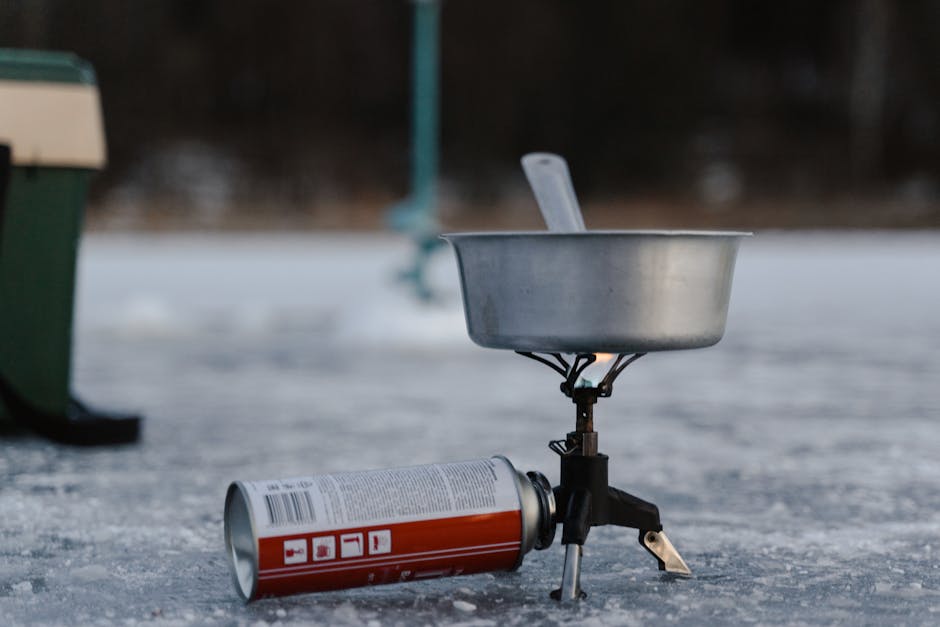
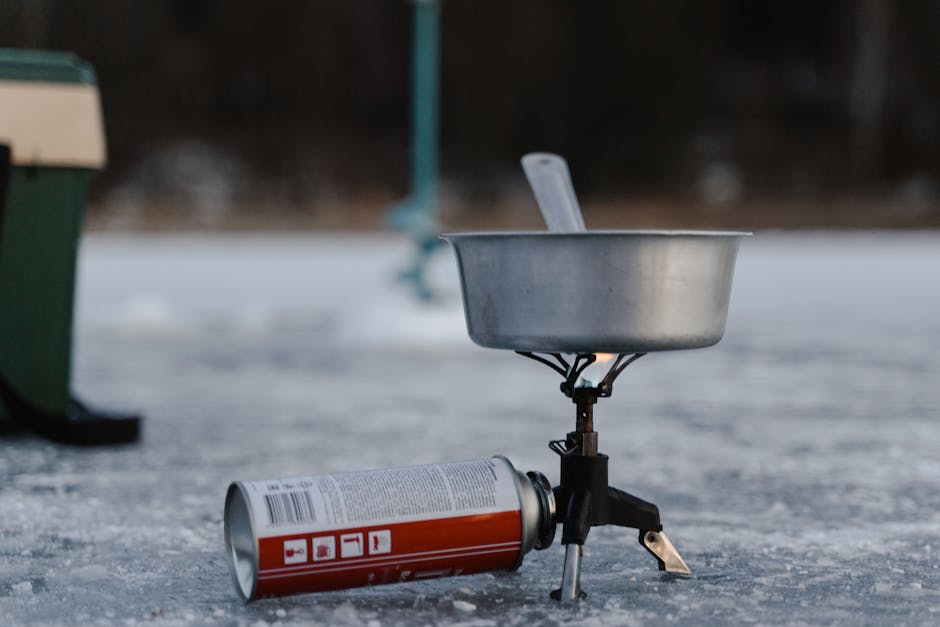
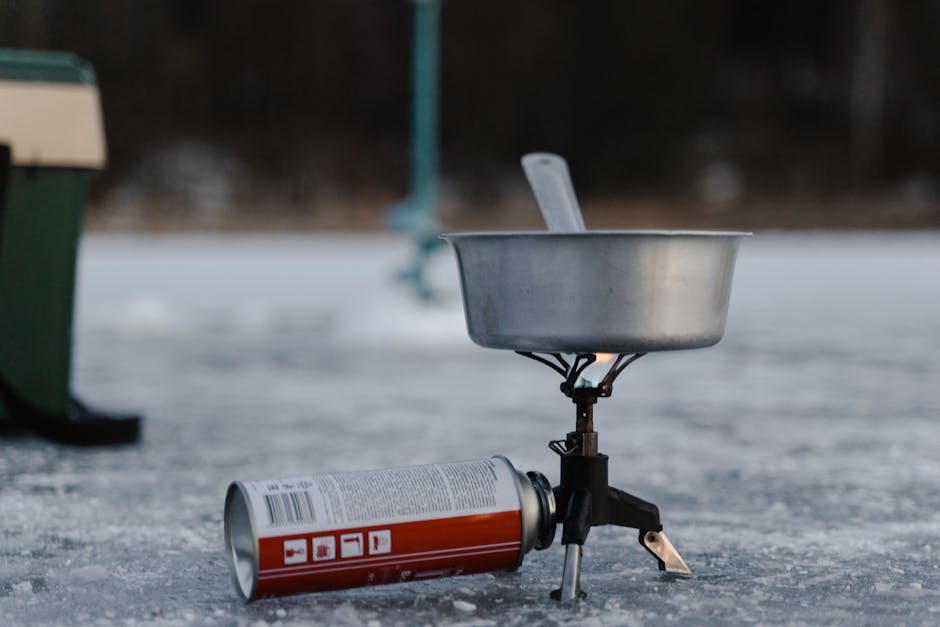
Your gear can be your best friend in freezing conditions. High-quality sleeping bags, designed for sub-zero temperatures, trap heat efficiently. They're lightweight, allowing easy transport during emergencies. Pack an emergency bivvy, a compact shelter that reflects your body heat back to you. It's small enough to fit in your backpack but can prevent hypothermia in extreme situations. Don't forget a portable stove. In cold weather, your body burns more calories to stay warm. A stove ensures you can prepare hot meals and drinks, giving you the energy needed to survive. Have you ever faced a situation where the temperature plunged unexpectedly? Having the right gear can turn a potentially deadly event into a manageable challenge. Are you equipped to survive the coldest temperatures? With the right technological tools and emergency gear, you can push the boundaries of human survival.
Health Risks In Extreme Cold
Extreme cold can pose serious health risks. Humans can survive temperatures as low as -70 degrees Celsius. Frostbite and hypothermia are major concerns in such cold conditions.
Surviving in extremely cold weather poses serious health risks. You may think a warm jacket is enough, but the cold can be more dangerous than it seems. Understanding these risks can literally be a matter of life and death.
Frostbite
Frostbite is a common danger when temperatures plummet. It happens when skin and underlying tissues freeze. Fingers, toes, ears, and nose are most at risk. Imagine being on a winter hike and feeling your fingers go numb. If left untreated, frostbite can lead to permanent damage or even amputation. Always cover exposed skin and stay aware of any numbness or discoloration.
Hypothermia
Hypothermia occurs when your body loses heat faster than it can produce it. This condition can happen even if temperatures are just below freezing. Your body temperature drops, affecting your heart, nervous system, and other organs. You might feel confused, lose coordination, or start shivering uncontrollably. If untreated, hypothermia can be fatal. Staying dry and layering clothing can help keep you warm.
Cold-induced Injuries
Extreme cold can also lead to other injuries. Muscles and joints stiffen, increasing the risk of slips and falls. Have you ever tried running on an icy path? The risk of sprains and fractures skyrockets. Cold weather can also constrict blood vessels, leading to increased blood pressure. Prioritize safe footing and limit time outdoors during severe cold snaps.
Are you prepared for these health risks? Recognizing the signs and taking preventive steps can make all the difference. Your survival in extreme cold depends on it.
Role Of Mental Resilience
Surviving extreme cold requires more than physical strength. Mental resilience plays a crucial role. It is the mind's ability to adapt and push through tough conditions. In freezing temperatures, mental toughness can be the difference between life and death. This unseen power helps humans endure and make smart choices under stress.
Psychological Challenges
Facing extreme cold brings unique psychological challenges. Fear and anxiety can overwhelm the mind. Harsh weather tests patience and decision-making skills. The constant threat of frostbite and hypothermia adds stress. Staying calm becomes a daily struggle. The mind battles its own doubts and fears.
Coping Mechanisms
Developing coping mechanisms is essential in severe cold. Positive thinking helps maintain morale. Visualizing warm places can uplift spirits. Establishing a routine provides structure and focus. Connecting with others boosts emotional strength. Sharing experiences can ease the burden. Mindfulness and meditation calm the mind. These practices nurture resilience and support survival.
Environmental Factors
Surviving extreme cold weather depends on various environmental factors. These factors can greatly influence how the human body reacts to freezing temperatures. Understanding these elements is crucial for survival in frigid conditions.
Wind Chill Impact
Wind chill can make temperatures feel colder than they are. It measures how wind affects perceived temperature. Strong winds remove body heat faster, increasing the risk of hypothermia. This is why dressing in layers is vital. Proper clothing minimizes wind chill effects and retains body warmth. Always consider wind speed and temperature together.
Altitude Effects
Higher altitudes can intensify the cold. At high elevations, the air is thinner and colder. This reduces oxygen levels and affects body heat retention. The body works harder to maintain warmth, increasing fatigue. Acclimatization is essential for those living or traveling to high altitudes. It helps the body adjust to reduced oxygen and cold conditions.
Cold Climate Adaptations
Surviving extreme cold requires careful adaptations. Humans can endure temperatures as low as -40 degrees Fahrenheit with proper clothing and shelter. Efficient heat retention and insulation are key for survival in harsh climates.
Surviving in extreme cold is a testament to human resilience and adaptability. While modern technology equips us with advanced gear, our ancestors relied on natural adaptations and learned wisdom. Understanding these cold climate adaptations offers insights into how humans have thrived in some of the harshest environments on Earth. From physical changes to cultural practices, humans have developed unique ways to withstand biting cold.
Indigenous Populations
Indigenous populations have long thrived in cold environments through cultural and practical adaptations. The Inuit people, for example, have lived in the Arctic for thousands of years. Their traditional clothing, made from animal skins, provides excellent insulation. By building igloos, which trap heat, they create warm shelters in an otherwise frigid landscape. These communities have a rich knowledge of the land and its resources, allowing them to hunt and gather food even in harsh conditions.
Evolutionary Traits
Humans have evolved certain traits to endure cold climates better. Some populations have developed shorter limbs and broader bodies, which help conserve heat more efficiently. These physical traits may seem subtle, but they have a significant impact on survival. Additionally, metabolic adaptations are present. Certain groups have a higher basal metabolic rate, allowing them to generate more body heat. Have you ever wondered how some people seem unfazed by the cold, while others shiver uncontrollably? It's partly due to these evolutionary differences. Understanding these traits can offer you valuable insights into how humans have historically adapted to cold environments. It also raises an interesting question: How might our bodies continue to adapt if global temperatures keep shifting?
Frequently Asked Questions
What Is The Lowest Temperature Humans Can Endure?
Humans can survive temperatures as low as minus 50 degrees Fahrenheit. Survival depends on proper clothing, shelter, and heating. Hypothermia risks increase without protection. Adaptation to extreme cold varies, but prolonged exposure is dangerous. Always prioritize safety measures in freezing conditions to enhance survival chances.
How Does Cold Affect The Human Body?
Cold weather impacts the human body by slowing metabolism and reducing blood circulation. It can cause hypothermia and frostbite. Shivering is a natural response to generate heat. Prolonged exposure to cold can lead to confusion and unconsciousness. Dress warmly to minimize risks and maintain body temperature.
Can Humans Survive In Antarctica's Cold?
Humans can survive Antarctica's extreme cold with proper gear and shelters. Temperatures can drop to minus 60 degrees Fahrenheit. Specialized clothing and heated facilities are essential for survival. Scientists and explorers use advanced technology to endure harsh conditions. Proper preparation is crucial for safety and success in Antarctica.
What Strategies Help Survive Extreme Cold?
Survival in extreme cold requires layered clothing, windproof outerwear, and insulated shelters. Keep dry and stay active to maintain body heat. Drink warm fluids and consume high-energy foods. Limit skin exposure and protect extremities. These strategies enhance survival chances in freezing environments.
Conclusion
Understanding the coldest temperatures humans can survive is crucial. Extreme cold challenges our bodies. Proper clothing and shelter can help. Hypothermia is a real danger. Recognize its signs early. Shivering, confusion, and fatigue. Knowing these can save lives. Survival requires preparation and awareness.
Always check weather conditions. Plan for emergencies. Stay informed and stay safe. Warm layers and smart choices make a difference. Cold weather is powerful. Respect its strength. Protect yourself and others. Knowledge and caution are your best tools. Remember, safety first in freezing conditions.