Have you ever watched your cat curl up by the window, gazing outside, and wondered just how much weather they can handle? Cats are often seen as independent creatures, but when it comes to weather conditions, things aren't always as straightforward as they seem.
Understanding what weather your cat can survive isn't just a matter of curiosity; it's crucial for their health and well-being. Imagine the peace of mind you'd feel knowing your feline friend is safe and comfortable, no matter what the weather brings.
Dive into this article to discover the limits of your cat's resilience and learn how you can help them navigate the changing seasons safely.
Adaptability Of Cats
Cats are fascinating creatures known for their adaptability. Their ability to survive in diverse weather conditions is remarkable. Cats have developed unique traits to endure various environments. These traits help them thrive in both hot and cold climates.
Natural Resilience
Cats possess a natural resilience that aids in survival. Their fur acts as insulation against extreme temperatures. In cold weather, their dense fur keeps them warm. During hot conditions, cats manage heat through grooming and hydration. Their small size helps them find sheltered spots easily. This natural resilience enhances their survival in different climates.
Behavioral Adaptations
Cats have developed behavioral adaptations to weather changes. They seek warmth near heat sources during cold spells. In hot weather, they prefer shaded and cool places. Cats often adjust their activity levels based on temperature. They become less active in extreme heat to conserve energy. These behaviors show their instinctive ability to cope with weather variations.
Temperature Extremes
Have you ever wondered just how resilient cats can be when it comes to extreme temperatures? Cats are fascinating creatures, often seeming to possess an almost magical ability to adapt to their surroundings. Yet, there are limits to what they can handle. Understanding these limits can help you ensure your furry friend stays safe and comfortable, no matter the weather.
Cold Weather Survival
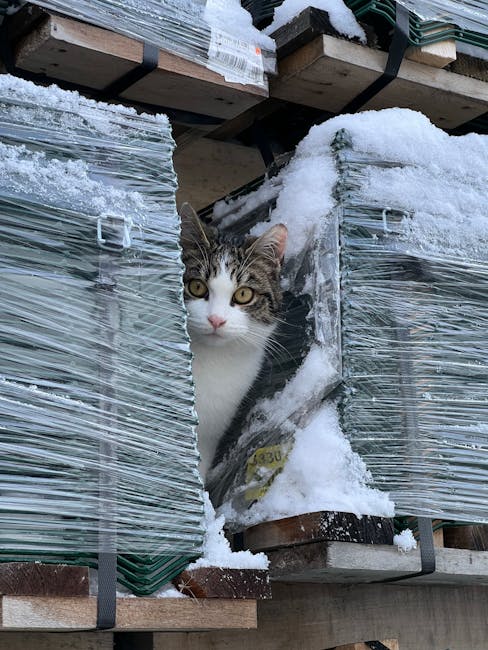
Cats have some natural defenses against the cold, like their thick fur and the ability to find cozy spots. But, can they really survive freezing temperatures? Generally, cats can tolerate temperatures as low as 45°F (7°C), but below this, they risk hypothermia and frostbite.
Consider providing extra warmth if your cat lives outdoors or spends a lot of time outside. A heated bed or insulated shelter can be lifesavers during winter. Remember, even indoor cats can get cold if your home isn’t well-heated.
Curious about how cold is too cold for your cat? Check their ears, tail, and paws. If they’re cold to the touch, it’s time to warm them up. Keeping your kitty comfortable in cold weather is crucial for their health and well-being.
Heat Tolerance
On the flip side, how does your cat cope with the heat? Cats are desert animals, so they can handle warmth better than cold. However, when temperatures soar above 90°F (32°C), they can struggle with heat exhaustion or heatstroke.
Ensure your cat has plenty of water and a cool spot to relax during hot days. Consider using fans or air conditioning to keep the indoor temperature pleasant. Cats often seek out tile floors or shady areas to beat the heat, so make sure these options are available.
Ever noticed your cat panting or drooling excessively on a hot day? These are signs of overheating. Act quickly by moving them to a cooler area and providing fresh water. Your cat’s comfort depends on your vigilance during sweltering temperatures.
What steps do you take to protect your cat from temperature extremes? Share your tips or experiences in the comments below. Keeping our feline friends safe and happy is always a top priority!
Weather Challenges
Cats endure diverse weather conditions. They survive cold temperatures by seeking warm places and snuggling up. In hot weather, they find shade and drink water to stay cool.
Weather can be a formidable force for our feline friends. Cats are resilient creatures, but they face their own set of challenges when it comes to different weather conditions. Whether it’s a sudden downpour or a fierce windstorm, understanding these challenges can help you better protect your cat. Let’s explore how rain, humidity, wind, and storms impact your furry companion.
Rain And Humidity
Rainy days can be tricky for cats. While some cats might dash through a drizzle unbothered, others shy away from even the tiniest raindrop. My own cat, Whiskers, refuses to step outside if there's a hint of rain. Does your cat do the same? Humidity can also pose a problem. It can lead to matted fur and skin irritations. Regular grooming and a dry space can help keep your cat comfortable. Have you noticed any changes in your cat's fur during humid weather?
Wind And Storms
Windy conditions can be unsettling for cats. The howling of the wind and flying debris can frighten them. A cozy indoor corner can provide much-needed security. Have you ever seen your cat’s reaction to a sudden gust of wind? Storms bring thunder and lightning, which can be terrifying for some cats. My neighbor’s cat hides under the bed at the first sound of thunder. Creating a safe, quiet space can help ease their anxiety. Have you prepared a storm-safe area for your cat? Understanding these weather challenges is crucial in ensuring your cat’s well-being. By taking proactive steps, you can help your cat navigate through different weather conditions safely. What strategies do you use to keep your cat safe during bad weather?
Health Risks In Severe Weather
As a cat owner, you might wonder how extreme weather can impact your feline friend. Whether it's sweltering heat or freezing cold, severe weather poses significant health risks to cats. Understanding these risks can help you take preventive measures to ensure your cat's safety.
Frostbite And Hypothermia
Just like humans, cats can suffer from frostbite in extremely cold weather. Frostbite occurs when the skin and tissue freeze, leading to severe damage. It often affects a cat's ears, tail, and paws. If your cat loves to roam outside, be vigilant about checking for signs of frostbite. White or pale skin, coldness, and swelling are indicators. If you suspect frostbite, consult a vet immediately.
Hypothermia is another danger lurking in freezing temperatures. Cats can become hypothermic when their body temperature drops significantly. Symptoms include shivering, lethargy, and in severe cases, unconsciousness. To protect your cat, ensure they have a warm shelter with blankets and heat sources. Limiting outdoor exposure during cold snaps can prevent hypothermia.
Heatstroke And Dehydration
On the other end of the spectrum, hot weather can lead to heatstroke in cats. Unlike humans, cats don't sweat to cool down. Heatstroke can occur rapidly, making it crucial to recognize symptoms like excessive panting, drooling, and weakness. If your cat shows these signs, move them to a cooler place and offer water.
Dehydration is another serious concern during hot weather. Cats need access to fresh water at all times. You might notice dry gums, sunken eyes, and reduced energy levels in a dehydrated cat. Consider placing multiple water bowls around your home. Adding ice cubes can make drinking more enticing for your cat.
Have you ever noticed your cat behaving differently during extreme weather conditions? It's essential to be aware of these risks and take proactive steps. Providing a safe environment can prevent these health issues from affecting your beloved pet. Are you prepared to protect your cat from severe weather?
Safe Environments
Creating a safe environment for cats is crucial for their well-being. Cats are curious creatures and love to explore. But their safety depends on the environment they live in. Weather conditions play a significant role in this. Ensuring they are safe from harsh weather is vital. Let's explore how to create a safe space for your feline friend.
Indoor Vs Outdoor Living
Indoor living offers cats a controlled environment. They are protected from extreme weather. Indoor cats are safe from rain, snow, and intense heat. They enjoy a stable temperature all year round. This reduces stress and keeps them healthy.
Outdoor living exposes cats to the elements. They face challenges like cold winters and hot summers. Outdoor cats need shelters to protect them. These shelters provide a warm place during winter. They also offer shade in the summer heat.
Creating Weather-proof Spaces
Weather-proof spaces keep cats safe from harsh conditions. For indoor cats, ensure your home is warm in winter. Use heating pads or cozy blankets. In summer, keep the environment cool. Fans or air conditioning help maintain comfort.
For outdoor cats, build sturdy shelters. Use materials that block wind and rain. Insulate the shelters for warmth. Ensure they have a dry place to rest. Include shaded areas to escape the sun. These measures create a safe outdoor space.
Weather-proofing ensures your cat's well-being. It provides comfort and safety throughout the year.
Role Of Breed And Genetics
Cats, much like humans, have unique traits influenced by their breed and genetics. These characteristics play a significant role in determining the types of weather they can endure. Understanding your cat's breed and genetic makeup can help you ensure their comfort and safety throughout the year. Have you ever noticed how some cats seem perfectly content lounging in the sun, while others prefer the cozy warmth of a heated blanket? Let's explore how different breeds adapt to varying climates.
Cold Climate Breeds
Certain cat breeds thrive in colder environments due to their thick fur and robust build. Breeds like the Norwegian Forest Cat and Siberian are designed for frosty conditions. Their dense fur acts as insulation, keeping them warm even in chilly weather.
These cats also have sturdy bodies that help retain heat. If you live in a colder region, these breeds may be a perfect fit for your home. But, don't forget to provide warm, sheltered spaces for them to retreat to when temperatures drop.
Heat Adapted Breeds
On the flip side, some breeds are more suited to warmer climates. The Siamese and Sphynx cats come to mind. Siamese cats have shorter fur that helps them cool down, while Sphynx cats have little to no fur, which makes them comfortable in heat.
These breeds may enjoy basking in the sun and have a higher tolerance for warmer weather. However, they also need protection from extreme heat. Consider how you can provide cool spaces and hydration to keep your heat-loving feline happy.
Have you ever wondered if your cat could handle a sudden change in weather? Knowing their breed specifics can be crucial to their well-being. Each breed has its own unique ability to adapt, but it's up to you to understand and cater to their needs. Consider what steps you can take to ensure your cat's comfort in the climate you live in.
Tips For Cat Owners
Cats are resilient creatures, but extreme weather can be challenging. As a cat owner, understanding how to keep your cat safe during harsh weather is crucial. Here are some tips to ensure your feline friend remains comfortable and safe.
Monitoring Weather Conditions
Check the weather forecast daily. Be aware of sudden changes. This helps you plan ahead. If storms or extreme temperatures are predicted, prepare accordingly. Keep your cat indoors during unfavorable conditions. Cats can be sensitive to cold and heat.
Protective Measures
Provide a warm shelter indoors. Use blankets or pet beds for extra warmth. Ensure your home is well-insulated. During hot weather, keep your home cool. Use fans or air conditioning. Place water bowls in different areas. Hydration is vital.
Consider adding a room humidifier. Dry air can irritate your cat's skin. For outdoor cats, create a sheltered area. Use a pet-safe heating pad if necessary. Make sure it's waterproof. This will provide comfort and warmth.
Frequently Asked Questions
Can Cats Survive In Cold Weather?
Cats can survive cold weather if it's not extreme. They have fur to help insulate them. However, they need shelter to stay warm. Prolonged exposure to freezing temperatures can be harmful. Always provide a warm, safe space for your cat during cold months to ensure their safety and comfort.
How Hot Is Too Hot For Cats?
Cats can tolerate heat up to a point. Temperatures above 85°F can be uncomfortable and dangerous. Ensure they have plenty of water and shade. Overheating can lead to heatstroke. Signs include excessive panting and lethargy. Always monitor your cat's behavior in hot weather to keep them safe.
Do Indoor Cats Handle Weather Changes Better?
Indoor cats are less exposed to extreme weather, offering some protection. However, sudden temperature changes indoors can still affect them. Ensure your home maintains a comfortable temperature. Use fans or heaters if needed. Indoor cats rely on their environment for comfort and safety from weather extremes.
Can Cats Survive In The Rain?
Cats dislike getting wet, but rain itself isn't harmful. However, prolonged exposure can lead to hypothermia. Always provide a dry, sheltered area for outdoor cats during rain. Indoor cats should stay inside during rainy conditions to avoid discomfort and potential health risks from getting wet.
Conclusion
Cats are resilient creatures. They adapt to various weather conditions. Cold temperatures may pose risks, but they often find warmth. Hot weather requires shade and hydration. Rain and snow challenge their comfort, yet survival instincts kick in. Always observe your cat's behavior.
Provide shelter in extreme weather. Regular vet visits help in maintaining their health. Understanding their needs ensures a safe environment. Cats thrive when cared for properly. Their survival depends on your attention and love. Keep them cozy and safe. Weather changes, but your care remains constant.