Imagine you're faced with an emergency. The adrenaline kicks in, your mind races, and you realize how crucial it is to have the right tools at your fingertips.
Your survival first aid kit is your lifeline in those critical moments. But what exactly do you need in it to ensure you're fully prepared? You might be surprised to learn that many kits are missing essential items. Are you confident yours has everything necessary to handle unexpected situations?
Dive into this article, and you'll discover the key components that could make all the difference in a crisis. Don't leave anything to chance—ensure your kit is equipped with more than just band-aids and antiseptic. Your safety depends on it.
Core Medical Supplies
Building a survival first aid kit demands careful planning. Core medical supplies form the backbone of any effective kit. These items help treat injuries and manage pain in emergencies. Ensure you have essential supplies to handle various situations efficiently.
Bandages And Dressings
Bandages and dressings protect wounds from infection. Include adhesive bandages of various sizes. Sterile gauze pads are crucial for larger cuts. Bandage rolls help secure dressings in place. Consider adding butterfly bandages for small, deep cuts. These supplies provide first-line defense against bleeding and infection.
Antiseptic Solutions
Antiseptic solutions clean wounds and prevent infection. Alcohol wipes are handy for small cuts and scrapes. Hydrogen peroxide is useful but can irritate wounds. Antiseptic creams offer soothing protection. Include iodine or antiseptic swabs for larger areas. These solutions maintain wound cleanliness.
Pain Relief Medications
Pain relief medications are vital in any first aid kit. Pack over-the-counter options like ibuprofen or acetaminophen. They reduce pain and swelling. Aspirin is useful for heart attack symptoms. Keep medications in a dry, labeled container. Having these medications provides comfort in emergencies.
Tools For Emergency
Having the right tools for emergency in your survival first aid kit is crucial. These tools ensure you are prepared for unexpected situations. Each item serves a unique purpose, aiding in treating injuries or assessing conditions. Below, explore essential tools that should be part of your kit.
Tweezers And Scissors
Tweezers help remove splinters or debris from wounds. They must be sturdy and precise. Scissors are necessary for cutting bandages or tape. Choose ones that are sharp and easy to handle. Both tools provide versatility in emergency care.
Thermometer
A thermometer measures body temperature accurately. It helps detect fevers or hypothermia. Choose a digital thermometer for quick readings. Ensure it's easy to read and reliable. This tool is vital for monitoring health changes.
Medical Tape
Medical tape secures bandages or dressings. It prevents wounds from reopening. Choose tape that sticks well but is easy to remove. It should be gentle on the skin. Medical tape ensures bandages stay in place during movement.
Essential Protective Gear
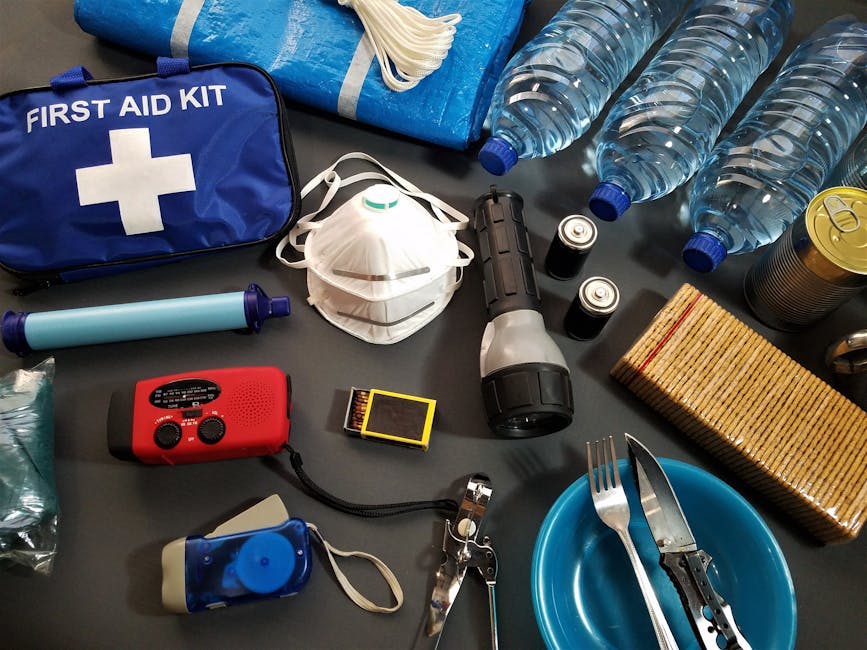
Survival first aid kits need essential protective gear like gloves, masks, and bandages. These items help prevent infections and injuries. Having a well-stocked kit ensures safety in emergencies.
When you think about a survival first aid kit, your mind might immediately jump to bandages and antiseptics. However, to truly be prepared, you need to consider essential protective gear. It's not just about treating injuries; it's also about preventing them. Imagine you're hiking, and a sudden storm kicks up dust and debris. Protective gear becomes your frontline defense against unexpected elements.
Gloves
Gloves are a crucial component of your survival first aid kit. They protect your hands from infections and contamination. Latex or nitrile gloves are ideal as they provide a barrier against bodily fluids. These gloves are lightweight and take up little space in your kit. Remember the time your friend had a cut, and you hesitated to help because you didn't want to risk infection? A pair of gloves could have made all the difference.
Face Masks
Face masks are more than just a pandemic staple; they protect against dust, allergens, and airborne pathogens. Imagine being caught in a dusty windstorm or a smoky environment. A face mask can be a lifesaver, ensuring you can breathe safely. Keep a few disposable masks or a reusable mask with filters in your kit. You never know when the air quality might take a sudden turn.
Eye Protection
Your eyes are vulnerable and need protection. In any survival scenario, safety goggles or glasses shield you from debris, chemicals, and other hazards. Think about that camping trip where you were gathering firewood and nearly got a speck of dirt in your eye. Eye protection might seem trivial until you need it. Lightweight and compact, they fit easily in your kit and provide immense peace of mind. By equipping your survival first aid kit with these essential protective gear items, you enhance your readiness for unforeseen challenges. What would it feel like to face an emergency with confidence, knowing you have the tools to protect yourself? Your preparedness today sets the stage for your safety tomorrow.
Specialized Medical Items
A well-prepared survival first aid kit includes essential specialized medical items like bandages, antiseptic wipes, and pain relievers. Include items like tweezers, scissors, and adhesive tape for versatility. Essential medications, such as antihistamines and anti-inflammatories, can help manage common emergencies effectively.
In a survival situation, having a well-stocked first aid kit is crucial. But beyond the basics, specialized medical items can make a significant difference in how effectively you handle emergencies. These items cater to specific medical needs that might arise, ensuring you are prepared for unexpected scenarios. Whether you're facing a severe burn, an allergic reaction, or a fracture, having the right supplies can be a lifesaver.
Burn Treatment Supplies
Burns can happen unexpectedly, whether you're cooking over an open flame or touching a hot surface. It's important to have burn treatment supplies ready to alleviate pain and prevent infection. Burn dressings, which provide a cooling effect and protect the wound, are essential. Consider adding hydrogel burn pads, which soothe the skin and promote healing. A bottle of aloe vera gel can be handy too; it's a natural remedy that helps reduce pain and inflammation.
Allergy Medications
Allergic reactions can range from mild to severe, and having the right medications is vital. If you or someone in your group is prone to allergies, pack antihistamines. They're effective against symptoms like sneezing and itching. An epinephrine auto-injector is a must-have for severe allergic reactions. It can be a lifesaver in anaphylactic emergencies. Don't forget to add eye drops for itchy, irritated eyes. You never know when pollen or dust might trigger discomfort.
Splints And Supports
Accidents happen, and bones can break or sprain. Splints and supports help stabilize injuries until you can get professional medical help. Foam splints are lightweight and moldable, providing support without adding bulk. Elastic bandages are versatile; they offer compression and support for sprains. Consider including finger splints for smaller injuries; they're easy to use and provide immediate relief. Do you have these specialized medical items in your kit? They could be the difference between a manageable situation and a medical emergency. Taking the time to add these supplies can offer peace of mind when you're far from help. How prepared do you feel for unexpected medical needs?
Emergency Communication Tools
Emergency communication tools are crucial in a survival first aid kit. They ensure you can signal for help in dire situations. These tools help you communicate with rescuers or nearby people. Having the right tools can make a big difference. Let's explore some essential emergency communication tools.
Whistle
A whistle is a small yet powerful tool. It helps you alert others to your location. The sound of a whistle travels far and cuts through background noise. It requires no batteries. It's lightweight and easy to carry. Attach it to your backpack for quick access.
Signal Mirror
A signal mirror is another important tool. It uses sunlight to flash signals to rescuers. This tool can be seen from long distances. It doesn't rely on power, making it reliable. Practice using a signal mirror before an emergency. Know how to aim the reflection toward help.
Emergency Contact Information
Keep emergency contact information in your kit. It should include names and phone numbers of key contacts. Also, include any medical conditions or allergies. This information can be vital for rescuers. Make sure it's easily accessible and protected from the elements.
First Aid Reference Materials
First aid reference materials are essential for any survival first aid kit. They provide guidance in emergencies when immediate medical help isn't available. Having these materials ensures you can respond quickly and correctly. They also boost confidence during stressful situations.
Instructional Guide
An instructional guide is a detailed booklet. It outlines step-by-step procedures for various medical situations. This guide is crucial for handling injuries like cuts, burns, or fractures. It includes illustrations for better understanding. The guide should be easy to read and water-resistant. This ensures durability in harsh conditions.
Quick Reference Cards
Quick reference cards offer concise instructions. They focus on common emergencies like choking, CPR, and bleeding. These cards are compact and easy to carry. Their laminated surface makes them durable. You can easily access them during emergencies. They serve as a quick reminder of vital steps. This can be life-saving when time is crucial.
Frequently Asked Questions
What Should Be In A Survival First Aid Kit?
A survival first aid kit should include bandages, antiseptic wipes, adhesive tape, tweezers, and pain relievers. It’s crucial to also have a CPR mask and a thermal blanket. Customize the kit with personal medications and consider adding a multi-tool and emergency contact information for comprehensive preparedness.
How Do I Organize My First Aid Kit?
Organizing your first aid kit involves categorizing items by use. Use small, clear bags or compartments for easy access. Label each section, such as "Wound Care" or "Medications. " Regularly check for expired items and replace them. Keep a checklist in the kit to ensure everything is included.
How Often Should I Update My First Aid Kit?
You should update your first aid kit every six months. Check for expired items and replenish used supplies. Regular updates ensure the kit remains effective. Also, adjust the contents based on seasonal activities or changes in family medical needs. Keeping your kit current is essential for safety.
Can I Customize My First Aid Kit?
Yes, you can customize your first aid kit to suit personal needs. Include essential medications and consider specific family health conditions. Add items like bug repellent or sunscreen based on your environment. Tailoring your kit ensures you are well-prepared for various situations and emergencies.
Conclusion
A well-stocked survival first aid kit is essential for safety. It prepares you for unexpected situations. Essentials include bandages, antiseptics, and pain relievers. Don't forget scissors and tweezers. Consider adding a first aid manual. This helps guide you through emergencies.
Customize your kit to fit your needs. Think about the environment you will be in. Recheck and update your kit regularly. Your safety depends on it. Preparedness gives peace of mind. Stay ready and protected. Remember, a good kit saves lives.
Keep it accessible at all times. This simple preparation can make a difference.