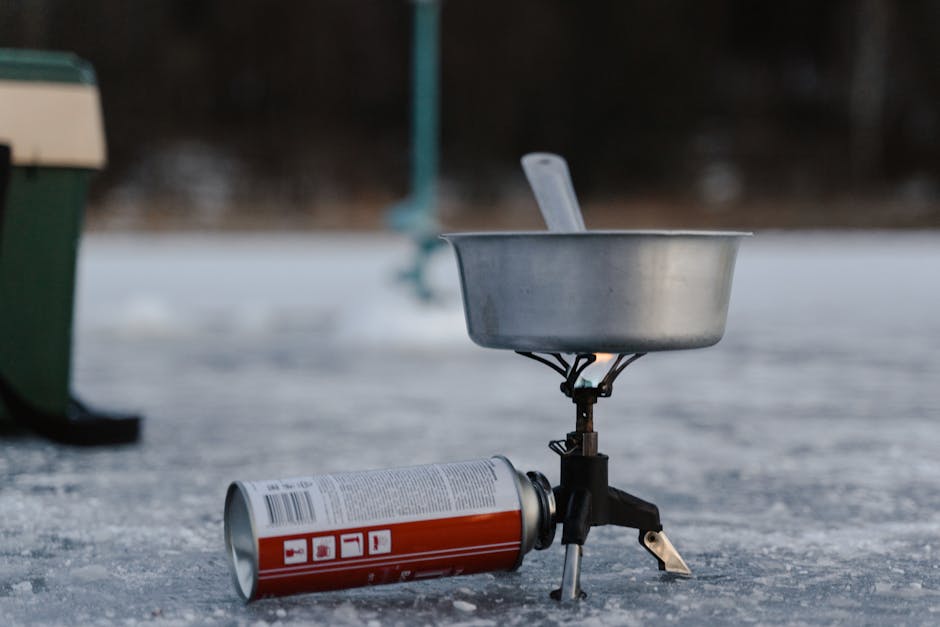
Imagine finding yourself in the wilderness, surrounded by the raw beauty of nature. The sun dips below the horizon, and you feel the temperature drop.
You need shelter, a safe haven to protect you from the elements. Building a survival shelter isn't just a skill—it's your lifeline. Whether you're an avid adventurer or someone interested in prepping for emergencies, knowing how to construct a reliable shelter can make all the difference.
This guide will teach you practical steps to create a shelter that can withstand the challenges of the wild. You'll learn techniques that not only increase your survival chances but also empower you with the confidence and peace of mind to face any situation. Ready to unlock the secrets of shelter building? Let's dive in and ensure you’re prepared for the unexpected.
Choosing The Right Location
Selecting the right spot is crucial for a survival shelter. Look for high ground, safe from flooding. Avoid areas with loose rocks or dead trees that might fall.
Choosing the right location for your survival shelter is crucial for both safety and comfort. A well-chosen site can mean the difference between a restful night's sleep and a night fraught with danger. You'll need to consider terrain, weather, and proximity to essential resources. Let's dive into these factors to ensure your shelter is not only practical but also strategically placed.
Assessing Terrain And Weather
When selecting your shelter location, start by assessing the terrain. Flat ground is ideal as it provides a stable foundation for your shelter. Avoid areas prone to flooding or those with loose rocks that could become hazardous. Weather plays a significant role too. Choose a spot that offers natural protection from harsh elements. Look for natural barriers like large rocks or dense trees that can shield you from wind and rain. Consider the sun's path. A location that gets morning sun can help warm your shelter, while afternoon shade can keep it cool. How does the terrain around you affect weather patterns?
Proximity To Resources
Access to resources can make or break your survival situation. Ensure your shelter is close to water sources, but not so close that you're at risk of flooding. A distance of about 200 feet is typically safe. You'll also need materials for building your shelter. Look for areas with an abundance of fallen branches, leaves, and other natural resources. This will save you time and energy. Consider nearby food sources. Are there signs of wildlife or edible plants? This could be crucial if you're planning to stay for an extended period. What resources are available in your chosen location to support your survival?
Types Of Survival Shelters
Survival shelters are crucial in emergency situations. They provide protection from the elements. Different types suit varying environments and resources. Knowing the right shelter type can save lives. Let's explore two main categories of survival shelters.
Natural Shelters
Natural shelters use the environment to provide safety. Caves are a prime example. They offer immediate protection from wind and rain. Fallen trees can also serve as natural shelters. Lean branches against a tree trunk to create a simple cover. Thick bushes or hedges can be useful too. They offer concealment and some protection from the wind.
Natural shelters require minimal tools. They rely on what nature offers. Always inspect for safety hazards. Check for wildlife or unstable structures. Natural shelters blend with the environment. They are less likely to be seen, offering stealth.
Man-made Structures
Man-made structures offer more control over materials and design. The lean-to is a classic example. It's easy to construct with a tarp or branches. Place one side against a solid object for support. A-frame shelters provide protection on two sides. They are stable and withstand harsh weather. Build them with sticks or tarps.
Wigwams or teepees are larger options. They require more materials but offer more space. Use poles and cover with branches or tarps. These are excellent for longer stays. Man-made structures can be customized. Choose based on available resources and environment.
Essential Materials And Tools
Gather sturdy branches, leaves, and grass. These materials create a strong base for a survival shelter. Useful tools include a knife and rope, essential for cutting and securing.
Building a survival shelter requires a blend of resourcefulness and practical know-how. Whether you're a seasoned adventurer or a curious beginner, understanding the essential materials and tools can make all the difference. Imagine you're stranded in the wilderness; knowing what to gather and how to use it efficiently could be your lifeline. Let's dive into the essentials that will help you construct a reliable shelter, ensuring safety and comfort amidst nature's unpredictable elements.
Gathering Natural Materials
Start by surveying your surroundings. What can you use? Look for sturdy branches, leaves, and grass. These elements are often abundant and can serve as both the framework and insulation for your shelter. Choose branches that are strong and long enough to support the structure. Look for dry leaves and grass to provide insulation against cold and dampness. If you find pine needles, they can be an excellent waterproof layer. Think about the accessibility of these materials. Don't spend hours searching for the perfect stick. Make do with what's available and adapt accordingly. Sometimes, the simplest materials can yield the most effective results.
Must-have Tools
You'll need a few basic tools to make the shelter-building process smoother. A good knife is invaluable for cutting branches and carving stakes. Choose one that's durable and easy to handle. If you have a hatchet or a small axe, chopping wood becomes a breeze. These tools save time and energy, allowing you to focus on the shelter's design rather than struggling with stubborn branches. Consider carrying a roll of cord or rope. It's lightweight and can be used to tie structural elements together securely. In a pinch, it can also be used to create a makeshift pulley or to hang gear. Reflect on past experiences—have you ever struggled with inadequate tools? Having the right equipment can transform a daunting task into an achievable goal. What would you add to your survival toolkit?
Building Techniques
Crafting a survival shelter involves using natural materials like branches and leaves. Choose a dry, safe spot. Focus on insulation and structure to protect against weather.
Building a survival shelter demands not only skill but also creativity. The right techniques can transform a challenging situation into a manageable one. Understanding basic building techniques can make all the difference between a cold, uncomfortable night and a cozy, secure haven. Let's break down some key elements to consider when constructing a reliable survival shelter.
Foundation And Structure
A strong foundation is crucial for any shelter. Choose a location that is both dry and flat to prevent water from seeping in. Use sturdy materials like logs or branches to create a basic frame. Think of it like assembling a simple puzzle; each piece must fit snugly to ensure stability. For the structure, consider the classic lean-to design. This involves leaning branches against a central support, like a fallen tree or a rock. It's simple yet effective. Personal experience taught me that having the structure slightly inclined can help rainwater run off instead of pooling on top. Ever tried building a flat-roofed shelter in the rain? It's a lesson you won't forget!
Roofing And Insulation
The roof is your primary defense against the elements. Use overlapping branches and leaves to create a waterproof layer. Remember, the thicker the roof, the better the protection. You wouldn't want to wake up drenched in the middle of the night. Insulation is vital for warmth, especially in colder climates. Use leaves, moss, or grass to insulate the interior of your shelter. This not only retains heat but also adds a touch of comfort. Have you ever noticed how a thick layer of leaves feels cozy and warm? Try it—it’s nature’s very own blanket. What other natural materials could double as insulation? Challenge yourself to get creative with the resources available. You’ll be surprised at how effective nature's tools can be when used thoughtfully. Building a survival shelter is about more than just construction; it's about understanding and working with your environment. By mastering these techniques, you can create a shelter that feels like a second home, no matter where you are.
Safety And Comfort
Crafting a survival shelter ensures safety and comfort in the wild. Utilize natural materials like leaves and branches for insulation. Position the shelter to avoid wind and rain, ensuring it remains warm and dry.
Building a survival shelter is crucial for staying safe and comfortable outdoors. The shelter protects you from harsh weather, wild animals, and other environmental hazards. Ensuring safety and comfort in your shelter can make a significant difference in survival situations. Let's explore essential tips for maintaining fire safety and enhancing comfort within your shelter.
Fire Safety Tips
Fire can be a lifesaver in survival situations. It provides warmth, cooks food, and signals for help. But, fire safety is crucial to prevent accidents. Always build your fire outside the shelter. This prevents smoke inhalation and reduces fire hazards. Keep your fire at a safe distance from the shelter. A few feet away is ideal. Use rocks to create a fire ring. It keeps the fire contained. Always have a water source or sand nearby. This helps extinguish the fire quickly if needed. Never leave a fire unattended. It's a simple rule that saves lives.
Enhancing Comfort
Creating a comfortable shelter boosts morale and energy. Start with a solid ground cover. Use leaves, branches, or grass for insulation. It keeps the cold ground at bay. Choose a site with natural windbreaks. Trees or rocks work well. This reduces wind chill and increases warmth. Ensure your shelter has proper drainage. Avoid water pooling by choosing higher ground. Consider using a tarp or poncho for a roof. It offers extra protection from rain. Keep your shelter organized. A tidy space makes life easier and stress-free.
Weatherproofing Strategies
Building a survival shelter involves effective weatherproofing strategies. Use natural materials like leaves and branches to insulate. Secure tarps tightly to keep rain and wind out.
Creating a survival shelter isn't just about putting together a few branches and leaves. Weatherproofing is crucial to ensure your shelter can withstand the elements. Whether you’re dealing with rain, wind, or fluctuating temperatures, each presents its own challenges. So, how can you ensure your shelter stands strong against nature's tests? Let's dive into some actionable strategies.
Dealing With Rain And Wind
Rain can easily turn a cozy shelter into a soggy mess. Choose a location that’s naturally elevated or has good drainage to avoid water pooling. Use large leaves or bark to create a slanted roof, directing rain away from the shelter. Wind can be relentless, so position your shelter against a natural windbreak like a rock or a fallen tree. Reinforce your structure with additional branches or even stones, ensuring it remains sturdy during gusty conditions.
Temperature Regulation
Maintaining a comfortable temperature inside your shelter is vital. Insulate the floor with leaves or pine needles to prevent cold from seeping in. Consider building a small fire nearby, reflecting heat into your shelter using rocks or a makeshift wall. However, ensure proper ventilation to avoid smoke accumulation. Have you ever felt the chill creeping in despite layers of clothing? Use this experience to remind yourself of the importance of proper insulation. It could make the difference between a restful night and a shivering one. By thinking ahead and employing these weatherproofing strategies, you can transform your survival shelter into a secure haven. What other creative methods can you think of to protect against the elements?
Common Mistakes To Avoid
Building a survival shelter is crucial for protection in the wild. While constructing one, many make common mistakes. These mistakes can compromise safety and comfort. Understanding these errors helps in building a better shelter.
Ignoring Location Factors
Choosing the right location is vital. Many overlook nearby hazards. Avoid areas near water sources. These can flood easily. Stay away from steep slopes. They can lead to landslides. Check for insect nests. They can be a nuisance or dangerous. Ensure the site is flat and dry. This ensures stability and comfort.
Overlooking Structural Integrity
Structural integrity is essential for a sturdy shelter. Some use weak materials. This can cause collapses. Use strong branches for the frame. Secure them tightly. Avoid heavy roofs. They can cave in under pressure. Ensure walls are well-supported. This prevents them from falling. Regularly check for weak points. Reinforce them as needed.
Testing And Maintenance
Testing and maintenance are crucial in building a survival shelter. Regular checks ensure stability and safety, preventing future issues. Inspect materials and structure frequently to maintain durability and effectiveness.
Testing and maintaining your survival shelter is not just a task—it's essential for your safety. The environment is unpredictable, and a shelter that seems sturdy today might not hold up tomorrow. Regularly checking and maintaining your shelter ensures that it remains a reliable refuge when you need it most.
Regular Checks
Make it a habit to inspect your shelter frequently. Look for signs of wear and tear, such as weakened structures or loose coverings. Are there any new animal tracks or signs of weather damage? A quick scan can reveal what needs attention. Set a schedule for these checks. Maybe every weekend or after a heavy storm. Consistency helps you catch problems early. Remember the time you ignored a small leak in your roof, only to have it pour during the next rain? You don't want that happening in a survival situation.
Repairing Damages
Once you've identified a problem, act fast. A small tear in your tarp or a broken branch in your framework can lead to bigger issues. Gather your tools and materials before you start. This could include duct tape, rope, or even natural materials like vines or branches. Have a plan for how to address each type of damage. Think about the last time you repaired something and how good it felt to fix it right. Apply the same diligence here. Your shelter is your lifeline, and keeping it in top condition is non-negotiable. Consider this: if your shelter fails, what’s your backup plan? Addressing repairs promptly can save you from needing one.
Frequently Asked Questions
What Materials Are Best For A Survival Shelter?
Natural materials like branches, leaves, and stones are ideal for a survival shelter. They provide insulation and camouflage. Use tarps or plastic sheets for added waterproofing. Choose materials that are readily available in your environment. This ensures quick construction and effective protection against elements.
How Do I Choose A Shelter Location?
Select a location that's dry and elevated to avoid flooding. Ensure it's near a water source for convenience. Look for natural windbreaks like rocks or trees. Avoid areas with dead trees that might fall. A safe, accessible spot enhances your shelter’s effectiveness.
How Can I Insulate A Survival Shelter?
Use layers of leaves, moss, and pine needles for insulation. These materials trap air and provide warmth. Add extra layers to the roof and floor. Insulation is crucial to maintain body heat and ensure comfort in cold conditions.
What Are The Essential Tools For Building A Shelter?
Basic tools include a knife, axe, and cordage for binding materials. A saw can expedite the process. These tools help in cutting, shaping, and securing materials. Always carry them in your survival kit for efficient shelter building.
Conclusion
Building a survival shelter is essential for safety outdoors. Start with basic materials like branches and leaves. Choose a location away from hazards. Make sure your shelter is sturdy and waterproof. Keep the entrance small to retain heat. Practice building shelters often to improve your skills.
Each attempt makes you more prepared. Being ready can save lives during unexpected situations. Always remember the importance of shelter in survival scenarios. It protects from weather and wild animals. Your shelter becomes your home in the wild. Stay safe and prepared for whatever nature throws your way.