Have you ever wondered how long you could survive in 15-degree weather? This question might seem simple, but the answer is more complex and intriguing than you might think.
Understanding your body's limits and how to protect yourself in chilly conditions can be life-saving knowledge. Whether you're planning a winter adventure or just curious about the cold, it's crucial to know how your body responds to frigid temperatures. We'll explore the factors that influence your survival time and share practical tips to help you stay safe.
Prepare to uncover the surprising truths about cold weather survival that you never knew you needed.
Human Body Limits In Cold
Ever wondered how long you can survive in 15-degree weather? It's a chilling thought, quite literally. The human body is incredibly resilient, but it has limits, especially in cold conditions. Understanding these limits can help you prepare and stay safe. Let's dive into how cold affects your health and the risks of hypothermia.
Effects Of Cold On Health
Cold weather can take a toll on your body in ways you might not expect. Your body works hard to keep warm, burning calories and increasing your heart rate. This might sound like a workout, but it's far from healthy.
Imagine your hands turning numb or your skin getting frostbite. These are real effects of exposure to cold. You might even notice your mood shifts; ever felt grumpy on a freezing day? Cold can impact your mental health too.
Your immune system also gets a hit. Cold weather can make you more susceptible to illnesses. Your body is busy fighting the cold, leaving less energy to fight off germs.
Hypothermia Risks
Hypothermia is a serious risk in cold weather. It occurs when your body loses heat faster than it can produce it. Your normal body temperature drops to a dangerous level.
Think of being stuck in 15-degree weather without proper clothing. Your body starts to shiver, an attempt to generate heat. But if you're exposed for too long, shivering stops, and confusion sets in.
You might feel oddly warm as hypothermia progresses, a deceptive sign. This is your body giving in to the cold. Would you recognize these symptoms if you were in this situation?
Preparation is key. Layer up and keep moving to maintain your body heat. Always have a plan to get to warmth quickly if needed. Could your current winter wardrobe save your life?
Understanding your body's limits in the cold can make a difference. Stay informed, stay warm, and keep your health in check when the temperature drops. How will you prepare for the next cold snap?
Essential Clothing For Cold
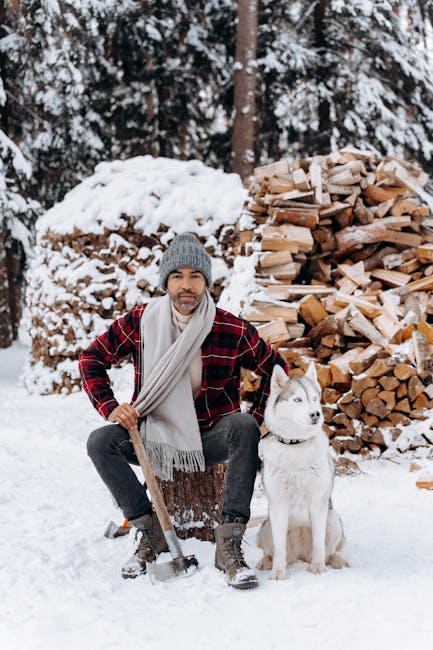
Staying warm in 15-degree weather is crucial. Layered clothing helps retain body heat and prevent hypothermia. Essential items include thermal underwear, insulated jackets, and wool socks.
Surviving in 15-degree weather requires the right clothing. Proper attire can mean the difference between comfort and danger. Dressing warmly is crucial to stay safe and healthy. It's not just about wearing thick clothes. It's about choosing the right materials and techniques.
Layering Techniques
Layering is the key to staying warm in cold weather. Start with a base layer to wick away sweat. This layer should fit snugly. A thermal shirt or leggings work well. The second layer is for insulation. Fleece or wool are great choices. These materials trap heat and keep the body warm. The outer layer should protect against wind and moisture. A waterproof jacket with a hood is ideal. Remember, layers should be easy to add or remove.
Insulation Materials
Insulation is important in cold climates. Wool is a natural option. It's warm and breathable. Wool socks and sweaters are excellent choices. Fleece is another good material. It's lightweight yet provides warmth. Down is popular for jackets. It offers great warmth but can be expensive. Synthetic materials like polyester are cost-effective. They dry quickly and insulate well. Choose the right material for each layer to stay warm and comfortable. `
Shelter Options
Facing 15-degree weather challenges survival skills. Shelter becomes crucial for warmth and protection. Without it, hypothermia risks increase rapidly.
Surviving in 15-degree weather requires not just grit but smart strategies, especially when it comes to finding shelter. Adequate shelter can mean the difference between life and death in freezing conditions. Here, we explore practical shelter options that can keep you protected and warm.
Building A Temporary Shelter
Constructing a temporary shelter is a crucial skill. Think about using materials you have on hand. A tarp or emergency blanket can be lifesavers. Find a location sheltered from the wind. Utilize branches and leaves to add extra insulation. Ensure the entrance faces away from the wind to minimize exposure. You can create a simple A-frame with a ridgepole and fallen branches. Layer it with debris for warmth. This setup can trap body heat effectively.
Using Natural Features
Nature offers excellent shelter options if you know what to look for. A rock overhang or cave can provide immediate refuge. Always check for wildlife or hazards before settling in. Look for dense trees or thick bushes. They can act as windbreaks and provide a layer of insulation. Snow can also serve as a natural insulator. Dig a trench in a snowbank for a makeshift snow cave. Consider the terrain. Hills can block wind and offer a more stable temperature. Have you ever spent a night under a dense canopy? It’s surprisingly warmer. How do you feel about using what's around you to stay safe? The key is to stay observant and adaptable. In survival situations, creativity can be your best ally.
Food And Water Considerations
Facing the cold in 15-degree weather demands preparation. Food and water are crucial for survival in harsh conditions. Staying hydrated and maintaining energy levels are key for enduring the cold.
Staying Hydrated
Cold weather can trick you into forgetting hydration. Despite the chill, your body loses water through sweat and breathing. Drinking regularly helps keep your body functioning. Warm drinks like tea or soup are comforting and hydrating. These options can also warm you internally.
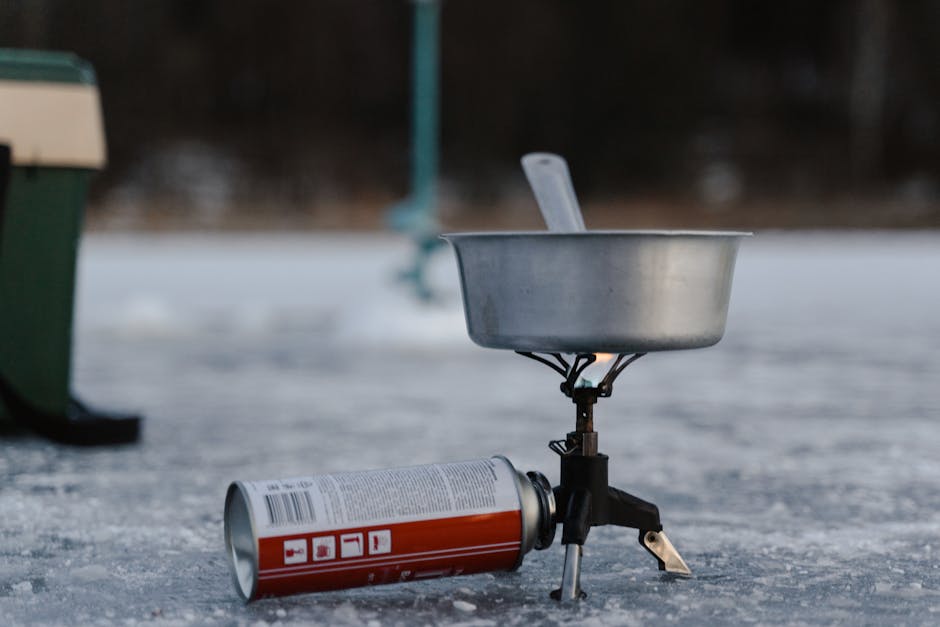
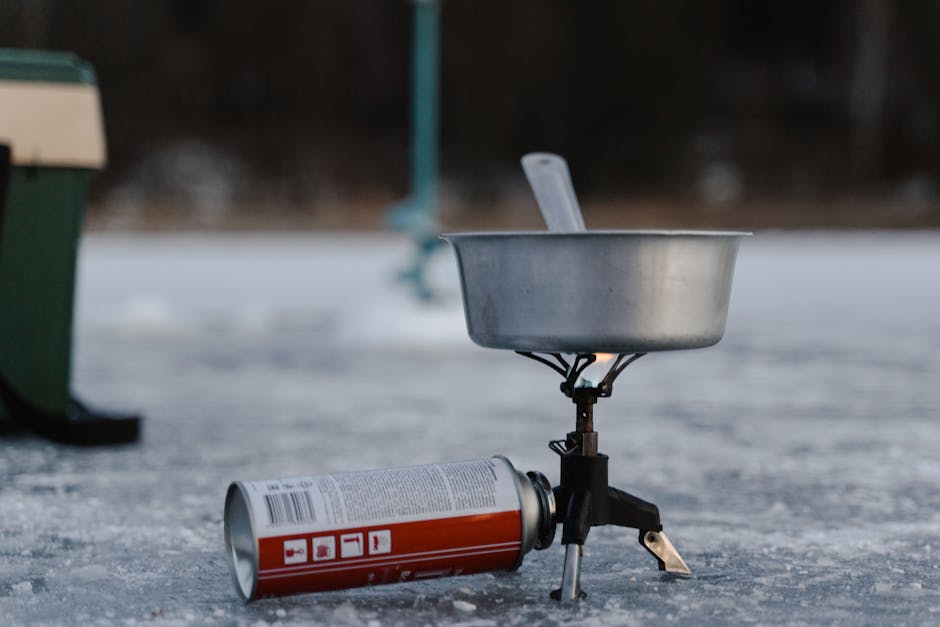
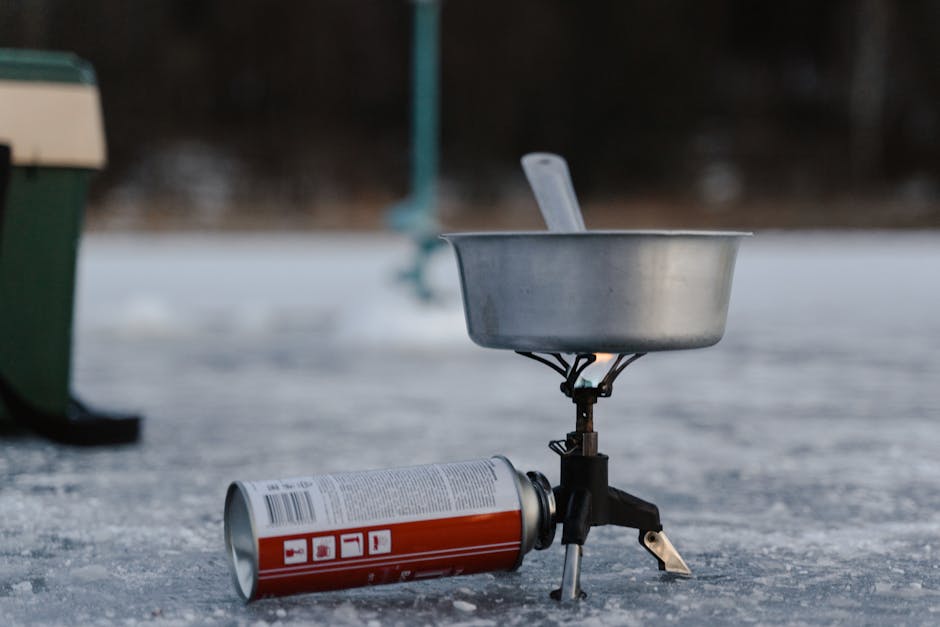
Snow can be a water source but requires melting. Be cautious when consuming snow directly as it lowers body temperature. Having a portable stove or fire can help melt snow safely.
Caloric Intake Needs
Cold weather increases calorie needs. Your body burns more calories to maintain warmth. Eating high-energy foods supports your metabolism. Foods rich in carbohydrates and fats are excellent choices. Nuts, seeds, and dried fruits are portable and nutritious.
Protein is vital for muscle maintenance. Consider jerky or canned beans for protein intake. Plan meals that offer balanced nutrients. Regular meals keep energy levels stable.
Preparing food in advance can save time and effort. Easy-to-cook meals are ideal. A camping stove or fire can assist in cooking. Warm meals provide comfort and energy.
Fire Starting Techniques
Surviving in extreme cold requires preparation. Emergency preparedness is key. Equip yourself with essential knowledge and tools. This ensures safety in harsh weather conditions.
First Aid Essentials
Carrying a first aid kit is crucial. It includes bandages, antiseptic wipes, and pain relievers. These items treat minor injuries immediately. Add thermal blankets to prevent hypothermia. They retain body heat effectively. Learn basic first aid skills. Knowing CPR can save lives in emergencies.
Signaling For Help
Being able to signal for help is vital. Carry a whistle to alert rescuers. Its sound travels far in open areas. Use mirrors to reflect sunlight. This catches the attention of search teams. A flashlight can signal at night. Ensure it has fresh batteries. Familiarize yourself with local distress signals. This improves chances of being found.
Emergency Preparedness
Surviving in 15-degree weather depends on clothing, shelter, and physical condition. Warm layers and wind protection are crucial. Hypothermia can set in quickly without proper gear.
Mental resilience plays a crucial role when facing the challenges of surviving in 15-degree weather. While physical preparedness is essential, your mind can be your strongest ally. How you think and react can make a significant difference in your ability to endure the cold. Let's delve into how staying calm and maintaining a positive mindset can bolster your mental resilience in harsh conditions.
Staying Calm
When the biting cold surrounds you, panic might be your first instinct. But staying calm can be your greatest strength. In moments of discomfort, take slow, deep breaths. This simple act can lower your stress levels and help you think clearly. Remind yourself that your body is capable of handling low temperatures for a period of time. You might recall a time when you endured a chilly day without much trouble. This memory can provide reassurance. Consider asking yourself, "What can I control right now?" Focusing on controllable factors like finding shelter or conserving energy can shift your mind away from fear and towards actionable steps.
Positive Mindset
A positive mindset is more than just seeing the glass half full; it's about actively choosing your thoughts. When faced with challenging weather, replace negative thoughts with positive affirmations. Tell yourself, "I am strong," or "I can adapt to this environment." Think about explorers who have braved extreme conditions. Knowing others have succeeded can inspire confidence in your own abilities. Visualize a warm place or a comforting memory. This mental picture can offer a psychological warmth that helps you endure the cold. Reflect on the benefits of this experience. Surviving harsh weather can teach you valuable lessons about resilience and resourcefulness. Recognizing these lessons can transform the situation from a challenge to an opportunity for growth. Ultimately, mental resilience is about harnessing your inner strength and staying focused on the positives. What strategies will you adopt to keep your mind strong when the temperature drops?
Frequently Asked Questions
How Does Body React In 15 Degree Weather?
In 15-degree weather, the body loses heat rapidly. Shivering is the body's natural response to generate warmth. Prolonged exposure can lead to hypothermia. It's crucial to wear layered clothing to retain body heat. Protecting extremities like fingers and toes is essential to prevent frostbite.
Can You Survive Overnight In 15 Degree Weather?
Surviving overnight in 15-degree weather is possible with proper preparation. Ensure you have warm clothing and a quality sleeping bag. Insulation from the cold ground helps retain body heat. Avoid wet clothing as it accelerates heat loss. Staying dry and sheltered is crucial for survival.
What Clothes Are Best For 15 Degree Weather?
Layered clothing is best for 15-degree weather. Start with moisture-wicking base layers to keep dry. Add insulating layers like wool or fleece for warmth. Top it off with a windproof and waterproof outer layer. Insulated gloves, hats, and thermal socks are essential for extremity protection.
How Does Wind Chill Affect Survival Time?
Wind chill increases the rate of heat loss from the body. It can make 15-degree weather feel much colder. This accelerates the onset of hypothermia and frostbite. Dressing appropriately and minimizing skin exposure is critical. Windproof clothing helps reduce the effects of wind chill.
Conclusion
Surviving in 15-degree weather requires preparation and awareness. Dress in layers. Keep warm and dry. Limit time outside to prevent frostbite. Always stay hydrated. Pay attention to signs of hypothermia. Seek shelter if you feel cold. Being prepared helps you stay safe.
Knowing the risks is crucial for survival. Keep emergency supplies handy. Make sure to check weather forecasts regularly. Stay informed and ready for sudden changes. Your safety depends on smart choices. Remember, staying warm is a priority. Stay safe and protect yourself in cold weather.