When you think of palm trees, you probably imagine sun-kissed beaches and tropical getaways. But what happens when these iconic symbols of warmth face freezing weather?
If you're a palm tree enthusiast or just curious about their resilience, you're in the right place. We will explore how long palm trees can endure cold temperatures and what you can do to protect them. Understanding their survival tactics might surprise you, and could even save your beloved palms from an unexpected frost.
Keep reading to uncover the secrets to keeping your palms thriving, even when the mercury drops.
Palm Trees And Cold Climates
Palm trees symbolize tropical landscapes and warm weather. But many wonder about their survival in colder climates. Can palm trees withstand freezing temperatures? Some species can adapt to the cold, while others struggle. Understanding their resilience helps gardeners make informed choices.
Understanding Palm Tree Varieties
Different palm tree varieties have unique characteristics. Some thrive in tropical zones, while others adapt to cooler regions. It's crucial to know which type you have. Cold-hardy palms, like the Windmill Palm, can survive low temperatures. Tropical palms, such as the Coconut Palm, prefer warmth. Knowing your palm's variety helps predict its cold tolerance.
Cold Tolerance Levels
Cold tolerance in palm trees varies widely. Some can survive temperatures as low as 5°F. Others need temperatures above freezing to thrive. The Windmill Palm, for example, tolerates frost and snow. The Needle Palm can endure temperatures down to -5°F. Tropical varieties usually suffer in freezing weather. Check your palm's cold tolerance before planting in a cold climate. Proper care and location can improve a palm's chances of survival.
Effects Of Freezing Temperatures
Palm trees are known for their resilience and tropical beauty. But freezing temperatures can challenge their survival. Understanding the effects of cold weather on palm trees is crucial for their care. Freezing temperatures can cause immediate and long-term damage. Let's explore how these trees react to the cold.
Immediate Impact On Palm Trees
Cold air can shock palm trees. Leaves may turn brown quickly. Ice crystals can form on the leaves. This damages the cells inside. The tree's growth slows down. New leaves might stop forming. Roots may also be affected. Cold soil can hinder nutrient absorption. This weakens the tree's overall health.
Long-term Damage Risks
Extended cold spells can cause lasting harm. Trunk cracks may appear over time. These cracks weaken the tree's structure. Fungal infections might set in. They thrive in weakened trees. Leaf loss can become permanent. The tree might struggle to recover. Growth rates may decrease significantly. Long-term exposure to freezing can be fatal.
Signs Of Cold Damage
Palm trees often thrive in warm climates, but freezing weather can harm them. Understanding the signs of cold damage helps in taking timely action. Identifying these signs is crucial for protecting your palm trees. Let's explore the visual and health indicators of cold damage.
Visual Indicators
Leaves may turn brown or black, indicating frostbite. Look for drooping or wilting fronds. Ice crystals can form on the surface, causing shiny patches. The trunk might show cracks or splits. Discoloration often appears on the leaves first. These visual signs are the first alerts of cold damage.
Growth And Health Changes
Cold stress can stunt new leaf growth. Growth may slow down or stop completely. The palm might produce smaller, weaker fronds. Root damage can occur, affecting the tree's stability. You might notice the tree leaning or tilting. Health changes often follow visual damage, indicating deeper issues.
Protection Strategies
Palm trees add beauty to any landscape. Yet, freezing weather poses a threat. Implementing protection strategies can help your palm trees survive the cold. These strategies include preventive measures and emergency actions.
Preventive Measures
Start by choosing cold-hardy palm tree varieties. These types withstand lower temperatures better. Proper placement is also crucial. Plant trees in spots shielded from strong winds. Use mulch around the base to retain warmth. Watering the trees before a freeze helps. Moist soil holds heat longer than dry soil.
Another tip is to wrap the trunk in burlap or frost cloth. This insulates the tree from cold air. You can use heat lamps for extra warmth, too. Ensure they are safe and not too close to the tree.
Emergency Actions
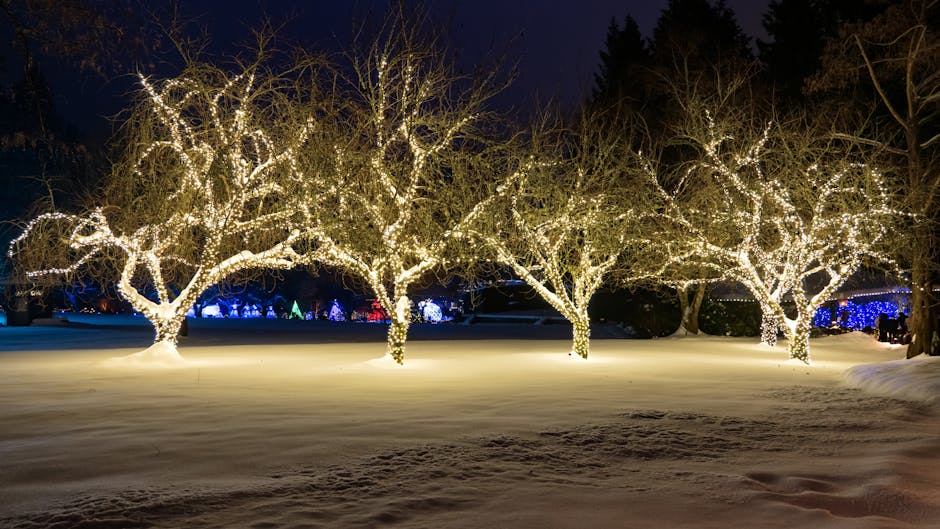
Unexpected frosts require quick action. Cover palm fronds with blankets or tarps. This shields them from freezing temperatures. Remove coverings during the day to allow sunlight in. You can use Christmas lights for gentle heat. Wrap them around the tree, ensuring they are non-LED. LED lights do not emit much heat.
Trim damaged fronds after the frost passes. This helps prevent disease and encourages new growth. Always monitor the weather forecast. Being prepared can save your palm trees from severe damage.
Recovery And Care
Palm trees face challenges in freezing weather but can survive for short periods. Quick recovery measures, like wrapping trunks and providing heat sources, are essential for their care. Protecting roots with mulch can further enhance resilience against cold conditions.
Caring for a palm tree after it has faced freezing weather can seem daunting, but with the right steps, you can help it recover. Understanding how to revive your palm and what care it needs post-freeze is crucial. Let’s dive into practical tips that can make a difference in your palm’s recovery journey.
Reviving Damaged Palms
If your palm looks battered by the cold, don't lose hope. Begin by examining the leaves. Are they brown and droopy? Trim away the severely damaged fronds to prevent any rot from spreading. Focus on the heart of the palm, the center where new growth emerges. If this area is green, your palm has a fighting chance. Once, after a particularly cold winter, I noticed my palm’s heart was still alive, and with care, it bounced back in spring.
Post-freeze Care Tips
Your palm needs a bit of extra love after a freeze. Water it properly. While overwatering can harm, keeping the soil slightly moist helps recovery. Consider applying a slow-release fertilizer in spring. This will give your palm the nutrients it needs to regain strength. Patience is your ally. Recovery can be slow, sometimes taking several months. But isn’t it worth the wait to see your palm flourish again? If you’re uncertain about your palm’s health, consult a local expert. They can provide advice tailored to your climate and palm species. In caring for your palm, you’re not just helping a tree. You’re learning resilience and nurturing life, both in your garden and in yourself. So, are you ready to give your palm the care it deserves?
Choosing Cold-hardy Palm Varieties
Cold-hardy palm varieties withstand freezing weather for varying durations. Some species survive brief freezes, while others endure longer cold spells. Choosing the right palm for your climate ensures better survival rates during harsh winters.
Choosing palm trees that withstand freezing weather is crucial. You want your landscape to thrive, even in chilly climates. Cold-hardy palm varieties offer resilience and beauty. These palms can survive lower temperatures with grace. Selecting the right species ensures your garden remains lush, even when frost bites. This section explores cold-resistant palm species and factors you should consider.
Popular Cold-resistant Species
Windmill palm trees endure cold temperatures well. They thrive in zones where others falter. Needle palms also showcase impressive cold tolerance. Their stout leaves offer protection against frost. Sabal minor palms withstand harsh winters. They grow naturally in southern areas, showcasing durability. European fan palms flourish in cooler climates. Their adaptability makes them a favorite choice.
Factors To Consider
Understand your local climate before choosing a palm. Some areas experience unexpected frosts. Soil type affects palm survival during cold spells. Well-drained soil helps prevent root damage. Consider the palm's maturity at planting. Young palms may struggle in cold weather. Placement in your garden influences survival. Sheltered spots offer more protection from cold winds. Your maintenance routine impacts palm longevity. Proper care ensures healthy growth and resilience.
Frequently Asked Questions
Can Palm Trees Survive Freezing Temperatures?
Palm trees can survive short periods of freezing temperatures, but prolonged exposure can be harmful. Cold-hardy varieties, like the Windmill Palm, can withstand colder climates better. Ensuring proper care, such as mulching and wrapping, can help protect them during cold spells.
What Temperature Can Palm Trees Tolerate?
Most palm trees can tolerate temperatures as low as 20°F (-6°C). However, cold-hardy varieties can survive even lower temperatures. It's crucial to know your specific palm tree species and its cold tolerance for adequate protection during freezing weather.
How Do Freezing Temperatures Affect Palm Trees?
Freezing temperatures can damage palm tree fronds and roots. Prolonged exposure can lead to discoloration, wilting, and even death. Protecting palm trees with proper insulation and care can help minimize the damage caused by freezing weather.
How To Protect Palm Trees From Frost?
To protect palm trees from frost, wrap the trunk with burlap or frost cloth. Mulching around the base can also help insulate the roots. Watering the soil before a freeze can provide additional warmth. Covering the entire tree with a frost blanket is beneficial.
Conclusion
Palm trees face challenges in freezing weather. Survival depends on the species. Some tolerate cold better than others. Protection methods can help. Covering them or using heat lamps works. Choosing the right palm for your climate is crucial. Careful planning makes a difference.
Watch weather forecasts closely. Act quickly when temperatures drop. The right care ensures palm trees thrive. Understanding their needs helps them survive. With attention, they can endure cold spells. It all comes down to preparation and knowledge. Keep your palm trees healthy and vibrant.
They’ll reward your efforts with beauty and shade.