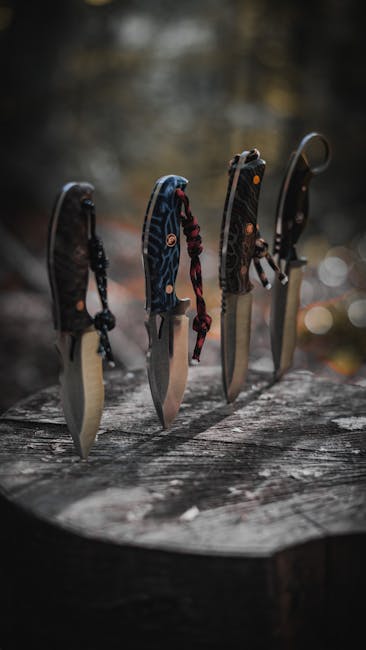
When choosing a survival knife, the type of steel used can make all the difference. You've likely come across 440C steel in your search, and you might be wondering how it measures up.
Is it the best choice for your outdoor adventures, or should you consider other options? This article will reveal why 440C steel has become a popular choice among survivalists and what it means for your next purchase. By understanding the strengths and weaknesses of 440C steel, you can make a more informed decision.
So, are you ready to find out if 440C steel is the right fit for your survival needs? Let’s dive in and uncover the truth behind this widely used material.
440c Steel Composition
440C steel offers a balanced mix of hardness and corrosion resistance, making it ideal for survival knives. Its durability ensures long-term use in tough outdoor conditions. Reliable and strong, this steel type supports various survival tasks effectively.
Understanding the composition of 440C steel is crucial if you're considering it for your survival knife. This steel is renowned for its excellent balance between hardness and corrosion resistance. It's a popular choice among knife enthusiasts and survivalists alike. But what exactly makes 440C steel stand out? Let's dive into its composition and see how it impacts the performance of your knife.
Carbon Content
Carbon is a key element in steel, and 440C has a high carbon content. This contributes to its hardness and edge retention. You’ll find it holds up well when you need to cut through tough materials in survival situations. However, the high carbon can also make it prone to brittleness if not properly tempered. This is why many prefer 440C for its sharp edge, but always handle it with care.
Chromium Elements
The chromium content in 440C steel is what gives it superior corrosion resistance. Are you often in wet or humid environments? Then this is a significant advantage. Chromium forms a protective layer on the surface, preventing rust. It's like having a built-in shield for your knife. You can trust your blade to remain reliable in adverse weather conditions.
Molybdenum And Vanadium
These elements are present in smaller amounts but play crucial roles. Molybdenum adds toughness, making the steel less likely to crack under pressure. Vanadium enhances the wear resistance, which means your knife will maintain its sharpness even after frequent use. These elements work together to ensure your survival knife remains effective during prolonged outdoor activities.
Personal Experience With 440c Steel
I remember my first camping trip with a 440C steel knife. It was raining, and the air was damp. Yet, when I needed to cut through a thick rope, my knife performed flawlessly without a hint of rust. It made me appreciate the importance of steel composition. Are you willing to invest in a knife that stays reliable in tough conditions? 440C might just be what you need.
Practical Insights
When choosing a survival knife, consider where you'll use it most. Will you be in humid or coastal areas? 440C steel’s high chromium makes it ideal for resisting rust. Also, think about how often you'll sharpen your knife. With its excellent edge retention, you'll spend less time maintaining your blade. Are these factors important in your survival gear? Understanding the steel's composition can guide you to make the best choice.
Thought-provoking Question
Have you ever wondered how steel composition affects your knife's performance in critical situations? Could choosing the right steel be the difference between a successful survival experience and a challenging one? Your decision matters.
Performance Characteristics
Understanding the performance characteristics of 440C steel is essential. It helps determine its suitability for survival knives. This type of steel is popular among knife makers. Its versatility and reliability make it a favorite. Let's dive into the specific attributes of 440C steel.
Hardness And Edge Retention
440C steel is known for its high hardness. It reaches up to 60 HRC on the Rockwell scale. This makes it harder than many other steels. Its edge retention is impressive. It holds a sharp edge for longer periods. This is crucial for survival situations. A sharp knife is always ready for use.
Corrosion Resistance
Corrosion resistance is vital for survival knives. 440C steel excels in this area. It contains high levels of chromium. This gives it a strong resistance to rust. You can rely on it in wet or humid environments. This trait increases its lifespan.
Toughness And Durability
Toughness refers to a knife's ability to withstand force. 440C steel offers decent toughness. It can handle daily wear and tear. This makes it durable for survival tasks. It's less prone to chipping under stress. This durability adds value to the knife's performance.
Comparison With Other Steels
440C steel stands strong among survival knife materials. Its high hardness ensures excellent edge retention. Compared to other steels, 440C balances durability and corrosion resistance, making it a reliable choice.
When choosing a survival knife, the type of steel used is a critical factor. Different steels offer different advantages and drawbacks, impacting your knife's performance in the wild. This comparison aims to dissect how 440C steel fares against other popular knife steels. With practical insights and real-world examples, you'll understand which might suit your survival needs best.
Vs. 1095 Carbon Steel
440C steel is known for its excellent corrosion resistance, a feature that 1095 carbon steel lacks. If you find yourself in damp or humid environments, 440C might be your best friend. But if you prioritize toughness, especially in cold conditions, 1095 is praised for its ability to withstand impact without chipping. 1095 steel is easier to sharpen, which can be crucial during an unexpected survival scenario. Imagine having to sharpen your blade using a river rock; 1095's simplicity shines here. However, you might need to oil it regularly to prevent rust.
Vs. D2 Tool Steel
D2 tool steel is often celebrated for its hardness and edge retention. If you need a knife that stays sharp through extensive cutting tasks, D2 is a strong contender. However, it can be more brittle compared to 440C, which might not be ideal if you often use your knife for batoning or prying. 440C provides a balanced approach with good edge retention and more flexibility. You might find it easier to maintain in the field, as it doesn’t chip as easily. This can save you from the hassle of dealing with a broken blade when you least expect it.
Vs. Stainless Steel Alternatives
Compared to other stainless steels like AUS-8 or 8Cr13MoV, 440C offers a superior mix of hardness and corrosion resistance. It's often seen as a premium choice, offering a longer-lasting edge without the need for constant maintenance. This makes it a reliable partner when you're out in the wilderness for extended periods. However, other stainless steels might offer better toughness. If you often find yourself in scenarios requiring heavy-duty tasks, you might want to consider if the extra hardness of 440C is necessary. It’s a trade-off between durability and ease of use that only you can decide based on your typical adventures. Choosing the right steel involves weighing these factors carefully. What environments do you find yourself in most often? How important is ease of sharpening on the go for you? These questions guide you to the best choice for your survival knife needs.
Ideal Uses In Survival Knives
440C steel is a popular choice for survival knives. Its durability and corrosion resistance make it ideal for various situations. Whether you're exploring the wilderness or preparing for unexpected challenges, 440C steel stands strong. Let's explore its ideal uses in survival knives.
Camping And Outdoor Adventures
Camping and outdoor adventures demand reliable tools. A knife made from 440C steel provides strength and stability. It can handle tasks like cutting rope or preparing food. This steel maintains sharpness, reducing the need for frequent sharpening. It is a trustworthy companion in the wild.
Emergency Situations
Emergency situations require dependable equipment. 440C steel knives are tough and resilient. They are suitable for cutting through tough materials swiftly. When every second counts, this steel performs well. Its corrosion resistance ensures reliability in wet conditions, making it a crucial tool in emergencies.
Everyday Carry
Everyday carry knives benefit from the qualities of 440C steel. Its durability suits daily use without wearing down quickly. Lightweight yet strong, it's perfect for tasks like opening packages or simple repairs. The ease of maintenance makes it a practical choice for everyday carry.
Maintenance Tips
Maintaining a survival knife made from 440C steel ensures its longevity and performance. This steel is known for its excellent wear resistance and edge retention. Proper maintenance keeps it in top condition for your outdoor adventures. Below are some essential tips for caring for your 440C steel survival knife.
Cleaning And Storage
Regular cleaning prevents rust and corrosion on your knife. After each use, wash the blade with warm, soapy water. Dry it thoroughly with a soft cloth to remove moisture. Avoid using abrasive materials that can scratch the blade. Store your knife in a dry place to prevent moisture buildup. Use a protective sheath for added safety and to keep the blade sharp.
Sharpening Techniques
Keeping your 440C steel knife sharp is crucial for its efficiency. Use a whetstone or diamond stone for sharpening. Maintain a consistent angle during the process. A 20-degree angle is ideal for most survival knives. Regularly check the blade for dullness and sharpen it as needed. Finish with a honing rod to refine the edge for a razor-sharp finish.
User Reviews And Experiences
User reviews often highlight 440C steel as reliable for survival knives. Its durability and resistance to corrosion impress many outdoor enthusiasts. Some users find it holds an edge well, making it a popular choice for rugged adventures.
User Reviews and Experiences When considering a survival knife, you want to know how it performs in real-world scenarios. 440C steel is a popular choice, but how does it stand up to the test of time and use? Let's dive into the experiences and feedback from those who have put it to the test.
Feedback From Outdoor Enthusiasts
Outdoor enthusiasts frequently share their thoughts on 440C steel knives. Many appreciate its balance between hardness and corrosion resistance. One camper mentioned using a 440C steel knife for a week-long trek, highlighting its ability to maintain a sharp edge even after repeated use. Others value the ease of sharpening. You might find it encouraging that some users report restoring a razor-sharp edge with just a few strokes on a sharpening stone. However, some have noted that in extremely wet conditions, minor rust spots can appear if not dried properly.
Professional Survivalist Opinions
Professional survivalists often test gear in the harshest conditions. They value 440C steel for its durability and dependability. One expert praised its toughness, recounting an experience where the knife withstood being used as a makeshift hammer without chipping. However, some professionals point out that while 440C is excellent for general use, it may not be the best for all tasks. In high-stress situations, they prefer steels with higher tensile strength for prying or batoning. Yet, for everyday tasks like cutting rope or preparing food, 440C consistently garners positive reviews. Are you considering a 440C steel knife for your adventures? Reflect on your specific needs and the environments you'll encounter. User experiences can guide you, but personal testing is invaluable.
Pros And Cons
Survival knives are essential tools for outdoor enthusiasts. Choosing the right material is crucial. 440C steel is a popular choice. It offers both advantages and disadvantages. Understanding these can help you make an informed decision.
Pros Of 440c Steel For Survival Knives
440C steel is known for its excellent hardness. This provides a sharp edge that lasts long. It resists wear and tear effectively. The steel contains high amounts of carbon. This enhances its hardness and durability. It also has good corrosion resistance. This makes it suitable for wet conditions. Maintenance is easy with 440C steel. A simple wipe can prevent rust.
Cons Of 440c Steel For Survival Knives
Though it is hard, 440C steel can be brittle. It may chip under extreme pressure. Its toughness is lower compared to other steels. Sharpening can be a bit tricky. It takes more time and effort. 440C steel is less flexible. This might limit its use in certain tasks. It is also heavier than some alternatives. This can be a drawback for lightweight gear enthusiasts.
Frequently Asked Questions
What Is 440c Steel?
440C steel is a high-carbon stainless steel known for its excellent hardness and corrosion resistance. It's popular in survival knives due to its strength and durability. This steel maintains a sharp edge, making it suitable for outdoor tasks. Its balance between toughness and edge retention is ideal for survival scenarios.
Is 440c Steel Good For Survival Knives?
Yes, 440C steel is excellent for survival knives. It offers high hardness and corrosion resistance, crucial for outdoor use. Its ability to maintain a sharp edge makes it versatile for various tasks. However, it requires proper maintenance to prevent rusting over time.
How Does 440c Steel Compare To Other Steels?
440C steel is tougher than many stainless steels, offering superior edge retention. It is more corrosion-resistant than most high-carbon steels. However, it may not be as tough as tool steels. Its balance of hardness and corrosion resistance makes it a popular choice for survival knives.
What Are The Benefits Of 440c Steel Knives?
440C steel knives offer excellent edge retention and corrosion resistance. They maintain sharpness for extended periods, making them reliable for survival tasks. These knives are durable and withstand harsh conditions. Proper maintenance ensures their longevity and performance in outdoor environments.
Conclusion
440C steel is a solid choice for survival knives. It offers great hardness and edge retention. Easy to sharpen, it suits varied outdoor needs. Its corrosion resistance adds durability, ideal for different weather conditions. Budget-friendly, it fits those seeking quality without overspending.
Reliable in rugged terrains, it meets basic survival demands. Consider its strengths and limitations when choosing. Perfect for adventurers who prioritize performance and value. It holds up well under pressure. Choose wisely based on your specific needs and preferences. A trusted companion in survival situations.