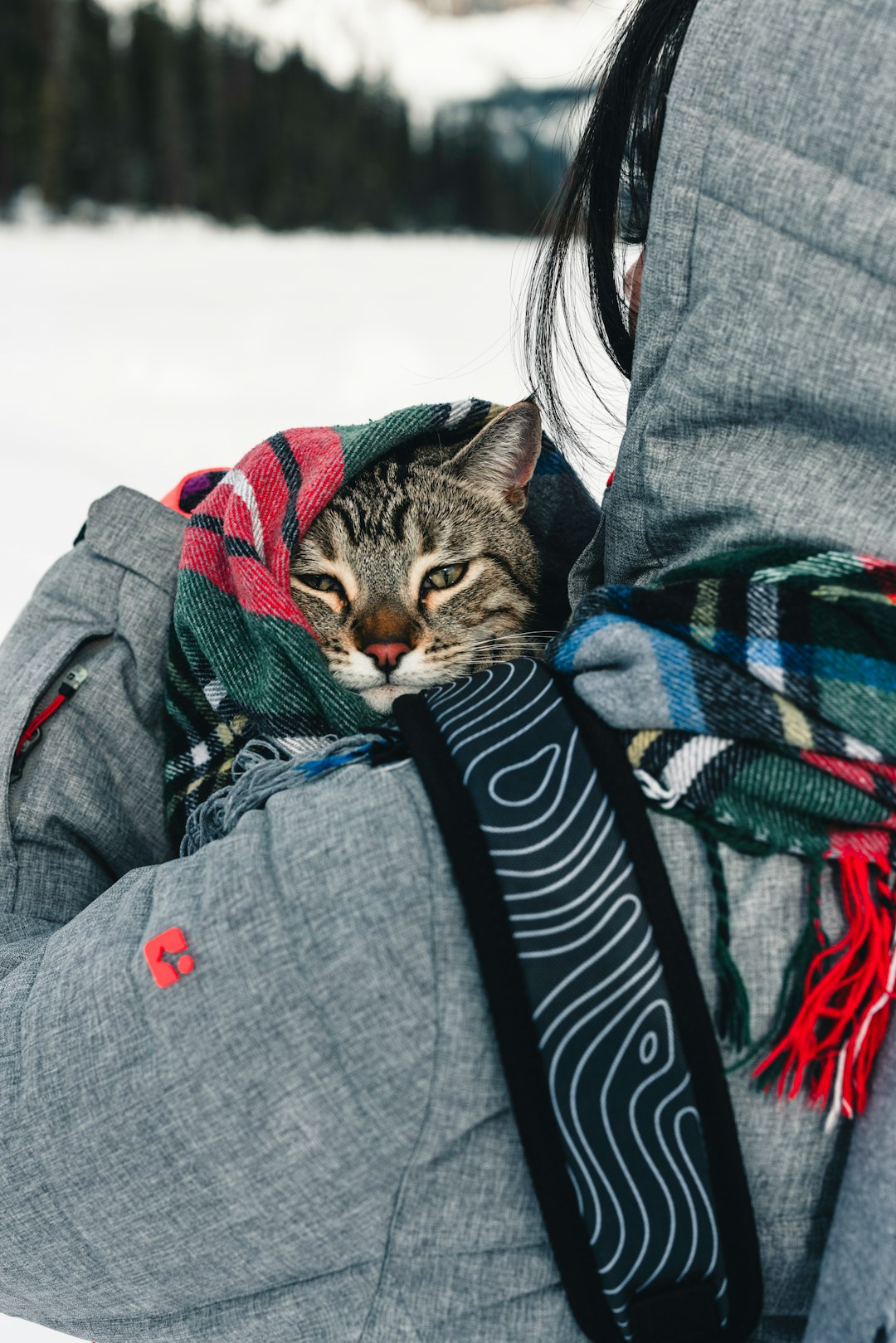
Picture this: it's a chilly winter evening, and your cat is curled up by the window, watching the snowflakes fall. As you reach for a warm blanket, a thought crosses your mind—just how cold of weather can your feline friend survive?
Understanding your cat’s needs in cold weather is not just about comfort; it’s about ensuring their safety and well-being. We’ll uncover the surprising truths about cats and cold weather survival. You’ll discover practical tips to keep your furry companion safe and cozy during the harsh winter months.
So, if you’ve ever wondered whether your cat can brave the chill or if they need a little extra warmth, read on to find out. Your cat’s health and happiness might just depend on it.
Cat Physiology In Cold Weather
Cats, with their agile bodies and curious nature, are fascinating creatures. They have unique physiological traits that help them adapt to various environments. This adaptability raises the question: how do cats endure cold weather? Understanding a cat's physiology provides insight into their survival skills in chilly conditions.
Understanding Cat Fur And Insulation
A cat's fur is its first defense against the cold. It acts like a natural insulator. The fur traps warm air close to the skin. This helps maintain body temperature. Cats with dense coats, like the Maine Coon, have better insulation. Short-haired breeds may struggle more in cold weather.
The Role Of Body Fat In Cold Weather
Body fat plays a crucial role in a cat's ability to stay warm. It acts as an energy reserve. This is vital during colder months. Cats with a healthy amount of body fat can withstand lower temperatures. They burn this fat for warmth. Keeping their energy levels stable.
Behavioral Adaptations To Cold
Cats often change their behaviors to cope with cold temperatures. They seek warm spots in the home. You might find them near heating vents or sunny windows. Cats may also sleep more to conserve energy. This helps them maintain their body heat effectively.
Metabolic Rate And Temperature Regulation
Cats have a higher metabolic rate compared to some animals. This aids in generating heat. A faster metabolism means they burn energy more quickly. This process helps keep their body temperature stable. Ensuring they remain warm even in colder environments.
Importance Of Proper Nutrition
Proper nutrition is essential for cats in cold weather. They need a balanced diet to support their metabolism. High-quality protein and fat provide necessary energy. This fuels their body to generate warmth. Ensuring they stay healthy and active during winter.
Factors Affecting Cold Tolerance
Cats are naturally adept at handling various weather conditions. Their ability to survive in cold weather depends on several factors. Understanding these factors helps in ensuring their safety during winter.
Breed Characteristics
Some cat breeds are better suited to cold climates. For instance, the Norwegian Forest Cat and Maine Coon have thick fur. Their fur provides insulation against cold temperatures. Cats with short coats might struggle more in cold weather.
Age And Health Status
Younger and healthier cats usually handle cold better. Older cats and those with health issues may be more vulnerable. They may need extra care in colder months. Regular health check-ups ensure they are fit to face the cold.
Acclimatization
Cats that spend more time outdoors may acclimatize to cold weather. Gradual exposure to colder temperatures helps them adapt. Indoor cats may need more protection when venturing outside. Acclimatization is key to their comfort in winter.
Behavioral Adaptations
Cats have evolved to survive in various climates, including cold weather. Their behavioral adaptations play a crucial role in their survival. These behaviors help them conserve energy and maintain body heat. By understanding these behaviors, cat owners can better ensure their pet's safety in chilly conditions.
Seeking Shelter
In cold weather, cats instinctively seek shelter to stay warm. They might find cozy spots under porches or in garages. These locations provide protection from the wind and cold. Cats also curl up tightly to minimize heat loss. This position reduces the surface area exposed to the cold. Finding a warm spot is vital for their comfort and survival.
Altered Activity Levels
Cold weather affects a cat's activity levels. Cats tend to be less active when temperatures drop. Reduced activity helps conserve energy and maintain body temperature. They may sleep more during colder months. This behavior is similar to hibernation in some animals. By resting, cats save energy and reduce the need for extra food. Understanding these changes helps in providing adequate care.
Environmental Considerations
Cats can endure cold weather but need shelter to stay safe. Temperatures below freezing can threaten their health. Providing warmth and protection helps them survive harsh winter conditions.
Cats are known for their independent nature and adaptability. Yet, the cold weather poses significant challenges for them. Understanding these environmental considerations is essential. It ensures the safety and well-being of our feline friends. Different factors can influence their ability to endure cold temperatures. Let's explore these factors in detail.
Outdoor Temperature Limits
Cats can tolerate cold to a certain degree. Generally, temperatures below 32°F can be dangerous. Prolonged exposure can lead to hypothermia or frostbite. Cats with thicker fur can withstand cold better. Yet, short-haired or hairless breeds are at higher risk. Keep an eye on the temperature to protect them.
Wind Chill Impact
Wind chill significantly affects a cat's ability to stay warm. Even mild temperatures can feel colder with strong winds. Wind reduces the insulating effect of fur. It increases the risk of hypothermia. Provide shelter to protect them from icy winds. A simple windbreak can make a huge difference.
Snow And Ice Hazards
Snow and ice present unique challenges for cats. Snow can hinder their movement and hide dangers. Ice can cause injuries or make them slip. Cats may find it difficult to find food and water. Ensure they have access to these essentials. Regular checks can prevent accidents and ensure safety.
Protecting Cats In Cold Weather
As winter sets in, cat owners must ensure their furry friends stay warm. Cold weather can be harsh and dangerous for cats. To keep them safe, take specific steps to protect them from the cold. This involves both indoor and outdoor care. Let’s explore how you can shield your feline companions during chilly months.
Indoor Safety Measures
Keeping your cat indoors is crucial during cold weather. Ensure the home is warm and draft-free. Close windows and seal gaps where cold air enters. Provide cozy spots with soft blankets for your cat to curl up. Use a heated bed or pad for extra warmth. Cats love sunny spots, so open curtains during the day. This allows them to bask in the sunlight and stay warm.
Outdoor Precautions
Outdoor cats need extra care in winter. Build a shelter to protect them from the elements. The shelter should be insulated and windproof. Keep it dry and raised off the ground. Use straw for bedding, not blankets. Blankets can retain moisture and freeze. Check the shelter regularly. Ensure it remains warm and dry.
Clothing And Accessories
Some cats benefit from wearing clothes in cold weather. A snug-fitting sweater can provide extra warmth. Choose clothes made from soft, breathable materials. Avoid tight clothes that restrict movement. Booties protect paws from frostbite. If your cat tolerates them, use them during outdoor outings. Always supervise your cat when wearing clothes. Ensure comfort and safety.
Signs Of Hypothermia
Cats can survive in cold weather, but hypothermia is a risk. Watch for signs like shivering, weakness, or shallow breathing. If a cat becomes lethargic or its body feels cold to touch, seek warmth and immediate veterinary care. Keep cats indoors during freezing temperatures to ensure their safety.
Cats are resilient creatures, often surprising us with their adaptability to different environments. However, extreme cold can pose serious risks to their health, particularly hypothermia. Recognizing the signs of hypothermia in your feline friend can be crucial in preventing a potentially life-threatening situation. How do you know if your cat is suffering from hypothermia? Let's look at some key indicators.
Shivering And Lethargy
When your cat starts shivering uncontrollably, it's a clear sign that they're trying to generate warmth. This natural response is often accompanied by lethargy. If your energetic cat suddenly seems uninterested in play or movement, it might be more than just a lazy day. It's important to act quickly, as prolonged exposure can lead to severe health issues.
Cold Skin And Weakness
Touch your cat's ears and paws. If they feel unusually cold, this is a significant sign of hypothermia. Weakness is another indicator. Your cat might stumble or be unable to stand or walk properly. This lack of coordination isn't just clumsiness—it could mean their muscles are not functioning correctly due to the cold.
Rapid Breathing And Heart Rate
Pay attention to your cat's breathing and heart rate. Rapid breathing and an increased heart rate can be your cat's way of trying to warm up. These symptoms are their body's effort to preserve warmth and should not be ignored.
Confusion And Unresponsiveness
If your cat appears confused or is not responding to your calls or touch, it might be suffering from hypothermia. This mental fog can be alarming, and it requires immediate attention. You know your cat's normal behavior; any drastic change should be a red flag.
Pale Or Blue Gums
Check your cat's gums. Healthy gums are pink, but if they turn pale or blue, it indicates poor circulation due to cold. This is a serious sign that demands prompt action. By understanding these signs, you can act quickly to protect your cat. Have you ever noticed any of these symptoms in your own cat? What steps did you take? Your experiences could help others in similar situations. Keep your furry friend safe by staying vigilant and responsive to their needs.
Emergency Response For Cold Exposure
When cats face cold exposure, immediate action is crucial to their survival. Understanding how to respond can make all the difference. You might wonder, how prepared are you to help your feline friend in an emergency? Let's explore practical steps to ensure your cat's safety and well-being during cold weather.
Immediate Actions
If your cat is exposed to cold weather, start by bringing them indoors promptly. Check for signs of hypothermia such as shivering, lethargy, or shallow breathing. If you notice these symptoms, act quickly.
Wrap your cat in a warm blanket or towel. You can also use a heating pad set on low. Make sure to place a barrier like a towel between the pad and your cat to prevent burns.
Offer warm water or broth to encourage hydration. But don't force it. Sometimes, just being close to your presence is comforting enough for them. Have you ever noticed how your cat seeks warmth in your lap on a chilly day?
Veterinary Care
If symptoms persist or worsen, seek veterinary care immediately. Cold exposure can lead to serious complications. A vet can provide treatments like warmed IV fluids or oxygen therapy.
Even if your cat seems better, a vet visit is wise. They can check for underlying issues that may not be immediately apparent. Remember the time your cat seemed fine but later showed signs of illness? It's always better to err on the side of caution.
Your vet might also offer advice on preventing future cold exposure. Could there be improvements to your cat's outdoor shelter or living conditions? It's worth considering.
As a responsible pet owner, it's your duty to act swiftly and effectively. Are you ready to make informed decisions that could save your cat's life? Your preparedness could be the key to their survival during harsh weather conditions.
Frequently Asked Questions
How Cold Can Outdoor Cats Tolerate?
Outdoor cats can tolerate temperatures as low as 32°F (0°C). However, prolonged exposure below this can be dangerous. It is crucial to provide adequate shelter and warmth for outdoor cats during cold weather. Always ensure they have access to food and unfrozen water.
Do Cats Get Cold Easily?
Yes, cats can get cold easily, especially short-haired or hairless breeds. Their body temperature can drop quickly in cold weather. It's important to keep them warm and provide cozy bedding. Indoor cats should be kept inside during freezing temperatures to ensure their safety and comfort.
What Signs Show A Cat Is Too Cold?
Signs a cat is too cold include shivering, cold ears, and a hunched posture. They may also seek warm places and become lethargic. If you notice these signs, it's important to warm them up gradually. Providing a warm blanket or heating pad can help.
Can Cats Survive Freezing Temperatures?
Cats struggle to survive in freezing temperatures without shelter. Prolonged exposure can lead to hypothermia or frostbite. It's crucial to provide a warm, insulated space for outdoor cats. Ensure they have access to food and unfrozen water to help them stay warm.
Conclusion
Cats can handle cold, but not extreme temperatures. Always provide warmth and shelter. Monitor your cat's behavior. Shivering or hiding means they're cold. Offer cozy blankets or heated pads. Indoor living is best during harsh winters. Cats have different tolerance levels.
Know your pet's limits. Keep them safe and warm. Protecting them ensures their health and happiness. Remember, a warm home means a happy cat. Prioritize their comfort in chilly weather. Your cat will thank you for it. Stay alert and keep them snug.
Their safety depends on you.