Imagine stepping outside into a world where every breath feels like icy needles and the air itself seems to freeze. You're in a place where the thermometer reads a bone-chilling negative 40 degrees.
At this extreme temperature, even the thought of leaving the warmth of your shelter can be daunting. Yet, what if you had the right gear? Could you brave such a harsh environment and emerge unscathed? You're about to discover whether it's possible to survive in these freezing conditions with just the right clothing.
This isn't just about bundling up in layers; it's about understanding how each piece of gear can make a difference between comfort and peril. As you read on, you'll learn the secrets of staying warm, the science behind insulation, and the essential clothing choices that could make all the difference. So, are you ready to find out if you can conquer the cold and come out on top? Let’s dive deeper into the world of extreme cold survival.
Understanding Extreme Cold
Negative 40 degrees challenges the human body. Proper clothes can make survival possible. Layering with insulated materials is crucial. Wool and thermal fabrics trap heat efficiently. Covering all exposed skin prevents frostbite.
Understanding Extreme Cold Experiencing temperatures that dip to negative 40 degrees is not just about feeling chilly; it's a test of human endurance against nature's harshest elements. Imagine stepping outside where every breath feels like tiny needles piercing your lungs. Equipping yourself with proper clothing can make the difference between a daring adventure and a perilous predicament. You might wonder, can you really survive such extreme cold with just the right gear? Let’s break down the impact of such temperatures on the human body and clear up some common misconceptions about surviving in negative 40 degrees.
Impact On The Human Body
At negative 40 degrees, your body is under siege. The cold can sap your energy quickly, leaving you feeling exhausted. Frostbite and hypothermia are real dangers. Frostbite can affect exposed skin in just minutes, while hypothermia sets in when your body loses heat faster than it can produce it. Your body prioritizes keeping vital organs warm by reducing circulation to extremities. This can cause numbness and even permanent damage if not addressed promptly.
Common Misconceptions
Some believe that multiple layers of clothing are a foolproof shield against the cold. While layers are crucial, it's not just about quantity but quality. You might think that drinking alcohol can warm you up, but it actually makes you lose body heat faster. Others assume that physical activity alone can keep you warm. However, overexertion can lead to sweat that cools you down rapidly, increasing the risk of hypothermia. Have you ever heard that wool is the best insulator? While it's good, modern materials like Gore-Tex offer superior protection against wind and moisture, which are your true enemies in extreme cold. When you prepare to face negative 40 degrees, remember that knowledge and preparation are just as crucial as the clothing you choose. Are you ready for the challenge?
Layering Techniques
Surviving negative 40 degrees requires smart clothing choices. Layering techniques keep you warm by trapping body heat. Use a base layer, insulating layer, and outer layer for optimal protection.
Surviving in negative 40 degrees might seem like a daunting task, but with the right layering techniques, you can stay warm and comfortable. Layering is key to trapping heat and keeping the cold at bay. It's not just about piling on clothes; it's about choosing the right ones and wearing them in the right order. Have you ever thought about how explorers brave such extreme temperatures? They rely heavily on effective layering strategies. Let's dive into how you can do the same.
Base Layers
The base layer is your first line of defense against the cold. It’s essential to choose materials that wick moisture away from your skin. Think of fabrics like merino wool or synthetic fibers. These materials keep you dry, which is crucial because moisture can lead to a rapid loss of body heat. On my last trip to a snowy mountain, I realized the importance of a good base layer. After a few hours of hiking, my cotton undershirt left me soaked with sweat. I felt the chill immediately. Switching to a moisture-wicking layer made all the difference.
Insulating Layers
Your insulating layer is what keeps your body heat from escaping. This layer should be made of materials that trap warm air, like fleece or down. You might wonder why this step is vital. Simply put, it creates a buffer between your body and the frigid air outside. Remember that time when you thought you could brave the cold with just a thick sweater? A dedicated insulating layer would have been more effective. It's not about how thick it is, but how well it traps heat.
Outer Layers
The outer layer serves as your shield against wind, rain, and snow. Opt for something that is both waterproof and breathable. Gore-Tex jackets are a popular choice for this reason. They prevent external moisture from getting in while allowing your body's moisture to escape. Imagine standing outside in a snowstorm with a simple windbreaker. It’s not enough. A proper outer layer keeps the elements at bay, allowing the inner layers to do their job efficiently. Can you picture yourself trekking through a winter wonderland, warm and snug? It's possible with the right layering techniques. Each layer plays a crucial role in your comfort and survival. So, next time you gear up for the cold, remember these strategies and embrace the chill with confidence.
Material Matters
Surviving in negative 40 degrees is challenging without the right materials. Clothes play a vital role in protecting you from extreme cold. Choosing the right fabric can make all the difference. Two key factors are warmth and moisture resistance.
Wool Vs. Synthetic Fabrics
Wool is a natural insulator. It traps heat and keeps you warm. Wool can absorb moisture without feeling wet. It dries slowly but retains warmth. Synthetic fabrics like polyester are lightweight. They dry quickly and wick away moisture. Synthetics can offer breathability. Wool is often heavier but warmer. Synthetic fabrics are more flexible. Choose based on your activity level.
Waterproof And Windproof Materials
Waterproof materials keep moisture out. They prevent snow and rain from soaking your clothes. Windproof materials block cold air. They maintain warmth by stopping wind chill. Gore-Tex is a popular waterproof choice. It is breathable yet protective. Wind-resistant jackets are essential in extreme cold. They preserve body heat and add comfort. Combining these materials increases survival chances. Always layer smartly for best results.
Protecting Extremities
Surviving in negative 40 degrees demands careful protection of your extremities. These are the parts of your body most vulnerable to cold damage. With proper clothing, you can keep them warm and safe. It is essential to cover your head, face, hands, and feet. Let's explore how to protect each of these areas effectively.
Head And Face
Your head loses heat quickly. A thick, insulated hat can keep your head warm. Choose one that covers your ears too. For your face, a balaclava or face mask works well. It shields your skin from biting winds. If you wear glasses, consider anti-fog lenses. This ensures clear vision in frosty weather.
Hands And Feet
Cold hands become numb fast. Use insulated gloves or mittens. Mittens keep fingers warmer as they share heat. Layering socks is key for feet warmth. Start with moisture-wicking socks. Add wool socks for extra insulation. Use boots with thermal lining and waterproof material. This combo keeps feet dry and warm.
Staying Dry
Surviving in negative 40 degrees requires more than just warm clothes. Staying dry is crucial to avoid hypothermia. Wet clothes lose insulation power quickly. Moisture management is key to staying warm. Understanding the principles of breathability helps maintain comfort.
Moisture Management
Moisture can build up from sweat or external sources. Wearing layers made of moisture-wicking fabrics can help. These fabrics draw sweat away from the skin. This keeps your skin dry and warm. Cotton should be avoided as it retains moisture. Choose synthetic or wool materials instead.
Breathability Considerations
Breathability in clothing allows moisture to escape. This prevents a damp feeling inside your clothes. Clothes with breathable membranes work best. They let sweat out but keep water from coming in. This is important in extreme cold. Proper ventilation can regulate body temperature. Layering helps adjust breathability to your needs.
Additional Accessories
Surviving in negative 40 degrees demands more than just proper clothes; additional accessories play a crucial role. Thermal gloves, insulated boots, and face masks are essential to protect against extreme cold. These items ensure warmth and safety, allowing you to withstand harsh conditions effectively.
When braving the brutal chill of negative 40 degrees, every layer counts. Beyond your primary winter gear, additional accessories can be the difference between comfort and frostbite. These often-overlooked items can protect your extremities and ensure you stay warm even in the harshest conditions.
Scarves And Neck Gaiters
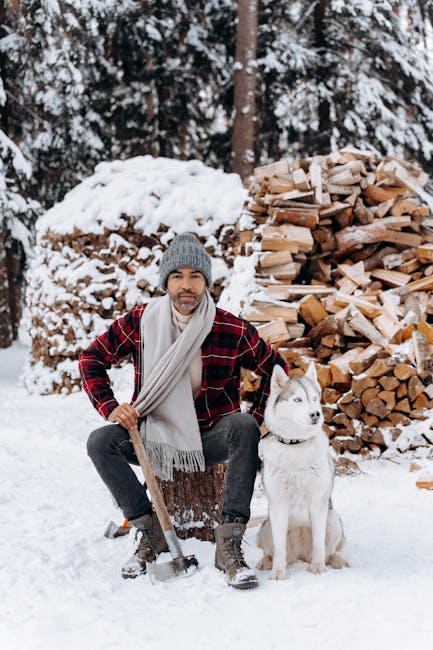
Your neck and face are especially vulnerable to the cold. A scarf or a neck gaiter can provide essential warmth, blocking wind and trapping heat. Opt for materials like wool or fleece which are excellent insulators. Wrap a scarf securely around your neck and pull a gaiter up to cover your mouth and nose. This small addition can prevent the icy air from creeping into the gaps in your clothing. Have you ever felt the biting wind steal your breath away? A well-fitted neck gaiter can stop that in its tracks.
Thermal Socks And Gloves
Cold toes and fingers can quickly escalate into a serious issue. Thermal socks are designed to keep your feet warm by providing extra insulation. Look for socks made of merino wool or those with a thermal rating, ensuring they're both warm and breathable. Pair these with moisture-wicking liners to keep sweat from freezing your feet. Gloves are equally important—opt for a pair that combines warmth with dexterity. Think about the last time you had to remove a glove to use your phone or zip your coat. Choose gloves that allow you to perform tasks without exposing your skin to the cold. Adding these accessories to your winter wardrobe can be a game-changer. They address common weak points in your cold-weather armor. What’s your go-to accessory when the mercury plummets? Implementing these small changes can make surviving extreme cold not just possible, but comfortable.
Monitoring Weather Conditions
Surviving in negative 40 degrees is possible with the right clothing. Layers, thermal wear, and insulated jackets are crucial. Windproof outerwear helps keep you warm, while hats and gloves protect extremities. Proper gear shields against extreme cold, ensuring safety and comfort in harsh conditions.
Monitoring weather conditions is crucial when facing extreme cold, like the daunting negative 40 degrees. Ignoring the forecast can lead to life-threatening situations. Wearing the right clothes is just part of the equation; understanding and responding to the weather is equally vital.
Understanding Wind Chill
Wind chill can dramatically impact how cold it feels outside. It’s not just about the temperature; the wind can make it feel much colder. For example, at negative 40 degrees, a 10 mph wind can make the air feel like negative 60. That’s a huge difference. Keep an eye on the wind chill factor. It helps you decide how many layers you might need. Apps and weather websites provide real-time updates. How often do you check the wind chill before heading out?
Signs Of Frostbite And Hypothermia
Recognizing frostbite and hypothermia early can save your life. Frostbite often starts with a tingling sensation in your extremities. Fingers, toes, and the tip of your nose are usually the first to be affected. Hypothermia is more serious and affects your entire body. It begins with shivering, confusion, and fatigue. If you or a companion experience these symptoms, it's time to act quickly. Have you ever experienced these signs and wondered how close you were to danger? Staying informed about weather conditions and understanding these potential risks helps you prepare better. It's not just about staying warm but staying safe. How prepared do you feel to face such extreme conditions?
Practical Tips For Outdoor Activities
Surviving in negative 40 degrees requires more than just warm clothes. Engaging in outdoor activities at such temperatures needs preparation and skills. Knowing how to move and prepare for emergencies can make a big difference.
Moving Efficiently
At extreme temperatures, moving efficiently is crucial. Layer your clothing to maintain warmth without restricting movement. Wool and synthetic materials work best. Avoid cotton, as it absorbs moisture and loses insulation. Keep your extremities covered. Wear gloves, hats, and thermal socks. Frostbite can occur quickly. Move steadily but avoid sweating. Sweat can freeze and reduce body heat. Drink water regularly to stay hydrated. Dehydration can sneak up in cold weather.
Emergency Preparedness
Being prepared for emergencies is vital. Always carry a basic survival kit. Include items like a fire starter, multi-tool, and emergency blanket. Know your route and tell someone your plans. Check weather conditions before leaving. Have a charged phone and portable charger. In case of shelter needs, build a snow cave or use a tent. Practice building a fire in snow-covered areas. Pack high-energy snacks for quick energy boosts.
Psychological Preparation
Surviving in negative 40 degrees isn't just about clothing. Your mind plays a crucial role. Preparing psychologically is as vital as wearing layers. Cold can challenge your mental strength. It can drain motivation and test resilience. Recognizing these challenges can help you prepare better.
Mental Resilience
Mental resilience means staying strong when conditions are tough. Cold tests this resilience. It's important to keep a positive mindset. Visualize success. Imagine warmth and safety. This mental imagery can boost morale. Train your mind to focus on small goals. Celebrate each step towards warmth. Stay calm and collected in harsh conditions.
Staying Motivated
Motivation can fade in extreme cold. It's easy to feel defeated. Find reasons to push forward. Think of loved ones or adventures ahead. Set small milestones. Reaching each one feels rewarding. Keep spirits high by remembering past successes. Positive self-talk can fuel motivation. Repeat encouraging phrases to yourself.
Frequently Asked Questions
What Clothing Is Suitable For Minus 40 Degrees?
To survive minus 40 degrees, wear thermal layers, insulated jackets, and waterproof outerwear. Choose materials like wool and synthetic fabrics for warmth. Ensure your clothing covers all exposed skin areas, including face, hands, and feet. Proper layering helps maintain body heat and prevents frostbite.
Can Layers Prevent Hypothermia At Minus 40 Degrees?
Yes, layering is crucial to prevent hypothermia in extreme cold. Wear multiple layers to trap body heat. Start with moisture-wicking base layers, add insulating middle layers, and finish with windproof outer layers. This method efficiently retains heat and protects against harsh weather conditions.
What Footwear Is Best For Extreme Cold?
Choose insulated and waterproof boots for extreme cold. Ensure they have good traction and are rated for low temperatures. Pair them with thermal socks to maximize warmth. Proper footwear helps prevent frostbite and ensures safe mobility in icy conditions.
How Do Accessories Help In Extreme Cold?
Accessories like hats, gloves, and scarves are vital in extreme cold. They protect exposed skin and prevent heat loss. Opt for wool or fleece materials for maximum warmth. These items are essential for maintaining core body temperature and preventing frostbite.
Conclusion
Surviving in negative 40 degrees is possible with the right clothes. Layering is key. Wear insulated jackets and thermal undergarments. Choose waterproof boots to keep feet warm. Use gloves, hats, and scarves to protect extremities. Wool and synthetic materials work best.
Cotton can be risky in cold weather. Stay dry to retain warmth. Proper planning ensures safety and comfort. Cold weather gear is essential. Don't underestimate extreme temperatures. Prepare well and stay informed. Understanding clothing choices can make a difference. Stay safe in the cold.
Prioritize warmth and quality over style.