Are you a tomato enthusiast wondering if your beloved plants can brave the chill of 40-degree weather? You’re not alone.
Many gardeners face this dilemma, especially as the seasons change unexpectedly. The good news is that you’re about to discover the secrets to ensuring your tomato plants not only survive but thrive in cooler temperatures. As you read on, you'll unlock tips and tricks that could transform your gardening experience.
So, if you’re curious about protecting your green gems from the cold, dive into this guide and empower your gardening journey. Your tomatoes are counting on you!
Impact Of Cold On Tomato Plants
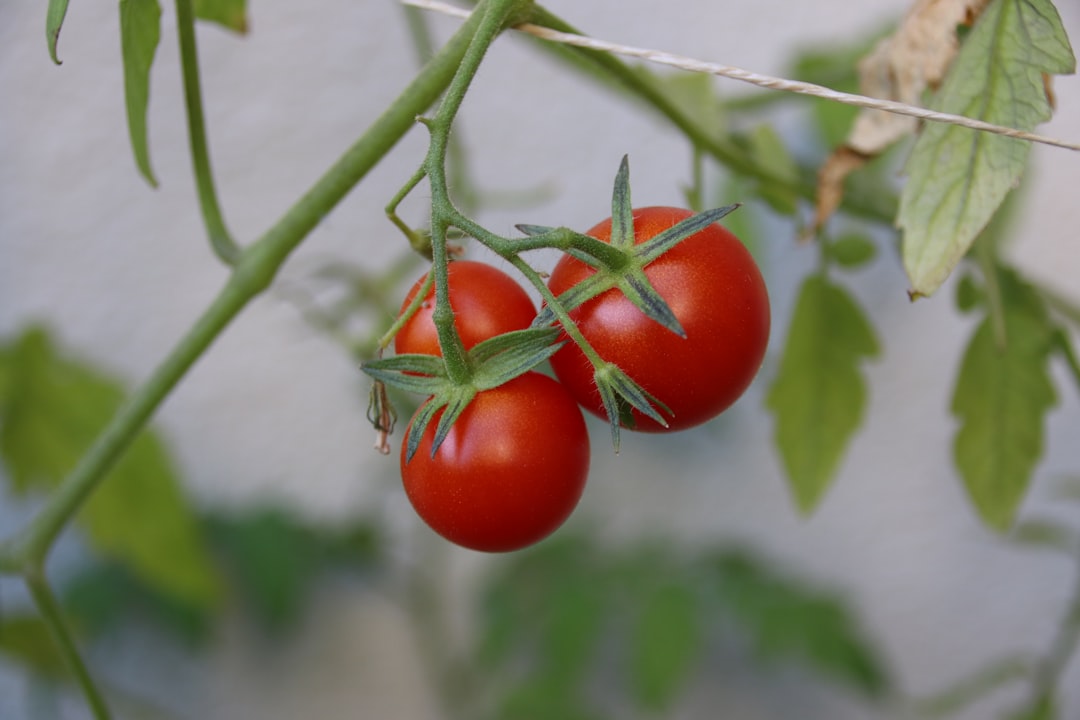
Tomatoes are known for their vibrant red hue and tangy flavor, making them a favorite in gardens everywhere. But what happens when the temperature dips to a chilly 40 degrees? While tomato plants are resilient, cold weather can pose significant challenges. Understanding the impact of cold on tomato plants can help you protect your precious crops and ensure a bountiful harvest.
Cold Tolerance Levels
Tomato plants generally thrive in warm environments. They prefer temperatures between 70 and 85 degrees Fahrenheit. Yet, they can tolerate brief periods of cooler weather. At 40 degrees, the risk increases significantly. If you live in an area prone to chilly nights, consider using row covers or blankets to shield your plants. These simple measures can make a difference between survival and damage.
While some varieties are slightly more tolerant, even they struggle below 50 degrees. Are you planting tomatoes in a region with unpredictable weather? Select a cold-tolerant variety, like 'Glacier' or 'Siberian'. These can endure cooler temperatures, but still require extra care.
Signs Of Cold Damage
Keep an eye on your tomato plants for signs of cold stress. Leaves may turn dark or develop a purple hue. These changes indicate your plant is struggling with the temperature. If you notice wilting or drooping, act quickly to provide warmth.
Cold-damaged fruit is another concern. Look for pale or blotchy tomatoes. They may also feel mushy or fail to ripen. Have you seen these symptoms? It's time to assess your protective measures and adjust as needed.
Why not try a simple experiment? Track your local temperature and observe how your plants respond. This hands-on approach will teach you valuable lessons about cold weather gardening. Are you prepared to adapt your strategies for the next unexpected cold snap?
By understanding these impacts, you can better care for your tomato plants in challenging weather. Your actions will not only save your plants but also enhance your gardening skills. Will you take the steps necessary to protect your tomato harvest?
Factors Affecting Cold Resilience
Tomato plants often face challenges during cold weather. Their survival depends on various factors. Understanding these factors helps in protecting them from harm. Each factor influences their cold resilience uniquely.
Plant Variety Differences
Different tomato varieties respond differently to cold temperatures. Some varieties have better cold tolerance. Heirloom tomatoes often show more resilience. Hybrid varieties might be less cold-tolerant. Knowing your plant's variety helps in assessing its cold weather survival chances.
Growth Stage Sensitivity
The growth stage of tomato plants affects their cold resilience. Young seedlings are more vulnerable to cold. Mature plants handle cold better than younger ones. During flowering and fruiting, plants need more protection. At this stage, cold weather can damage fruit development.
Protecting Tomatoes From Cold
Tomato plants can suffer in cold weather. Temperatures around 40 degrees can damage them. Protecting tomatoes from cold is essential for a healthy harvest. Below are simple methods to shield your plants from chilly conditions.
Using Covers And Shelters
Covers provide a barrier against cold air. Use old sheets or burlap to cover your plants. These materials trap heat from the soil. Ensure the covers reach the ground. This prevents cold air from sneaking under. Remove covers in the morning when the sun shines. Shelters like hoop houses are useful too. They offer a more permanent solution. Build a simple frame over your plants. Use clear plastic to cover the frame. This lets sunlight in while keeping cold out.
Mulching For Warmth
Mulch is a great way to insulate roots. It keeps the soil warm during cold spells. Spread a thick layer around the base of your plants. Straw or wood chips work well as mulch. They retain heat and moisture. Mulch also reduces soil erosion. It prevents temperature fluctuations which can stress plants. Regularly check the mulch layer. Ensure it remains intact and effective.
Temperature Recovery Strategies
Tomato plants can face stress in 40-degree weather. Shade cloths help lower temperatures and reduce plant damage. Watering deeply ensures roots stay hydrated, aiding survival.
When unexpected cold snaps hit, tomato plants can be vulnerable. Temperatures dipping to 40 degrees Fahrenheit can stress these warm-loving plants. However, with thoughtful strategies, you can help your tomato plants recover and thrive. Let's dive into how you can manage this temperature challenge.
Gradual Temperature Acclimation
Introduce your plants to cooler temperatures slowly. If you know a cold spell is coming, try to acclimate your plants gradually. Move them to a slightly cooler area during the day for short periods. Consider using row covers or garden fabric to shield them from the cold. This method creates a buffer against sudden temperature drops. Remember, sudden exposure to cold can shock the plants, so take it step-by-step.
Post-cold Care Tips
Once the cold spell passes, check your tomato plants for any signs of damage. Look for wilting leaves or dark spots, which can indicate cold stress. Trim any damaged parts to prevent disease. Water the plants at the base in the morning. This helps them recover and ensures they have enough moisture to heal. Cold weather can dry out the soil, so keep an eye on moisture levels. Boost your plants' health with a diluted fertilizer. This provides essential nutrients to aid recovery. But don't overdo it—too much fertilizer can harm stressed plants. Consider sharing your own experiences with cold weather tomato care. Have you ever noticed how a small change in your routine helped your plants bounce back? What strategies worked best for your garden? Engage with fellow gardeners and exchange tips. Your insights could be the key to someone else's success.
Alternative Methods For Cold Climates
Tomato plants can struggle in 40-degree weather, but alternative methods offer hope. Using greenhouses or insulating covers helps maintain warmth. Cold-resistant varieties and proper soil management further support survival in chilly climates.
Tomato plants face a tough challenge in cold weather, especially when temperatures drop to 40 degrees. However, there are several alternative methods for growing tomatoes in cold climates. These solutions can help you enjoy fresh, homegrown tomatoes even when the weather outside is less than ideal.
Indoor Growing Techniques
Consider bringing your tomato plants indoors. This offers a controlled environment where you can manage temperature, light, and humidity. Use grow lights to mimic sunlight, ensuring your plants get the energy they need to thrive. Have you ever tried growing tomatoes on your kitchen counter? It's surprisingly effective. You can use containers that fit snugly in your space, turning your indoor area into a mini-garden. Think about the convenience of having fresh tomatoes right at your fingertips. You won't have to worry about frost or cold snaps. What adjustments can you make to your indoor space to accommodate your gardening needs?
Greenhouse Solutions
A greenhouse can be a game-changer for cold climate gardening. It offers a warm, stable environment for your tomatoes, protecting them from chilly winds and frost. This enclosed space can extend your growing season significantly. Using a greenhouse, you can grow tomato varieties that typically require warmer conditions. This opens up a world of possibilities for your garden. Imagine the satisfaction of harvesting ripe tomatoes while the outside temperature hovers around freezing. Have you considered the different types of greenhouses available? From simple hoop houses to elaborate glass structures, there's a solution for every budget. What type of greenhouse fits your needs and resources? Embracing these methods can transform your gardening experience. Don't let cold weather deter your passion for fresh tomatoes. Instead, adapt and thrive in your unique climate conditions.
Frequently Asked Questions
Can Tomato Plants Survive 40 Degrees?
Tomato plants can survive in 40 degrees Fahrenheit but may become stressed. It's crucial to protect them from prolonged exposure. Consider using row covers or moving potted plants indoors during colder nights to prevent damage and ensure healthy growth.
What Temperature Is Too Cold For Tomatoes?
Temperatures below 50 degrees Fahrenheit can negatively impact tomato plants. They may experience stunted growth or reduced fruit production. It's important to keep them warm, especially during nighttime, to ensure they thrive and produce a good yield.
How Do Cold Temperatures Affect Tomato Plants?
Cold temperatures can slow down growth and affect fruit setting in tomato plants. Prolonged exposure to cold may cause leaf curling and discoloration. Protecting plants with covers or moving them indoors can help mitigate these effects and promote healthy growth.
Should I Cover Tomato Plants At 40 Degrees?
Yes, covering tomato plants at 40 degrees can help protect them from cold stress. Use cloth or row covers to shield them during chilly nights. This practice helps maintain consistent temperatures, ensuring your tomato plants remain healthy and productive.
Conclusion
Tomato plants can endure 40-degree weather with proper care. Protect them with covers or blankets at night. Choose cold-tolerant tomato varieties for better survival. Mulching helps maintain soil warmth. Watering during the day keeps roots healthy. Monitor the weather regularly for sudden changes.
Provide adequate sunlight for growth. Avoid overwatering, which can cause root damage. With these tips, you can help your tomatoes thrive. Keep your garden safe and productive. Enjoy fresh tomatoes, even in cooler climates.