Can Succulents Survive Cold Weather?
Do you love succulents but worry about how they fare in chilly temperatures? You're not alone.
As someone who cherishes these resilient little plants, you've probably found yourself wondering if they can brave the cold. Succulents, with their unique shapes and vibrant colors, add life to any space, but can they survive when the mercury drops?
This is a question that nags at many plant enthusiasts. You might be surprised to learn that some succulents are tougher than they appear. We'll delve into the fascinating world of succulents and explore what you can do to help them thrive in cold weather. Unlock the secrets to keeping your beloved succulents healthy all year round. Read on to discover how you can protect your green friends from the winter chill and ensure they continue to flourish.
Cold Weather Impact On Succulents
Succulents are known for their resilience and low maintenance needs. Yet, cold weather can affect them. Understanding how cold impacts these hardy plants is essential. It helps in ensuring their survival during chilly months.
Understanding Temperature Tolerance
Succulents thrive in warm conditions. But they can tolerate cooler temperatures too. Most succulents are sensitive to frost. Freezing temperatures can damage their cells. This leads to water loss and eventual plant death.
Cold damage shows in various ways. Leaves may become soft or mushy. Discoloration is common, with leaves turning brown or translucent. These symptoms indicate the plant is stressed. Immediate action can save the succulent.
Protection Strategies
Use protective coverings to shield succulents. Burlap or frost cloths work well. Bringing pots indoors is another option. Indoor environments provide consistent warmth. It keeps succulents safe from freezing temperatures.
Choosing Cold-hardy Varieties
Some succulents are naturally cold-hardy. Sempervivum and Sedum are examples. These varieties can withstand cooler climates. Selecting these types ensures better survival during winter.
Maintaining Ideal Conditions
Succulents need less water in winter. Overwatering can cause root rot. Ensure they receive adequate sunlight. Proper care improves their resistance to cold weather.
Types Of Cold-hardy Succulents
Certain succulents thrive in cold weather due to their unique adaptations. Varieties like Sempervivum and Sedum withstand frost and snow. These cold-hardy succulents add beauty to winter gardens, providing vibrant colors even in chilly climates.
Succulents are loved for their low maintenance and unique beauty. But when temperatures drop, can they still thrive? The good news is, some succulents are hardy enough to survive cold weather. These cold-hardy varieties are perfect for adding life to your garden during chilly months. Knowing which succulents can withstand frost and snow will help you keep your garden vibrant all year round. Let's dive into some types of cold-hardy succulents that you can consider for your garden.
Sempervivum (hens And Chicks)
Sempervivum, commonly known as Hens and Chicks, is one of the most cold-resistant succulents. They can endure temperatures as low as -30°F. Their rosette-shaped leaves are not just visually appealing; they act as a shield against harsh weather. You can plant them in rock gardens or containers. They require minimal care, making them ideal for busy gardeners. Have you ever wondered why they thrive in cold? Their dense leaves conserve moisture, helping them survive extreme conditions.
Sedum (stonecrop)
Sedum, or Stonecrop, is another champion of cold climates. With varieties that can withstand temperatures down to -20°F, they are perfect for outdoor gardens. Sedums come in diverse shapes and colors, providing year-round interest. You can plant them in well-draining soil to prevent root rot. Their resilience doesn't mean they are boring. Sedums offer vibrant blooms that attract pollinators even in colder months. Imagine a garden buzzing with life, despite the frost.
Agave Parryi (artichoke Agave)
Agave Parryi, also known as Artichoke Agave, is not just a desert plant. It can handle cold temperatures as low as -20°F. Its beautiful blue-green leaves make a striking statement in any garden. Agave Parryi prefers sunny spots and well-drained soil. But don't let its tough appearance fool you. It's surprisingly easy to care for and grows well in containers. Have you ever thought of using succulents as a focal point in winter landscapes? Agave Parryi can be your answer.
Delosperma (ice Plant)
Delosperma, commonly referred to as Ice Plant, is a succulent that defies the odds. Known for its ability to survive temperatures down to -30°F, it's a must-have for cold regions. Ice Plants produce dazzling blooms throughout the summer, adding a splash of color. They need well-draining soil and full sun to thrive. Their vibrant flowers make them a favorite among gardeners. Imagine a garden with a carpet of vivid blooms, even as the chill sets in. Wouldn't that be a sight to behold? Understanding the types of cold-hardy succulents can transform your winter gardening experience. Which one will you add to your collection?
Ideal Temperature Range
Succulents are hardy plants. They adapt to different climates. But cold weather can be challenging. Understanding their ideal temperature range helps them thrive.
Most succulents prefer warmer climates. They grow best in temperatures between 60°F and 80°F. Anything below 40°F can be risky. Cold temperatures slow down their growth. It might even harm the plant.
Understanding Temperature Tolerance
Some succulents tolerate cold better. Sedums and Sempervivums can survive frost. They have adapted to cooler climates. These types handle temperatures below 40°F.
Recognizing Signs Of Cold Stress
Cold stress shows in succulents. Leaves may change color. They might become mushy or wilt. Check for these signs. Protect your plants if needed.
Tips For Protecting Succulents In Cold Weather
Move succulents indoors during cold weather. Use frost cloths for outdoor plants. Ensure the soil is dry before a cold night. Wet soil can freeze easily.
Choosing The Right Soil
Succulents can endure cold temperatures with proper care. Selecting well-draining soil prevents moisture accumulation, protecting roots from freezing. Sandy or gritty soil works best for these resilient plants, ensuring they thrive even in chilly weather.
Choosing the right soil for your succulents can make all the difference when it comes to their survival in cold weather. Succulents are known for their ability to store water in their leaves, but they also need well-draining soil to prevent root rot, especially when temperatures drop. You might be surprised to learn that the soil you choose can be the deciding factor between a thriving succulent and one that struggles through the winter.
Understanding Succulent Soil Needs
When selecting soil for your succulents, think about their natural habitat. They thrive in arid, rocky environments with soil that drains quickly. A simple cactus mix from your local garden center can be a great starting point. But how do you know if it's the right choice for cold weather?
Amending Your Soil Mix
Consider adding components like perlite or coarse sand to improve drainage. These materials help excess water escape, preventing the soil from becoming waterlogged. If you've ever lost a succulent to root rot, you know how important this is.
Testing Your Soil's Drainage
Wondering if your soil drains well enough? Perform a simple test by watering your plant and timing how long it takes for the water to drain through. Ideally, it should take just a few seconds. If it takes longer, consider adding more drainage materials.
Personal Experience: Learning The Hard Way
A few winters ago, I lost a beloved echeveria because I thought regular potting soil would suffice. It retained too much moisture, and the roots didn't survive the cold. This experience taught me the importance of proper soil preparation. Have you had a similar experience?
Seasonal Soil Adjustments
As temperatures drop, your succulents' water needs decrease. Adjust your soil mix for winter by adding extra perlite or sand. This not only ensures better drainage but also mimics the drier conditions of their natural habitat.
Take Action: Preparing For Winter
Are your succulents ready for the chill? Start by examining their soil and making necessary adjustments. Remember, a little effort now can save you from heartache later. Choosing the right soil is crucial for helping your succulents brave the cold. With a few thoughtful adjustments, you can keep them healthy and vibrant all winter long. What steps will you take today to protect your succulents?
Watering Techniques In Winter
Winter can be tough on succulents. Their survival often depends on proper care. One key aspect is watering. Adjusting your watering techniques in winter is crucial. It ensures the health of your plants during the cold months. Understanding the right approach can help your succulents thrive.
How Often Should You Water?
During winter, succulents need less water. Their growth slows down in cold weather. Watering once every three weeks is usually enough. Always check the soil first. It should be completely dry before watering again.
The Best Time To Water
Water your succulents in the morning. This allows any excess to dry out during the day. Wet soil at night can harm your plants. It increases the risk of root rot.
Avoid Overwatering
Overwatering is a common mistake in winter. Succulents store water in their leaves. They require less frequent watering in colder months. Too much water can cause their roots to rot.
Use The Right Watering Method
Direct watering to the soil, not the leaves. Use a watering can with a narrow spout. This prevents water from sitting on the leaves. Waterlogged leaves can develop mold or rot.
Watch For Signs Of Thirst
Even in winter, succulents may show signs of thirst. Wrinkled or shriveled leaves indicate they need water. Adjust your watering schedule accordingly. Keep a close eye on their condition.
Consider The Indoor Environment
Indoor succulents may need different care. Heating systems can dry out the air. This might require more frequent watering. Always monitor the moisture levels in the soil.
Protective Measures For Outdoor Succulents
Succulents are hardy plants, but cold weather poses challenges. They need protection from frost and wind. Outdoor succulents can survive winter with the right care. Learn effective ways to shield them from the cold.
Using Mulch For Insulation
Mulch provides a protective layer for succulents. It traps heat in the soil. This keeps roots warm during cold spells. Use organic mulch like straw or wood chips. Apply a thick layer around the base of your plants. Avoid covering the leaves directly. This helps prevent rot and moisture buildup.
Creating Wind Barriers
Wind strips succulents of warmth. Create barriers to block harsh winds. Use garden fencing or burlap screens. Position them strategically around your plants. This reduces exposure to chilling gusts. Ensure barriers are sturdy and won't topple. Your succulents will stay safer and warmer.
Frost Cloths And Covers
Frost cloths shield succulents from frost damage. They are made from breathable material. Cover your plants during icy nights. Secure them well to prevent slipping. Remove the covers during the day. This allows sunlight and warmth to reach the plants. Proper use of frost cloths can save your succulents from freezing.
Indoor Care During Cold Months
As the temperature drops, succulents need special care indoors. These hardy plants can thrive inside your home during cold months with the right attention. Proper lighting, humidity control, and watering practices are key. Let's explore how to keep your succulents healthy and vibrant indoors when it's cold outside.
Optimal Light Conditions
Succulents crave sunlight. Place them near a south-facing window for maximum exposure. If natural light is scarce, consider using a grow light. Keep the light on for about 10 to 14 hours daily. This mimics their natural environment and helps maintain their vibrant color.
Avoid placing succulents too close to cold windows. The chill can harm them. Rotate your plants weekly. This ensures all sides receive adequate light.
Managing Indoor Humidity
Succulents prefer dry conditions. High indoor humidity can lead to problems. Use a dehumidifier to keep humidity levels low. Aim for a humidity level of around 40%.
Good air circulation is important too. Keep succulents in a well-ventilated area. This prevents the buildup of excess moisture. Avoid placing them in bathrooms or kitchens where humidity is high.
Signs Of Cold Damage
Succulents bring charm to any space with their unique shapes and colors. Yet, they face challenges in cold weather. Understanding signs of cold damage helps protect these resilient plants. By recognizing these signs early, you can save your succulents from severe harm. Let's explore two critical signs of cold damage: frostbite and root rot.
Identifying Frostbite
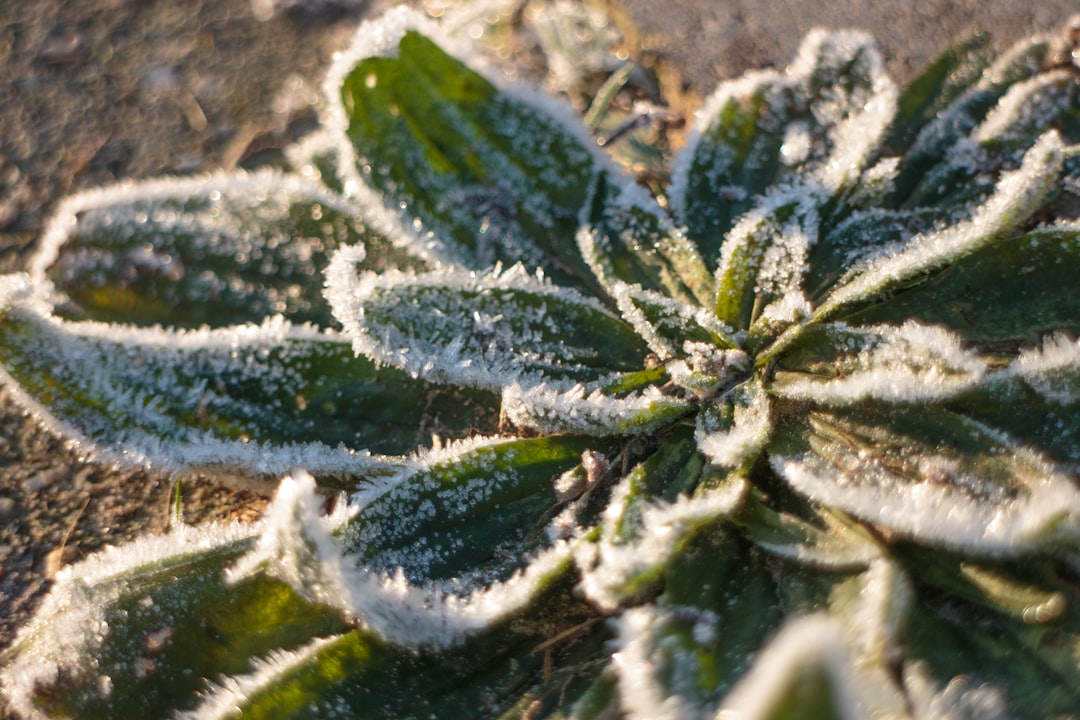
Frostbite affects succulents when temperatures drop suddenly. The plant's leaves and stems may appear discolored. Look for dark spots or mushy areas on the surface. These are clear indicators of frostbite. The plant tissue may also feel soft and mushy. Frostbite can cause the affected parts to collapse. It is vital to act quickly if you spot these signs.
Addressing Root Rot
Cold weather can lead to excessive moisture in the soil. This situation often causes root rot in succulents. If your plant looks wilted despite sufficient watering, check the roots. Healthy roots are firm and white. Roots affected by rot appear brown or black and feel slimy. Addressing root rot quickly is essential to save your plant.
Reviving Cold-damaged Succulents
Succulents are popular for their beauty and low maintenance needs. But cold weather can damage these hardy plants. When succulents face freezing temperatures, they suffer. Leaves may become soft, translucent, or even black. This damage can be alarming. Yet, with patience and care, many succulents can bounce back. Reviving cold-damaged succulents requires specific steps. Let's explore these steps to help your plants recover.
Identifying Cold Damage
First, inspect your succulents closely. Look for soft or mushy areas. These are signs of frostbite. Black spots indicate severe damage. Check stems and leaves carefully. Identifying these symptoms early helps in recovery.
Pruning Affected Areas
Next, prune away the damaged parts. Use clean, sharp scissors. Cut just above the healthy tissue. This prevents further rot. Removing damaged areas can save the plant's energy.
Drying Out The Succulent
Let the succulent dry out. Avoid watering immediately. This step is crucial. Excess moisture can worsen damage. Ensure the plant is in a warm, dry spot. Let it rest for a few days.
Gradually Reintroducing Water
Once the plant dries, reintroduce water slowly. Start with small amounts. Observe the plant's response. Water only when the soil is completely dry. This cautious approach prevents further stress.
Providing Optimal Conditions
Place the succulent in a bright, indirect light. Avoid direct sunlight initially. Ensure good air circulation. Keep the environment warm. These conditions aid recovery.
Monitoring Progress
Regularly check the plant's health. New growth is a positive sign. Be patient. Recovery may take weeks or months. Consistent care leads to a thriving succulent.
Common Myths About Succulents And Cold
Succulents have gained popularity for their low maintenance and unique beauty. Yet, many myths surround their ability to survive cold weather. Understanding these misconceptions can help you care for your plants better. Let's debunk some common myths about succulents and cold weather.
Myth 1: All Succulents Are Cold-hardy
Not all succulents thrive in cold weather. Some species are sensitive to frost. It's crucial to know which types can withstand low temperatures. Research your specific succulent's needs before exposing it to the cold. This will help ensure its survival through winter.
Myth 2: Succulents Don't Need Protection In Cold
Some people believe succulents need no protection in cold weather. This is not always true. Many succulents require some covering when temperatures drop. A light cloth or frost blanket can shield them. This simple step can prevent damage from the cold.
Myth 3: Watering Succulents In Winter Causes Rot
The belief that watering succulents in winter causes rot is common. Yet, succulents still need water, even in cold months. Water sparingly to keep the soil slightly moist. Avoid letting them sit in water, as this can indeed lead to rot.
Myth 4: Indoor Succulents Don't Need Sunlight In Winter
Indoor succulents still need sunlight during winter. They require a few hours of bright light each day. Placing them near a south-facing window can help. This ensures they get enough light to stay healthy.
Myth 5: All Succulents Should Be Brought Indoors
Bringing all succulents indoors isn't always necessary. Some cold-hardy varieties can stay outside. Research your plants to know which can tolerate the cold. This will prevent unnecessary stress on your succulents.
Understanding these myths helps you make informed decisions. Your succulents will thank you with vibrant growth and beauty.
Frequently Asked Questions
How Cold Can Succulents Tolerate?
Succulents generally tolerate temperatures as low as 40°F. Some can survive brief exposure to temperatures around 32°F. However, prolonged cold can damage them. It's best to provide protection during cold spells. Consider moving them indoors or using frost cloths to shield against freezing temperatures.
Do Succulents Need Special Care In Winter?
Yes, succulents require special care during winter. Reduce watering to prevent root rot. Ensure they're in well-draining soil. Provide adequate sunlight to maintain growth. Consider indoor placement if temperatures drop significantly. It's crucial to monitor their environment closely during colder months.
Can Succulents Survive Frost Conditions?
Succulents struggle in frost conditions. Frost can damage their leaves and stems. It's important to cover or move them indoors when frost is expected. Proper insulation helps prevent frost damage. Ensure their location is frost-free for optimal survival.
How Can I Protect Succulents From Cold?
To protect succulents from cold, move them indoors or cover them with frost cloths. Ensure they're not exposed to freezing temperatures. Reduce watering to minimize root rot risks. Adequate sunlight is essential for maintaining health during colder months.
Conclusion
Succulents can brave the cold with the right care. Choose hardy varieties. Protect them from frost. Use covers or bring them indoors. Ensure good drainage to prevent root rot. Water sparingly during winter months. Consider using mulch for added warmth.
Remember, strong sunlight helps keep them healthy. Monitor weather changes closely. Adapt care routines as needed. With these tips, succulents stand a better chance. They might surprise you with their resilience. Enjoy nurturing these unique plants through the chilly season.
Your efforts will pay off in vibrant, thriving succulents. Happy gardening!