Can Parrots Survive Cold Weather?
When you think of parrots, you might picture them in lush, tropical rainforests or basking in the warm sun. But what happens when temperatures drop?
Can parrots really survive in cold weather? This question might have crossed your mind if you live in an area where winters are chilly, and you're concerned about the well-being of your feathered friend. The truth might surprise you, and it’s crucial to know whether your parrot can handle the cold or if you need to step in to provide extra care.
Understanding this could make all the difference in ensuring your pet’s health and happiness. Keep reading to discover the fascinating facts about parrots and cold weather, and learn what you can do to protect your beloved bird during the frosty months.
Parrot Adaptations To Temperature
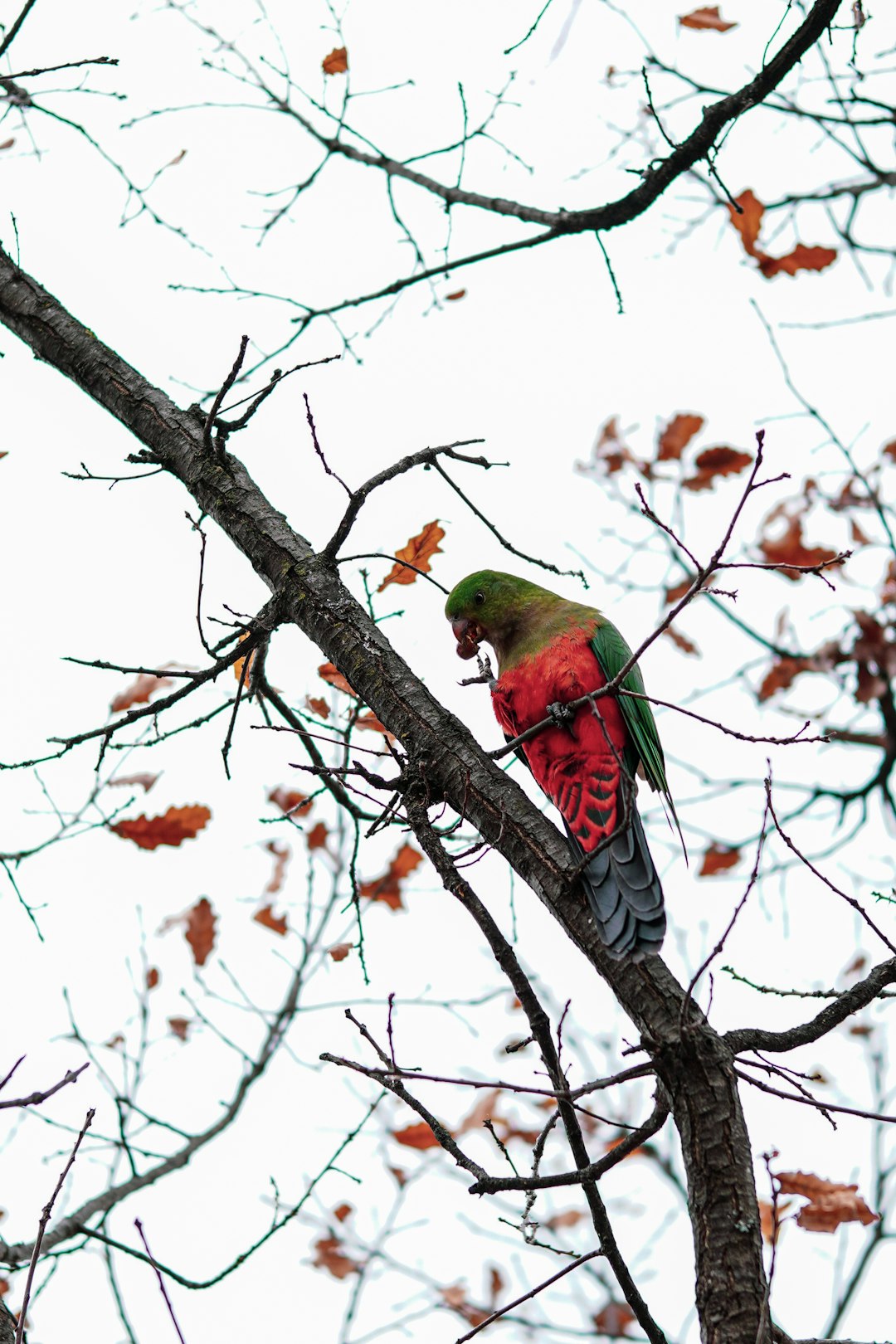
Parrots adapt to varying temperatures with their thick feathers. These feathers trap warmth, aiding survival in the cold. Some parrots also huddle together, sharing body heat to stay warm. Despite these adaptations, extremely cold weather can still pose challenges for them.
Parrots are known for their vibrant colors and engaging personalities. Yet, when it comes to surviving cold weather, these tropical birds face unique challenges. Understanding how parrots adapt to different temperatures can shed light on their survival instincts and help you provide a better environment for your feathered friends.
Natural Habitat
Parrots originate from warm regions like South America, Africa, and Australia. These areas offer a stable climate with minimal temperature fluctuations. In their natural habitats, parrots thrive in warm, humid environments, which makes adapting to cold weather a significant hurdle. If you've ever visited a rainforest, you might have noticed how different it feels compared to a colder climate. Parrots are naturally attuned to these warm environments, where they can find food and shelter easily. This raises the question: how do they cope when the temperature drops?
Physical Characteristics
Parrots have unique physical traits that help them manage temperature. Their plumage acts as an insulator, trapping heat and providing a barrier against cold. However, even with these feathers, parrots are not built for freezing temperatures. Consider the comparison of a parrot's feathers to a lightweight jacket. It offers some protection but isn't enough for a snowstorm. In colder climates, parrots fluff their feathers to create air pockets for extra insulation. Additionally, parrots have a high metabolic rate, which helps generate body heat. But this comes at a cost; they need more food to maintain energy levels. This is why, if you keep parrots in cooler climates, you need to pay close attention to their diet and environment. Have you ever wondered how parrots in colder regions, like some species in New Zealand, manage? These parrots, such as the Kea, have adapted over time with behaviors and physical changes that help them survive. Understanding these adaptations can help you create a comfortable habitat for your pet parrot. By simulating their natural environment, you can ensure they stay healthy and happy, even in colder weather.
Impact Of Cold Weather
Parrots are vibrant birds known for their lively personalities. Cold weather poses challenges to their well-being. It impacts their natural behaviors and physical tolerance levels. Understanding these effects is crucial for their care.
Temperature Tolerance
Parrots have varying tolerance to cold. Some species adapt better than others. Generally, tropical parrots struggle in cold climates. Their bodies are designed for warmth. They may suffer health issues when exposed to cold. Hypothermia is a common risk. It can be fatal if not addressed quickly.
Behavioral Changes
Cold weather often alters parrot behavior. They become less active in cooler temperatures. Reduced activity is a survival mechanism. It helps conserve energy. You might notice them puffing up their feathers. This action traps heat and provides warmth. Parrots might also seek shelter more frequently. They prefer staying in warm, enclosed spaces.
Common Cold Weather Challenges
As winter approaches, parrot owners often find themselves worrying about how their feathered friends will cope with the cold. Can parrots really handle chilly temperatures, or do they face particular challenges? Understanding the common cold weather challenges can help you prepare and keep your parrot healthy and happy.
Health Risks
Cold weather poses several health risks to parrots. These tropical birds are used to warm climates, and sudden drops in temperature can lead to respiratory issues. A friend of mine once ignored the draft in her home, thinking her parrot was fine. Her bird developed a cough, which led to a vet visit. Avoid similar mistakes by ensuring your home is draft-free and maintaining a consistent temperature.
Another risk is frostbite. Parrots, especially those with exposed skin on their feet or beak, can suffer from frostbite if the temperature dips too low. Be proactive by checking for signs of discoloration and swelling. Keeping your parrot indoors during extreme cold can prevent these painful conditions.
Nutritional Needs
During colder months, parrots may need adjustments in their diet. Their bodies work harder to maintain warmth, requiring more energy. Consider adding more high-energy foods like nuts and seeds to their diet. A friend once told me how her parrot seemed less active until she added a few sunflower seeds. The change was almost immediate!
Hydration is equally important. Cold air can be dry, leading to dehydration. Ensure your parrot has access to fresh, clean water. Adding warm water to their drinking bowl can encourage them to drink more. Have you noticed any changes in your parrot’s eating habits during winter?
Understanding these challenges is crucial. By paying attention to health risks and nutritional needs, you can ensure your parrot not only survives but thrives during the colder months. Your vigilance and care can make all the difference in their comfort and well-being.
Expert Advice On Parrot Care
Parrots are stunning and intelligent creatures. But cold weather poses challenges for them. Understanding their needs during winter is crucial for their well-being. Experts provide valuable insights to ensure your parrot stays healthy and happy. Let's explore essential care tips for parrots in cold climates.
Shelter Solutions
Proper shelter is vital for parrots in cold weather. A heated indoor space is ideal. This keeps them safe and warm. Ensure their cage is away from drafts. Avoid placing it near windows or doors. Use cage covers at night for added warmth. Heated perches can offer comfort. They provide a cozy spot for your parrot to rest. Consider adding extra bedding materials. This helps in retaining warmth.
Diet Adjustments
Diet plays a crucial role in a parrot's winter care. Nutrient-rich foods help maintain their energy levels. Offer more seeds and nuts during colder months. These provide essential fats. Fresh fruits and vegetables are important too. They supply vital vitamins and minerals. Warm cooked grains can be comforting. They also make a nutritious addition to their diet. Ensure they have constant access to fresh water. Cold weather can lead to dehydration.
Innovative Heating Techniques
Parrots thrive in tropical climates, but innovative heating techniques can help them endure colder environments. Proper heating ensures their survival and well-being during chilly weather. Keeping their habitat warm and cozy is crucial for their health.
Keeping your parrots warm during cold weather is crucial for their health and happiness. Parrots, being tropical birds, may struggle in colder climates. Innovative heating techniques can offer the perfect solution. Let's dive into some practical methods to keep your feathered friends cozy and safe.
Safe Heat Sources
When choosing heat sources for your parrot, safety is paramount. Ceramic heat emitters are excellent options. They provide heat without the risk of burning your bird, unlike traditional bulbs. Thermal perches can also be a great addition. These perches gently warm your parrot’s feet, ensuring they stay comfortable. Always monitor these devices to prevent overheating and ensure your bird's safety. Heating pads placed under cages can offer additional warmth. Make sure they are designed for animals to avoid any electrical hazards. Consider investing in a thermostat to maintain a consistent temperature.
Energy Efficiency
Keeping your energy costs down is just as important as keeping your parrots warm. Insulating your parrot’s cage is a simple yet effective way to retain heat. Covering the cage with a blanket at night can also help. Using a programmable thermostat can optimize your energy use. Set it to lower temperatures when you're not home and increase warmth when you're around. This way, your parrots stay warm without a constant high energy bill. LED lights that emit a small amount of heat can be dual-purpose. They provide light and contribute to warming the space subtly. Have you ever thought about how your lighting can impact your energy efficiency? Remember, balancing warmth and energy use is key. A small investment in efficient heating methods can lead to significant savings and a healthier environment for your parrots.
Successful Case Studies
Parrots can adapt to cold weather with proper care and acclimatization. Successful case studies show that providing insulated shelters and balanced diets helps them thrive. These strategies ensure parrots maintain their health during colder months.
When considering if parrots can survive cold weather, successful case studies offer valuable insights. These stories not only highlight the resilience of these vibrant birds but also offer lessons on what works and what doesn't. Let's delve into some real-life examples and discover what we can learn from them.
Real-life Examples
Imagine a parrot named Coco, a vibrant African Grey living in a northern climate. Coco's owner realized the bird was struggling during the harsh winter months. By insulating Coco's outdoor aviary and providing a heat lamp, the owner managed to keep the temperature stable. Coco not only survived but thrived, showcasing the importance of environmental control. Another fascinating example comes from a parrot sanctuary in Canada. They used thermal blankets and windbreaks to protect their feathered residents. These measures proved effective, ensuring the parrots remained healthy even when temperatures dropped unexpectedly.
Lessons Learned
From these examples, it's clear that preparation is key. Ensuring that parrots have a warm, sheltered environment can make all the difference. Simple solutions like thermal insulation, heat lamps, and windbreaks are not just beneficial; they're essential. The experiences also show the importance of monitoring. Regularly checking the temperature and the parrots' health can prevent potential issues. Are you ready to adapt your parrot care routine to ensure their survival in colder climates? These stories underline the necessity of taking action before the cold hits. Have you considered what specific steps you can take to protect your parrots from the chill? By learning from these successful case studies, you can ensure your feathered friends stay safe and warm.
Frequently Asked Questions
Can Parrots Tolerate Freezing Temperatures?
Parrots can tolerate mild cold, but freezing temperatures are dangerous. They are tropical birds and need warmth. Ensure a temperature-controlled environment to keep them safe. Use heating solutions and proper insulation to protect them during cold weather.
How Do Parrots Stay Warm In Winter?
Parrots stay warm by fluffing their feathers, which traps heat. Provide a cozy cage with blankets or heating pads. Ensure they have a nutritious diet to maintain their energy levels. Proper care helps them withstand colder conditions.
What Temperature Is Too Cold For Parrots?
Temperatures below 40°F (4°C) can be too cold for parrots. Prolonged exposure to cold can lead to hypothermia. Keep their environment above this threshold. Regularly monitor their behavior and health for any signs of discomfort or illness.
Can I Keep My Parrot Outside In Winter?
Keeping parrots outside in winter is not recommended. They are vulnerable to cold and can suffer from health issues. Ensure a warm, sheltered indoor environment. If they must be outside, provide an insulated aviary with heating elements.
Conclusion
Parrots can handle some cold, but they have limits. Their tropical origins mean they prefer warmth. Protect them from cold drafts and icy temperatures. A heated indoor space works best for them. Warm blankets and cozy cages help too. Always monitor their health in cold conditions.
Look for signs of distress or illness. Provide a balanced diet to support their energy needs. Remember, your parrot depends on you for comfort and safety. So, ensure they stay warm and happy through the cold months. With care, your feathered friend can thrive even in chilly weather.