Have you ever wondered if your beloved palm trees can brave the chilly embrace of freezing weather? Picture this: your backyard, a tropical paradise, suddenly facing the harsh reality of winter frost.
You might worry about the survival of those iconic symbols of warmth and relaxation. But before you panic, let's delve into the fascinating world of palm trees and their resilience against the cold. This article will reveal surprising facts and practical tips to ensure your palm trees stay healthy, even when temperatures drop.
Are you ready to safeguard your tropical oasis from winter's icy grip? Keep reading to discover how you can help your palm trees weather the storm.
Palm Trees And Cold Tolerance
Palm trees vary in their ability to withstand cold temperatures. Some species can survive mild freezing weather, while others struggle. Understanding the specific cold tolerance of different palm species is crucial for their survival in colder climates.
Palm trees evoke images of sunny beaches and tropical paradises, but what happens when these iconic trees face the chill of winter? The cold tolerance of palm trees is a topic of interest for gardeners and landscapers alike. Understanding how these trees cope with freezing temperatures can help you decide if they're suitable for your garden.
Understanding Cold Tolerance In Palm Trees
Palm trees are not a one-size-fits-all when it comes to cold weather. Some species, like the Windmill Palm, can endure temperatures as low as 5°F (-15°C). Others, such as the Coconut Palm, shiver in anything below 40°F (4°C). The key to their survival lies in their origin. Palms from higher altitudes or cooler regions tend to withstand cold better. If you're considering adding a palm tree to your garden, research the specific species' cold tolerance first.
Factors Affecting Cold Tolerance
Several factors impact a palm tree's ability to survive cold weather. Age is crucial; mature palms are generally hardier than young saplings. Soil moisture also plays a role—waterlogged roots can freeze more easily. Location matters, too. A tree sheltered by buildings or other trees can avoid the worst of the wind chill. Personal experience taught me this when I planted a young palm near my house. It survived a surprise frost while another, in an open area, did not.
Preparing Palm Trees For Winter
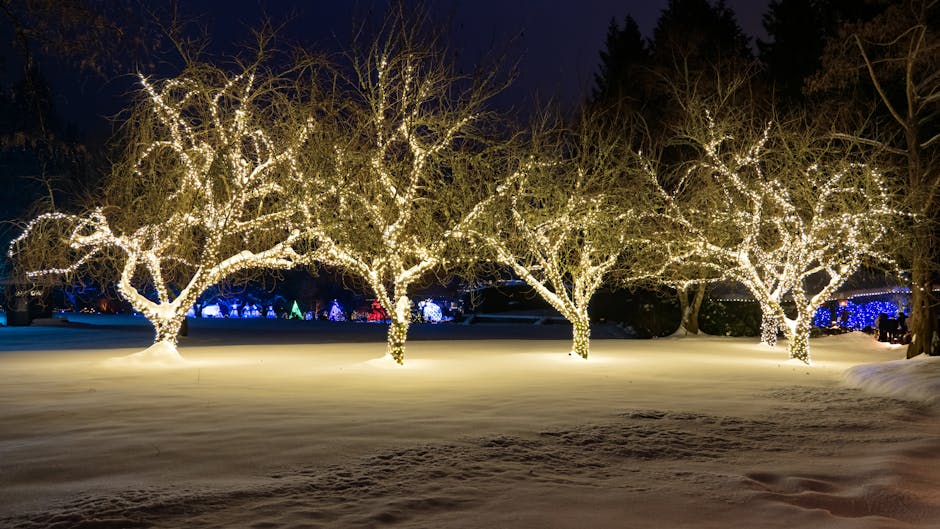
Preparation can make all the difference. Start by choosing the right species for your climate. If your area experiences occasional cold snaps, consider planting cold-hardy varieties like the Needle Palm or the European Fan Palm. During winter, cover your palms with frost cloth or burlap to shield them from the cold. You can also apply mulch around the base to insulate the roots. Have you ever seen a palm tree wrapped in holiday lights? It's more than decorative. Those lights can provide a bit of extra warmth, helping the tree to weather the frost.
Recognizing Cold Damage
Cold damage in palm trees often shows as brown or yellow leaves. In severe cases, the trunk can crack. If you notice these signs, act quickly. Trim damaged leaves to prevent disease and provide extra care to support recovery. One year, I noticed browning leaves on my palm after a cold night. A quick trim and a little extra attention helped it bounce back by spring.
Can Palm Trees Fully Recover?
Recovery depends on the extent of the damage. Mild frost usually results in cosmetic damage, which palms can recover from with proper care. Severe frost can be fatal, especially if it affects the trunk. Are you willing to take the risk and nurture a palm back to health? With patience and care, many can recover, bringing a touch of the tropics back to your garden. --- By understanding the cold tolerance of palm trees and preparing them for winter, you can enjoy these beautiful trees even in less-than-tropical climates. Have you tried growing a palm tree in a cold area? Share your experiences and tips in the comments below!
Factors Affecting Survival In Freezing Temperatures
Palm trees face challenges in freezing weather, such as frostbite and dehydration. Their survival depends on species, age, and location. Some types can withstand brief cold spells, while others need warmer climates to thrive.
Understanding the factors affecting palm trees’ survival in freezing temperatures is crucial for anyone who cherishes these tropical beauties in less-than-tropical climates. Different elements like species, age, size, location, and microclimate play a significant role in determining whether your palm tree will weather the cold snap or succumb to it. Let’s dive into these factors and see how they impact your palm tree’s resilience.
Species Variation
Not all palm trees are created equal when it comes to cold tolerance. Some species, like the Windmill Palm, can withstand temperatures as low as 5°F (-15°C), while others, such as the Coconut Palm, suffer damage when temperatures dip below 40°F (4°C). Knowing the species of your palm is the first step in assessing its chances of surviving a freeze. Consider a palm tree species that suits your climate to minimize risks. If you live in an area prone to sudden cold spells, choose a cold-hardy species. Have you ever found yourself amazed by a palm tree thriving in an unexpected location? That’s often due to choosing the right species.
Age And Size
The age and size of a palm tree also influence its ability to survive freezing temperatures. Younger, smaller palms are more vulnerable to cold damage than mature trees. Their smaller root systems and less developed trunks make them less resilient. Older, larger palms often have thicker trunks and more extensive root systems, offering better insulation against cold. When planting new palms, consider starting with a slightly older specimen if your area experiences frequent freezes. Have you ever nurtured a young plant only to see it falter in harsh weather? Age and size can make all the difference.
Location And Microclimate
Where you plant your palm can significantly affect its survival in cold weather. Palms growing in protected locations, such as near walls or other structures, benefit from retained heat and are less exposed to wind. Microclimates within your yard can create warmer pockets that offer better protection. Planting your palm on the south or west side of your property can provide more sunlight and warmth, increasing its chances of surviving a freeze. Do you take full advantage of your garden’s microclimates? Strategic planting can be a game-changer. Understanding these factors empowers you to make informed decisions about planting and caring for palm trees in cooler climates. With thoughtful planning, you can enjoy the tropical allure of palm trees, even if you face the occasional winter chill.
Adaptations To Cold Weather
Palm trees are known for their tropical allure. Yet, some can withstand the cold. They have unique adaptations to survive freezing weather. These adaptations help them endure temperatures below freezing.
Physical Adaptations
Palm trees have tough leaves. These leaves reduce water loss. A thick trunk insulates the core. This keeps it warm during cold spells. Some palms shed leaves to save energy. This helps them survive harsh conditions.
Chemical Defenses
Palm trees produce special chemicals. These chemicals act like antifreeze. They protect cells from ice damage. This process is vital in freezing temperatures. It allows palms to bounce back when warmth returns.
Protecting Palm Trees In Cold Climates
Palm trees are a symbol of tropical paradise. But cold climates can challenge their survival. Despite their resilience, freezing weather can damage these trees. Proper protection ensures they thrive even in chilly conditions. Understanding winterizing techniques is vital.
Winterizing Techniques
Winterizing palm trees involves several methods. Begin by applying mulch around the base. This insulates roots from frost. Choose organic mulch for best results. It retains warmth and moisture. Pruning is also crucial. Remove dead fronds to reduce cold exposure. Fertilize with potassium-rich products. This strengthens palm trees against cold stress.
Use Of Protective Covers
Protective covers shield palm trees from frost. Use burlap or frost cloth. Wrap the trunk and crown carefully. Ensure the cover is secure but breathable. Avoid plastic covers, they trap moisture. Moisture can freeze and damage the tree. If temperatures drop further, add a heat source. A small light bulb can provide warmth. Keep covers on until temperatures rise again.
Common Mistakes In Cold Weather Care
Palm trees often struggle in freezing weather due to improper care. Common mistakes include inadequate insulation and watering. Ensuring proper wrapping and moisture levels can help them survive cold temperatures.
Caring for palm trees during freezing weather can be a daunting task. You might assume that all your efforts are in vain when temperatures drop drastically. However, understanding common mistakes can make a significant difference. It's not just about wrapping your trees in protective materials; it's about avoiding key errors that can harm their survival. Taking a closer look at some frequent missteps can help you better prepare your palm trees for cold spells.
Overwatering Risks
One of the most common mistakes people make is overwatering their palm trees during cold weather. You might think extra water is necessary, but it can actually harm your tree. During freezing temperatures, the soil retains moisture for longer periods, so less frequent watering is required. Excess water can lead to root rot, which is deadly for palm trees. Always check the soil moisture level before adding more water.
Incorrect Pruning
Incorrect pruning can also spell disaster for palm trees in cold weather. You might feel tempted to cut back damaged fronds, assuming it will help the tree conserve energy. However, removing too many fronds can expose the tree to cold damage. The fronds act as insulation, protecting the tree from harsh winds and low temperatures. When pruning, leave as many healthy fronds as possible to maintain natural protection. Consider these points carefully as you prepare your palm trees for winter. Have you been making these mistakes? With a bit of attention and care, your palm trees can survive and thrive, even in colder climates.
Selecting Cold-hardy Palm Varieties
Choosing palm trees that can handle cold is vital for areas with freezing weather. Some palm varieties withstand low temperatures and frost. Cold-hardy palms like the Windmill Palm are popular choices for surviving winter chills.
Selecting cold-hardy palm varieties is essential if you want your tropical paradise to endure chilly weather. Not all palm trees can brave the cold, so choosing the right ones for your garden can make all the difference. Imagine enjoying your lush landscape even when the temperature dips. How do you ensure your palms don't just survive, but thrive in colder climates?
Popular Cold-hardy Species
Not all palm trees shiver at the thought of frost. Some species have adapted to withstand colder temperatures. Windmill Palm is a favorite, known for its resilience against the chill. It can handle temperatures as low as 10°F (-12°C), making it ideal for those living in milder winter areas. The Needle Palm is another hardy contender. This species is recognized as one of the most cold-tolerant palms, withstanding temperatures down to -10°F (-23°C). Its compact size makes it perfect for smaller gardens or patios. Consider the Pindo Palm, which is both cold-resistant and aesthetically pleasing with its blue-green leaves. It can survive temperatures as low as 15°F (-9°C). These examples prove that a beautiful palm garden is possible, even in cooler regions.
Considerations For Selection
When selecting cold-hardy palms, think about more than just temperature tolerance. Consider the growth habits and size of the palm. Do you have space for a tall Windmill Palm, or would a smaller Needle Palm fit better in your garden? Take into account your soil type and drainage. Cold-hardy palms prefer well-drained soil to prevent root rot during colder months. Check if your soil can support the palm's needs. Light exposure is also crucial. While palms generally love sunlight, some species tolerate partial shade. Are you ready to provide the right conditions for your chosen palm? Selecting the right palm can be a rewarding experience. Picture your garden flourishing year-round. What steps will you take to ensure your palms thrive, even when the frost bites?
Long-term Effects Of Cold Stress
Palm trees are a symbol of tropical paradise, but what happens when they face the harsh reality of freezing weather? The long-term effects of cold stress can be detrimental, affecting everything from their growth to their vulnerability to diseases. It's crucial to understand these impacts to ensure the survival and health of your palm trees.
Impact On Growth
Cold stress can stunt the growth of palm trees, preventing them from reaching their full potential. The cold can damage the cells within the plant, leading to slower growth rates. Imagine nurturing a palm tree for years, only to see it struggle and lag behind. This can be frustrating, especially if you've invested time and resources into caring for your tree.
Consider the height and fullness of palm trees in warmer climates. They thrive and grow rapidly, showcasing lush, green fronds. If you're in a colder region, your palm might not reach such heights. A slow-growing palm can alter the landscape aesthetics you envisioned for your garden.
Disease Susceptibility
Cold stress doesn't just impact growth; it also increases disease susceptibility. When palm trees are weakened by cold, they become more vulnerable to infections. Just like when you're run down and catch a cold more easily, palm trees can fall prey to diseases when stressed.
Fungal infections are particularly common in cold-stressed palms. You'll need to be vigilant about spotting signs of disease, such as discoloration or wilting fronds. Are you prepared to monitor your palm trees closely and act swiftly to treat any signs of disease?
Protecting palms from cold stress is not just about survival; it's about ensuring they thrive. Consider wrapping your trees or using frost cloths during cold snaps. Have you thought about these methods? They could be the difference between a struggling palm and a flourishing one.
Successful Case Studies
Palm trees can endure cold weather with proper care. Case studies highlight methods like insulating wraps and strategic planting. These approaches help protect against freezing temperatures, ensuring palm survival.
Palm trees often symbolize tropical warmth and sunshine. Yet, some have thrived in freezing weather. Successful case studies show how palm trees can survive cold climates. These examples offer valuable insights into growing palms in diverse environments. Discover how palm trees have adapted to unexpected conditions.
Examples From Different Regions
In Texas, palm trees faced severe cold weather but survived. Homeowners used burlap wraps to protect tree trunks. Florida witnessed freezing temperatures, yet many palms endured. Residents applied mulch to insulate roots from frost. In Alabama, growers utilized heat lamps during cold spells. These measures helped palms withstand freezing conditions.
Lessons Learned
Protection methods are crucial for palm survival. Wrapping trunks can shield palms from cold. Insulating roots with mulch prevents frost damage. Heat lamps offer warmth during extreme temperatures. Regular monitoring helps detect early signs of stress. These strategies can ensure palm trees thrive despite harsh weather.
Frequently Asked Questions
Can Palm Trees Survive Cold Climates?
Palm trees generally thrive in warm climates but some can withstand cold. Hardy varieties like the Windmill Palm tolerate temperatures as low as 5°F. Proper care, such as mulching and covering, can help them survive freezing weather. Always choose species suited for your area's climate conditions.
What Temperatures Can Kill Palm Trees?
Most palm trees cannot survive temperatures below 20°F. Prolonged exposure to freezing temperatures can damage or kill them. Some hardy species might endure brief cold spells. It's essential to monitor weather forecasts and take protective measures during cold snaps to ensure their survival.
How Do You Protect Palm Trees From Frost?
To protect palm trees from frost, wrap the trunk with burlap or cloth. Cover the crown with a frost cloth or blanket. Mulch around the base to insulate roots. Ensure the soil is well-drained to prevent root rot. These steps can help prevent frost damage.
Which Palm Trees Are Cold Hardy?
Cold-hardy palm trees include Windmill Palm, European Fan Palm, and Needle Palm. These species can tolerate temperatures as low as 5°F. They are well-suited for regions with occasional freezing weather. Always research the specific needs of each species to ensure optimal growth in your area.
Conclusion
Palm trees can face challenges in freezing weather. Choosing cold-hardy varieties helps. Proper protection ensures their survival. Mulch around the base to retain warmth. Cover trees with blankets during frosts. Watering well before a freeze strengthens them. Regular care increases their resilience.
Palm trees may survive, but preparation is key. Each tree is unique; monitor them closely. Understanding their needs helps them thrive. Enjoy the beauty of palm trees, even in colder climates. Your efforts can keep them flourishing. Remember, care and attention make all the difference.