Can Moths Survive Cold Weather?
Have you ever wondered what happens to moths when the temperature drops? As the winter chill sets in, you might assume these delicate creatures simply fade away.
But the reality is far more intriguing. Moths, with their fragile wings and small bodies, have surprising strategies to endure the cold. Understanding how these creatures survive could change the way you see the natural world around you. You'll uncover the secrets of moths' winter survival tactics.
Could they teach us something about resilience? Keep reading to discover the fascinating world of moths and their winter mysteries.
Moth Biology And Adaptations
Moths have unique adaptations allowing them to survive cold weather. Some species enter a state of dormancy, reducing metabolic rates. Others migrate to warmer areas or produce antifreeze-like substances in their bodies. These strategies help them endure harsh conditions and ensure survival.
Moth Biology and Adaptations Have you ever wondered how moths manage to survive when temperatures drop? These fascinating creatures possess remarkable biological traits and adaptations that allow them to withstand cold weather. Understanding these aspects can shed light on their resilience and survival strategies during chilly months.
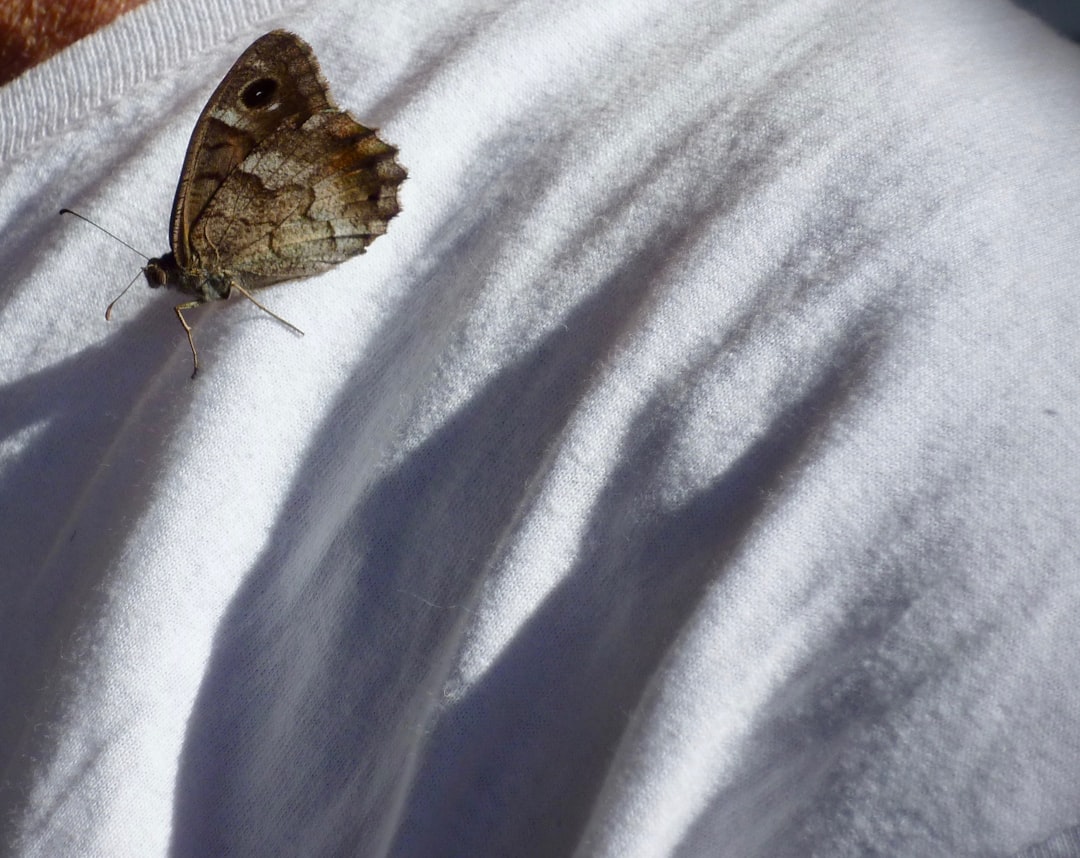
Physical Characteristics Moths come equipped with unique physical traits that aid their survival in the cold. Their bodies are covered with tiny scales that provide insulation, much like a cozy blanket. This helps retain body heat, crucial during chilly nights. Many moths have a muted color palette, blending seamlessly into their surroundings. This camouflage not only protects them from predators but also conserves energy by reducing the need to flee frequently. Have you ever noticed how moths seem to disappear during colder months? They often become less active, saving energy and heat, essential for survival.
Survival Mechanisms Moths have clever survival strategies to endure the cold. Some species enter a state called torpor, a temporary hibernation-like condition. During torpor, their metabolic rate slows down, conserving energy until temperatures rise. Others migrate to warmer areas, a journey driven by instinct and survival. This migration ensures they find suitable conditions to thrive and reproduce. Interestingly, some moths lay eggs that can withstand freezing temperatures. These eggs remain dormant until the environment becomes favorable, ensuring the next generation continues the cycle of life.
You may wonder, how do these adaptations influence the moth population? Understanding their biology and survival mechanisms can lead to better conservation efforts. What measures could be taken to support moth survival during harsh winters?
Cold Weather Challenges
Cold weather poses significant challenges for moths. These delicate creatures face threats to their survival during harsh winters. Their ability to adapt is crucial. Let's explore the challenges they encounter.
Impact On Moth Physiology
Cold weather affects moths' bodies. Their metabolism slows down significantly. This makes them less active. They enter a state called torpor. In torpor, their energy use decreases. This helps them survive the cold.
But torpor has risks. Extended torpor can lead to starvation. Moths need stored energy. If they lack it, survival becomes difficult. Their wings also face challenges. Cold can damage wing structures. This affects their ability to fly.
Environmental Threats
Winter brings environmental threats to moths. Snow and frost can cover their habitats. This limits their access to food. Their shelters are often not adequate. Harsh weather can destroy them.
Predators are another threat. Hungry birds and other animals hunt them. In cold weather, their defenses weaken. This makes them easier targets. Moths must navigate these dangers to survive.
Common Myths About Moths In Winter
Many people believe myths about moths in winter. These myths can lead to confusion. People often wonder how moths survive cold weather. Do they hibernate? Or do they freeze and die? Let's explore these common myths to better understand moths in winter.
Do Moths Hibernate?
Some think moths hibernate like bears. This is not true. Moths use a different method to survive. Many moths enter a state called diapause. In diapause, their body functions slow down. They become less active during cold months. This helps them survive without eating much.
Can Moths Freeze And Thaw?
A common myth is that moths can freeze and then thaw. This is partly true. Some moths can survive freezing temperatures. Their bodies produce special chemicals. These chemicals prevent ice from forming inside their cells. When the weather warms up, these moths become active again. But not all moths have this ability. Some must find warmer places to survive.
Facts About Moth Survival
Moths are fascinating creatures with unique survival skills. They exhibit incredible adaptations to endure harsh conditions. Understanding these skills helps reveal how they manage cold weather.
Various factors influence their survival, including species-specific behaviors and metabolism. Let's explore these intriguing aspects of moth survival.
Species-specific Behaviors
Different moth species have unique ways to withstand the cold. Some moths migrate to warmer areas during winter. This migration ensures they avoid freezing temperatures.
Other species enter a state called diapause. During diapause, moths pause their development. This state helps them survive until the weather warms.
Some moths hide in sheltered areas. They find refuge in tree bark, leaf litter, or buildings. This behavior offers protection from the cold.
Role Of Metabolism In Cold Resistance
Metabolism plays a crucial role in a moth's cold resistance. Moths slow down their metabolic rate in cold weather. This slowdown helps conserve energy.
Some moths produce antifreeze proteins. These proteins prevent ice formation in their bodies. This adaptation allows them to survive freezing temperatures.
By reducing metabolic activity, moths can endure cold periods. They wait for favorable conditions to resume normal activity.
Influence Of Climate Change
Climate change affects moths' survival in cold weather. Warmer winters may disrupt their life cycles, impacting moth populations. Adapting to new climates challenges these insects, questioning their resilience in fluctuating temperatures.
Climate change is altering the world around us, and moths are no exception. As temperatures rise and weather patterns shift, these delicate creatures face new challenges. The question is, can moths adapt to these changes and continue to thrive?
Changing Moth Habitats
With the planet warming, moth habitats are shifting. Areas that were once too cold for certain moth species are now becoming viable homes. This movement isn't just about finding a warmer spot; it impacts the entire ecosystem. In some regions, moths are moving to higher altitudes or latitudes to find suitable conditions. This shift can affect the plants they rely on for food and reproduction. Have you noticed moths in places they weren't found before? Climate change can also lead to habitat loss. Urbanization and deforestation compound the problem, leaving moths with fewer places to go. How can we help preserve their natural habitats?
Adaptation To New Conditions
Moths are surprisingly resilient. Some species develop adaptations to survive in colder temperatures. For example, they may change their life cycle timing or alter their behavior. In some cases, moths might produce more generations in a year to increase their chances of survival. This rapid reproduction can help them cope with unfavorable conditions. Have you ever wondered how quickly nature can adapt to change? However, not all moths can adapt quickly enough. Those that can't may face population declines or even extinction. This raises a crucial question: what role do we play in supporting these creatures? Understanding how climate change affects moths encourages us to take action. Planting native species and reducing pesticide use can help. Are you ready to make a difference in your own backyard?
Conservation And Protection Strategies
Moths play an important role in ecosystems. They are pollinators and food for other species. Cold weather can threaten their survival. Conservation strategies can help protect these delicate creatures.
Habitat Preservation
Preserving habitats is crucial for moth survival. Natural areas offer shelter and food. Trees and plants are essential for moths to thrive. Protecting these areas ensures moths have a safe place. Urban development often destroys moth habitats. Creating green spaces can mitigate this. Encourage native plant growth in gardens and parks.
Public Awareness Efforts
Raising awareness is vital to conservation. Educating the public about moths helps. People often overlook their importance in ecosystems. Campaigns can highlight the threats moths face. Sharing information online can reach wider audiences. Schools can include moth conservation in their curriculum. Community events can further spread awareness.
Frequently Asked Questions
Can Moths Handle Freezing Temperatures?
Moths can endure some cold but extreme temperatures can be lethal. They survive by seeking shelter in warm places. Some species enter a dormant state called diapause, which helps them withstand harsh conditions. Their survival largely depends on the species and environmental factors.
How Do Moths Survive Winter Months?
Moths survive winter by entering a state called diapause, which is similar to hibernation. During diapause, their metabolic rate decreases, conserving energy. They also seek insulated areas like tree bark or buildings to stay warm. This adaptation helps them endure colder months effectively.
Do Moths Die In Cold Weather?
Not all moths die in cold weather. Many species adapt to survive harsh conditions by entering diapause. This state slows their metabolism, preserving energy. Others may find shelter in warmer environments. However, extreme cold without protection can be fatal for some moth species.
What Temperatures Can Moths Withstand?
Moths can withstand varying temperatures, but extreme cold can be fatal. Many species can survive mild cold by entering diapause. However, when temperatures drop too low, their survival becomes difficult. Each moth species has its own tolerance level, influenced by environmental factors and adaptations.
Conclusion
Moths face challenges in cold weather. Some adapt by seeking shelter. Others survive by slowing down their metabolism. This helps them conserve energy. Some moths even migrate to warmer places. Understanding moth behavior in winter is fascinating. It shows their resilience in harsh climates.
Protecting moth habitats ensures they thrive. Observing moths in cold weather can teach us about nature's balance. Moths play vital roles in ecosystems. They are pollinators and food for other animals. Learning about their survival tactics enriches our appreciation for nature.
Moths are truly remarkable creatures.