Are you worried about your beloved money plant facing the chill of winter? If you're a plant enthusiast, you know how rewarding it is to nurture these green companions.
But when the temperature drops, your money plant might need a bit more attention. This blog post will explore whether your money plant can survive in cold weather and what you can do to keep it thriving. We’ll reveal the secrets that could save your leafy friend from the harsh conditions.
Keep reading, and you'll discover simple yet effective tips to ensure your money plant remains healthy and vibrant, even when the mercury plummets. Don’t let the cold weather be the end of your plant’s journey—uncover how you can be its hero.
Money Plant Characteristics
Money plants are hardy and adaptable, thriving indoors and outdoors. In cold weather, they struggle to survive. Protecting them from frost and chilly winds helps maintain their health.
The Money Plant, often referred to as the Pothos plant, is a favorite among plant enthusiasts for its heart-shaped leaves and easy maintenance. But what makes this plant so special, and how does it manage in colder climates? Understanding its characteristics can help you nurture it through chilly seasons.
Resilient Growth
Money Plants are known for their resilient nature. They can thrive in a range of environments, making them a popular choice for both beginners and seasoned plant lovers. Their ability to grow in low light conditions is a big plus. Have you ever noticed how quickly they adapt? Even in less-than-ideal conditions, these plants show remarkable growth. This adaptability is key when temperatures drop.
Temperature Tolerance
While Money Plants prefer warmer temperatures, they can tolerate mild cold. The optimal range is between 65-85°F. However, they can manage in slightly cooler settings if necessary. To ensure your Money Plant survives the cold, keep it away from drafty windows and doors. Adding a bit of warmth can make all the difference.
Watering Needs
Are you guilty of overwatering your plants? The Money Plant doesn't like soggy soil. In colder weather, it requires less water since evaporation slows down. Monitor the soil moisture by checking the top inch of the soil. If it's dry, then it's time to water. This simple check can prevent root rot and keep your plant healthy.
Leaf Care
Money Plants have lush leaves that can suffer in cold weather. Cold drafts can cause the leaves to brown or curl. Regularly inspect the leaves for signs of distress. If you spot any damage, consider moving your plant to a warmer location. This small adjustment can revitalize its appearance and growth.
Personal Experience
I once kept my Money Plant near a window during winter. I noticed the leaves were starting to droop. Moving it to a warmer spot near a heater revived its vibrancy. This experience taught me the importance of observing environmental changes and making necessary adjustments. Have you faced similar challenges with your plants?
Thought Provoking Question
Do you think your Money Plant could be more resilient if you made subtle changes in its care routine? Experimenting with location, watering, and temperature can reveal surprising results. Reflect on how you can optimize your plant's environment. The smallest change could lead to thriving growth, even in the coldest months.
Impact Of Cold Weather
Money plants, known for their lush green leaves, thrive in warm climates. Cold weather can challenge their growth and vitality. Understanding these effects is crucial for plant health. Let's explore how chilly temperatures can affect your money plant.
Reduced Growth Rate
Cold weather slows down the money plant's growth. The plant's metabolism decreases in low temperatures. This results in stunted growth or a dormant state. To maintain growth, keep the plant in a warmer spot.
Leaf Discoloration
Chilly temperatures can cause leaf discoloration. Leaves may turn yellow or brown. This is a sign of stress in the plant. Ensure the plant receives enough sunlight and warmth to avoid this.
Root Damage
The roots of a money plant are sensitive to cold. Cold soil can lead to root damage. Damaged roots struggle to absorb nutrients. This affects the plant's overall health. Use insulated pots to protect the roots.
Water Retention Issues
Cold weather affects the plant's water retention. The soil may stay wet longer, risking root rot. Adjust watering habits during colder months. Ensure proper drainage to prevent waterlogging.
Pest Infestation
Cold weather can increase pest infestations. Pests seek warmth and shelter on indoor plants. Regularly inspect your money plant for any signs of pests. Use natural remedies to keep pests away.
Indoor Placement Benefits
Placing money plants indoors during cold months offers benefits. Indoor environments provide stable temperatures. This helps the plant maintain its health. Choose a spot with indirect sunlight for best results.
Identifying Cold Stress Symptoms
Money plants, also known as Pothos, are popular indoor plants. They thrive in warm, humid environments. But cold weather can stress them. Identifying cold stress symptoms helps in timely intervention. This ensures your money plant stays healthy and vibrant.
Wilting Leaves
Cold temperatures often cause wilting leaves. The plant struggles to maintain its moisture. Leaves might droop or curl. This is a clear sign of cold stress. Immediate action can prevent further damage.
Discolored Leaves
Look for discolored leaves. Yellow or brown patches appear due to cold exposure. The plant's cells are damaged by the cold. This affects photosynthesis and overall health. Spotting these changes early can help. Adjust the temperature to protect your plant.
Leaf Drop
Cold stress can lead to leaf drop. The plant sheds leaves to conserve energy. This is a defense mechanism. A sudden drop in temperature often triggers this. Ensure your plant is in a stable environment. Prevent further leaf loss by warming the area.
Stunted Growth
Stunted growth is another symptom. Cold temperatures slow down the plant's metabolism. New leaves may fail to sprout. Growth becomes noticeably slower. This is a sign the plant is struggling. Providing warmth can encourage healthy growth.
Soft Stems
Soft stems indicate severe cold stress. The plant's structure weakens. It becomes vulnerable to diseases. This can be a critical condition. Immediate warmth and care are necessary. Inspect your plant regularly for such signs.
Ideal Temperature Range
Money plants thrive best in temperatures between 15°C and 30°C. Cold weather below 10°C can harm them. Protecting them indoors during chilly months ensures healthy growth and vibrant leaves.
When caring for a money plant, understanding its ideal temperature range is crucial, especially if you live in a region with cold weather. Money plants, also known as Pothos, thrive in warm environments, but what happens when the temperature drops? Let's delve into the specifics of the ideal temperature range for your money plant to ensure it remains healthy and vibrant all year round.
Understanding The Money Plant's Temperature Needs
Money plants prefer a warm climate, generally between 65°F and 85°F (18°C and 29°C). These temperatures mimic the plant's native tropical environment. Anything below or above this range can stress the plant, affecting its growth and overall health.
Impact Of Cold Temperatures
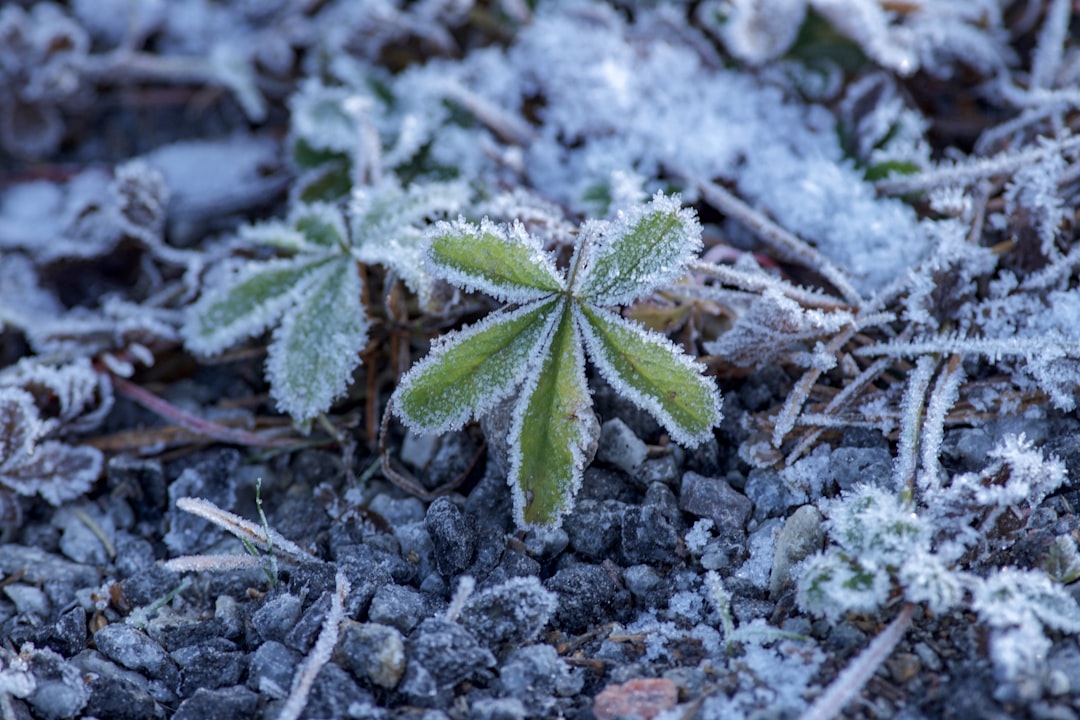
Cold weather can be a silent killer for money plants. When temperatures dip below 50°F (10°C), the risk of damage increases significantly. You might notice the leaves becoming wilted or discolored. This is your plant signaling distress. I once left my money plant near a drafty window during winter, and it took weeks to recover from the chill.
Signs Your Money Plant Is Too Cold
Keep an eye out for signs of cold stress. If the leaves start turning brown or black at the edges, it’s a red flag. Droopy leaves and slow growth are also indicators. Are you keeping your plant near a cold draft or unheated room? It might be time to move it to a warmer spot.
How To Protect Your Money Plant In Cold Weather
Consider placing your money plant away from windows or doors where cold drafts are common. You can also use a space heater to maintain a consistent room temperature. If your home tends to get chilly, a heat mat under the plant pot can provide a gentle warmth.
Creating A Micro-environment
If you can't control the overall room temperature, create a small micro-environment for your plant. Placing it in a terrarium or near other plants can help maintain humidity and warmth. Have you ever thought about using a humidifier? It can work wonders in keeping your plant cozy during the colder months.
Practical Tips For Monitoring Temperature
Invest in a simple room thermometer to keep track of the temperature where your money plant resides. It’s a small investment but can save your plant from potential cold damage. Are you noticing a temperature drop? Act quickly to adjust the environment before any harm is done. By understanding and maintaining the ideal temperature range, you can ensure your money plant not only survives but thrives, even during the coldest months. Are you prepared to give your money plant the warmth it needs this winter?
Indoor Care Tips
Money plants, also known as Pothos, are popular indoor plants celebrated for their easy care and air-purifying qualities. As winter approaches, you might wonder how to help your money plant thrive indoors during cold weather. Let's dive into some practical indoor care tips to ensure your green companion stays healthy and vibrant.
Choosing The Right Location
Finding the perfect spot for your money plant is crucial. Place it away from drafty windows and doors where cold air can seep in. Your plant thrives in warm and stable temperatures, so consider a corner with indirect sunlight. Have you ever noticed how plants in your living room flourish compared to those near the kitchen window?
Managing Indoor Humidity
Winter can lead to dry indoor air, which is not ideal for your money plant. To maintain humidity levels, you can use a room humidifier or simply keep a bowl of water nearby. The water will evaporate, naturally raising the humidity. You might find your plant's leaves looking more vibrant and less crispy when you adjust the humidity. Have you tried misting the leaves occasionally? It's a simple trick that works wonders.
Ensuring Proper Lighting
Money plants thrive in bright, indirect light. During winter, natural light might be limited. Consider using artificial lights if necessary. Place your plant near a window where it can soak up the morning sun but avoid direct afternoon rays, which can be too harsh. Have you noticed how your plant leans towards the light source? It's a sign it needs more of that gentle illumination.
With these indoor care tips, your money plant can flourish even when the temperatures drop. Have you found other ways to keep your plant happy during winter? Share your experiences with fellow plant lovers and let's keep those green thumbs thriving!
Outdoor Protection Strategies
Money plants, known for their lush green leaves and easy care, can struggle in cold weather. Yet, with the right outdoor protection strategies, you can keep your money plant thriving even when temperatures drop. Are you ready to protect your greenery from winter's chill? Let's dive into some practical approaches to ensure your money plant's survival.
Using Mulch And Coverings
Mulch acts as a warm blanket for your money plant. It insulates the roots, helping them resist the cold. A layer of organic mulch, like straw or wood chips, is ideal. It retains moisture and regulates temperature, both crucial for plant health.
Coverings, such as frost cloths or old sheets, offer additional protection. They shield the foliage from harsh winds and frost. On frosty nights, drape a covering over your plant, anchoring it with rocks or stakes to prevent it from blowing away. This simple trick can make a big difference.
Creating Wind Barriers
Cold winds are the enemy of your money plant. They can dry out leaves and damage delicate stems. Creating wind barriers is a practical solution. Use garden fences or create a temporary barrier with burlap or wooden panels around the plant.
Consider your garden's layout. Can you position your money plant near a wall or other natural windbreak? This strategic placement can lessen wind impact. When I moved my money plant closer to a fence, its resilience in winter improved remarkably.
These strategies not only protect your plant but also enhance its ability to thrive outdoors in cold weather. How will you safeguard your money plant this winter?
Watering Guidelines In Cold
As the temperatures drop, you might wonder how to keep your money plant thriving. Cold weather poses unique challenges, particularly when it comes to watering. Understanding how to adjust your watering routine can make all the difference in ensuring your plant remains healthy and vibrant. Let's dive into some practical tips for watering your money plant during the chilly months.
Assessing Soil Moisture
Before reaching for the watering can, check the moisture level in the soil. During colder weather, the soil tends to retain moisture longer. Stick your finger about an inch into the soil. If it feels dry, it's time for a drink. If it's still moist, hold off. This simple test prevents overwatering, which can lead to root rot.
Adjusting Water Frequency
Money plants need less water in cold weather. Reduce your watering schedule to once every two weeks. This change helps accommodate the slower evaporation rate in cooler temperatures. It's easy to forget this adjustment, especially if you're used to a weekly routine. Set a reminder on your phone to keep track.
Using Lukewarm Water
Cold tap water can shock your plant's roots. Use lukewarm water instead. This keeps the roots comfortable and ensures your plant absorbs the nutrients efficiently. Consider filling a watering can in advance and letting it sit at room temperature before using it.
Avoiding Water On Leaves
While it's tempting to sprinkle water on the leaves for a fresh look, it's best avoided in cold weather. Water droplets can freeze on leaves, causing damage. Focus on watering the soil directly. This ensures the roots get the hydration they need without risking harm to the foliage.
Monitoring Plant's Health
Keep an eye on your plant's overall health. Look for signs of over or under watering, such as yellowing leaves or wilting. Adjust your watering habits accordingly. Every plant is unique, and changes in the environment can affect them differently. Observing your plant’s response helps tailor your care routine.
Maintaining a money plant in cold weather doesn't have to be daunting. With these watering tips, you'll be well-prepared to nurture your plant through the cold months. Are you ready to give your money plant the care it deserves? Share your experiences or questions in the comments below!
Fertilization During Winter
Money plants can survive cold weather with proper care. Fertilizing during winter boosts their resilience. Ensure the plant receives enough light and warmth.
Fertilizing your money plant during winter can be a bit tricky. As temperatures drop, the growth of your plant slows down significantly. This means its nutritional needs also change, and over-fertilizing can do more harm than good. So, how do you ensure your money plant thrives during the colder months? Let's dive into some practical tips for fertilization during winter.
Understand Your Plant's Winter Needs
During winter, your money plant enters a state of dormancy. It doesn’t need as many nutrients because it's not growing as vigorously. If you apply too much fertilizer, you risk burning the roots, which can be detrimental. So, it's crucial to adjust your fertilization routine accordingly.
Less Is More
Reduce the frequency of fertilization. Instead of fertilizing every month, consider stretching it to every 6-8 weeks. Use a diluted, balanced liquid fertilizer to ensure you’re not overwhelming the plant with nutrients. This approach allows the plant to absorb what it needs without excess.
Observe And Adapt
Keep a close eye on your money plant. Look for signs like yellowing leaves or stunted growth, which might indicate nutrient deficiency or excess. Adjust your fertilization schedule based on these observations. A healthy plant is your best indicator of whether you're doing it right.
Personal Experience: Learning The Hard Way
I once over-fertilized my money plant during winter, thinking it needed extra care due to the cold. The result? Brown tips and a stressed plant. After dialing back the fertilizer and allowing the plant to rest, it bounced back beautifully. This taught me the importance of listening to my plant's subtle cues.
Ask Yourself: Does It Really Need It?
Before reaching for that bottle of fertilizer, ask yourself if your money plant genuinely needs it. Sometimes, just a little extra sunlight or a slight increase in humidity can do wonders. Remember, not all problems are solved with fertilizer. By understanding your money plant’s winter needs, reducing fertilization, observing changes, and learning from experience, you can ensure your plant stays healthy even in cold weather. What adjustments will you make to your plant care routine this winter?
Common Mistakes To Avoid
Money plants are loved for their beauty and resilience. But cold weather can challenge their survival. Many plant enthusiasts make mistakes that risk the health of their plants. Understanding these mistakes can help ensure your money plant thrives.
1. Neglecting Temperature Control
Cold drafts can harm money plants. Place them away from windows and doors. Use a thermometer to monitor room temperature. Keep the environment stable for the plant.
2. Overwatering During Winter
Money plants require less water in cold weather. Overwatering leads to root rot. Allow the soil to dry before watering. A moisture meter can help check soil conditions.
3. Ignoring Humidity Levels
Low humidity can damage leaves. Money plants thrive in humid conditions. Use a humidifier to maintain adequate moisture. Mist the leaves lightly, if necessary.
4. Using Cold Water For Irrigation
Cold water shocks the plant. Always use room temperature water. Fill watering cans hours before use. Let them sit to warm naturally.
5. Forgetting About Sunlight Needs
Light is crucial for money plants. Winter days are shorter, impacting light exposure. Place the plant near indirect light sources. Rotate them to ensure balanced exposure.
6. Skipping Regular Check-ups
Routine checks can prevent issues. Look for signs of stress or disease. Monitor leaf color and growth. Early detection helps in addressing problems promptly.
Expert Recommendations
Money plants can struggle in cold weather. Expert advice suggests keeping them indoors during chilly months. Ensuring warmth and proper care helps these plants thrive.
When winter approaches, many plant enthusiasts find themselves wondering how to care for their beloved money plants. These lush, green beauties are known for their resilience, but how do they fare when the temperature drops? Experts have shared valuable recommendations to help you ensure your money plant thrives even in cold weather. Below, you'll find practical tips that can make all the difference.
Understanding The Money Plant’s Needs
Money plants, or Pothos, are adaptable, but they have specific needs when it comes to temperature. They thrive best in temperatures between 60°F to 80°F. Anything below 50°F can stress the plant. If you notice your plant's leaves turning brown or dropping, it's a clear sign of cold stress. Consider moving the plant to a warmer spot in your home.
Creating A Warm Environment
Keeping your money plant warm is crucial. If you live in a colder region, place your plant near a south or west-facing window for maximum sunlight. Avoid drafty areas and close windows at night to trap in warmth. You can also use a heat mat to provide additional warmth to the plant's roots.
Monitoring Humidity Levels
Cold weather often means lower humidity levels indoors, which can affect your money plant. Use a humidifier to maintain the air's moisture around your plant. Alternatively, group your plants together or place a bowl of water nearby to naturally boost humidity.
Watering Wisely
In winter, money plants need less water. Overwatering can lead to root rot, especially when the plant's growth slows. Check the top inch of soil with your finger; if it feels dry, it's time to water. Remember, it's better to underwater than overwater during the colder months.
Fertilizing Sparingly
Your money plant's growth will slow down in cold weather, so it doesn't need much fertilizer. Fertilize lightly, if at all, during winter. A diluted liquid fertilizer every two months is plenty. This will prevent nutrient buildup, which can be harmful.
Seeking Expert Advice
If you're unsure about your plant's care, consult with a local nursery or plant expert. They can provide insights specific to your region's climate. Engage with online plant communities where you can learn from others who share your passion for money plants.
Experiment And Observe
Each home environment is unique. What works for one might not work for another. Observe your plant's response to different care strategies. Don't be afraid to experiment with different locations and care routines. Your money plant will show you what it prefers. Do you have a personal tip that has worked wonders for your money plant during winter? Share it in the comments below and help fellow plant lovers keep their greenery thriving all year round.
Frequently Asked Questions
Can Money Plant Tolerate Cold Temperatures?
Money plants can tolerate mild cold but not extreme temperatures. They thrive best in temperatures above 50°F. During colder months, it's essential to keep them indoors and away from drafts. Providing sufficient light and maintaining humidity can help the plant survive cold conditions effectively.
How Can I Protect Money Plant In Winter?
To protect your money plant in winter, keep it indoors. Ensure it's placed in a warm, well-lit area, away from drafts. Regularly mist the leaves to maintain humidity. Avoid overwatering as it can lead to root rot. Use a humidity tray to help maintain moisture levels.
Is Money Plant Suitable For Cold Climate?
Money plants are not ideally suited for cold climates. They prefer warmer temperatures and high humidity. In cold climates, indoor cultivation is recommended. Ensure sufficient light and warmth indoors. Regular misting can help maintain humidity, ensuring the plant remains healthy throughout the colder months.
Do Money Plants Need Sunlight In Winter?
Money plants need sufficient light, even in winter. Placing them near a window can provide adequate sunlight. They prefer bright, indirect light. If natural sunlight is limited, consider using grow lights. Ensuring proper lighting helps the plant maintain its health and growth during the cold season.
Conclusion
Money plants can survive in cold weather with proper care. They need warmth. Ensure they are not near drafts. Keep them away from cold windows. Water sparingly during winter. Too much water harms them. Use a well-draining potting mix. This prevents root rot.
Consider using a humidifier. It helps maintain moisture. Also, provide indirect sunlight. This keeps them healthy. Monitor their leaves for changes. Brown tips mean stress. Adjust care if needed. Money plants thrive with attention. Your home can stay green all year.
Enjoy your beautiful money plant indoors!