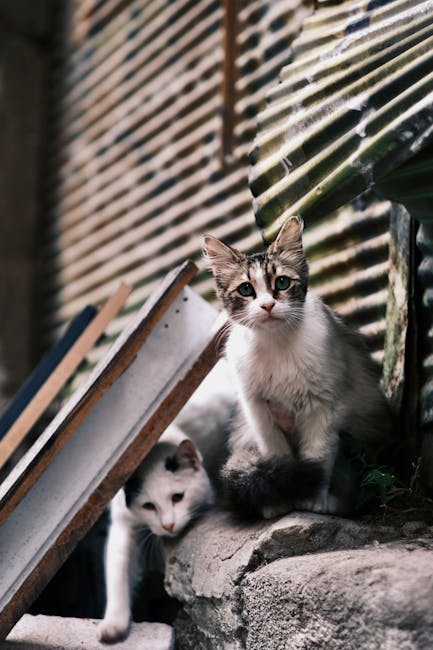
When winter's chill sets in, you might wonder how feral cats manage to survive in freezing weather. Picture these resilient creatures navigating the harsh elements, their survival instincts kicking into high gear.
But what happens when the mercury dips dangerously low? Your curiosity about these feline survivors can lead you to discover their astounding adaptations and the challenges they face. Are you eager to learn how you can make a difference in their lives, ensuring they stay safe and warm during the coldest months?
Dive into this exploration of feral cats and their winter survival strategies, because understanding their world may just change yours.
Feral Cats And Their Habits
Feral cats are fascinating creatures that thrive in various environments. These cats live outdoors, relying on their instincts and learned behaviors. As temperatures drop, their survival strategies become crucial.
Natural Instincts
Feral cats possess strong natural instincts. They are skilled hunters, catching small animals for food. Their senses are sharp, helping them detect danger swiftly.
These cats find shelter instinctively. They use abandoned buildings, sheds, or dense bushes for protection. Their ability to adapt is remarkable, allowing them to survive harsh conditions.
Social Structure
Feral cats often form colonies. These groups provide safety and warmth. They share resources, improving their chances of survival.
Social bonds are vital in these colonies. Cats groom each other, building trust and connection. This cooperation helps them endure freezing weather.
Their social structure is unique. Each cat plays a role, ensuring the group's survival. This communal living is key during cold months.
Challenges Of Freezing Weather
Feral cats face tough challenges during freezing weather. These resilient animals adapt to harsh environments. Cold temperatures bring difficulties they must endure. Their survival depends on various factors, including health, food, and shelter.
Impact On Health
Cold weather impacts feral cats' health significantly. They risk frostbite and hypothermia. Prolonged exposure can weaken their immune systems. Illness becomes more common during winter. Cats struggle to maintain body temperature in freezing conditions.
Food Scarcity
Finding food becomes hard in winter. Snow covers natural food sources. Hunting requires more energy and effort. Less prey is available in cold months. Hunger weakens their ability to survive. Feral cats often rely on human kindness for sustenance.
Adaptations For Survival
Feral cats face harsh challenges in freezing weather. Thick fur coats protect them from the cold. They find warm shelters and hunt to survive.
Adaptations for survival are crucial for feral cats, especially when winter unleashes its freezing grip. Feral cats, often seen as resilient survivors, rely on a mix of physical adaptations and behavioral changes to endure harsh weather conditions. Understanding these adaptations can offer insights into how these cats manage to live through the coldest months of the year.
Physical Adaptations
Feral cats are equipped with a dense, multi-layered fur coat that serves as a natural insulator against the cold. This thick fur traps heat, keeping them warmer even as temperatures drop. You might notice their fur appearing fluffier during winter, a sign of their body preparing for the cold. Their small, compact bodies also play a role. A smaller surface area reduces heat loss, which is a crucial factor for survival in freezing weather. Additionally, you might not realize that feral cats have an incredible ability to conserve energy. They slow their metabolism during colder months, which helps them preserve vital energy reserves.
Behavioral Changes
Feral cats often change their behavior to adapt to freezing weather. They seek shelter in warm, dry places, such as abandoned buildings, garages, or even under cars. This instinct to find shelter is vital for their survival, as it protects them from wind and snow. Another noticeable change is their tendency to huddle together. This communal behavior allows them to share body heat, providing an additional layer of warmth. Have you ever considered how such simple actions can be so life-saving? Feral cats also adjust their hunting patterns. They may hunt during the warmest parts of the day to conserve energy and avoid the worst of the cold. This strategic change is a testament to their adaptability and survival instincts. These adaptations highlight the resilience of feral cats. As you observe these fascinating creatures, consider how their survival strategies might inspire you to adapt and thrive in challenging conditions. What can you learn from their ability to adjust and endure?
Shelter Options
Feral cats often face challenges during freezing weather. Finding warm shelter is essential for their survival. Properly insulated spots can protect them from harsh conditions.
Shelter is crucial for feral cats during freezing weather. Without proper shelter, they face risks from harsh elements and potential predators. Finding or creating effective shelters helps ensure their survival and wellbeing.
Natural Shelters
Natural shelters offer feral cats refuge from cold winds. Dense bushes and thick undergrowth provide insulation against freezing temperatures. Hollow logs and tree trunks can serve as temporary hideaways. Cats may also seek warmth in rock crevices or caves. Snow-covered landscapes may appear barren, but hidden nooks can be lifesaving. These natural hideouts help maintain body heat and reduce exposure.
Human-made Shelters
Human-made shelters offer a safer haven for feral cats. Homemade shelters can be crafted from simple materials. Cardboard boxes lined with straw provide warmth and comfort. Plastic bins with small entry holes protect cats from cold winds. Insulated cat houses offer greater protection. These shelters can be placed in secluded areas to offer privacy. Volunteers often create and maintain shelters for community cats. These efforts help reduce the risks faced during winter months.
Nutrition And Hydration Needs
Feral cats face challenges in freezing weather, needing proper nutrition and hydration to survive. Cold conditions increase their energy requirements, making food and water access crucial. Without adequate resources, their survival becomes difficult.
Surviving in freezing weather is a daunting challenge for feral cats. Their nutrition and hydration needs become critical as temperatures drop. Proper nourishment helps maintain their body heat, while hydration ensures their bodily functions stay intact. As you venture into understanding these needs, consider how these resilient creatures find food and access water under harsh conditions.
Finding Food
Feral cats are resourceful hunters. In winter, when prey is scarce, they rely on their hunting skills to catch mice, birds, or insects. You might have seen a cat patiently stalking its prey in your backyard, showcasing its instinctual prowess. Cats also scavenge for leftover food around dumpsters or near human habitations. If you've ever left out scraps during winter, you've likely contributed to their survival. Consider providing a small dish of cat food outside; it could make a world of difference. Think about how far feral cats travel to find food. They cover vast areas, sometimes putting themselves at risk. Would you trek miles in icy winds for a meal?
Accessing Water
Water sources freeze in winter, posing a significant challenge. Feral cats need to find creative ways to stay hydrated. They often rely on melting snow or icicles. Have you noticed paw prints near a thawing patch of snow? That’s survival in action. Cats might also drink from leaking pipes or dripping taps, if they can access them. If you have an outdoor faucet, a slow drip can provide essential hydration for these cats. Imagine the impact of setting out a bowl of unfrozen water. It’s a simple act that can sustain life. Would you consider it? Understanding feral cats’ nutrition and hydration needs in freezing weather is vital. It reveals their incredible adaptability and resilience. What small actions could you take to support them this winter?
Community Support
In the harsh grip of winter, feral cats face an uphill battle for survival. As temperatures plummet, community support becomes crucial in helping these resilient animals endure. You might wonder, how can a community come together to make a difference? Let's explore the invaluable role of volunteers and local organizations.
Role Of Volunteers
Imagine a chilly morning where the cold bites into your skin. Now picture dedicated volunteers stepping out of their warm homes, armed with tools to aid feral cats. Volunteers are the unsung heroes in the fight against freezing temperatures. They build shelters, provide food, and monitor the well-being of these cats.
One volunteer, Sarah, shared how she felt a deep sense of fulfillment when she saw a feral cat taking refuge in a shelter she built. Her efforts, combined with others, create a network of warmth and safety. Have you ever considered volunteering to help local wildlife? Your contribution could be life-saving.
Local Organizations
Local organizations play a pivotal role in coordinating community efforts. They offer resources and guidance to volunteers, ensuring a structured approach to feral cat care. These organizations often organize workshops on building shelters and maintaining feeding stations.
Take the initiative to reach out to a local animal welfare group. They can provide you with the tools and knowledge to make a meaningful impact. Consider collaborating with them to amplify your efforts. Their expertise can transform your good intentions into effective actions.
Community support is more than just individual acts of kindness. It's a collective effort that can change the fate of feral cats facing freezing weather. Are you ready to be a part of this crucial support system? Together, we can warm the hearts and lives of these deserving creatures.
Preventive Measures
Feral cats face tough challenges in freezing weather. Providing shelters with straw can help them stay warm. Regular feeding with high-calorie food boosts their energy to survive the cold.
Surviving freezing weather is tough for feral cats. Preventive measures can make a huge difference. You might think of these cats as independent and resourceful. But even the most street-smart felines need some help to get through winter. Preventive measures can save lives by addressing their basic needs. Let's look at some effective strategies to protect feral cats from the cold.
Spaying And Neutering
Spaying and neutering prevent overpopulation. With fewer cats, resources can be focused on keeping the existing population safe. You might have noticed fewer kittens in feral colonies during winter. That's because neutered cats are less likely to breed, reducing the strain on available shelters. Consider collaborating with local animal organizations. They often run spaying and neutering programs for feral cats. It's a practical step that you can support, ensuring that more cats have a chance to survive harsh weather.
Vaccination Programs
Vaccination is another critical preventive measure. It boosts the health and immunity of feral cats. A healthy cat is more likely to withstand cold temperatures and resist illnesses. You might wonder how these cats get vaccinated. Local groups often organize vaccination drives specifically for feral colonies. Participating in or supporting these programs can protect feral cats from diseases like rabies or feline leukemia. These programs are often run by volunteers who care deeply about animal welfare. They rely on community support, which means your involvement can directly impact a cat's life. Have you ever thought about how your actions can change a cat's winter experience? By supporting spaying, neutering, and vaccination efforts, you contribute to a safer environment for feral cats. What are some ways you can get involved in your community to help these cats survive the cold?
Frequently Asked Questions
Can Feral Cats Endure Cold Winter Temperatures?
Feral cats can survive cold weather by seeking warm shelters. They often rely on their thick fur for insulation. However, extreme cold can be dangerous. Providing insulated shelters and regular food sources can significantly help them endure freezing temperatures.
How Do Feral Cats Find Warmth In Winter?
Feral cats often find warmth in sheltered areas such as garages or under porches. They may also huddle together for body heat. Creating DIY insulated shelters can provide them with a safe and warm refuge during freezing weather.
What Can I Do To Help Feral Cats In Winter?
You can help by providing insulated shelters and a steady food supply. Offering fresh water daily is crucial. Regularly checking on their shelters and food supply can ensure they remain safe and healthy during harsh winter months.
Do Feral Cats Need Extra Food In Winter?
Yes, feral cats need extra food in winter to maintain energy and body heat. High-calorie, nutrient-rich food helps them endure the cold. Regular feeding can improve their chances of survival during freezing weather.
Conclusion
Feral cats face tough challenges in freezing weather. They need warmth and shelter. Without these, survival becomes difficult. Many rely on human kindness. Providing food and shelter can help them. Simple acts make a big difference. Cats adapt, but cold is harsh.
Community support boosts their chances. Look for local programs to aid feral cats. Every effort counts. Awareness and action save lives. Consider helping stray cats in winter. Your help keeps them safe. Warmth and care matter most. Let's support these resilient creatures.
Together, we can make a positive impact.