As the winter chill sets in, you might find yourself wondering just how well your furry friend can handle the freezing temperatures. You love your dog, and it's natural to be concerned about their safety and comfort when the mercury drops to a bone-chilling 5 degrees.
Are they really safe outside? Can their paws handle the icy ground? You’re not alone in asking these questions. You'll discover essential insights into how dogs cope with cold weather. You’ll learn practical tips on protecting your canine companion from the harsh conditions.
Whether you’re planning a brief walk or considering longer outdoor adventures, understanding the risks and knowing how to keep your dog warm can make all the difference. Stay tuned as we explore what it takes to keep your beloved pet safe and comfortable, even when the temperature plunges.
Dog Tolerance To Cold
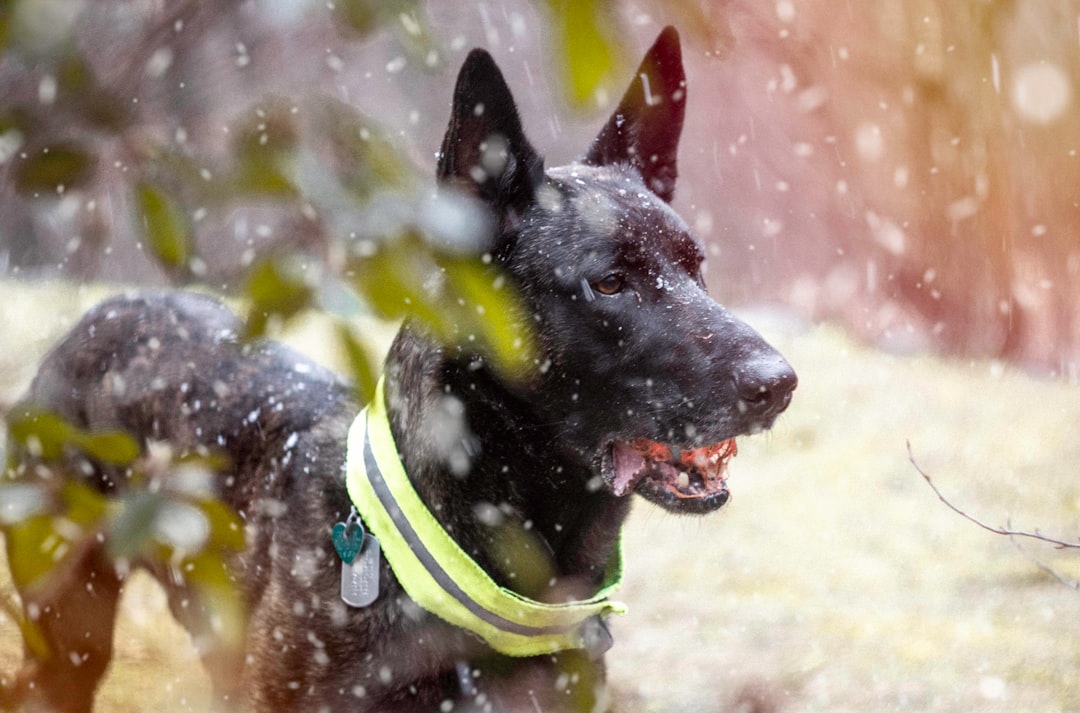
Dogs can withstand 5-degree weather, but not all breeds have the same tolerance. Short-haired dogs may feel cold quickly. Proper shelter and clothing help them stay warm.
Dog Tolerance to Cold Dogs, much like humans, have varying levels of tolerance to cold weather. While some breeds thrive in chilly environments, others may struggle to keep warm. Understanding your dog's ability to handle cold temperatures, such as 5 degrees, can be crucial for their well-being. Knowing how to keep your furry friend comfortable can help prevent potential health risks. Let's dive into the factors that affect your dog's cold tolerance.
Breed And Size Factors
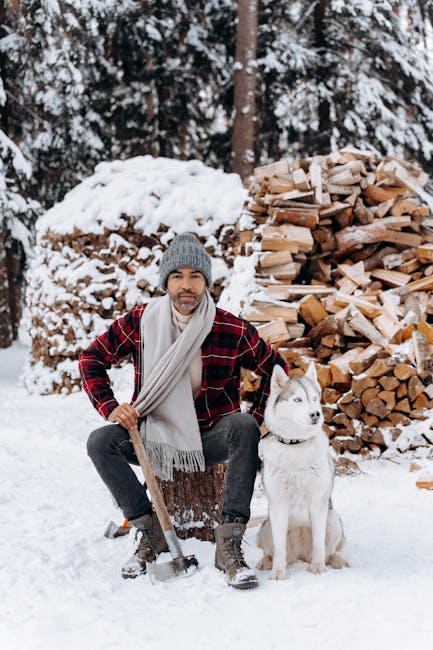
The breed of your dog plays a significant role in their ability to withstand cold weather. Breeds like Siberian Huskies and Saint Bernards have thick fur coats that provide natural insulation. On the other hand, smaller breeds like Chihuahuas and Dachshunds have thinner coats, making them more vulnerable to low temperatures. Size matters, too. Larger dogs usually retain body heat better than smaller ones. Have you ever noticed how a small dog shivers more quickly? This is because they have less body mass to generate and retain warmth.
Age And Health Considerations
Your dog's age and health are important when assessing cold tolerance. Puppies and older dogs often have a harder time regulating their body temperature. Their immune systems may also be weaker, making them more susceptible to cold-related illnesses. Health issues like arthritis can worsen in cold weather. If your dog has health conditions, you'll need to take extra precautions. Do you have a senior dog at home? Consider using a dog sweater to provide additional warmth and comfort. Incorporating these insights into your winter routine can make a big difference. Always pay attention to your dog's behavior when temperatures drop. Are they shivering or refusing to go outside? These signs can indicate that it's time to bring them in and warm them up. Taking the time to understand your dog's unique needs can ensure their safety and happiness, even in the coldest weather.
Signs Of Cold Stress In Dogs
As temperatures drop to freezing levels, dog owners often wonder if their furry friends can withstand the chill. Can dogs survive in 5-degree weather? While some breeds are more resilient to cold, it's crucial to recognize signs of cold stress in dogs. These signs help you ensure your pet's safety and comfort during harsh winters. Understanding these indicators can make all the difference between a cozy day indoors and a risky outdoor adventure.
Behavioral Indicators
Your dog's behavior can tell you a lot about how they're handling the cold. Are they hesitant to step outside, or do they linger by the door when it's time to return? Pay attention to their posture and movements. A hunched posture or reluctance to move could signal discomfort.
Watch for signs of anxiety. A usually active dog might become lethargic or even refuse to play. Shivering is a common sign, but excessive whining or barking can also indicate distress. If your dog seems unusually clingy or seeks warmth excessively, these are red flags worth noting.
Physical Symptoms
Physical symptoms are often more immediate and easier to spot. Check your dog's ears and paws. Are they cold to the touch? Frostbite can occur in extreme conditions, especially on exposed skin like ears.
Observe their coat. Is it damp or frozen? Wet fur can lose its insulating properties, making it harder for your dog to retain heat. Look out for pale gums or a change in breathing patterns, as these could suggest hypothermia.
If you notice any of these symptoms, act quickly. Bring your dog indoors and offer warmth with blankets. Consider adding a sweater or coat before venturing outside. Do you have a plan for keeping your dog warm during cold snaps?
Knowing these signs can save your dog from unnecessary suffering. You're empowered to make informed decisions about outdoor activities, ultimately keeping your pet safe. Will you recognize the signs of cold stress when temperatures plummet?
Preparing Your Dog For Cold Weather
As the temperatures drop, you may wonder if your furry friend can handle the chill. Preparing your dog for cold weather is crucial to ensure their safety and comfort. You might be surprised to learn how a few simple steps can make a big difference. Let's dive into some practical tips that will help your dog thrive in cold conditions.
Winter Clothing Options
Doggy fashion isn't just about looking cute; it's about keeping your pet warm. Consider investing in a cozy sweater or jacket for your dog. There are options tailored for different breeds and sizes. Does your dog dislike wearing clothes? Try a light fleece layer or a water-resistant jacket for rain or snow.
Boots can protect their paws from icy sidewalks and harmful salt. Measure your dog's feet to ensure a snug fit. Remember, not all dogs will adapt quickly, so introduce these items gradually. Can you imagine the look on your dog's face when they first try boots?
Dietary Adjustments
Diet plays a significant role in helping your dog cope with cold weather. Feeding your dog slightly more food can help maintain their energy levels. This is especially true if they spend a lot of time outdoors.
Consider adding healthy fats to their diet. Foods like fish oil or flaxseed can boost their metabolism and keep them warm. Have you noticed changes in your dog’s eating habits during winter? It's essential to monitor their weight to prevent unnecessary gain.
Hydration is key. Cold weather can lead to dehydration just like the summer heat. Ensure your dog has access to fresh water. Do you check their water bowl frequently?
Preparing for winter involves more than just grabbing a coat. Thoughtful adjustments in clothing and diet can keep your dog healthy and happy. What steps will you take to ensure your dog's comfort this season?
Safe Outdoor Activities
During cold spells, keeping your dog safe is crucial. Outdoor activities in 5-degree weather can be risky. Yet, you can still ensure your dog gets exercise. Adapt routines to suit the temperature. Find safe ways to keep your dog active and happy.
Shortened Walks
Walks can be shortened to protect your dog. This reduces exposure to cold. Choose a time when the sun is out. This helps warm the air slightly. Dress your dog in a coat for extra warmth. Keep walks brisk to maintain body heat. Be mindful of icy paths to avoid slips.
Interactive Indoor Games
Indoor games are a great alternative. They keep your dog entertained and active. Hide-and-seek is a fun option. Use treats to encourage participation. Tug-of-war can also burn energy. Use a soft toy to play safely. Puzzle toys stimulate their mind. This offers mental exercise when outdoor activity is limited.
Creating A Warm Shelter
Creating a warm shelter for dogs is vital in cold weather. Dogs feel the chill as much as we do. When temperatures drop to 5 degrees, providing warmth is essential. A warm shelter can keep your dog healthy and safe. It can also offer comfort during chilly nights. Here are some ways to create a warm space for your furry friend.
Insulated Dog Houses
Insulated dog houses offer protection from the cold. These houses keep warmth inside and cold air out. Use materials like straw or hay for extra insulation. They are natural and safe for dogs. Ensure the house is off the ground. This prevents cold from seeping in from below. A door flap can help block the wind. It keeps the interior cozy and comfortable for your dog.
Indoor Sleeping Areas
Set up a sleeping area inside your home. It's a safe and warm option during extreme cold. Use a dog bed with thick padding. Soft and plush materials work best. Place the bed away from doors and windows. These areas can be drafty. Use blankets to add extra warmth. They help create a snug and inviting spot for your dog. Consider using a heated pet pad. They provide consistent warmth and comfort. But always ensure it is safe and well-regulated.
Emergency Measures
Dogs face risks in extreme cold. Immediate action can save lives. Learn essential emergency measures. Protect your dog in 5-degree weather.
Recognizing Hypothermia
Know the signs of hypothermia in dogs. Shivering is a key indicator. Watch for lethargy and weakness. Check for pale or blue gums. These symptoms require urgent attention.
First Aid For Cold Exposure
Bring your dog indoors immediately. Wrap them in warm blankets. Use your body heat to provide warmth. Offer lukewarm water to drink. Avoid hot water or heating pads. Monitor your dog's breathing and alertness. Contact a vet for further guidance.
Expert Recommendations
Dogs can face challenges in 5-degree weather. Experts suggest monitoring their behavior closely. Providing warm shelter is crucial for their safety.
When the temperature drops to a chilling 5 degrees, concerns about your furry friend's well-being naturally arise. While some dogs may thrive in the cold, others might struggle. It's crucial to rely on expert recommendations to ensure your pet's safety and comfort. Let’s dive into what veterinarians and professional trainers suggest.
Veterinarian Advice
Veterinarians emphasize the importance of understanding your dog's breed and health condition when evaluating their tolerance to cold weather. Short-haired breeds like Chihuahuas may need extra protection, while Huskies might enjoy the chill. Keep an eye on your dog's behavior. If they're shivering or seem anxious, it’s a sign they’re too cold. Ensure they have a warm place indoors to retreat to. Consider investing in dog sweaters or jackets. These can provide much-needed warmth, especially for smaller or older dogs.
Professional Training Tips
Professional trainers suggest acclimating your dog to cold weather gradually. Start with short walks and slowly increase their time outside. This helps build their tolerance. Use positive reinforcement to encourage your dog to enjoy their outdoor time, even when it's cold. Treats and praises can make a chilly walk something they look forward to. Trainers also recommend checking your dog's paws for signs of frostbite or irritation. Snow and ice can be harsh on sensitive pads, so consider using paw balm or booties for protection. By following expert advice, you can ensure that your dog stays safe and comfortable, even when the temperature drops. How do you ensure your pet enjoys winter just as much as you do?
Frequently Asked Questions
How Cold Is Too Cold For Dogs?
Dogs can tolerate cold to an extent, but 5 degrees can be risky. Small breeds, short-haired dogs, and puppies are more vulnerable. It's essential to monitor their behavior. Shivering or reluctance to move can be signs of cold stress. Always ensure they have warm shelter or clothing.
Can Dogs Stay Outside In 5 Degree Weather?
It's not recommended for dogs to stay outside in 5 degree weather. Prolonged exposure to such cold can lead to hypothermia or frostbite. If they must be outside, ensure they have proper shelter, warm bedding, and limited exposure time. Always prioritize your dog's safety and comfort in extreme temperatures.
What Precautions Should I Take For My Dog?
Ensure your dog has a warm, insulated shelter when outside. Limit their time in the cold and provide warm clothing if necessary. Monitor their behavior for signs of distress or cold. Keep them dry and provide warm bedding. Always prioritize their health and safety in cold weather.
How Do I Know If My Dog Is Too Cold?
Watch for signs like shivering, whining, or reluctance to move. Cold ears and paws are also indicators. If your dog is seeking warmth or appears anxious, it's time to get them inside. Always monitor their behavior closely in cold weather to ensure their well-being.
Conclusion
Dogs can manage 5-degree weather with proper care. Ensure they have warm shelter. Limit their time outside to prevent cold injuries. Use dog sweaters for extra warmth. Monitor them for signs of discomfort or shivering. Always provide fresh water, as it can freeze quickly.
Regularly check paws for ice or salt buildup. Every dog is different, so consider their breed and size. Some dogs handle cold better than others. Prioritize their safety and comfort in cold conditions. A little preparation goes a long way.
Keep your furry friend safe and cozy in chilly weather.