Imagine stepping outside on a sunny day, the warmth wrapping around you like a comforting blanket. But in the back of your mind, there's a question: Can Covid-19 survive this warm weather?
You've heard bits and pieces from friends and the news, but the uncertainty lingers. You want answers—clear, straightforward ones that cut through the confusion. This article is here to give you that clarity. We'll explore how temperature impacts the virus, bust myths, and give you the knowledge you need to feel confident about stepping out.
Stay with us, because understanding this could change how you approach your everyday life.
Virus Survival In Different Climates
Understanding how viruses behave in various climates is crucial. Climate affects viral transmission rates significantly. Temperature, humidity, and air quality play roles in virus survival. Covid-19, like other viruses, has shown varied behavior in different climates. Scientists study these patterns to predict virus spread.
Impact Of Temperature On Viruses
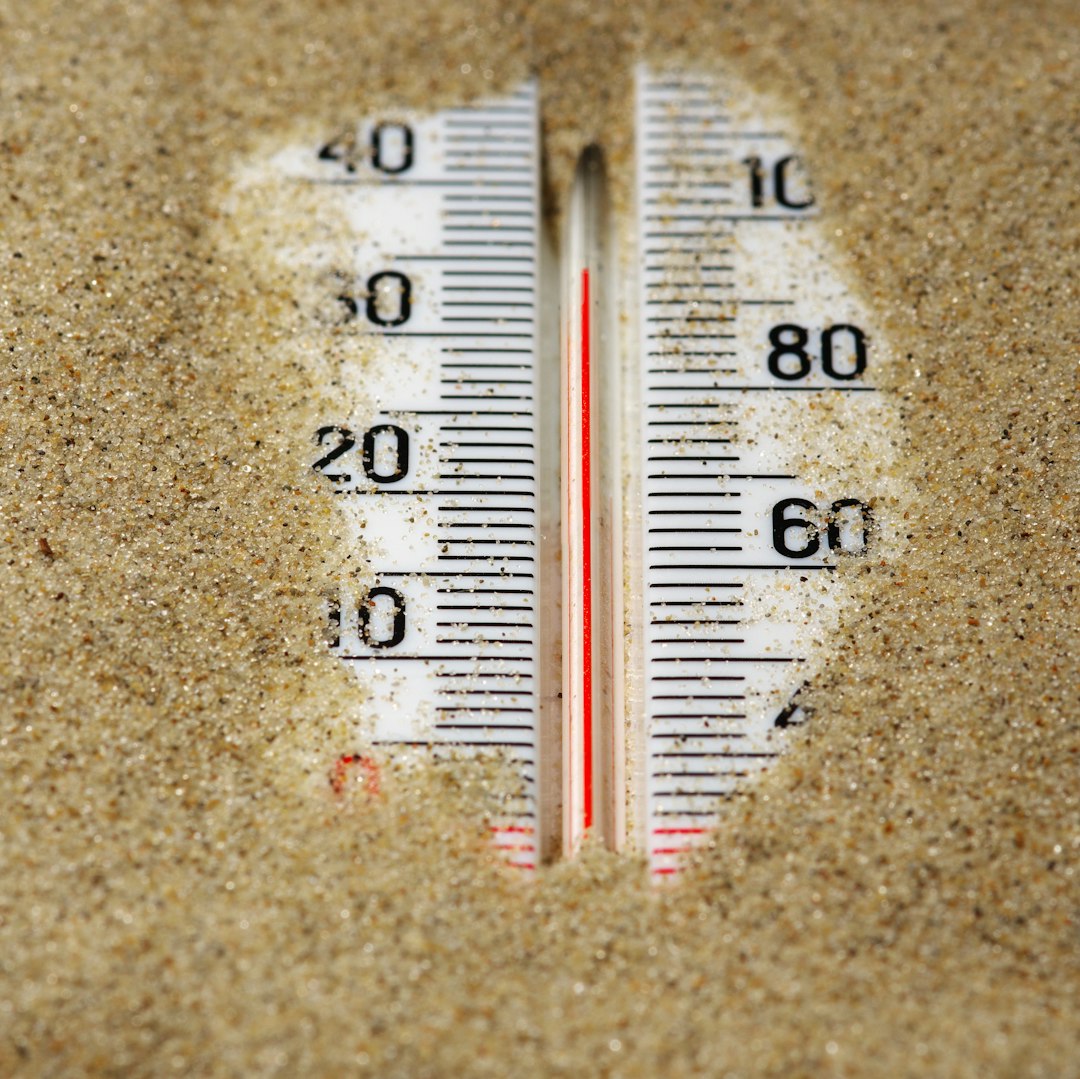
Temperature is a vital factor in virus survival. Cold temperatures often preserve viruses. They allow viruses to remain active longer. Warm temperatures can reduce viral activity. High temperatures may damage the virus structure. This makes the virus less infectious.
Behavior Of Covid-19 In Warm Climates
Covid-19 has shown resilience in warm climates. Many hoped heat would weaken the virus. Studies reveal mixed results. Warm weather may slow virus spread. But it does not eliminate it. People in warm regions still face risks. Precautions remain necessary despite the heat. Understanding virus behavior in warmth aids in better prevention strategies.
Scientific Studies On Covid-19 And Warm Weather
The impact of warm weather on the survival of Covid-19 has intrigued scientists worldwide. Understanding how temperature influences the virus can help in predicting its spread and controlling outbreaks. Numerous studies have examined the relationship between Covid-19 and climate conditions. This section explores the findings and limitations of these scientific investigations.
Research Findings
Several studies suggest that Covid-19 might survive less in warmer climates. Research has shown that high temperatures can reduce the virus's stability. In laboratory settings, viruses often show decreased activity at higher temperatures. Studies in various countries have observed lower infection rates during warmer months. This data provides insights into potential seasonal patterns of the virus.
Limitations Of Current Studies
Current studies face several limitations. Many rely on laboratory conditions, which differ from real-world environments. The virus's behavior in natural settings may vary. Climate is only one factor influencing Covid-19 spread. Human behavior, government policies, and healthcare infrastructure also play crucial roles. These complexities make it challenging to draw definitive conclusions solely from temperature data.
Role Of Humidity And Environmental Factors
Understanding the role of humidity and environmental factors in the survival of Covid-19 during warm weather is crucial. These elements play a significant role in the transmission dynamics of the virus. By examining how humidity and other environmental influences affect the spread, we can develop more effective strategies to combat Covid-19.
Humidity's Effect On Virus Transmission
Humidity is more than just a measure of moisture in the air. It can influence how the virus behaves and spreads. When air is dry, respiratory droplets can evaporate quickly, making them smaller and lighter, potentially increasing airborne transmission.
Conversely, higher humidity levels can weigh down these droplets. This might reduce the distance they travel, possibly lowering the risk of transmission. But does this mean humid climates are safer? It's not that straightforward.
You might have noticed how your skin feels sticky in high humidity, but this doesn't necessarily correlate with lower virus spread. Factors such as indoor ventilation and crowd density play a crucial role. So, while humidity can impact virus transmission, it's just one piece of the puzzle.
Other Environmental Influences
Temperature, sunlight, and air quality are other environmental factors that can affect Covid-19 transmission. Warmer temperatures might reduce the stability of the virus on surfaces, potentially limiting its spread.
Sunlight can be a natural disinfectant. UV rays have the ability to inactivate the virus, but relying solely on sunlight isn't practical. You still need to focus on hygiene and social distancing.
Air quality also matters. Polluted air can compromise lung health, making individuals more susceptible to respiratory infections. It's worth considering how clean air and good ventilation can be part of your defense against Covid-19.
So, as you think about how environmental factors like humidity and temperature might influence Covid-19, ask yourself: How can you adapt your surroundings to minimize risk? Understanding these elements can empower you to make informed decisions.
Comparative Analysis With Other Viruses
Covid-19's behavior in warm weather raises questions. Some viruses weaken in heat, but Covid-19 shows resilience. Unlike flu, it spreads efficiently in various climates, challenging assumptions about weather's impact.
COVID-19 has posed many questions about its behavior and survival, especially in varying weather conditions. One intriguing aspect is how it compares to other viruses when it comes to surviving warm weather. Understanding these comparisons can help you navigate everyday life and make informed decisions during the pandemic.
Sars And Mers
SARS (Severe Acute Respiratory Syndrome) and MERS (Middle East Respiratory Syndrome) are both coronaviruses like COVID-19. These viruses have shown a tendency to spread more in cooler climates. SARS had a significant outbreak in 2003, primarily affecting areas with milder weather. MERS, meanwhile, emerged in 2012 in the Middle East, where it persisted despite warmer conditions. This suggests that while SARS seemed more contained in warmer weather, MERS showed resilience. Does COVID-19 mirror these patterns, or does it chart its own course?
Common Cold And Flu
The common cold and flu are notorious for their seasonal spikes during colder months. You might have noticed a runny nose and sneezes more often when the temperature drops. These viruses thrive in cold, dry air, leading to more infections during winter. But, in warmer weather, their prevalence typically decreases, giving you a reprieve from the sniffles. Could COVID-19 behave similarly, diminishing with rising temperatures? Or does it challenge this trend by thriving in both warm and cold climates? Understanding these comparisons gives you a broader perspective on how COVID-19 might evolve. Do these insights help you make sense of your experiences with other viruses, or do they raise new questions about what to expect in your area?
Public Health Implications
Covid-19's persistence in warm weather raises crucial public health concerns. People often assume viruses weaken in heat. This assumption can lead to relaxed safety practices. Public health strategies must adapt to these realities. Ignoring the virus's resilience in warm climates can be dangerous. Authorities need to rethink health policies for better protection.
Policy Adjustments For Warm Regions
Warm regions face unique challenges with Covid-19. Policies must reflect these challenges. Traditional health measures might not suffice. Regions must enforce mask usage and social distancing strictly. Regular testing should continue, even in heat. Vaccination drives need to be robust. Health policies must evolve with the virus's behavior. Ignorance can lead to surges in cases.
Adapting Public Health Strategies
Public health strategies require constant adaptation. Covid-19's behavior in warm climates demands new tactics. Health officials should focus on education. Inform the public about the virus's resilience in heat. Use media and community outreach for better awareness. Promote hygiene practices like handwashing and sanitization. Encourage responsible behavior to prevent outbreaks.
Misconceptions And Public Perception
Many people think Covid-19 disappears in warm weather. This is a misconception. The virus spreads in all climates. Public perception often links viruses to cold weather, but Covid-19 proves different. Understanding this helps in better prevention.
The COVID-19 pandemic has reshaped the world in unexpected ways, prompting a slew of misconceptions and public perceptions. One of the most common beliefs is that warm weather can kill the virus, rendering it harmless. This idea has led to a false sense of security in many communities, potentially increasing the spread of the virus.
Common Misunderstandings
Many believe that like the flu, COVID-19 will diminish with rising temperatures. However, viruses behave differently, and COVID-19 is no exception. While some viruses struggle in warmer climates, COVID-19 has shown resilience in various temperatures. I remember a friend planning a beach trip during the pandemic's peak, thinking the sun would offer protection. This misconception can lead to risky behavior, undermining safety protocols. Have you ever found yourself tempted to relax precautions because of the weather? It's crucial to remember that COVID-19 spreads through respiratory droplets, unaffected by the weather. Instead of relying on the sun, we should continue practicing social distancing, wearing masks, and maintaining good hygiene.
Educating The Public
Education is key to combating these misconceptions. Clear, accurate information helps people make informed decisions. Health organizations need to focus on community outreach and provide easily understandable resources. Consider the impact of community leaders in spreading information. Have you ever noticed how a message resonates more when it comes from someone you trust? Local influencers can play a significant role in correcting false beliefs about COVID-19 and its behavior in warm weather. Creating engaging content can also make a difference. Imagine infographics, videos, or even simple social media posts that explain why warm weather isn't a magic shield against COVID-19. What kind of content would catch your attention and change your perception? By tackling these misconceptions head-on, we can foster a more informed public, ultimately curbing the spread of COVID-19 and protecting our communities.
Frequently Asked Questions
Can Covid-19 Thrive In Warm Climates?
Yes, Covid-19 can still spread in warm climates. Warm weather doesn't eliminate the virus. It can survive in both hot and cold temperatures. Preventative measures like wearing masks and social distancing remain crucial. It's essential to maintain hygiene practices regardless of the climate.
Does Warm Weather Kill Covid-19 Virus?
Warm weather alone does not kill the Covid-19 virus. The virus can survive in various environmental conditions. Effective prevention relies on vaccination, hygiene, and social distancing. It's important to follow public health guidelines irrespective of the weather.
How Does Temperature Affect Covid-19 Transmission?
Temperature alone doesn't significantly affect Covid-19 transmission. The virus spreads through respiratory droplets. Factors like human behavior and public health measures play a larger role. Maintaining safety protocols is crucial regardless of temperature variations.
Is Covid-19 Less Contagious In Summer?
Covid-19 remains contagious during summer months. Warm weather doesn't significantly reduce its transmissibility. The virus spreads mainly through close contact. Adhering to health guidelines is important to prevent infection, irrespective of the season.
Conclusion
Warm weather may not stop Covid-19 entirely. Viruses adapt to survive. They thrive in various conditions. Though heat can reduce transmission, it isn't a guarantee. Masks and social distancing remain crucial. Keep washing hands often. Stay informed from reliable sources.
Vaccination is key for protection. It's a global effort. Everyone plays a part. Understanding helps us stay safe. Summer doesn't mean the pandemic ends. Be cautious in warm climates. Protect yourself and others. Follow health guidelines diligently. Stay vigilant, stay healthy.
Working together, we can overcome challenges. Covid-19 requires collective responsibility. Be proactive, not reactive. Stay hopeful and united.